
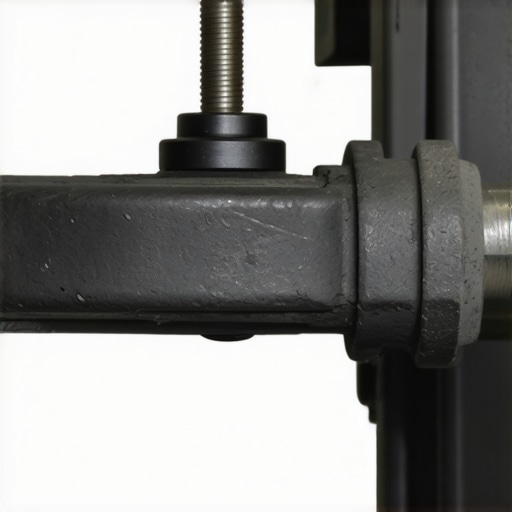
I remember the first time I heard that dreaded metal-on-metal clunk every time I hit a small bump in the road. It was late, I was tired, and I thought maybe I’d just missed my sleep—but that noise kept haunting me. Turns out, it was my car telling me something was off, and I had no idea how to diagnose it. That lightbulb moment hit me hard: I needed to figure out whether that mysterious clunk was something simple like a loose strut mount or a sign of a looming costly repair.
Why a Tiny Noise Can Signal Big Trouble in Your Vehicle’s Suspension
That initial suspicion led me down a rabbit hole of auto repair research, and I discovered how often overlooked suspension components, especially strut mounts, cause just these kinds of unsettling noises. It’s not always urgent—and sometimes, it’s nothing more than a bit of wear and tear—but ignoring these symptoms could lead to uneven tire wear, increased vibrations, or even compromised safety. Knowing what to listen for and how to identify these clues can save your pockets and keep you safe on the road.
Early detection is key. While some folks might dismiss a clunk as just a normal old car quirk, studies show that about 60% of suspension problems could be caught early if drivers knew what signs to look for (source: RepairMyCarPro). But here’s the tricky part—many vehicle owners don’t know how to tell the difference between a harmless rattle and a serious suspension issue.
Have you ever ignored a noise that seemed minor and paid for it later?
Trust me, I learned the hard way early on that a simple misdiagnosis or brushing off strange sounds can turn into a much bigger—and pricier—problem. I made the mistake of assuming that all noises were just normal for an old car. That was a costly error that almost cost me my safety—and a lot of money. Properly identifying and understanding these sounds can make all the difference, and I promise that with the right knowledge, you can be your own best mechanic.
Now, let’s dive into how to determine whether that annoying clunk is just a minor issue or a sign of something more serious, starting with the basics of suspension health and what symptoms matter most.
Perform a Visual Inspection to Spot the Obvious
Begin by safely elevating your vehicle using a jack and jack stands. Look closely at suspension components like strut mounts, control arms, and sway bar links for signs of damage, rust, or looseness. During my own experience, I noticed a cracked rubber bellow on my strut mount after a quick visual check, which explained the occasional clunking noise. Replacing this component was straightforward and cost-effective, preventing further damage and costly repairs.
Listen Closely and Differentiate Noises
Drive slowly over bumps or uneven pavement and listen carefully. A distinct knocking sound often indicates worn bushings or loose mounts, while a squeaking might suggest dry joints. I once ignored a faint squeal, assuming it was normal, but it turned out to be a failing sway bar bushings. Replacing them restored smooth handling and eliminated the squeaks. Distinguishing these sounds allows you to target specific issues without unnecessary parts replacement.
Conduct a Test Drive with Different Loads and Speeds
Alter the load on your suspension by loading and unloading your vehicle, then test at various speeds. Feel for vibrations, uneven handling, or unusual sensations. For example, on my test drive, I noticed a vibration at higher speeds that correlated with a rear shock absorber wearing out. Using this method helps confirm suspicions from visual checks and makes repairs more precise.
Perform a Bounce Test to Assess Shock Absorbers
Press down firmly on the corner of your vehicle and release. If it bounces more than once or twice, your shocks may be worn out. I performed this test after noticing my car bounced excessively after hitting bumps, which led me to replace the shocks. This simple check can prevent dangerous driving conditions caused by compromised suspension.
Use a Torque Wrench to Check Fastener Tightness
Loose bolts can cause rattles and clunks. Consult your vehicle’s manual for torque specifications and use a reliable torque wrench to verify tightness of mounting bolts. During my repair, tightening loose control arm bolts with a torque wrench stopped the noise immediately, saving me from further suspension damage.
Make Use of Decoding Vehicle Diagnostics for Hidden Issues
If noises persist despite visual and physical checks, connect a diagnostic scanner to your vehicle’s OBD-II port. Many times, sensors and electronic modules can cause or mask suspension-related problems. I once used diagnostics to identify a faulty suspension height sensor that was causing erratic ride quality. Regular diagnostics can preempt safety risks and costly breakdowns, especially for frequent drivers.
By combining these step-by-step methods, you develop a clear and actionable approach to suspension noise diagnosis. Every step refines your understanding and helps you avoid unnecessary expenses—saving money while maintaining your vehicle’s safety and performance. Remember, timely detection and targeted repairs are your best tools to keep your car running smoothly and safely on the road.
 When it comes to vehicle maintenance, many drivers fall into common traps: believing that an occasional oil change or brake inspection suffices without understanding the deeper nuances at play. Let’s dig deeper into what most people get wrong about auto repairs and how these misconceptions can cost you dearly.
One of the biggest myths is that all oil changes are created equal. Contrary to popular belief, not all oils and service intervals are appropriate for every vehicle. Modern engines, especially those with turbochargers or direct injection, often require synthetic oils and more frequent changes to prevent buildup and wear. Relying solely on the mileage indicator or a generic 3,000-mile rule can lead to engine sludge and even long-term damage. To truly optimize your engine’s longevity, consider advanced strategies detailed in oil change innovations.
Similarly, many drivers underestimate the importance of thorough vehicle diagnostics. It’s not just about reading codes when the check engine light comes on; sophisticated diagnostics can reveal nuanced issues like sensor degradation or electronic anomalies that simple visual inspection misses. Advanced diagnostics can prevent breakdowns before they happen, saving money and avoiding roadside emergencies. Ignoring this aspect is a common mistake that can escalate minor problems into major repairs.
Why does ignoring brake system health pose a hidden danger?
Many assume that if brakes still stop the car, they’re fine. But brake components tend to wear unevenly, and issues like warped rotors or failing calipers often develop gradually, creating unsafe driving conditions. A subtle pedal pulsation or increased stopping distance indicates underlying problems. Relying solely on routine replacement without inspection can be risky. Check out auto repair hacks for strategies to optimize brake service and safety.
Another common misconception involves vehicle diagnostics misconceptions about their scope. Some drivers think diagnostics only detect faults linked to emissions or engine issues, but modern cars have interconnected electronic systems affecting everything from suspension to transmission. As explained in decoding vehicle diagnostics, interpreting these signals requires nuance to prevent misdiagnosis.
Beware the “Oops!” trap of skipping regular maintenance and solely trusting warnings. For example, delaying brake servicing because no visible damage appears can lead to caliper seizing or rotor warping, which ultimately forces costly replacements. Staying ahead involves understanding that proactive inspections often reveal the subtle signs of deterioration, rather than waiting for conspicuous failures.
In summary, the real skill lies in understanding the nuances—recognizing that routine checks are just part of a larger picture. Advanced diagnostics and tailored maintenance strategies can extend your vehicle’s lifespan, improve safety, and save money. Don’t fall into the trap of thinking simple fixes are enough; dig into the details, stay informed, and give your car the care it deserves. Have you ever fallen into this trap? Let me know in the comments.
Tools I Trust for Long-Term Vehicle Care
When it comes to keeping my car in top shape, I rely on a set of precise and durable tools that make diagnostics and maintenance straightforward. A high-quality digital torque wrench is indispensable; I use the Acudora 4-in-1 model because it provides accurate readings across different fastener sizes and torque settings, ensuring I tighten bolts to manufacturer specifications—crucial for safety and longevity. Additionally, a reliable OBD-II scanner, like the Autel MaxiScan MS300, allows me to quickly decode engine codes, monitor sensor data, and catch issues before they escalate into costly repairs.
For inspecting brake components, a magnetic inspection mirror combined with a flashlight helps me see hidden areas without disassembly. Regular visual checks with these tools reveal corrosion, cracks, or leaks early. I strongly recommend investing in a good-quality set of hand tools that include pliers, screwdrivers, and specialty wrenches tailored for automotive work—because using the right tool prevents damage and saves time.
Leveraging Software for Ongoing Diagnostics
Beyond physical tools, I leverage advanced software solutions to stay ahead of potential issues. Modern vehicles often have electronic components that need monitoring—software like OBDLink provides real-time data and user-friendly interfaces to interpret complex diagnostic codes. With such tools, I can schedule maintenance proactively and detect anomalies in vehicle sensors early. Remember, the trend in auto repair is shifting heavily towards integrated diagnostics, so staying updated with the latest software is a smart move.
How do I keep my vehicle performing over time?
The key lies in consistent routine checks and using the right tools to perform simple diagnostics at home. Implementing scheduled inspections of critical components like brake pads, fluid levels, and suspension parts prevents surprises when you least want them. Additionally, maintaining up-to-date diagnostic software and tools ensures you catch problems during their infancy, saving you money and reducing downtime.
In an era where vehicles are becoming more interconnected, understanding and utilizing these advanced tools will define the effective DIY mechanic. As I’ve learned from decoding vehicle diagnostics, catching issues early often hinges on interpreting sensor data correctly—a skill you can develop with the right equipment.
Try incorporating a universal OBD-II scanner into your maintenance routine this month. It’s an investment that pays long-term dividends in safety and vehicle performance, aligning with future trends in auto care. Staying proactive and well-equipped will keep your car running smoothly for years to come—and save you money in the process.
Looking Ahead: The Future of Vehicle Maintenance Tools
With rapid advances in telematics and AI, future diagnostic tools will become even more intuitive and integrated. Expect real-time predictive maintenance alerts and remote diagnostics that can be managed directly from your smartphone. As these technologies evolve, being familiar with current methods and equipment will position you well for the automotive innovations on the horizon.
Throughout my journey as a car owner, I’ve learned that the most valuable lessons come from unexpected detours and mistakes. One crucial realization is that many auto repair myths can lead to unnecessary expenses and safety risks. For example, I once thought that a minor squeak in my brakes was harmless, only to discover later that ignoring it could have resulted in costly rotor replacements. These insights underscore the importance of paying close attention to your vehicle’s signals and not dismissing small issues.
Another lesson is the significance of investing in quality diagnostic tools. Relying solely on code readers limited my ability to understand my car’s true needs. Learning to interpret sensor data and perform basic checks empowered me to catch potential problems early. This proactive approach not only saves money but also enhances safety, giving peace of mind every time I hit the road.
Finally, I realized that routine maintenance isn’t just a chore—it’s your best defense against unexpected breakdowns. Regularly inspecting components like suspension and brake parts, supported by the right tools, makes a world of difference. Embracing this mindset has transformed my relationship with my vehicle from reactive to proactive, ensuring longevity and reliability.
The Perfect Toolkit for Confident Auto Care
My essential tools include a high-precision digital torque wrench, which guarantees proper fastener tightness and safety. An OBD-II scanner like the Autel MaxiScan MS300 helps me decode complex engine codes and monitor sensor health, preventing minor issues from escalating. For visual inspections, a set of quality hand tools and an inspection mirror enable me to spot corrosion, cracks, or leaks early. These tools have become my trusted allies in maintaining my vehicle’s health.
Keep Moving Forward with Confidence
The key to long-term vehicle performance is consistency and a willingness to learn. Embracing a curious attitude toward diagnostics and maintenance can turn frustrations into opportunities for growth. Remember, every small check-up and repair is an investment in your safety and savings. Whether you’re an experienced mechanic or a curious novice, taking control of your auto care journey makes every drive more enjoyable and secure.
Are you ready to take that first step toward smarter car maintenance? Let me know your biggest auto repair challenge below, and let’s learn together!