
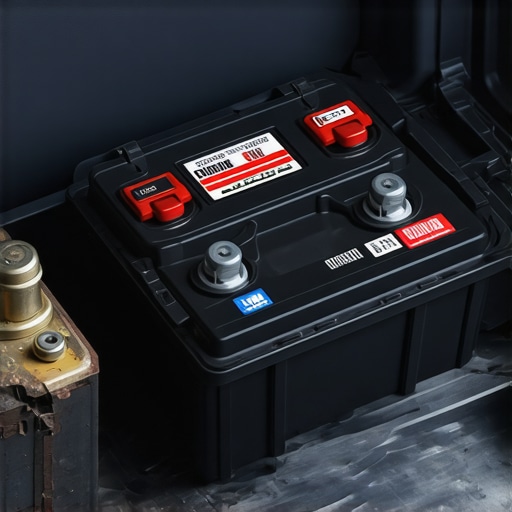
I remember the moment vividly—my floorboards were soaking wet, and I couldn’t figure out why. At first, I thought I had spilled something or maybe a leak from the door seals. But as I stuck my head under the dashboard, a lightbulb went off. There it was—a tiny, sneaky drain tube that was clogged and flooding my car’s interior every time it rained. Concerned, I started digging deeper into what I was dealing with—and discovered this isn’t just an oddity. It’s a common, often overlooked issue that can silently rot your floorboards from the inside out.
Why this hidden drain is a ticking time bomb for your vehicle
If you’ve ever faced unexplained dampness or rust under your seats, chances are your car’s drainage system is compromised. That small drain tube is designed to channel water away from sensitive areas, especially around the battery and firewall. When it gets blocked—a result of debris, leaves, or dirt—it creates a backup. Over time, this standing water seeps into the floor, causing rust, mold, and even electrical issues. And the worst part? You might not notice the problem until significant damage has occurred, making repairs costly and time-consuming.
Keeping your vehicle in top shape means paying attention to these tiny details. Regularly inspecting and clearing this drain can save you hundreds of dollars and a lot of headaches. For instance, I learned firsthand that neglecting this small part can lead to a rotting floor that might eventually compromise your car’s safety and resale value. Trust me, I wish I had caught it sooner. But now, I make a habit of checking that drain during every oil change—for which innovations in oil change technologies have made the process easier than ever.
What makes water drainage so sneaky and why it’s worth your attention
One thing I initially missed was how subtle the signs of a blocked drain can be. A slight musty smell, tiny rust spots, or a slow leak are often mistaken for other issues. But understanding where water is meant to go and how blocked drains can cause long-term harm is crucial. I made the mistake early on of assuming standing water was nothing serious—think twice. According to experts, if water isn’t properly diverted, it can cause structural damage that’s difficult to reverse.
Next, I’ll walk you through how to identify if your drain is clogged, and more importantly, how to fix it before your car’s floor turns into a swamp. Ready to get your hands dirty and save money in the process? Let’s dive into the practical steps that can keep your vehicle dry, safe, and rust-free.
Identify the Clog and Prepare Your Tools
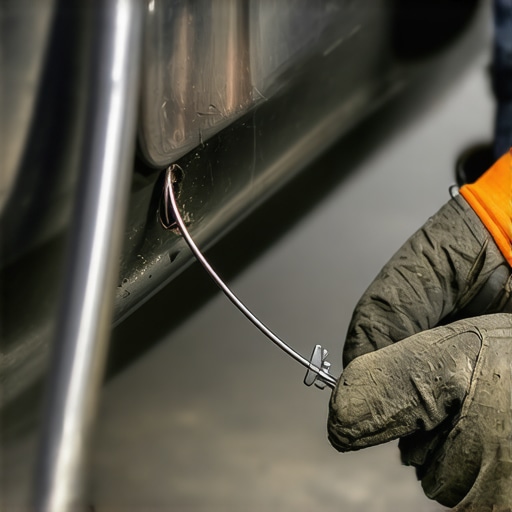
The first step is to locate the drain tube. Typically, it’s positioned near the firewall or behind the wheel wells. To access it, park your car on a level surface, turn off the engine, and open the hood or wheel well cover as needed. Use a flashlight to visually inspect the tube for debris or blockages. Gather tools such as a flexible wire, compressed air, and a drain cleaning solution. I once tackled this by using a coat hanger wire to gently dislodge leaves lodged inside, which instantly improved drainage and saved me costly repairs.
Flush Out the Clog Effectively
Start by carefully inserting a flexible wire or pipe cleaner into the tube, twisting gently to break up the clog. Avoid forcing it, as this might damage the tube. Follow up with compressed air to blow out loosened debris. For stubborn blockages, pour a mild drain cleaning solution or warm water mixed with vinegar through the opening. This helps dissolve organic matter like leaves or dirt accumulations. I recommend doing this periodically—every oil change, for instance—to keep drains clear and prevent standing water inside your vehicle.
Use Caution with Chemicals and Tools
While chemical cleaners can be effective, they may also harm rubber seals or paint. Always opt for environmentally friendly solutions and use gloves. Never use sharp objects that could puncture the drain tube. During my last fix, I used a plastic bristle brush to gently scrub the inside of the opening, which was enough to dislodge residual debris. Remember, patience and gentle techniques are key to avoiding damage.
Test the Drain for Proper Flow
Once cleared, pour water into the opening and observe if it flows freely out the bottom or into the designated drainage area. If water still pools or runs slowly, repeat the cleaning process. A quick test in my case revealed immediate improvement, saving me an entire afternoon of potential rust repairs. Regular testing after cleaning can prevent moisture buildup and long-term corrosion issues.
Maintain the Drain to Prevent Future Clogs
Implement a routine inspection schedule—every 6 months or during oil changes—to check for blockages. Clearing away leaves, dirt, and debris proactively will save you from water damage and costly repairs later. For detailed maintenance tips on vehicle systems, explore this guide on auto repair tips. Remember, a small oversight today can lead to significant damage tomorrow—stay vigilant, and your car will thank you for it.
 Many car owners operate under common misconceptions that can lead to costly mistakes. For example, the notion that a quick scan with an OBD-II reader reveals all issues is misleading. In reality, vehicle diagnostics require a nuanced approach; a single code might mask underlying problems like sensor malfunctions or electrical glitches. Advanced diagnostics, such as those detailed in this guide, can help prevent breakdowns before they happen by digging deeper than surface-level error codes.
Why do many overlook signs of brake wear even after regular service?
It’s a common myth that brake pads only need replacement when they squeal or grind. However, the reality is that subtle signs like increased stopping distances or a soft pedal can indicate issues with calipers or hydraulic systems that aren’t visible during routine inspections. Relying solely on visual cues can be dangerous; instead, comprehensive brake diagnostics, supported by professional assessments, are essential for safety and performance.
Be cautious of the trap where owners assume oil changes are simple and overlook the importance of using the right additives or synthetic blends. Misinformed choices here can accelerate engine wear or cause leaks. Technologies like advanced oil change techniques now prioritize cleaning and protection, extending engine lifespan significantly.
One advanced question often posed is: “How can I detect a failing sensor before it triggers a costly repair?” Modern vehicles are equipped with numerous sensors, and a failing one can cause issues like poor fuel economy or acceleration hesitations. Monitoring sensor data through diagnostic tools or observing subtle drivability symptoms can provide early warnings. For expert insights, visit this resource.
Remember, understanding these hidden nuances isn’t just for mechanics—it’s crucial for every diligent car owner. Regularly updated knowledge keeps your vehicle running smoothly and prevents unexpected breakdowns. Have you ever fallen into this trap? Let me know in the comments, and stay vigilant!
Ensuring Your Vehicle Runs Smoothly Over Time
Reliable vehicle maintenance hinges on using the right tools and adopting effective methods. I personally swear by a quality OBD-II scanner like the BlueDriver Bluetooth device, which connects seamlessly to my smartphone. It provides real-time diagnostics, alerts me to pending issues, and helps me interpret error codes accurately. Unlike generic scanners, BlueDriver offers detailed explanations and suggested fixes, which has saved me countless trips to the mechanic.
Another essential tool I rely on is a high-grade digital multimeter. It’s invaluable for diagnosing electrical issues, especially when checking sensors or circuit continuity. I prefer the
Beyond physical tools, adopting smart software enhances your diagnostics approach. For instance, platforms like decoding vehicle diagnostics cater to both enthusiasts and professionals, helping interpret complex data in an understandable way. As vehicle electronics become more sophisticated, integrating these digital solutions will be critical for long-term care.
How do I maintain my vehicle’s health over time?
Consistency is key. Schedule regular inspections, use quality fluids and parts, and stay updated with the latest repair techniques. For example, when it’s time for an oil change, consider advanced technologies like synthetic blends or formulations enhanced with detergents. They not only extend engine life but also improve fuel efficiency, as discussed in oil change innovations. Implementing these practices routinely ensures your vehicle remains reliable and safe.
Looking ahead, I predict that vehicle maintenance will become increasingly integrated with diagnostic AI and connected data analytics. Imagine a system that alerts you before a part fails—saving you both time and money. For now, however, using precise tools, like a trusted multimeter, combined with software insights, can make all the difference. I encourage you to try diagnosing your sensor outputs next time you’re under the hood — it’s eye-opening and can prevent costly repairs later. If you need guidance, don’t hesitate to reach out for expert advice.
Lessons from the Garage: What I Wish I Knew Sooner
- Never underestimate the power of a simple routine inspection; it can save thousands. Regularly checking your vehicle’s drainage system and other hidden parts keeps surprises at bay.
- DIY fixes, when approached with patience and proper tools, can extend your car’s lifespan. Embracing modern diagnostic tools like the BlueDriver scanner has transformed my maintenance habits.
- Always question conventional wisdom. For example, not all warning signs are obvious—sometimes, a faint smell or slight rust can indicate larger issues lurking beneath the surface.
- Investing in quality tools and learning basic diagnostics can turn you from a reactive owner into a proactive protector of your car’s health.
- Staying curious and informed about your vehicle’s systems enables better decisions and stronger confidence in repairs and maintenance.
Tools & Resources That Changed My Approach
- BlueDriver Bluetooth Scanner: Offers detailed diagnostics and real-time alerts, making complex error codes understandable even for beginners.
- Fluke 117 Multimeter: Precision electrical testing that helps identify issues before they escalate, saving time and money.
- Decoding Vehicle Diagnostics Guide: Provides insights into interpreting error codes and understanding what your car is really telling you.
- Oil Change Innovations: Introduces advanced oil technologies that protect and prolong engine life, essential knowledge for proactive maintenance.
Time to Take Action on Your Vehicle
Your vehicle is more than just a mode of transportation—it’s a complex machine that deserves regular attention and care. By applying these lessons, investing in the right tools, and staying informed, you’re taking meaningful steps toward safer, more reliable driving. Don’t wait for a breakdown to act; instead, become the owner who knows their car inside out. Ready to tackle your vehicle’s hidden issues and ensure it runs smoothly for years to come? Share your experiences or ask questions below—let’s keep the conversation rolling and your car thriving!