
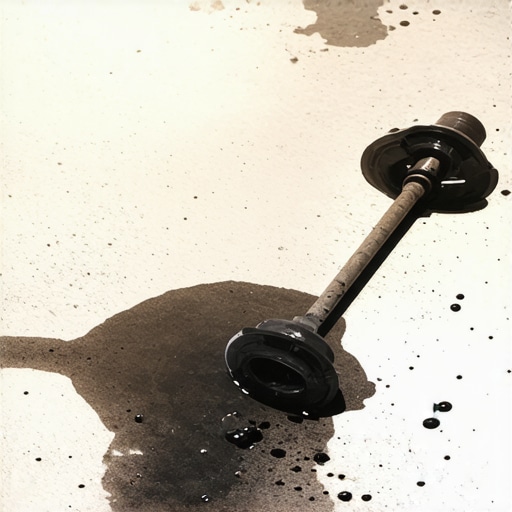
It was a Saturday afternoon when I finally decided to change my car’s oil. I laid out my tools, drained the old oil, and reached for that elusive drain plug—only to find it refusing to come out smoothly. Instead, I heard a faint crack, and suddenly, oil was seeping all over my driveway, turning my clean concrete into a greasy mess. That lightbulb moment hit me: I had forgotten to check the drain plug’s importance until it caused a real headache.
Why Is the Hidden Drain Plug Such a Common Woe?
I quickly learned I wasn’t alone in this experience. Many car owners overlook this small but mighty component because it’s tucked away out of sight, often behind other parts or under the vehicle. Yet, when it fails—like in my case—it can lead to spills, engine trouble, and a whole lot of cleanup. My driveway became a slick obstacle course, and I spent hours scrubbing oil stains, learning the hard way that ignoring the drain plug is a costly mistake.
But here’s the good news: I’ve since uncovered how to prevent this mess and keep things flowing smoothly. Today, I’ll share what I’ve learned so you won’t have to face the same frustration. From a simple inspection routine to fixing common issues, I’ll help you avoid the disaster that drained my patience—and my driveway.
Skeptical About This Being Such a Big Deal?
I get it. Some might think, “It’s just a drain plug. How bad can the problem be?” Believe me, I made this mistake early on—replacing my oil without checking that all bolts were tight, which ended in a minor oil leak. That tiny oversight turned into a weekend cleanup project, plus a sense of doubt about my auto repair skills. Separating fact from myth, I realized that small overlooked details like this can snowball into costly repairs or safety hazards.
If you’re curious whether this issue has already affected your vehicle, or if your driveway has ever become an accidental oil slick, you’re not alone. And as I discovered from an expert inside the auto repair industry, regular maintenance checks can save you money and headaches in the long run. For example, a comprehensive approach to vehicle diagnostics can prevent a spill from becoming a costly repair, as explained on RepairMyCarPro’s insightful guides.
So, are you ready to see how a simple check can save your driveway—and maybe your weekend? Let’s dive into the practical steps to inspect and maintain that tiny but vital drain plug, ensuring your car keeps running smoothly without messes or surprises.
Inspect the Drain Plug for Tightness and Wear
First, locate the drain plug beneath your vehicle, usually at the oil pan’s lowest point. Use a wrench to gently loosen it; if it turns too easily or feels loose even when tightened, signs of wear or damage are present. I once found my drain plug’s threads stripped after overtightening during a previous oil change, resulting in a slow leak that wasted several hours fixing the issue. Maintaining proper torque—usually specified in your vehicle’s manual—is crucial to prevent such problems.
Check for Damaged or Worn Gaskets
Remove the drain plug and inspect the gasket or crush washer. These tiny components create a seal to prevent leaks; if they’re cracked, flattened, or missing, oil can seep out. In my experience, replacing a worn gasket during regular maintenance saved me from unexpected messes. Always carry spare washers, especially if your vehicle is older, and replace them as part of your routine.
Assess the Drain Plug’s Threads and Condition
Look closely at the threads on both the plug and the oil pan’s drain hole. Corrosion, dirt, or stripped threads compromise the seal, risking leaks. I recall encountering a rusty drain plug that was difficult to remove, and rethreading the hole with a tap prevented future leaks and prolonged the plug’s life. Keep the threads clean, and consider applying a light coating of thread sealant if recommended by your vehicle manufacturer.
Test the Seal After Installation
Once the drain plug is tightened to the proper torque, wipe away any residual oil and check for any leaks. A simple visual inspection after running the engine for a few minutes can catch small drips before they become big problems. During my last oil change, I noticed a tiny leak that I had missed initially; tightening a bit more fixed it instantly, saving me from an oil slick on my driveway.
Proceed with Routine Checkups for Peace of Mind
Incorporate drain plug inspections into your regular vehicle maintenance schedule. Once a year or every 5,000 miles, whichever comes first, check the tightness and condition of the plug and gasket. This proactive approach is much like a brake service where preventive care keeps your vehicle safe and reliable. For comprehensive auto maintenance tips, refer to top auto repair tips that help extend your vehicle’s lifespan and keep unexpected issues at bay. Keeping your drain plug in perfect condition not only avoids oil spills but also safeguards your engine’s health, ensuring smooth performance every time you hit the road.
When it comes to auto maintenance, many car owners rely on common wisdom or quick fixes, but beneath the surface lie nuanced pitfalls that can lead to costly repairs. For example, a widespread myth is that changing oil or brakes is sufficient without considering the hidden nuances that ensure long-term vehicle health. Let’s dig deeper into some misconceptions and advanced mistakes that even seasoned drivers make, which could be costing them more than they realize.
Myth of One-Size-Fits-All Maintenance Intervals
One prevalent misunderstanding is the belief that maintenance schedules are universally applicable. While manufacturers specify intervals, these are often generic recommendations. In reality, driving conditions—like frequent short trips or heavy cargo—necessitate more frequent checks. Not adjusting your maintenance routine based on real-world usage can accelerate component wear. As highlighted in automotive expert insights, tailoring your schedule can extend your vehicle’s lifespan significantly.
Similarly, many overlook the importance of inspecting critical components beyond just the oil and brakes. For example, vehicle diagnostics involve more than reading the check engine light; they require understanding subtle signals such as irregular vibrations or slight fluid leaks, which could hint at deeper issues. Advanced diagnostics, aided by modern scanner tools, can predict failures before they happen, saving money and ensuring safety. Read more about vehicle diagnostics for comprehensive insights.
The Common Oops That Lead to Mechanical Failures
One trap many drivers fall into is neglecting the significance of proper torque during part replacements. Whether tightening lug nuts or drain plugs, applying insufficient or excessive torque can compromise seals, gaskets, or wheel studs. For instance, overtightening brake caliper bolts can warp components, leading to uneven wear or brake failure. Using a torque wrench and adhering to manufacturer specifications is critical—don’t just guess your way through it.
Another advanced mistake is ignoring corrosion and thread damage on essential parts like drain plugs or sensors. Corroded threads can prevent proper sealing or cause sensor failures, leading to inaccurate diagnostics or fluid leaks. Regularly inspecting these small but vital parts prevents unexpected breakdowns. For thorough guidance, check vehicle diagnostics decoding.
Have You Fallen Into This Trap? Let Me Know
Recognizing these nuances and avoiding common pitfalls can dramatically improve your auto maintenance routine. Remember, maintaining your vehicle isn’t just about following the manual blindly; it’s about understanding the deeper mechanics and staying proactive. By addressing the hidden details—like proper torque, thread health, and diagnostic checking—you’ll keep your vehicle running smoothly and safely for years to come. Have you ever fallen into this trap? Let me know in the comments.
Maintaining your vehicle consistently is key to ensuring it runs smoothly and avoids costly repairs down the line. Over the years, I’ve refined my toolkit and approach to auto maintenance, focusing on equipment that offers precision and durability. One indispensable tool I rely on is a high-quality mechanic’s digital torque wrench. Unlike basic analog models, my digital wrench provides exact torque measurements, which is especially crucial when tightening critical components like drain plugs or wheel lug nuts. Proper torque prevents stripped threads and leaks, saving time and money.
Why I Trust the Bosch Digital Torque Wrench
My choice is the Bosch GWB 10.8 V-LI, appreciated for its consistent readings and ergonomic design that reduces fatigue during long sessions. Paired with a set of micro-adjustable sockets, I can tackle oil changes and brake repairs with confidence, knowing each nut or bolt is tightened to manufacturer specifications. For brake servicing, I always use a brake caliper piston compressor tool—specifically, the NAPA Auto Parts Brake Caliper Tool Kit—because it’s designed to fit most models and simplifies the process of reassembling brake components.
Embracing Modern Diagnostics for Long-Term Results
Beyond manual tools, I’ve integrated advanced vehicle diagnostic software like the CarScan Pro. This device connects via OBD-II port, allowing me to read and clear error codes, monitor live sensor data, and even predict potential failures before they occur. Its real-time alerts guide me to issues like a failing oxygen sensor or a clogged catalytic converter, which significantly prolongs vehicle lifespan. Regular diagnostics are becoming essential, especially as vehicles incorporate more electronic systems.
Prediction of Where Trends Are Heading
Looking ahead, I believe the future of auto maintenance is leaning towards smarter, integrated systems. Vehicles will increasingly communicate with diagnostic apps, providing proactive alerts and even suggesting specific repair procedures. cloud-based data analysis will personalize maintenance routines, making DIY efforts more precise and less guesswork-based. With these innovations, car owners will spend less time guessing and more time confidently maintaining their vehicles.
How Do I Keep Vehicle Maintenance Stress-Free Over Time?
To stay ahead, I schedule bi-annual diagnostics and microscopic inspections of critical parts like brake pads and suspension components. Incorporating these practices with reliable tools ensures long-term durability and safety. For example, my routine includes inspecting the brake system every 10,000 miles, guided by insights from this detailed brake service guide, which has helped me avoid emergency repairs. Investing in quality tools like a digital torque wrench and modern diagnostic devices isn’t just about convenience; it’s about making every maintenance session count. So, I encourage you to try calibrating your torque wrench using manufacturer specifications, which can prevent many common issues like leaks or uneven tire wear. Small adjustments now can prevent big headaches later—trust me, your vehicle will thank you.
Lessons I Wish I Learned Sooner About Oil Changes and Auto Care
One of the most profound lessons I’ve gained is how critical attention to detail really is. It’s tempting to think that a quick oil change is straightforward, but missing small steps like tightening the drain plug to proper torque or inspecting the gasket can lead to leaks and headaches later. Another insight is the importance of trusting high-quality tools — cheap torque wrenches might save money upfront but can cause threaded damage, leading to more costly repairs. Lastly, I realized that proactive diagnostics can catch issues before they become emergencies, saving both time and money. Forewarned is forearmed, and understanding what to check beyond the manual transforms routine maintenance into a safeguard for longevity.