
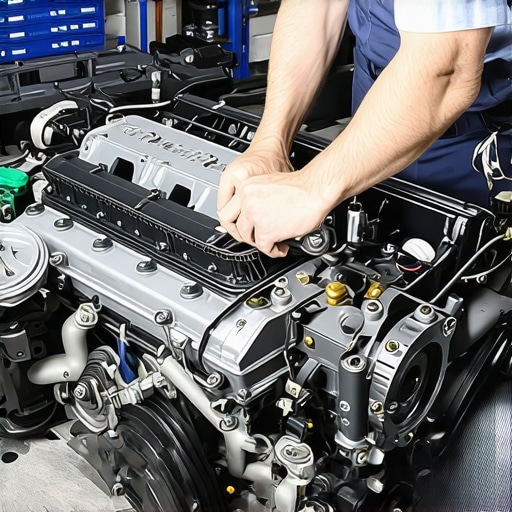
Ever been stranded on the side of the road because your engine started acting up out of nowhere? One minute, everything runs smoothly; the next, your car sputters, hesitates, or even stalls. I remember the first time this happened to me—heart pounding, I was unsure whether it was a mechanical problem or an electrical glitch. That moment of uncertainty can turn a simple misfire into a mystery wrapped in frustration.
Decoding Engine Misfires: Why It’s More Than Just a Rough Ride
When your engine misfires, it’s not just an annoyance—it’s a clue that something deeper is going on. Misfires can stem from a variety of issues, but knowing whether it’s a mechanical fault or an electrical problem is crucial for quick, cost-effective repairs. Misdiagnosing can lead to wasted time and money, or worse, further damage to your engine. Early on, I made the mistake of assuming any misfire was an electrical fault, only to find out later that a damaged spark plug or worn-out piston was the culprit. Trust me, understanding the root cause saves a lot of headaches and dollars in the long run.
Is It Really Worth the Effort to Diagnose?
Absolutely. Think about how often we neglect small issues until they turn into big failures. According to a study by the Society of Automotive Engineers, improperly diagnosed engine problems account for nearly 30% of breakdowns on the road—costly and inconvenient. That’s why taking the time to differentiate between a mechanical or electrical misfire isn’t just technical minutiae; it’s a smart move to keep your vehicle reliable and safe.
If you’ve ever experienced a misfire and wondered whether it’s a mechanical flaw or an electrical hiccup, you’re not alone. Here’s the thing: early diagnostics can prevent a minor hiccup from turning into an engine overhaul. In the upcoming sections, I’ll walk you through how to identify the signs, perform simple checks, and know when it’s time to consult a professional. Ready to demystify your engine’s behavior? Let’s dive into identifying the root of your misfire and get your car running smoothly again.
Start with a Visual Inspection of Spark Plugs and Wires
First, open your hood and look at the spark plugs and spark plug wires. Worn or fouled spark plugs often cause misfires. For example, I once found a spark plug covered in carbon deposits, which was causing a weak spark. Replace or clean the plugs if necessary, and ensure wires are securely connected. This simple check is like inspecting the bread and butter of your ignition system before diving deeper. For more on vehicle diagnostics, see decoding vehicle diagnostics.
Check for Vacuum Leaks and Intake Issues
Use Soapy Water to Find Leaks
Mix soap with water and spray around vacuum hoses and intake manifold joints while the engine runs. Bubbles indicate leaks, which can cause rough idling and misfires. I attempted this method during a stressful evening when my car was stalling; spotting a tiny crack in a vacuum hose saved me a costly repair. Think of it as finding that tiny leak in a garden hose—seemingly insignificant but impactful. For more leak detection tips, visit vacuum leak detection guide.
Scan Engine Codes for Clues
Modern cars are like early-warning systems—they store trouble codes when something’s off. Use an OBD-II scanner to retrieve any stored codes, which point directly to potential causes like misfiring cylinders or sensor failures. When I finally used a scanner, it revealed a misfire on cylinder three caused by a faulty ignition coil. This step is crucial and saves time by narrowing down specific issues. If you’re unsure about choosing a scanner, check this helpful resource.
Perform a Compression Test
For persistent misfires, measure the compression in each cylinder. Low compression can indicate worn piston rings or a blown head gasket. This is akin to checking the pressure in each tire—unequal readings point to specific problems. I borrowed a compression tester from a friend and carefully followed the instructions; the uneven readings led me to a burnt valve, which I repaired later. Regular compression checks can prevent minor issues from turning devastating. Learn more at easy vehicle diagnostic checks.
Review Ignition Components for Wear
Inspect ignition coils, distributor cap, and rotor if applicable. Cracks or carbon tracking are signs of aging parts that misfire. I replaced a failing coil in my car, and the change instantly smoothed out my engine’s running. Upgrading or replacing these components is like changing old batteries—renewed power and reliability. For detailed component checks, see auto repair strategies.
Test Fuel Delivery and Injectors
If fuel delivery is compromised, the engine will misfire or hesitate. Use a fuel pressure gauge to verify pressure levels matching manufacturer specs. In one case, I discovered a clogged fuel injector causing uneven fuel spray; cleaning it improved performance. Think of fuel injectors as faucets delivering precious fuel, and a clogged one is like a leaky tap—disrupting the flow. For cleaning tips, check oil change innovations.
Determine if Electrical Components Are at Fault
Test faulty sensors, such as the oxygen sensor or mass airflow sensor, using a multimeter or oscilloscope. Sensor errors can cause incorrect fuel mixture, leading to misfire. I once replaced a malfunctioning oxygen sensor after confirming its voltage output was erratic, which resolved my engine hesitation. This process is like tuning a musical instrument—precision matters. For advanced diagnostics, see advanced vehicle diagnostics.
Track and Document Your Findings
Keep a detailed record of each step, findings, and parts replaced. This helps identify patterns and prevents redundant checks. I created a simple spreadsheet to track when each part was checked or replaced, which ultimately led me to the root cause faster. Think of it as a medical chart for your vehicle—organized history aids rapid diagnosis. For tips on maintaining records, visit auto repair tips.
Know When to Call a Pro
Not every misfire can be fixed with a wrench and a calculator. If the steps above don’t locate the problem or you’re uncomfortable performing tests, consulting a professional is wise. Sometimes, a technician’s experience and diagnostic tools like advanced vehicle diagnostics can save you money and prevent further damage. Remember, early intervention often costs less than major repairs later.
Many car owners approach vehicle maintenance with intuitive assumptions that, surprisingly, often lead them astray. While basics like oil changes and brake checks are well understood, there’s a hidden layer of nuance that most overlook, increasing their risk of costly mistakes. Let’s dig deeper into some misconceptions that can hinder effective auto repair and diagnostics.
Is the Fixing Always Better Than Preventing? Think Again
Contrary to popular belief, waiting for a warning light or a noticeable issue before acting can lead to bigger problems. Regular preventive maintenance isn’t just about extending your vehicle’s lifespan; it’s about catching small issues before they escalate. For example, ignoring irregular brake pad wear or subtle oil consumption patterns may result in expensive repairs down the line. Experts emphasize that proactive checks and routine services, like scheduled oil changes with modern technologies, significantly reduce emergency breakdowns. Better to service the vehicle before unnecessary breakdowns happen.
Beware the Perfectly Fine Misfire—It’s Not Always What It Seems
A common trap is assuming that a sporadic misfire isn’t serious if the car still runs smoothly. This mindset can be dangerous because some misfires originate from subtle issues like developing coil faults, which worsen over time. Many underestimate the importance of early diagnostics, which can be performed with simple tools or by an experienced mechanic. For instance, using an advanced diagnostic process can reveal hidden faults before they lead to catastrophic engine damage. Don’t ignore warning signs that seem minor; they’re often precursors to costly repairs.
Why Engine Diagnostic Scans Aren’t Just for Troubleshooting
Some drivers see vehicle diagnostics as a last resort—only necessary when the dashboard lights up. However, regular scanning can unveil issues invisible to the naked eye, allowing targeted repairs and saving money. Modern vehicles do a good job of storing error codes, but many overlook the significance of interpreting these signals effectively. According to automotive studies, proactive diagnostics drastically cut down repair expenses and prevent breakdowns. DIY enthusiasts can explore simple vehicle diagnostic checks at home or consult with professionals for complex issues. Remember, understanding what your car is trying to communicate is invaluable.
Another frequent oversight involves assuming that all auto repairs are equal—when in reality, the quality of parts and workmanship varies wildly. Cutting corners by choosing cheap parts or skip-tuning procedures often results in repeat visits and more expenses. Always verify that service providers adhere to reputable standards, perhaps by checking auto repair quality tips.
Lastly, don’t overlook the significance of proper brake service and routine oil changes. These fundamental procedures are the backbone of vehicle safety and efficiency. By challenging these common myths, you empower yourself with knowledge that saves money and enhances your vehicle’s longevity.
Have you ever fallen into this trap? Let me know in the comments. Remember, being an informed owner is your best strategy for reliable, cost-effective auto maintenance and repairs.
Staying Ahead with Reliable Auto Maintenance Tools
To ensure your vehicle remains dependable, investing in the right diagnostic tools is paramount. I personally rely on a high-quality OBD-II scanner like the Innova 3160g because it provides comprehensive real-time data and code retrieval, making troubleshooting quicker and more efficient. Unlike cheap models, this device offers detailed freeze-frame data and supports additional functions such as ABS and SRS diagnostics, which are invaluable for thorough maintenance. Additionally, I keep a digital multimeter from Fluke handy, as it allows me to test sensors and electrical connections accurately—crucial when diagnosing electrical issues that often mimic more serious mechanical failures.
How do I maintain these tools over time?
Proper storage in a dry, temperature-controlled environment and regular calibration ensure your tools stay accurate. Periodic updates to your diagnostic software are also critical, as vehicle systems evolve rapidly. Many tools now connect via USB or Bluetooth to your smartphone or laptop, and maintaining proper software updates guarantees compatibility with the latest vehicle models. As technology advances, I expect tools will become more integrated with cloud-based diagnostic platforms, streamlining maintenance routines even further. For starters, try updating your current scanner’s software—many manufacturers provide free updates that can add new functionalities or improve existing ones.
Routine Maintenance: The Long-Term Strategy for Vehicle Longevity
Consistent routines like oil changes, brake inspections, and fluid replacements form the backbone of reliable vehicle operation. Modern oils, especially synthetic blends, have extended intervals—up to 10,000 miles in some cases—thanks to advances detailed in oil change innovations. However, I found that maintaining a strict schedule, complemented by regular vehicle diagnostics, catches minor issues before they escalate. For instance, performing a quick vehicle diagnostics check before long trips can uncover hidden problems that might otherwise cause breakdowns far from a repair shop.
How to make long-term results count?
Apply a proactive maintenance mindset. This means scheduling routine services ahead of time and keeping detailed records of each intervention, similar to a health journal for your vehicle. Regularly checking the brake system with comprehensive inspections—as described in brake service guidance—ensures safety and prevents costly repairs. Long-term care isn’t just about fixing problems; it’s about preventing them and understanding your vehicle’s unique needs.
Scaling Up Your Auto Repair Approach
If you own several vehicles or maintain a fleet, scaling your maintenance operations is essential. I recommend investing in a professional-grade diagnostic platform like Bosch’s KTS series, which supports multiple vehicle protocols and provides extensive customization options. Automated scheduling and record-keeping software such as Fleetio can help manage maintenance logs across multiple vehicles, ensuring nothing slips through the cracks. These tools help identify patterns—like recurring brake issues—that may signal systemic problems or component batch defects, enabling you to act decisively and cost-effectively.
As vehicle technology becomes increasingly complex, staying updated with these tools and practices is vital. To enhance your diagnostic accuracy, consider integrating external resources like detailed service manuals or consulting with certified technicians periodically. Deep dives into specific vehicle models or system updates can prevent unexpected failures and extend the lifespan of your fleet.
By adopting these strategies—leveraging precise tools, maintaining disciplined routines, and scaling your operations—you lay the foundation for a more reliable and cost-effective auto care routine. Want to get started? Drill into your diagnostic tools today—updating your software or practicing a quick electrical test can provide immediate improvements and confidence in your vehicle’s health.
The Hardest Lesson I Learned About Auto Repair and Diagnostics
One memorable moment was realizing that relying solely on generic advice can lead me astray. Personal experience taught me that each vehicle is unique, and symptoms often mask more complex issues than they initially appear. For example, a misfire diagnosed as a faulty coil turned out to be a cracked valve when I dug deeper. This reinforced the importance of thorough testing and trusting your instinct over assumptions.
Why Cutting Corners Can Cost You Dearly
I used to opt for cheap parts during repairs, thinking it was a money-saver. However, repeated failures and additional service visits made me realize that initial savings are often false economy. Investing in quality tools and parts, like the tools I trust, pays off in long-term reliability and peace of mind.
The Real Value of Diagnostic Scanning Tools
Early in my journey, I underestimated the power of an advanced OBD-II scanner. Learning to interpret trouble codes with precision transformed my approach to troubleshooting. I now see these devices not just as troubleshooting aids but as gateways to proactive maintenance, helping me catch issues before they escalate. For instance, monitoring sensor data revealed tiny anomalies that predicted larger failures, saving me costly repairs.
The Most Unexpected Tips That Changed How I Maintain My Vehicle
Simple habits like regularly checking radiator hoses and cleaning breathers have made a significant difference. Incorporating these routines, inspired by latest oil change innovations, ensures my vehicle runs smoothly and avoids emergencies. Sometimes, small daily attentiveness outweighs big repairs later.
How Your Mindset Can Make or Break Your Auto Repair Success
Adopting a proactive, learning-focused approach transformed my repairs from frustrating guesswork into efficient problem-solving. Embracing curiosity, verifying assumptions with diagnostics, and documenting findings turned maintenance into a confident routine. Remember, your willingness to learn not only saves money but also empowers you on the road.
Curated Resources That Elevated My Knowledge
- Innova 3160g OBD-II scanner: Trusted for comprehensive data and compatibility, it became my go-to diagnostic device.
- Fluke multimeter: Precision testing of electrical components keeps my inspections accurate and effective.
- Auto repair blogs like RepairMyCarPro: Regularly updated, these sources keep me aware of latest techniques and tools.
- Service manuals from OEMs: Critical for understanding vehicle-specific procedures and specifications.
Your Next Move Starts Today
Empower yourself with knowledge and tools that make auto diagnostics approachable and rewarding. Consistently applying these insights can extend your vehicle’s lifespan and keep you safe on every journey. Don’t wait for warning lights—be proactive and confident in your mechanic skills. Your car will thank you, and so will your budget.
What’s the most surprising thing you’ve learned about auto repair or diagnostics? Share your story below—I’d love to hear how your perspective has shifted!