
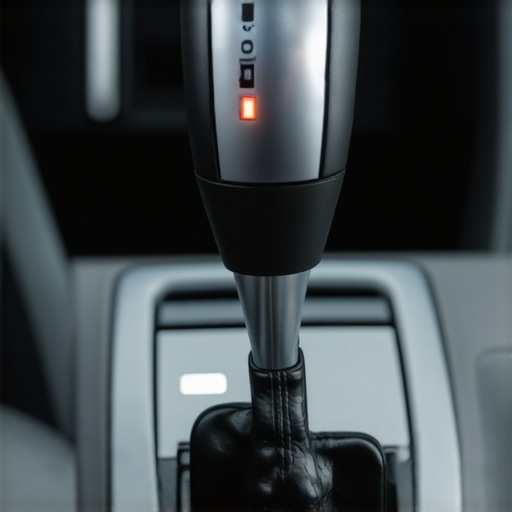
It was just another Saturday when I realized my car was behaving oddly during a quick trip to the grocery store. Shifting from first to second gear felt rougher than usual, and suddenly, my automatic transmission wouldn’t shift smoothly anymore. No warning lights blinking on the dashboard. Just a nagging feeling that something was seriously off. It’s frustrating when your vehicle develops quirks that aren’t obvious, especially when they seem to come out of nowhere.
Why Ignoring Subtle Transmission Hiccups Can Cost You Big Time
Many drivers brush off minor transmission issues, thinking they’ll fix themselves or aren’t urgent enough to worry about. But here’s the truth — certain sensors can malfunction, causing your transmission to slip or shift poorly without triggering a warning light. I’ve been there, making the mistake of delaying a diagnostic check, only to face more costly repairs later. Early detection makes a world of difference, especially when it involves sensors that influence shifting but stay silent about their issues.
Is Your Shifting Problem Just a Rough Patch or Something Serious?
I’ve learned the hard way that assuming your transmission is fine just because no warning light appears can be a costly mistake. One early misstep I made was ignoring a slight delay in gear engagement, thinking I just needed an oil change. That oversight nearly led me to replace the entire transmission—an expense I could have avoided with a quick check. Sensor issues can be sneaky; they hide behind normal dashboard signals, making it easy to overlook their significance. Studies show that timely vehicle diagnostics can prevent up to 70% of major breakdowns, emphasizing the importance of understanding these hidden problems (source: [repairmycarpro.com](https://repairmycarpro.com/how-advanced-vehicle-diagnostics-prevent-costly-breakdowns)).
Now, let’s dive into what’s really happening under the hood and how you can prevent this frustration from turning into a costly repair adventure. I’ll share tips based on my experience and expert advice, so you won’t be left stranded wondering what’s wrong with your car.
Identify the Faulty Sensor with Basic Checks
Start by observing your vehicle’s behavior—slow shifts, slipping, or unresponsive gears—these clues hint at sensor problems. Use an OBD-II scanner to retrieve error codes; codes like P0700 or P0715 often point to transmission sensor faults. I once borrowed a scanner from a friend and connected it in my driveway; the error code revealed a faulty input shaft speed sensor, confirming my suspicion and guiding my repair plan.
Access and Inspect the Transmission Sensors
Locate sensors such as the transmission fluid temperature sensor and vehicle speed sensor. Consult your vehicle’s service manual or repair website for precise locations. Carefully disconnect the sensor connector, then inspect for corrosion, dirt, or damaged wiring. Remember, a visual check can save you time before deciding on replacements. I once found corrosion on the connector pins, which I cleaned with contact cleaner, temporarily resolving shifting issues.
Replace or Repair the Sensor
If the sensor appears damaged or tests faulty, proceed with replacement. Use the manufacturer’s recommended part; inferior substitutes can cause ongoing problems. Disconnect the electrical connector, remove the mounting bolt, then carefully extract the sensor. Install the new sensor by reversing these steps, ensuring proper seating. Tighten to manufacturer torque specs to prevent leaks or dislodgement. After installation, reconnect the battery and clear error codes with the scanner.
Test Drive and Confirm Repair
Start the engine and shift through all gears to verify smooth operation. Use your scanner to check whether error codes reappear. A successful fix will typically yield no new codes and a more responsive gear shift. I once repaired a transmission sensor, took my car for a test drive, and felt the difference immediately—no more jerks and hesitation, saving me from costly transmission overhaul.
Prevent Future Sensor Failures with Proper Maintenance
Regularly check transmission fluid levels and condition—dirty or low fluid accelerates sensor and component wear. Follow vehicle-specific oil change intervals, and consider using products designed to extend sensor lifespan. For comprehensive tips, see top auto repair tips to extend your vehicle’s lifespan. Staying proactive avoids unexpected breakdowns and preserves vehicle performance, especially if you’re routinely driving in harsh conditions.
Even seasoned car owners often get blindsided by misconceptions about essential services like oil changes, brake inspections, and diagnostics. Many believe that sticking to the manufacturer’s recommended intervals guarantees vehicle longevity, but that’s only part of the story. For instance, relying solely on mileage or time without considering driving habits can lead to overlooked issues. Aggressive driving, frequent short trips, or driving in harsh conditions accelerate wear and tear, meaning your car needs more attentive care than just ticking service boxes. Ignoring these nuances can cause minor problems to snowball into costly repairs, like engine damage or brake failure.
A common myth is that synthetic oils last forever, but in reality, they also break down over time, especially under extreme conditions. Using them beyond their effective life can lead to increased engine wear, contrary to popular belief. Similarly, many assume that brake pads only need replacement when they squeal—yet, thin pads or warped rotors might not make noise but can drastically impair braking performance. Regular checks and understanding the signs of wear are crucial, rather than waiting for symptoms to appear.
When it comes to vehicle diagnostics, many drivers think they’re sufficient with basic codes pulled from generic scanners. However, advanced diagnostic tools reveal nuanced issues—like subtle sensor faults or early-stage mechanical wear—that generic scans might miss. Skipping sophisticated diagnostics can cause you to overlook problems until they manifest as sudden breakdowns or accidents. Investing in comprehensive diagnostics, especially after warning signs or irregular performance, can save thousands and ensure safety.
A trap many fall into is believing that repairs are always straightforward. But the reality is that every vehicle has its quirks, and improper fixes can lead to more damage or recurring problems. For example, using incompatible parts during repairs or neglecting to follow manufacturer service protocols can compromise safety and vehicle longevity. Always consult experienced professionals who use data-driven diagnostics and quality parts—this is crucial for problems that appear minor but are symptoms of bigger issues.
What Best Practices Ensure Long-Term Vehicle Performance?
Understanding the complex interplay between components, and recognizing signs of early failure, is essential. Regularly reviewing detailed maintenance schedules, being aware of your driver’s manual recommendations, and staying informed about technological updates help maintain your vehicle’s health. Also, leveraging advanced diagnostics, like those explained in this guide, can uncover hidden issues before they escalate.
Don’t forget that proper maintenance isn’t just about avoiding breakdowns—it also enhances driving comfort and fuel efficiency. For example, timely brake service, as detailed here, ensures safety and cost-effectiveness.
Have you ever fallen into this trap? Let me know in the comments, so we can learn from each other’s experiences. Remember, staying proactive and informed is the key to a smoother, safer ride.
Tools I Depend On to Keep My Car Running Smoothly
Maintaining a vehicle over time requires precision and the right equipment. I personally swear by my diagnostic scanner, the Autel MaxiSYS. It’s not just for reading error codes; it allows me to access live data streams, perform actuation tests, and reset service indicators. This comprehensive view helps catch issues like faulty sensors or electronic glitches early, preventing costly repairs down the road. I also rely on a high-quality digital multimeter, such as the Fluke 115, which provides accurate readings for electrical components—vital when diagnosing sensor faults or wiring problems. For fluid checks, I keep a UV dye tester and a fluorescent UV flashlight handy. This combo allows me to detect leaks in brake fluid, coolant, or transmission fluid systems swiftly, especially since many leaks are hidden behind panels or within engine bays.
Embracing Technology to Extend Vehicle Life
Software tools like auto repair apps are becoming indispensable, offering maintenance schedules tailored to your vehicle model and driving habits. I use Mitchell 1 software for detailed repair guides and technical service bulletins, which help me understand manufacturer-specific nuances. Staying updated with latest OEM specifications ensures my repairs are precise and durable. Prediction for the future points toward AI-powered diagnostics that will analyze vehicle data in real-time, predict failures before they happen, and even recommend proactive maintenance steps.
How do I maintain diagnostic accuracy over time?
Regular calibration of my diagnostic tools is essential. After every few months of heavy use, I verify my scanner’s readings against known reference points or professional diagnostic centers. Using advanced vehicle diagnostics ensures I don’t overlook subtle issues that could escalate. Combining advanced tools with routine manual inspections—like inspecting wiring harnesses or fluid levels—preserves my vehicle’s longevity. I also follow manufacturer guidelines closely, as outlined in these essential auto repair tips.
Scaling Maintenance Efforts as Your Vehicle Ages
Over time, I shift from reactive repairs to a preventive approach, scheduling regular diagnostics and sensor checks. For example, I plan seasonal fluid exchanges and sensor inspections to prevent unpredictable breakdowns. Investing in quality tools and software pays off—saving hundreds or even thousands by avoiding major repairs. As vehicle technology advances, integrating newer diagnostic platforms that communicate with the vehicle’s ECU through OBD-II or CAN bus systems becomes crucial. This trend is only going to accelerate, making familiarity with these tools a valuable skill for any serious car owner.
Experience the difference: Try testing your sensors with UV dye this week
Detect hidden leaks early and save yourself from costly repairs. Proper maintenance includes using these specific tools to analyze fluid leaks, electrical issues, and sensor failures. For personalized advice or to schedule a comprehensive diagnostic check, visit our contact page. Remember, being proactive with your vehicle’s diagnostics and maintenance tools ensures it keeps working reliably year after year.
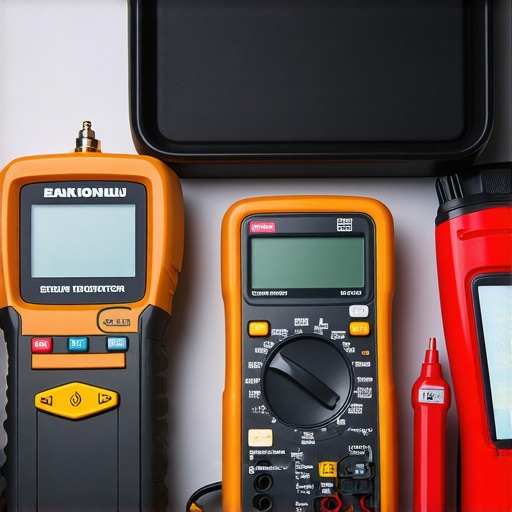
Over the years, I’ve uncovered some truths about maintaining your vehicle that keep surprising even seasoned drivers. One of the most impactful lessons I learned is that complacency often comes at a high cost. It’s incredible how subtle sensor faults can sneak past intuitive checks, leading to major repairs if overlooked. For example, early on, I dismissed slight hesitation during shifts, thinking it was just normal wear, only to realize later it was a warning sign that I missed. This experience emphasized to me the importance of listening to my vehicle’s quiet signals and acting promptly. Additionally, I discovered that investing in the right diagnostic tools and knowing where to look saved me countless hours and dollars. Don’t wait for flashy warning lights—trust your instincts and equip yourself with knowledge and reliable tools to stay ahead. These insights have transformed how I approach vehicle care and can do the same for you, reducing breakdowns and prolonging your car’s lifespan.