
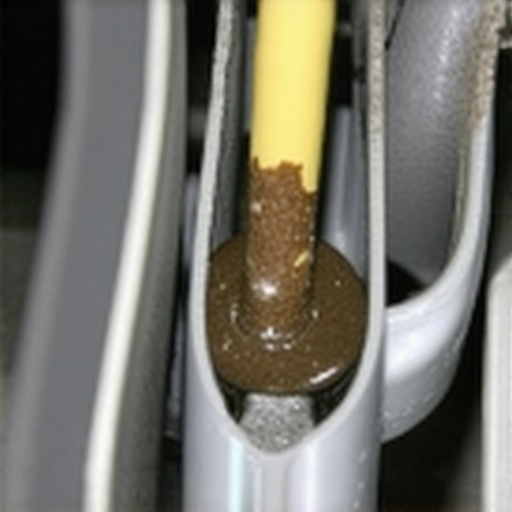
I remember the moment vividly: I popped the hood, expecting a straightforward oil check, only to see that *clean* dipstick hide a secret. A dark, greasy sludge lurking just behind what seemed like a clean surface. That lightbulb realization hit hard—what if my engine’s health wasn’t as pristine as the gauge read? Turns out, many drivers overlook this silent problem, risking costly repairs later on.
Why You Should Care About That Mysterious Sludge Behind Your Dipstick
Engine oil is the lifeblood of your vehicle; it lubricates, cools, and keeps everything running smoothly. But, over time, contaminants like dirt, metal particles, and combustion byproducts can accumulate into a thick sludge, often hidden beneath the surface of what appears to be clean oil. This buildup isn’t always visible on the dipstick, especially if you’re not inspecting thoroughly, but it can severely impact engine performance and longevity. Regular oil checks might tell you your oil level, but they don’t reveal the full story—a sludge that’s quietly chipping away at your engine’s health. As I learned early on, ignoring this problem was a mistake. Rushing through a quick oil change without considering sludge buildup can sabotage your engine’s efficiency. For more insights on maintaining your engine’s health, I recommend checking out [auto repair hacks to save money without sacrificing quality](https://repairmycarpro.com/auto-repair-hacks-save-money-without-sacrificing-quality). It’s surprisingly easy to detect and address, but most drivers miss the signs. Understanding this invisible threat has transformed how I approach vehicle maintenance. Instead of just looking at the dipstick to check oil level, I now consider its consistency and look for signs of sludge—like a gritty texture or dark, sticky deposits. Addressing this early can prevent engine failures and extend your vehicle’s lifespan. If you’ve ever experienced sluggish acceleration, strange engine noises, or increased fuel consumption, sludge could be a culprit. Don’t wait until your engine gives out—being proactive can save you hundreds or even thousands in repairs.
Is Dirt and Sludge Really This Big of a Deal?
Trust me, I made this mistake early on — ignoring the significance of what lurks behind that ‘clean’ oil surface. I thought a quick oil change was enough, until I noticed the engine was running rougher than usual. That’s when I learned about the importance of thorough engine cleaning and diagnostics. You might be skeptical—”Isn’t regular oil change enough?”—but the truth is, contaminants can accumulate even with regular oil changes if you’re not vigilant. For a more detailed understanding of how this process works, you can explore [decoding vehicle diagnostics and understanding what your car is trying to tell you](https://repairmycarpro.com/decoding-vehicle-diagnostics-what-your-car-is-trying-to-tell-you). Recognizing the signs early allows you to take action before it’s too late, safeguarding your engine’s health and your wallet.
Start with a Visual Inspection of Oil and Dipstick
Before diving into complex diagnostics, open the hood and check the oil visually. Remove the dipstick and wipe it clean, then dip it back in and examine the oil. Look for dark, you-know-what—a gritty, sticky residue that indicates sludge buildup. I vividly remember the first time I performed this; my oil looked fine on top but revealed a thick layer of grime underneath, signaling the need for a cleaning procedure. This quick check can prevent costly engine damage down the line.
Perform a Comprehensive Oil Change
Use high-quality oil filters and the right grade of oil recommended by your vehicle manufacturer. When you’re due for an oil change, prioritize a full flush if sludge is suspected, because residual contaminants can hide underneath fresh oil. I once scheduled an oil change for my truck and decided to upgrade to synthetic oil, which helped in breaking down and flushing out the sludge more effectively. Remember, innovations like oil change technologies that save your engine are now easier to access—check here for more insights.
Use Advanced Diagnostics to Detect Hidden Buildup
Equipment like vehicle diagnostic scanners can reveal engine performance issues caused by sludge. Think of diagnostics as a health check-up—just as you visit a doctor for a thorough exam, your car benefits from specialized tools that can identify problems you can’t see. I used advanced diagnostics when my engine was running sluggish despite regular oil changes, revealing a buildup clogged in the oil passages. This step is crucial for early intervention and avoiding serious repairs.
Apply Engine Flushes for Deep Cleaning
Engine flushes are chemical treatments designed to circulate through your engine and dissolve stubborn sludge. When my engine started misfiring, I opted for a professional flush, which involved draining the old oil, adding a cleaner, running the engine, then draining everything out. The process leaves your engine cleaner and helps restore efficiency. Be cautious with this step; not all engines tolerate chemical flushes equally. For expert advice, explore engine flush considerations.
Inspect and Clean Oil Passages Manually
For a thorough cleaning, removal and manual cleaning of oil passages may be necessary. This is a more advanced step—often performed by professionals—where the technician disassembles parts to access clogged channels. I once watched a mechanic carefully remove the oil pan, clean it with a degreaser, then reassemble. This labor-intensive task can drastically improve oil flow and engine health. Always seek expert help for this level of cleaning to avoid accidental damage.
Regular Monitoring and Preventative Measures
After clearing sludge, ongoing vigilance is key. Regular oil checks, using the right grade, and timely oil changes prevent future buildup. Consider using fuel additives that help in cleaning engine components, and stay consistent with maintenance schedules. An ounce of prevention is worth a pound of cure—I’ve learned this through my own experiences maintaining my car’s longevity, avoiding the expense of deep cleaning down the road.
Many car owners believe that sticking to routine services like oil changes and brake inspections suffices to keep their vehicles in top shape. However, this misconception often leads to overlooked nuances that can significantly impact car health and safety. For instance, a common myth is that vehicle diagnostics are only necessary when warning lights appear on the dashboard. In reality, advanced diagnostics can preemptively identify issues such as hidden engine misfires or subtle sensor failures, helping you avoid costly breakdowns. Relying solely on visual inspections or basic metrics can trap drivers into ignoring underlying problems — think of it like checking the surface of your skin without considering internal health. Instead, investing in experienced diagnostic tools and knowledge can make a difference. But beware of the trap of superficial diagnostics; many overlook the importance of understanding how sensor data interacts with your vehicle’s systems, leading to incomplete assessments.
Why do some diagnostic results seem confusing even after a test?
Advanced diagnostic systems integrate multiple data points, and interpreting these requires not just technical skill but also an understanding of vehicle behavior. Research by automotive experts indicates that misinterpreting diagnostic codes can lead to unnecessary repairs or overlook critical issues, emphasizing the need for expert analysis. For example, a misdiagnosed sensor fault might lead you to replace parts unnecessarily, wasting money and time. When considering brake service or oil changes, it’s vital to recognize that these are just parts of a broader maintenance ecosystem. Using innovations like engine flushes or synthetic oils can improve engine longevity but should complement, not replace, thorough diagnostics. For comprehensive strategies on auto repair, consider consulting authoritative guides or professional services who utilize the latest auto repair strategies.
Moreover, many drivers underestimate the importance of manual inspection alongside electronic diagnostics. Visual checks for leaks, wear, or unusual noises can provide clues that sensors might miss. Combining these methods leads to a more accurate assessment and efficient repairs. Have you ever fallen into this trap? Let me know in the comments. Ultimately, understanding that diagnostics are a nuanced science — not just a quick code read — is key to smarter, safer vehicle maintenance. Whether you’re tackling brake service, oil changes, or complex repairs, investing in this knowledge can keep your car running smoothly for years to come.
Equip Yourself with the Right Tools for Reliable Auto Care
Maintaining your vehicle over time demands more than just regular trips to the mechanic; it requires the right tools and a bit of DIY knowledge. From diagnostic scanners to specialized cleaning products, investing in quality equipment not only helps you catch problems early but also extends your vehicle’s lifespan. I personally swear by a few key gadgets that have saved me hundreds of dollars and provided peace of mind during roadside emergencies and routine maintenance.
Choosing the Perfect Diagnostic Scanner
One of my most valuable investments has been a Bluetooth-enabled OBD-II scanner paired with diagnostic software like Torque Pro. This combo allows me to quickly read and clear error codes, monitor sensor data in real-time, and catch potential issues—like a failing oxygen sensor or a misfiring cylinder—before they turn into costly repairs. I use it monthly, especially after long trips, to ensure everything runs smoothly. Technologies are rapidly evolving; future models will likely incorporate AI-driven insights, making diagnostics even smarter and more accessible for DIYers.
Reliable Mechanical Tools for Deep Maintenance
For mechanical work like oil changes and brake repairs, high-quality socket sets, torque wrenches, and specialty screwdrivers are essential. Personally, I prefer a digital torque wrench, which provides accurate tightening specifications—crucial for components like wheel lug nuts or cylinder head bolts. Using well-made tools minimizes slip and damage, ensuring jobs are done professionally without needing a trip to the shop. As the industry leans toward cordless power tools, I believe brushless electric impact wrenches will dominate future auto repairs for their efficiency and longevity.
Preventative Maintenance with Chemical Products
Keeping engine components clean is vital for performance. I rely on engine flushes and fuel system cleans that are compatible with modern direct-injection engines. These products dissolve sludge and carbon deposits, maintaining optimal flow and combustion. For example, I use an engine flush before oil changes, as recommended in innovations in oil change tech, to enhance engine longevity. Next-gen compounds will probably incorporate nanotechnology for even deeper cleaning and corrosion protection.
How do I maintain tools over time? Saving your equipment for years requires proper care—cleaning, lubrication, and keeping them in organized storage. Regular calibrations for electronic devices ensure accuracy, while replacing worn-out bits or batteries keeps your tools reliable. Investing in a quality toolbox with foam inserts helps prevent damage and loss. Tech trends suggest that modular, smart toolkits with Bluetooth diagnostics and IoT functionality will soon become household staples, further simplifying maintenance routines.
Being proactive by using advanced tools not only makes repairs easier but also equips you to handle emergencies confidently. Take the time to select high-grade diagnostic scanners and durable mechanical gear; these investments pay off through improved vehicle health and safety. If you’re ready to step up your maintenance game, try integrating a comprehensive diagnostic scanner into your routine—it’s a game-changer for early problem detection and long-term vehicle care.
Lessons I Wish I Learned About Engine Maintenance
One of my biggest lightbulb moments was realizing that a clean-looking dipstick can hide a hidden enemy—sludge buildup. It taught me the importance of inspecting oil consistency, not just levels, which can alert you to hidden issues before they cause real damage. Another lesson was understanding that routine oil changes aren’t enough; incorporating engine flushes and manual cleaning of oil passages can save you from costly repairs down the line. Trust me, neglecting advanced diagnostics led me to overlook subtle engine warning signs that could have been caught early with proper tools. Lastly, investing in reliable diagnostic equipment transformed my approach—small investments in quality tools made all the difference in maintaining engine health and extending vehicle lifespan.
Tools and Resources That Changed My Auto Care Routine
My most trusted resource is a Bluetooth-enabled OBD-II scanner combined with diagnostic apps like Torque Pro. It provides real-time data and helps me catch issues like misfires or sensor failures early. For deep cleaning, I use engine flushes from reputable brands—these products effectively dissolve stubborn sludge and improve engine longevity. I also rely on comprehensive guides like auto repair strategies for frequent drivers, which offer practical advice tailored for DIY enthusiasts. Finally, high-quality mechanical tools such as digital torque wrenches and impact wrenches are indispensable for ensuring repairs are done safely and correctly. These tools and resources are the backbone of my proactive maintenance approach, helping me avoid unplanned breakdowns and costly repairs.
You’re Ready to Elevate Your Vehicle Maintenance Game
Taking control of your auto care with smarter diagnostics and preventive strategies is empowering. Remember, understanding the nuances behind engine sludge and hidden buildup can save you hundreds—maybe thousands—in repair costs. Start small: perform visual inspections regularly, invest in essential tools, and stay informed through trusted resources. Your vehicle will thank you with smoother performance and longer lifespan. It’s time to stop ignoring the subtle signs and become the vigilant owner your car deserves. Ready to make maintenance easier and more effective? Your journey toward auto mastery begins now.