

It was one of those mornings where I had just finished a quick oil change, feeling confident about my trusty car’s health. But then, as I backed out of my driveway, a suddenly piercing high-pitched squeal sliced through the silence. My first instinct was to ignore it—maybe it was just the belt slipping. But then, as I pressed the brake pedal, the squeal vanished as if it had never been there. That moment stuck with me. Why did my car scream at me only to disappear when I applied the brakes?
Unraveling the Mystery of the Vanishing Squeal
This common, yet perplexing issue is more than just an annoyance; it can be a sign of underlying brake system problems that, if left unchecked, might lead to costly repairs or safety hazards. Having faced this myself early on, I learned that the squeal often comes from brake pad wear indicators, rusty components, or even misaligned calipers. But identifying the root cause requires more than just guesswork. Today, we’ll dive deep into what causes this high-pitched noise and, more importantly, how to diagnose and fix it before it turns into something serious.
Is That Squeal Really Worth Worrying About?
I remember my initial skepticism—thinking it was just a minor squeak and nothing to fret over. My mistake was dismissing the sound without proper inspection. Early on, I learned that ignoring such signs can lead to uneven brake wear or ruined rotors. It’s always better to diagnose the issue early; for reliable tips on maintaining your brakes, check out [this guide to brake service](https://repairmycarpro.com/the-ultimate-guide-to-brake-service-for-safety-and-performance). As you read on, we’ll explore how to tell if that squeal is a simple fix or a sign of something more serious that demands professional attention.
Now, let’s get your vehicle sounding and performing its best—without the mystery noises.
Start with Visual Inspection
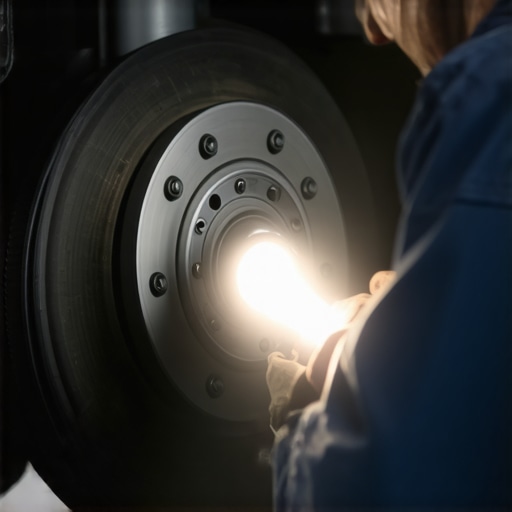
First, gather your tools: a flashlight, gloves, and a mirror. Park your car on a level surface, engage the parking brake, and pop the hood. Look at your brake components, especially the pads, rotors, and calipers. Check for uneven wear, cracks, or rust that could cause noise. I once traced a squeal to rust buildup on the caliper slides, which I cleaned with a wire brush—massively reducing the noise and preventing further corrosion.
Remove the Wheel to Access the Brake System Thoroughly
Loosen your lug nuts slightly, then lift the vehicle using a jack. Secure it with jack stands. Remove the wheel and examine the brake pads for uneven thickness or embedded debris. Pay close attention to the wear indicator, which often emits a squealing sound when pads are near the end of their life. In my case, I found a small stone lodged between the rotor and pad, causing intermittent squeals. Clear debris carefully and check for any glazed pads.
Test Brake Components and Listen for Sounds
With the wheel off, gently press the brake pedal while observing the calipers and pads. Notice if any part moves excessively, indicating sticking or misalignment. If you hear squealing during this test, it could point toward worn-out pads or a misaligned caliper. I once replaced worn pads and applied brake lubricant to the contact points, which stopped the squeal and improved braking performance.
Inspect Brake Pads and Rotors for Wear and Damage
Remove the brake pads and visually assess their thickness; most replace below 3mm. Examine the rotors for grooves, cracks, or warping. Use a dial indicator to check for rotor runout if you have one. For example, after noticing persistent squeal, I discovered uneven rotor wear, which I rectified by machining or replacing the rotors, restoring quiet operation.
Address Known Causes of Squeal
If you identify worn pads, replace them with new ones. For rust or debris, clean components thoroughly. Apply high-temperature brake lubricant to contact points but avoid getting it on the pad surface. If calipers are sticking, consider rebuilding or replacing them. In my experience, lubricating slide pins solved a squeal caused by caliper sticking, extending the life of the braking system.
Reassemble and Test Drive
After repairs, reassemble everything in reverse order: reinstall pads, calipers, wheel, and tighten lug nuts to torque specs. Lower the vehicle and perform a test drive in a safe area. Apply gentle braking to confirm the noise has vanished. Remember, if the squeal persists after these steps, professional diagnosis might be necessary. Consulting [this guide to brake service](https://repairmycarpro.com/the-ultimate-guide-to-brake-service-for-safety-and-performance) can help you determine if it’s time for expert intervention.
 When it comes to vehicle diagnostics and auto repairs, many car owners fall into common traps that hinder proper maintenance and lead to costly mistakes. A widespread misconception is that DIY solutions can replace professional diagnosis, but in reality, superficial fixes often mask underlying issues, causing long-term damage. For example, merely topping off fluids without addressing the root cause of a warning light can result in engine failure. This is why understanding the nuances of your vehicle’s signals is crucial—consulting detailed guides like [decoding vehicle diagnostics](https://repairmycarpro.com/decoding-vehicle-diagnostics-what-your-car-is-trying-to-tell-you) can help you interpret those mysterious check engine lights accurately.
An often-overlooked aspect is the complexity of modern sensor systems. Many believe that replacing a single sensor fixes the problem, but advanced diagnostic tools reveal that multiple interconnected components may be involved. For instance, a faulty oxygen sensor might be a symptom of an exhaust leak or transmission issues. Recognizing this interplay is essential to avoid unnecessary part replacements. According to expert insights, leveraging [advanced vehicle diagnostics](https://repairmycarpro.com/how-advanced-vehicle-diagnostics-prevent-costly-breakdowns) can prevent expensive breakdowns by catching problems early.
Beware the myth that oil changes are all about just topping up or getting an oil filter swap. Actual benefits come from using the right type of oil tailored to your engine’s needs and understanding the latest technologies that improve engine longevity. Check out [oil change innovations](https://repairmycarpro.com/oil-change-innovations-technologies-that-save-your-engine) to learn how modern oils and techniques contribute to a healthier engine.
Moreover, many assume brake service is just about replacing pads when squealing occurs. However, neglecting subtle signs of caliper sticking or rotor warping can compromise safety and lead to more severe issues. Advanced brake diagnostics involve thorough inspections and understanding myths about brake pads—like the misconception that high-cost pads are always better. The truth is, what truly matters is proper installation and maintenance detailed in [brake service myths busted](https://repairmycarpro.com/brake-service-myths-busted-what-really-matters-for-safety).
Finally, the trap of procrastination can be costly. Delaying diagnostics when symptoms appear may seem convenient, but this oops can turn minor issues into major repairs. Regularly reading guides like [auto repair tips](https://repairmycarpro.com/top-auto-repair-tips-to-extend-your-vehicles-lifespan) helps you recognize early warnings and understand that proactive maintenance saves money and extends your vehicle’s lifespan.
Have you ever fallen into this trap? Let me know in the comments and share your experiences with vehicle diagnostics or auto repairs—your story could help others avoid these common pitfalls.
Keeping Your Vehicle in Top Shape: The Power of Proper Tools
Maintaining your vehicle’s longevity and performance hinges on having the right tools and understanding their use. Personally, I rely on a combination of high-quality diagnostic scanners and precision hand tools to ensure I catch issues early and perform repairs confidently. One must-have is a OBD-II scanner; I trust models like the BlueDriver because they provide detailed fault codes and live data straight to my phone, making it easier to interpret signals and avoid unnecessary repairs.
Alongside a scanner, I recommend investing in a torque wrench. Accurate torque specifications prevent over-tightening or under-tightening fasteners, which is crucial when replacing components like brake calipers or oil drain plugs. I prefer a digital torque wrench because its precision reduces guesswork, especially for critical parts. For visual inspections, a sturdy inspection mirror and a flashlight are essential in getting a clear view of hard-to-reach components.
When it comes to actual repairs, I use a set of micro screwdrivers and pick sets to handle delicate tasks such as sensor replacements or cleaning engine ports. Tools like a brake caliper piston tool help with brake service, especially when retracting pistons during pad installation. Remember, quality tools don’t just make repairs easier—they make them safer and more precise, ultimately saving you money and effort.
What Does the Future Hold for Vehicle Maintenance Tools?
Looking ahead, I predict that automotive diagnostic tools will become even more integrated with AI and machine learning. Imagine a scanner that not only reads fault codes but also suggests optimal repair sequences based on real-time data and repair histories. Such advancements could significantly cut down service times and improve accuracy, particularly for complex systems like transmissions and ADAS (Advanced Driver-Assistance Systems).
How do I maintain these diagnostic tools over time?
Regular calibration and software updates are key to keeping your tools reliable. For example, I schedule routine updates for my OBD-II scanner to ensure it recognizes the latest fault codes and vehicle models. Storing tools in a clean, dry environment prevents corrosion and damage. Additionally, reading through manufacturer guidelines on calibration can extend the lifespan of your equipment. Investing in a professional calibration service once a year can keep your tools precise, so you can trust your diagnostics every time.
Remember, combining high-quality tools with proper maintenance practices empowers you to troubleshoot effectively, save money, and extend your vehicle’s lifespan. For example, mastering the use of a diagnostic scanner can reveal hidden issues early—saving you from expensive repairs. I encourage you to try updating your scanner’s software this month; it’s a simple step that can make a world of difference in your DIY auto repair journey.
Why The Smallest Squeal Can Save You Big Bucks
Early in my auto repair journey, I learned that ignoring a high-pitched squeal during braking can lead to costly rotor replacements. Small noises are like your car’s way of whispering; if you listen, you can catch issues before they escalate. This realization reminded me to trust my instincts and pay attention to every sound, no matter how minor—because often, they’re the first signs of trouble.
Misconceptions That Cost Me Time And Money
I used to believe that brake squeals always meant worn pads. It wasn’t until I read about brake service myths that I discovered other causes like rust buildup or misaligned calipers. Breaking free from these misconceptions saved me from unnecessary replacements and taught me to dig deeper, using proper diagnostics instead of jumping to conclusions.
The Power of Proper Tools And Knowledge
Investing in quality diagnostic scanners and learning how to interpret fault codes transformed my DIY repairs. Understanding the significance of sensor signals and system alerts meant I fixed issues more efficiently. It’s a reminder that the right tools combined with continuous learning are the best investment for any car enthusiast — and that technology is always evolving, so staying updated is key.
Curiosity Overcomes Hesitation
If I could advise my past self, it would be to approach vehicle repairs with curiosity, not fear. Each squeak, warning light, or strange feel is an opportunity to learn something new. This mindset shifted my approach from reactive to proactive, helping me prevent breakdowns and extend my vehicle’s lifespan.
Pinpointing Unexpected Origins of Noise
Sometimes, a squeal isn’t directly from the brakes — it might be a stone lodged between the rotor and pad or rust on the caliper slides. These discoveries emphasized the importance of thorough inspections and not settling for quick fixes. It’s these detailed checks that make the difference between a temporary fix and a lasting solution.
My Go-To Resources for Auto Troubleshooting
Over time, I’ve come to rely on trusted sources like [Decoding Vehicle Diagnostics](https://repairmycarpro.com/decoding-vehicle-diagnostics-what-your-car-is-trying-to-tell-you) and comprehensive repair guides. They provide clarity when I encounter unfamiliar issues. Equipping myself with reliable information has prevented me from unnecessary part replacements and boosted my confidence in handling repairs.
The Value of Patience And Consistency
Real progress requires patience. I learned that rushing repairs or skimming inspections often leads to recurring problems. Developing a routine of meticulous checks, using the correct lubricants, and understanding system interplays has made my maintenance endeavors more successful and less stressful.
My Core Lesson — Embrace Continuous Learning
Auto repair is as much about constant education as it is about tools. Every challenge I faced deepened my understanding, making me a more capable DIYer. If you’re eager to improve your skills, I recommend exploring dedicated resources and not fearing to ask for advice — because no one becomes an expert overnight.
Where To Go From Here
If you’re ready to take charge of your vehicle’s health, start with simple diagnostics and educate yourself about your car’s signals. Remember, a squeal today might save you from a breakdown tomorrow. Keep learning, stay curious, and don’t hesitate to seek expert guidance when needed. Your car—and your wallet—will thank you.