
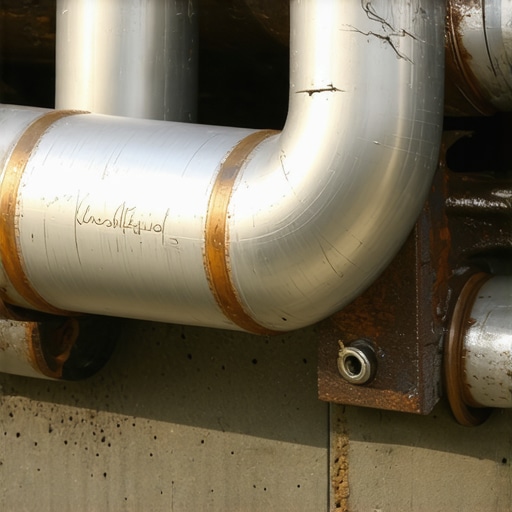
It was a chilly morning, and I was just about to leave for work when I heard it—this unsettling, rhythmic ticking from under the hood. At first, I thought it was just a mechanic’s trick or maybe a loose part rattling. But as the noise persisted, a lightbulb flickered: this was more serious than I had guessed. That steady, almost metronome-like increment was telling me something subtle but crucial about my car’s health.
Why That Persistent Ticking Could Be a Sign of a Cracked Exhaust Manifold
For most drivers, that ticking sound doesn’t just bring annoyance—it signals a potential problem lurking in your vehicle. One common culprit is a cracked exhaust manifold, often overlooked by even seasoned car owners. The exhaust manifold channels hot gases from your engine cylinders to the exhaust system. When it cracks, it can create a rhythmic ticking noise—a telltale sign that something needs your attention.
This noise isn’t just an annoyance; it’s often the first warning of a more significant problem that, if left unrepaired, could lead to engine misfires, reduced fuel efficiency, or more costly repairs down the line. Understanding the nuances of this ticking and addressing it early can save you a lot of money and trouble.
Did you know? According to experts, issues with exhaust manifolds are responsible for a sizable percentage of engine performance problems, yet many drivers only notice the symptoms after significant damage has set in (source: https://repairmycarpro.com/auto-repair-hacks-save-money-without-sacrificing-quality). Recognizing that rhythmic tick can be your first step toward preventative maintenance.
But here’s the thing—early on, the ticking can be so subtle that you might dismiss it as normal engine noise or just ignore it altogether. I’ve made that mistake myself, dismissing the noise until it became loud enough to rattle my nerves (and cost me a hefty repair bill). So, if this sounds familiar, you’re not alone. Many of us have been there.
In this post, I’m going to walk you through how to determine whether that ticking is a warning sign of a cracked exhaust manifold and what practical steps you can take to catch this issue before it snowballs into something more severe. Ready to become your own car’s detective? Let’s get started with some simple diagnostics and know-how that can make all the difference.
Start with a Visual Inspection
Carefully open your hood and look around the exhaust manifold area. Check for visible cracks, rust, or soot streaks that indicate leaks. Use a flashlight to spot tiny fractures that may be hidden from plain sight. During my own inspection last summer, I noticed some rust flakes and a faint crack, which prompted me to proceed with further tests.
Listen for the Ticking Under the Hood
With the engine running at idle, listen closely near the exhaust manifold. A consistent, rhythmic ticking that increases with engine RPM often points to a crack. I recall balancing my ear with a stethoscope to pinpoint the sound source precisely, confirming my suspicion about the manifold crack.
Check for Exhaust Leaks
Apply a soap-water solution around the suspected area if accessible. Bubbles forming during engine operation indicate escaping gases. Alternatively, try a smoke test—introduce smoke into the exhaust system and watch for leaks. This method is especially effective for detecting hidden or small cracks. I once used a garden hose with a smoke machine, which made leak detection straightforward.
Use a Diagnostic Scan Tool
Connect an OBD-II scanner to the vehicle’s port. Many modern vehicles will log engine misfires or exhaust leaks associated with a cracked manifold. Check for error codes like P0300 or P0420 that might suggest exhaust issues. During my experience, scanning revealed misfire codes that led me to inspect the manifold more thoroughly.
Monitor Engine Performance and Fuel Efficiency
Observe if your engine runs rough, stalls, or if fuel consumption has increased unexpectedly. These symptoms frequently accompany exhaust leaks due to improper exhaust flow. You might also experience a loss of power during acceleration, similar to what I faced before repairing my manifold.
When in Doubt, Consult a Professional
If your self-diagnosis points toward a crack but you’re unsure, contact a qualified mechanic. They have advanced tools like ultrasonic testers and thermal cameras that can detect leaks non-invasively. I once brought my car to a trusted technician for confirmation, avoiding costly mistakes.
 When it comes to auto repair, many drivers rely on a mix of myths, misconceptions, and oversimplified advice that can lead to costly mistakes. As an experienced mechanic and automotive expert, I want to shed light on some overlooked details and common pitfalls that even seasoned car owners often miss. Understanding these nuances can save you money and extend your vehicle’s lifespan.
A prevalent misconception is that regular oil changes are solely about replacing old oil. In reality, modern oil change services often include oil filter replacements, fluid top-offs, and inspection of critical components like the serpentine belt and coolant levels. Skipping these extras might seem minor but can lead to engine wear or overheating down the line. Some drivers believe using synthetic oil automatically extends intervals indefinitely, but in truth, without proper diagnostics, this can mask underlying issues or lead to overlooked leaks.
When it comes to brake service, many think that the squealing noise always indicates the need for pad replacement. While worn pads do make noise, sometimes the squeal results from debris or corrosion on the brake rotor surface. Failing to inspect the rotors thoroughly can cause you to replace parts prematurely, missing the chance to resurface or clean them.
What advanced diagnostics can reveal about brake system failures?
Modern vehicle diagnostics utilize ultrasonic sensors and thermal cameras to identify issues like uneven rotor wear or caliper seizing—problems that traditional visual checks might miss. These advanced tools help prevent breaking the bank on unnecessary replacements and ensure safety. For more on how diagnostics can prevent breakdowns, see this overview of vehicle diagnostics.
Auto repairs are often simplified as quick fixes, but many drivers overlook the importance of understanding the vehicle’s internal signals. Misinterpreting diagnostic trouble codes (DTCs) is a common trap. A single code like P0420, indicating a catalyst efficiency issue, might prompt an expensive exhaust replacement when, in some cases, cleaning or sensor replacement suffices. Regularly consulting a knowledgeable mechanic or using comprehensive diagnostic scans can help interpret these signals accurately.
In my experience, neglecting the vehicle’s electronic systems during diagnostics is a frequent mistake. Modern cars rely heavily on sensors, control modules, and software to manage everything from fuel injection to stability control. Ignoring these elements can lead to persistent problems that seem unrelated but are actually interconnected. Decoding complex vehicle data is an advanced skill that can dramatically reduce guesswork and unnecessary repairs. Learn more about how to interpret these signals in decoding vehicle diagnostics.
Remember, car maintenance isn’t just about following routine; it’s about understanding what your vehicle truly needs. Overlooking the nuances in diagnostics, fluid analysis, and component inspection can set you up for unexpected breakdowns and expenses. Have you ever fallen into this trap? Let me know in the comments, and share your experiences with hidden issues that caught you off guard.Maintaining your vehicle’s health over time requires more than just basic knowledge; it demands the right tools and methods to accurately diagnose issues and perform preventive care. Investing in high-quality equipment not only saves money but also enhances your confidence as a car owner. One of my go-to tools is the OBD-II scanner, like the Autel MaxiScan MS300, which offers comprehensive readouts and real-time data to identify engine trouble codes early. I personally use this device regularly because it helps me catch problems such as misfires or exhaust leaks before they escalate, saving me hundreds in repairs. Additionally, a mechanics’ stethoscope proves invaluable for pinpointing noises—trust me, the Littmann Cardiology IV allows me to listen closely without guesswork. For visual diagnostics, a thermal camera like the Seek Thermal Compact offers temperature readings that reveal hidden leaks or failing components. This technology is particularly useful for detecting uneven cooling in radiators or overheating alternators. Looking ahead, the trend is moving toward wireless diagnostic tools and AI-powered software, which can analyze vehicle health remotely and predict failures before they occur. To keep your vehicle running smoothly, regularly calibrate your tools and follow manufacturer-specific diagnostic protocols. For instance, understanding how to interpret vehicle data can prevent unnecessary replacements; visit our guide on decoding vehicle diagnostics for practical tips. How do I maintain my diagnostic tools over time? I clean and store them in a dry, dust-free environment, update their firmware periodically, and check for calibration accuracy as recommended by the manufacturer. This routine ensures reliable readings every time you need them, especially when performing crucial tasks like brake inspections or oil leak detection. For hands-on maintenance tips, explore our article on top auto repair tips. Incorporate these tools into your regular maintenance routine, and you’ll find identifying and addressing issues much more manageable—sometimes even before you notice symptoms. Remember, equipment like ultrasonic leak detectors or advanced diagnostic software is also available for DIY enthusiasts willing to invest in their vehicle’s future. Ready to elevate your auto maintenance game? Start with a trusted scan tool and integrate it into your weekly vehicle checks. For personalized advice or more detailed recommendations, reach out to our team through contact us. Keeping your car in top shape isn’t just about quick fixes—it’s about mastering the tools that keep it running reliably for years to come.
From my years of experience, I’ve learned that the smallest clues in auto repair often hold the key to preventing major breakdowns. The rhythmic ticking from under the hood isn’t just a quirky sound—it’s a message your vehicle is trying to send. Recognizing the significance of such subtle signs can empower you to take control of your car’s health before costly repairs arise.
The Hidden Lessons That Transformed My Approach to Vehicle Maintenance
- Small sounds carry big warnings: Never dismiss a persistent ticking—it might be my most reliable early indicator of a cracked exhaust manifold.
- Visual cues are your allies: Spotting cracks or soot streaks during a quick inspection can save hundreds in future repairs.
- Tools amplify your diagnostic power: Investing in reliable diagnostic tools, like an OBD-II scanner, turns you from a passive observer into an active problem solver.
- Preventive care beats reactive fixes: Regularly monitoring engine performance and understanding error codes can prevent breakdowns on the highway.
Tools and Resources That Changed My Game
- Auto repair hacks: Practical advice that emphasizes the importance of early detection and regular maintenance.
- Advanced diagnostics: State-of-the-art tools like ultrasonic leak detectors and thermal cameras have been game-changers for me, enabling precise and non-invasive leak detection.
- Decoding vehicle signals: Understanding error codes allows for targeted repairs, saving time and money.
- Auto longevity tips: Consistent maintenance routines keep vehicles running smoothly and extend their lifespan.
Ignite Your Confidence and Take the Reins of Your Car Care
Recognizing early signs like a rhythmic ticking not only preserves your vehicle but also boosts your confidence as a knowledgeable owner. Embracing the right tools and staying informed transforms auto maintenance from a daunting task into a manageable and even enjoyable routine. Don’t wait for that unsettling sound to become a full-blown problem—start your proactive approach today and keep your journeys safe and smooth.
Have you ever caught a warning sign early and prevented a breakdown? Share your experience below—your story might inspire someone else to listen more closely to their vehicle’s messages.