

One chilly morning, I settled into my car, turned the dial to warm up, and immediately heard that annoying *clicking noise* under the dash. It’s a sound that can turn a comfortable drive into a test of patience. Have you ever experienced this? That seemingly-simple sound often signals something more complex brewing inside your vehicle, and honestly, it took me a while to realize I wasn’t alone in this frustration.
Decoding the Mystery of the Dash Clicking
That faint but persistent clicking when changing the temperature isn’t just an indifferent noise; it’s a telltale sign of underlying issues with your car’s climate control system. The good news? Often, it’s a fix within reach—and I’m here to guide you through it step-by-step.
Is It Worth Worrying About This Noise?
Initially, I brushed it off as a minor inconvenience. But ignoring that click can lead to more significant problems, like damage to your blend door actuator or other climate control components. I made the mistake early on of trying a quick fix with no real understanding, which only worsened the problem over time. For an honest diagnosis, I recommend reading about vehicle diagnostics. Trust me, catching the issue early can save you time and money, and prevent a trip to the mechanic for a more complex repair.
Visual Inspection: Spot the Obvious Signs
Start by opening your car’s glove compartment and inspecting the climate control area for any loose or broken parts. Use a flashlight to check behind the dashboard for disconnected wires or debris that might cause the clicking sound. In my experience, a loose screw or a displaced actuator often causes that persistent click, much like a watch that needs a simple adjustment.
Test the Climate Control System
Next, turn on your vehicle and adjust the temperature settings, listening carefully for the clicking noise. Switch between hot and cold air, and listen for changes in the sound. This step helps pinpoint whether the problem occurs during specific settings, similar to testing a faulty switch that can misfire—a common cause of our dashboard dilemma.
Isolate the Issue with ‘Manual’ Adjustments
Disconnect the climate control fuse and see if the clicking stops. If it does, the problem likely resides within the climate control module or the blend door actuator. Reconnect the fuse and manually operate the actuator with a test harness or simple tool to observe its movement. Think of this like manual testing of a switch, which gave me clarity on which component was failing.
Access and Replace the Faulty Part
If the noise originates from the blend door actuator, access it by removing the dashboard panel in the affected area. Use a screwdriver to detach the actuator, which resembles a small motor. Once exposed, remove the mounting screws carefully, and replace the faulty actuator with a new one. Remember, securing all screws tightly prevents the new part from becoming loose—akin to ensuring a bolt is properly torqued after a repair.
Reassemble and Test
After replacement, reassemble the dashboard panels in reverse order. Start the vehicle, adjust your climate controls, and ensure the clicking has ceased. During my last repair, this step was crucial—I once forgot to reconnect a wiring harness, causing the noise to persist. Double-checking connections saves time and avoids frustration.
Consider Advanced Diagnostics if the Noise Persists
If replacing the actuator doesn’t resolve the issue, it might be time to dig deeper. Use advanced vehicle diagnostics tools to scan for electrical issues or sensor malfunctions. For me, this was like taking a car to a specialist when simple repairs didn’t work—uncovering hidden problems that can lead to costly repairs if ignored.
Many car owners believe that basic auto maintenance tasks like brake service or oil changes are straightforward and universally simple. However, as an auto repair enthusiast, I’ve seen how these seemingly simple procedures often hide deeper nuances that can trip up even seasoned DIYers. One prevalent myth is that all brake pads wear out at the same rate, leading drivers to replace them prematurely or too late. In reality, factors like driving style, vehicle type, and even climate can significantly influence brake pad longevity. Rushing into replacements without proper inspection can lead to unnecessary costs or, worse, compromised safety. Similarly, many assume that an oil change purely involves draining and adding new oil. But with modern synthetic oils and advanced engine technologies, procedures like [oil change innovations](https://repairmycarpro.com/oil-change-innovations-technologies-that-save-your-engine) have evolved to include oil testing and tailored filtration, which can extend engine life and improve performance.
Why Do Some Auto Repairs Fail to Fix the Issue Permanently?
This is a question I frequently encounter among experienced enthusiasts. The answer often lies in overlooking underlying causes—like ignoring a faulty sensor that causes repeated diagnostic trouble codes or misdiagnosing a transmission issue without comprehensive testing. Relying solely on OBD-II scanners without understanding the nuances of vehicle sensors can lead to temporary fixes that don’t solve the root problems, resulting in repeated visits and mounting costs. According to automotive experts, such as those at vehicle diagnostics, advanced diagnostic tools and knowledge are crucial for accurate repairs. Skipping these steps can trap you into a cycle of ineffective repairs, which is why understanding the intricacies of diagnostics is essential for any serious car owner.
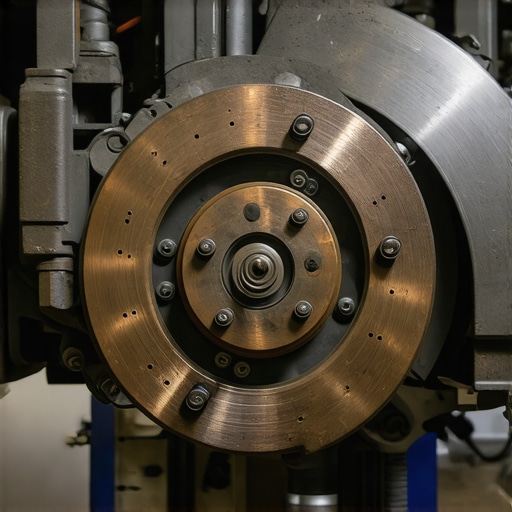
Another common mistake is neglecting the importance of quality parts during repairs. Opting for cheap replacements might save money upfront but can lead to accelerated wear and even safety risks down the road. For instance, using substandard brake pads compromises stopping power and increases wear on rotors. Advanced diagnostics can help identify precisely which components need attention, avoiding unnecessary replacements and ensuring the repair’s longevity. Think of diagnostics as the detective work that uncovers hidden issues—much more effective than guesswork.
Driving Beyond Myths: The Fine Details of Vehicle Maintenance
It’s tempting to think that regular maintenance can be entirely cookie-cutter, but this is far from the truth. The nuances of vehicle maintenance involve understanding how specific models respond to different repair techniques, the impact of driving conditions, and the importance of early detection. For example, regular brake inspections can often reveal uneven wear caused by misaligned suspension components. Without such detailed checks, minor issues can escalate, sometimes resulting in costly repairs or safety hazards. Recognizing these fine details is what distinguishes a casual car owner from an experienced mechanic. Remember, staying informed through trusted resources like auto repair tips can significantly extend your vehicle’s lifespan and keep you safe on the road. Have you ever fallen into this trap? Let me know in the comments.
Keep It Running with Precision Tools
Maintaining your vehicle’s health over the years is all about the right equipment coupled with disciplined routines. I personally rely on a high-quality digital multimeter, such as the Fluke 117, to diagnose electrical issues swiftly and accurately. It’s invaluable for checking battery health, sensors, and wiring conditions without guesswork. Alongside this, a set of metric and standard sockets, with a torque wrench like the Tekton 1/2 inch drive, ensures that fasteners are tightened to manufacturer specifications—preventing future problems caused by over-tightening or loose components.
Leverage Advanced Diagnostic Software
Standard OBD-II scanners only scratch the surface. For comprehensive diagnostics, I use the BlueDriver Bluetooth scan tool paired with their app, which provides detailed fault codes, live data, and repair reports. This combo allows me to identify issues early and fix them before they escalate, saving money and time. As vehicle technology advances, integrating software like this will be essential for long-term maintenance, especially with complex systems involving emissions or variable valve timing.
Effective Maintenance Requires Rituals
Regular oil analysis is another underrated tool. Using the Oil Analyzers’ kit, I send samples periodically to check for contaminants or abnormal wear metals. This proactive approach helps extend engine life significantly, aligning with insights from latest oil change technologies. I recommend fitting your routine with oil testing at least every 15,000 miles, especially for vehicles subjected to harsh conditions or high mileage—they’ll thank you with smoother performance and fewer breakdowns.
Maintaining and Scaling Repairs
As your vehicle ages, scaling your tools and practices becomes vital. Investing in repair-specific equipment like shock spring compressors or brake caliper wind-back tools makes DIY repairs more effective. Additionally, maintaining a digital log of repairs, diagnostics, and parts used facilitates better planning and prevents unnecessary replacements. In the future, I believe AI-driven diagnostic assistants will further streamline long-term vehicle health management, allowing us to anticipate issues before they manifest.
How do I keep my vehicle’s diagnoses sharp over time?
Staying updated with the latest diagnostic software updates and participating in online automotive forums can sharpen your knowledge. Practicing with actual components—like swapping out a blend door actuator as I did—reinforces troubleshooting skills and keeps the tools relevant. For detailed guides on proper maintenance routines, check out auto repair hacks aiming to maximize your vehicle’s lifespan. Why not pick one tip today—like testing your battery’s voltage with your multimeter—and see how it can help prevent unexpected breakdowns? It’s these small, consistent steps that keep your vehicle performing optimally for years to come.
Lessons That Transformed My Approach to Auto Repair
One of the biggest lessons I learned is that many so-called simple repairs hide deeper issues, especially when it comes to brake service and oil changes. For example, relying solely on visual inspections can overlook critical internal components, which might cause costly failures down the line. I also discovered that investing in quality diagnostic tools—like advanced vehicle diagnostics scanners—can save a lot of time and money by pinpointing the true problem instead of guesswork. Lastly, understanding the subtle signs your car gives you, before they turn into big problems, has been a game-changer in maintaining safety and performance.
Fueling My Knowledge with Trusted Resources
In my repair journey, I’ve come to rely on a few key resources that elevate my skills. The comprehensive guides at The Ultimate Guide to Brake Service have deepened my understanding of safety-sensitive repairs. I often use tools like the BlueDriver Bluetooth scanner for detailed diagnostics—it’s reliable and user-friendly, making complex checks accessible. For ongoing education, online forums such as RepairPal and dedicated YouTube channels provide real-world tips and case studies that help me stay sharp. These sources keep me informed and confident in every repair challenge I face.
Your Drive to Excellence Starts Today
Embarking on a journey of thorough vehicle diagnostics and auto repair mastery is more than just fixing cars—it’s about building confidence and extending your vehicle’s lifespan. Remember, every tool and resource you choose, combined with consistent learning, brings you closer to expert-level maintenance. The road ahead is full of opportunities to learn, improve, and ensure your safety on every drive. So, why not take the first step today and deepen your understanding of your vehicle? Your car—and your peace of mind—will thank you.
Have you ever struggled with diagnosing a mysterious car problem or felt unsure about the repair process? Share your experiences below and let’s learn from each other!
**