
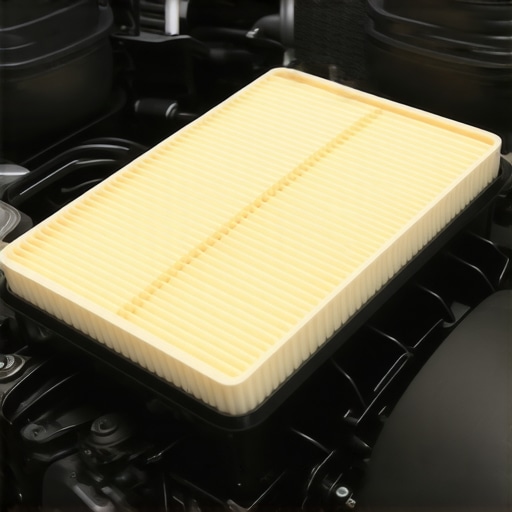
Ever been cruising down the highway, only to have that dreaded check engine light flicker on without warning? I remember the heart sank in my chest when mine did the same—panic, frustration, and that nagging question: “What now?” It’s an all-too-familiar scenario for many car owners, and let’s be honest—it can feel like a mini heart attack every time. But here’s a lightbulb moment I had: sometimes, that little warning doesn’t mean a complicated engine fault. Sometimes, it’s something surprisingly simple—and cheap—to fix.
Don’t Let the Check Engine Light Fool You
That warning light is designed to grab your attention, sure. But it doesn’t always indicate a serious problem. In fact, a loose or improperly fitted air filter can trigger that tiny warning, making you think you need a costly repair when all you really need is a quick adjustment. Early on, I made a mistake by ignoring the basics, thinking that only complex issues cause the check engine light to pop up. It’s a common misconception—and one that can cost you a lot if you’re not careful. Proper diagnosis is the secret to avoiding unnecessary repairs and expenses.
Is This Common Issue Really Worth Your Attention?
You might be skeptical, right? “A loose air filter? Really?” Well, it’s more common than you’d think. According to automotive experts, simple issues like a loose air filter can cause the car’s sensors to send error signals, triggering the check engine light. Ignoring such problems can lead to decreased fuel efficiency, poor engine performance, or even more severe damage over time. So, before you panic and book a costly service, it’s worth checking the simple stuff first—like inspecting your air filter. If you’re interested in understanding more about decoding what your vehicle is telling you, I suggest taking a look at this guide on [decoding vehicle diagnostics](https://repairmycarpro.com/decoding-vehicle-diagnostics-what-your-car-is-trying-to-tell-you). It’s packed with useful insights.
Stay tuned—I’ll walk you through exactly how to identify if your air filter is loose and what steps to take to fix it yourself, saving you time and money. Because sometimes, the simplest fix makes all the difference.
,
Pull Out the Manuals and Get Cozy
The first step is to gather as much information as possible. Think of your vehicle’s diagnostic process as assembling a puzzle—you need all the pieces. Start by consulting your car’s owner manual; many include basic troubleshooting tips for common warning lights. If you don’t have one, most manuals are available online for free. Familiarize yourself with the error codes associated with your check engine light, which can guide your diagnosis.
Use a Basic OBD-II Scanner for Quick Insights
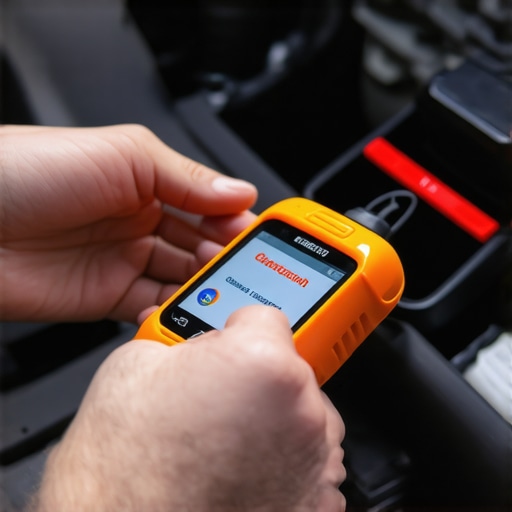
Invest in an inexpensive OBD-II scanner, which plugs into a port under your dashboard. Picture this tool as your car’s doctor’s stethoscope—giving you vital signs straight from the engine. Connect it to your vehicle, turn on the ignition without starting the engine, and read the codes displayed. These codes point to specific issues—often simple fixes like a loose gas cap or a faulty sensor. For detailed code explanations, check this decoding guide.
Interpret the Error Codes Like a Pro
Each code corresponds to a specific fault. For example, a code like P0171 indicates a lean fuel mixture—often caused by a vacuum leak or a clogged air filter. Think of these codes as your car’s way of telling you where to look first. Don’t jump to conclusions; instead, look for common, simple causes first. A quick visual inspection can save you a trip to the mechanic and large bills.
Check and Fix the Easy Culprits
Prioritize inspecting parts that are quick to access and inexpensive to replace. For instance, check your gas cap—if loose or damaged, tighten or replace it. Look at your air filter; a dirty filter can cause sensors to trigger warning lights. Replacing an air filter is straightforward and can be done with minimal tools, often within 10 minutes. If you’re unsure about how to do this, online tutorials can be a lifesaver—and a wallet saver.
Perform Basic Fluid and Cable Checks
Engine sensors rely heavily on clear signals, which can be disrupted by loose or corroded cables and dirty fluids. Examine your battery terminals, and ensure they’re clean and tightly connected. Check under the hood for any frayed wires or leaks. Sometimes, a simple re-seating of connections or a quick clean makes all the difference.
Test Drive and Re-scan
After performing these basic checks and fixes, clear the error codes with your scanner and take your car for a short drive. If the check engine light comes back on, note the new codes. This iterative process narrows down the cause and ensures you don’t overlook hidden issues. Keep in mind, if the light persists after these steps, it’s wise to consult more advanced diagnostics or a professional.
Know When to Call in the Experts
If your preliminary diagnosis points to complex issues—such as a failing catalytic converter or internal engine damage—it’s best to seek professional help. But often, the problem is something manageable with basic tools and a bit of patience. Remember, early detection and simple fixes are your best defense against costly repairs.
Many vehicle owners operate under the misconception that auto diagnostics and repairs are straightforward, often leading to costly mistakes. While basic knowledge is useful, the real expertise lies in understanding subtle nuances that can dramatically affect the outcome of repairs. For instance, a common myth is that a faulty brake pad always requires replacement; however, sometimes the issue is as simple as sticking calipers or even contaminated brake fluid, which can be diagnosed with advanced techniques like advanced diagnostics. Misdiagnosing these nuanced problems can result in unnecessary parts replacement, wasting both time and money.
Why Do So Many Fail to Identify Advanced Symptoms Properly?
Experts emphasize that understanding the intricacies of vehicle behavior, such as subtle vibrations during braking or inconsistent acceleration, requires a keen eye and experience. These symptoms often represent underlying issues like warped rotors or vacuum leaks, which a quick visual check might miss. Relying solely on generic codes from OBD scanners can be misleading; for example, a code indicating ‘poor engine performance’ might be caused by a tiny vacuum leak rather than a failing sensor. This is where auto repair hacks and nuanced troubleshooting become invaluable. Advanced diagnostics not only reveal these hidden problems but help prevent costly breakdowns before they escalate, as highlighted by industry experts.
What Are the Most Common Mistakes in Oil Changes and Brake Servicing?
Many believe that an oil change is just draining the old oil and adding new; however, the type of oil, filter quality, and proper disposal are critical nuances that influence engine longevity. Similarly, in brake servicing, some think that replacing pads alone suffices, while neglecting the importance of rotor condition or brake fluid quality. Failing to attend to these fine details can lead to premature wear or even safety hazards. Consistent with these insights, the best approach combines thorough inspection, understanding of component interactions, and leveraging auto repair strategies designed for frequent drivers. Recognizing such nuances separates novices from seasoned mechanics, ensuring your vehicle remains reliable in the long run. Remember, the devil is in the details—overlooking advanced symptoms or subtle differences can be the difference between a quick fix and a major overhaul. Have you ever fallen into this trap? Let me know in the comments.
How do I maintain vehicle diagnostics and repair tools for long-term use?
Maintaining your auto repair tools and diagnostic equipment is essential for consistent performance and accuracy. Personally, I invest in a high-quality OBD-II scanner like the BlueDriver Bluetooth Scanner. It’s reliable, pairs seamlessly with my smartphone, and provides detailed fault codes, making troubleshooting much easier. Regularly calibrate and update its firmware through the manufacturer’s app to ensure accurate readings. Keep your hand tools, such as socket sets and screwdrivers, clean and lubricated—rusty tools can cause damage and delay repairs. Periodic inspection of wires and connectors on your diagnostic devices prevents corrosion and short circuits, saving you money and frustration in the long run. As vehicle technology advances, staying current with software updates for your diagnostic tools is vital; some manufacturers release updates that unlock new features or improve diagnostics. Long-term, investing in durable, well-maintained equipment reduces repair time and enhances your confidence during DIY repairs.
Looking ahead, the trend is moving towards wireless diagnostics and integrated vehicle systems that communicate directly with cloud platforms. This shift will demand more sophisticated maintenance of both hardware and software, so developing a routine now will prepare you for the future.
What routine steps help keep your repair and diagnostic tools in top shape?
- Regularly update your diagnostic software to access the latest codes and features. Use the manufacturer’s app or website for firmware updates.
- Store your tools in a clean, dry environment to prevent corrosion and damage.
- Periodically verify calibration with known reference codes or test vehicles.
- Clean your hand tools after each use, applying light oil if necessary to prevent rust.
- Check connections and cables for signs of wear or damage, replacing them as needed.
By sticking with these simple maintenance steps, you’ll ensure that your tools provide accurate diagnostics when you need them most. For example, keeping your OBD-II scanner firmware updated can reveal hidden faults early, preventing costly breakdowns—more details on this can be found in this resource. Try setting a monthly reminder to inspect and update your equipment; it’s a small investment that pays off in reliable, quick repairs.
As vehicle systems continue to evolve, so should your maintenance routine for diagnostic and repair tools. Staying proactive now will make auto repairs smoother and more predictable in the future.
What I Didn’t Expect About Vehicle Troubleshooting
- Sometimes, the smallest detail like a slightly loose gas cap or a clogged air filter can trick your car’s sensors and trigger a warning light. Recognizing these simple issues early saved me hundreds of dollars in unnecessary repairs.
- Properly interpreting error codes isn’t just about reading numbers—it’s about understanding what those codes reveal behind the scenes in your vehicle’s health, often pointing to manageable fixes rather than intimidating problems.
- Investing in a quality OBD-II scanner transformed my approach to car maintenance. It gave me instant insights, making diagnostics accessible and empowering me to troubleshoot confidently.
- Regularly updating my diagnostic tools and maintaining my repair kit extended their usefulness, ensuring I could respond quickly to issues before they escalated into costly failures.
- The real insight came when I learned that many vehicle issues are interconnected—solved by addressing the root cause, like fixing a vacuum leak rather than just replacing sensors.
Tools and Resources That Became My Auto Repair Allies
- BlueDriver Bluetooth Scanner: Its reliability and detailed reports made it my go-to diagnostic tool, bridging the gap between professional mechanics and DIY troubleshooting.
- Repair Guides from RepairMyCarPro: Comprehensive, easy-to-understand tutorials helped me tackle common issues like air filter replacements and error code interpretations with confidence.
- Online Community Forums: Sharing experiences and solutions with fellow enthusiasts provided practical tips and moral support during tricky repairs.
- Quick-Reference Manuals: Having my vehicle’s manual handy simplified troubleshooting steps and clarified maintenance intervals, saving me time and stress.
Take Action and Keep Your Car Running Smoothly
Your vehicle is more than just a mode of transportation—it’s a complex system that rewards attentive care and proactive troubleshooting. Every small fix or routine checkup can extend your car’s lifespan and save you serious money in the long run. Remember, the knowledge and tools you develop now will empower you for any future road challenges.
What’s the first simple fix you plan to try on your vehicle today? Drop a comment below—I’d love to hear about your experiences and tips!