
It was a chilly morning, and as I turned the key, my engine hesitated—then sputtered. That sinking feeling hit me: I knew something was terribly wrong. Later, I realized I could have caught the warning signs early, but I was caught off guard. If you’ve ever experienced that nagging doubt about your car’s health—especially with something as serious as a blown head gasket—you know how stressful it can be. But here’s the good news: with some simple tricks and keen observation, you can spot the signs before disaster strikes.
Why Early Detection of a Blown Head Gasket Matters
A blown head gasket isn’t just a minor hiccup; it can lead to engine seizure if left unchecked. The head gasket seals the cylinders and ensures that combustion pressure stays contained while preventing coolant and oil from mixing. When this seal fails, the consequences can be severe—overheating, loss of compression, and even catastrophic engine failure. I learned this the hard way early in my mechanic days, making the mistake of ignoring small overheating signs, which later turned into costly repairs. According to automotive experts, recognizing early symptoms can save you hundreds, if not thousands, in repairs and extend your engine’s lifespan. For practical tips on keeping your engine in peak condition, check out [auto repair hacks](https://repairmycarpro.com/auto-repair-hacks-save-money-without-sacrificing-quality).
Is Your Car’s Behavior Just a Fluke or Something Serious?
One thing I struggled with initially was distinguishing between minor issues and signs of that dreaded gasket failure. Early on, I thought, “Maybe it’s just a coolant overflow or a slight loss of power.” I didn’t realize that subtle hints like white smoke from the exhaust or milky oil were red flags. My mistake was dismissing these early symptoms, but it’s crucial to pay attention to the smallest details. If you’ve found yourself ignoring strange engine noises or unexplained coolant loss, it might be time to dig deeper. Knowing what to look for can make the difference between a quick fix and a complete engine rebuild.
So, how exactly can you tell if your head gasket is on its last legs? Well, I’ll walk you through some practical signs and diagnostic tips that will get you started. Stay tuned—you don’t have to be a mechanic to catch these early warnings. If you want to learn more about engine diagnostics and prevent costly breakdowns, consider exploring [vehicle diagnostics explained](https://repairmycarpro.com/vehicle-diagnostics-explained-easy-checks-before-your-road-trip).
Perform a Visual Inspection for Early Clues
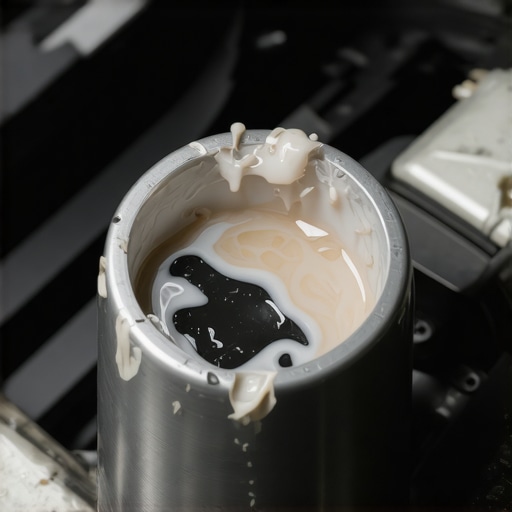
Start by opening the hood and examining the engine bay for signs like white streaks, coolant leaks, or milky residue on the valve cover. These indicate coolant escaping into the combustion chambers. During my own diagnosis, I noticed a slight white foam on the engine surface, which prompted me to check further. Use a flashlight to spot smaller leaks or residue that might not be visible at first glance. The vehicle diagnostics page offers additional tips on interpreting these initial signs.
Check the Coolant and Oil Conditions
Inspect Coolant Level and Color
Remove the radiator cap when the engine is cool. A low coolant level or a milky appearance suggests mixing with oil or exhaust gases. I once ignored a slight coolant loss and paid the price when my engine overheated. Keep a close eye on the coolant’s clarity—if it looks cloudy or has debris, it might point to head gasket failure, which allows combustion gases to enter the cooling system.
Examine the Oil for Milky Residue
Pull out the oil dipstick and observe the consistency and color. Milky or frothy oil indicates coolant mixing—a serious red flag. I once missed this sign and spent days troubleshooting, only to discover the gasket failure. Regular checks can prevent costly repairs, and for a deep dive into oil health, visit this oil change innovations article.
Perform a Compression Test
This step involves removing the spark plugs and using a compression tester to measure each cylinder’s pressure. Uneven readings or significantly lower compression in one cylinder points toward a blown gasket. I vividly remember my first attempt—everything seemed normal until I saw one cylinder’s pressure was half of the others. This direct test provides concrete evidence of gasket problems and is a critical diagnostic step.
Run a Vacuum or Leak-Down Test
These tests identify leaks in the combustion chambers. A vacuum test can show if the gasket allows gases to escape into the cooling or oil passages. During my experience, a leak-down test revealed escape through a tiny crack, confirming the gasket’s failure. While this equipment is usually found in repair shops, understanding the method helps you communicate effectively with mechanics. To learn more about vehicle diagnostics, check how diagnostics prevent breakdowns.
Look for External Signs of Overheating
Overheating is often caused by gasket failure. Watch for bubbling in the radiator, steam, or burnt oil smell. I remember noticing a sweet smell coming from the engine bay and seeing steam—these were clear indicators I needed to act fast before engine damage occurred. External signs combined with internal checks create a complete picture of gasket health.
Perform a Chemical Test for Exhaust Gases in Coolant
This test uses a chemical strip to detect exhaust gases that have bypassed the damaged gasket. While not always necessary, it provides definitive proof. I used this test on a friend’s car, where the strip changed color after testing, confirming a gasket failure. It’s a straightforward step that can save time and money before delving into costly repairs.
Many car owners believe that basic diagnostic checks or routine maintenance always catch impending problems, but in reality, there are nuanced mistakes that can lead to costly failures. For instance, relying solely on the check engine light as a diagnostic tool is a myth. While it provides valuable clues, a comprehensive understanding involves analyzing specific codes and correlating them with symptoms, which experts do using advanced diagnostics here. Another common pitfall is thinking that brake service is only about replacing pads; but actual safety-critical components like rotors, calipers, and brake fluid condition play an equally vital role. Many overlook fluid condition, leading to pulsing pedals or uneven braking. Regularly updating your knowledge on these aspects ensures optimal safety and performance. When it comes to oil changes, many underestimate the importance of modern oil technologies. Synthetic oils, for example, provide better engine protection and longer intervals, yet some still follow outdated schedules, risking engine wear here. Additionally, there’s a misconception that all auto repairs are costly or unnecessary without proper diagnostics. Advanced mistake detection, like leak-down tests for gaskets or sensor diagnostics, can prevent unnecessary replacements. Recognizing these nuances saves money and extends your vehicle’s lifespan. Remember, the key is not just routine maintenance but understanding the intricacies that influence your car’s health. Have you ever fallen into this trap? Let me know in the comments and share your experience!
Keep It Running with the Right Tools
Maintaining your vehicle over time requires more than just basic knowledge — it demands the right equipment and software to catch issues early and ensure longevity. One indispensable tool I’ve personally relied on is the OBD-II scanner. Not all models are created equal; I prefer the BlueDriver because it offers comprehensive code reading, live data, and repair reports directly compatible with smartphones, making diagnostics accessible and efficient. It’s a game-changer for diagnosing issues before they escalate. Additionally, for routine oil analysis, I use a specialized oil test kit that detects wear metals and contaminants, providing insights into engine health that extend beyond the usual oil change.
Beyond tools, software like AutoEnginuity provides in-depth diagnostics and calibration capabilities, especially for complex systems like ABS, airbags, and transmission modules. Investing in these tools allows me to perform detailed checks at home, saving time and money. For effective long-term maintenance, setting up scheduled diagnostics with these devices ensures early detection of potential failures — translating to thousands saved in repairs and a reliably running vehicle.
How do I keep my diagnostics sharp over time?
Regularly updating your diagnostic software and firmware is crucial because vehicle manufacturers frequently release updates that fix bugs or enhance capabilities. I schedule quarterly updates, aligning with my routine maintenance. Furthermore, maintaining a clean and organized tool kit minimizes misplacement and ensures you’re ready when issues arise. Over time, these practices foster a proactive approach that minimizes downtime and repairs.
Scaling Vehicle Care for Longevity
As your vehicle ages, scaling your maintenance routines becomes essential. Implementing a comprehensive preventive maintenance schedule with precise diagnostics and replacement of critical components—like brake fluid flushes or transmission fluid changes—preserves performance and safety. Additionally, for larger projects, I recommend consulting with experienced mechanics who use advanced repair hacks to optimize repairs without unnecessary costs.
Where’s the future headed?
The trend points toward increased integration of AI-powered diagnostics and robotic repair systems, promising even faster and more precise maintenance. Embracing these innovations will empower you to maintain your vehicle efficiently, no matter the complexity.
Try out a comprehensive diagnostic with your current tools this month and see how early problem detection can save you from costly surprises. Staying ahead is easier than you think — with the right tools and a proactive mindset, your vehicle can serve you safely and reliably for years to come.

The Hardest Lessons I Learned About Vehicle Diagnostics, Brake Service, Auto Repair, Oil Change
One of my biggest revelations came from overlooking the subtle cues my car was giving me—like faint white smoke or a slightly milky oil. Ignoring these signs nearly cost me a costly engine rebuild. It taught me that patience and keen observation are your best allies in vehicle maintenance. Acting swiftly on small anomalies can make the critical difference between a quick fix and a major overhaul.
Top Tools That Keep My Car Running Smoothly
Investing in a quality OBD-II scanner like the BlueDriver has revolutionized the way I diagnose issues. It’s affordable, portable, and gives me instant insights, preventing issues before they escalate. I also rely on a specialized oil test kit to detect wear and contaminants early—saving money and extending engine life. Proper tools aren’t just accessories; they’re your first line of defense against surprise breakdowns.
Advocate for Proactive Care: Your Engine Deserves It
Staying ahead means understanding that routine checks—like inspecting coolant and oil—can reveal gaskets on their way out. Regular compression and leak-down tests act as early warning systems, much like a health check-up. When I caught a low compression cylinder early, I avoided a complete engine rebuild. Embracing diagnostic tech coupled with daily vigilant checks transforms regular maintenance into a preventative shield for your engine’s longevity.
The Benefits of Deep Knowledge Over Guesswork
My experience has shown me that rote maintenance isn’t enough; understanding the why behind symptoms enables smarter fixes. For example, recognizing that milky oil indicates coolant intrusion saved me from replacing an entire cylinder head. Dive into vehicle diagnostics explained and empower yourself with the knowledge to spot issues early. When you know what to look for, auto repairs become proactive rather than reactive, and your car rewards you with longer service life.