
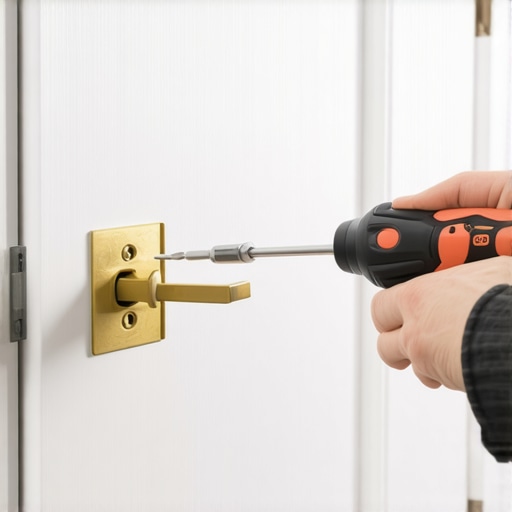
Ever had that moment where you’re rushing out the door, arms full of groceries or your kids, only to be met with a stubborn, uncooperative door latch that refuses to close? It’s frustrating, isn’t it? You try slamming it shut, jiggling the handle, and even giving it a gentle shove, but nothing works. That sinking feeling creeps in—could this be a major repair? Believe me, I’ve been there. I once spent hours wondering if I needed a new latch or even calling in a pro, only to discover a simple, inexpensive fix that took less than ten minutes.
Why That Sticky Door Latch Is More Than Just Annoying
A door latch that won’t close properly isn’t just an inconvenience; it can compromise your home’s security, comfort, and even energy efficiency. If your door remains ajar or sticks stubbornly, it might be signaling underlying issues like rust buildup, misaligned components, or worn-out mechanisms. These little problems, if ignored, can escalate into costly repairs or leave your home vulnerable.
You might think, “Is this really something I can fix myself?” Well, you’re in the right place. Today, I’ll walk you through simple steps that have saved me countless trips to the handyman. Plus, knowing how to handle these minor glitches means you’ve got one more handy skill up your sleeve—because let’s face it, not every fix requires a professional.
Before we dive in, I should admit—I once made the mistake of ignoring a sticky latch, thinking I could deal with it later. That delay led to a door that wouldn’t latch at all, forcing me to replace the entire mechanism. Trust me, taking a proactive approach from the start is key. If you want to avoid turning your perfectly good door into a full-blown project, keep reading.
For more handy auto repair tips that save time and money, check out [auto repair hacks](https://repairmycarpro.com/auto-repair-hacks-save-money-without-sacrificing-quality). Now, let’s get that stubborn latch moving smoothly again with some straightforward fixes.
Identify the Cause of the Sticky Latch
Start by inspecting the latch mechanism closely. Use a flashlight to check for rust, dirt, or debris that might be causing the sticking. I recall a time when my car door wouldn’t latch properly because of a buildup of dirt; a quick clean resolved the issue.
Remove the Latch Assembly Carefully
Gather your tools—usually a screwdriver or wrench—and remove the latch assembly from the door. Be cautious to avoid damaging surrounding parts. Remember when I did this, I found it was easier to lay the door panel down first to access the latch without struggle.
Clean and Lubricate Moving Parts
Thoroughly clean the latch with a wire brush or cloth to remove rust and grime. Once clean, apply a lubricant like WD-40 or a silicone spray to all moving components. This step is akin to oiling a squeaky door hinge—an essential move that makes everything slide smoothly again.
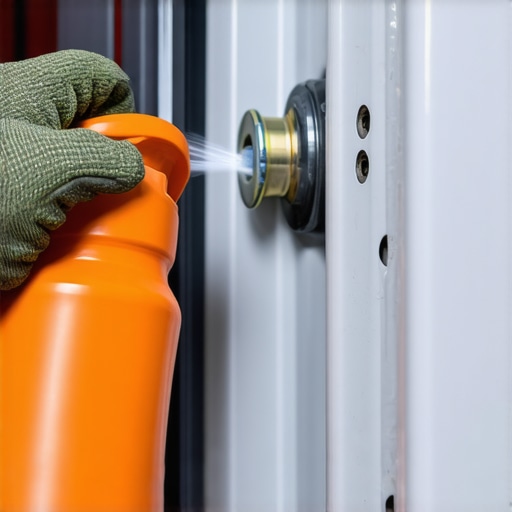
Visualize the process of cleaning and lubricating a door latch with a detailed illustration showing the latch disassembled, cleaned, and lubricated.
Check for Misalignment or Damage
After cleaning, inspect the latch and striker plate for any signs of misalignment or damage. Slight misalignment can cause sticking—adjust the latch or striker gently to align properly. In my experience, a minor bend in the latch assembly can be fixed easily with pliers, restoring full function without replacing parts.
Reassemble and Test
Put everything back carefully, ensuring all screws and bolts are tight. Test the door multiple times—open, close, latch—to confirm smooth operation. Usually, after these steps, the latch operates flawlessly, saving you a trip to the repair shop.
Prevent Future Sticking Issues
Regularly inspect and lubricate the latch and striker plate every six months. Keep the area clean to prevent dirt buildup. Implementing this routine maintenance can extend the life of your door mechanism and avoid unexpected sticking, much like routine auto diagnostics help maintain vehicle performance. For more tips on auto repairs that save money, visit auto repair hacks.
Many car owners operate under common myths or overlook subtle nuances that can significantly impact vehicle longevity and safety. For instance, widespread belief suggests that oil changes are solely about replacing dirty oil; however, modern advancements stress the importance of **synthetic oils and early diagnostics** to prevent engine wear, as highlighted in studies by automotive experts. Notably, relying exclusively on mileage markers without considering driving habits can lead to overdue oil changes, potentially causing sludge buildup and increased engine stress.
When it comes to diagnostics, there’s a trap many fall into: thinking that a generic OBD-II scan provides all the necessary insights. In reality, sophisticated issues require **advanced vehicle diagnostics** to detect subtle problems like sensor drift or electrical ghosts, which often go unnoticed [decoding vehicle diagnostics](https://repairmycarpro.com/decoding-vehicle-diagnostics-what-your-car-is-trying-to-tell-you). Neglecting these nuances can lead to unexpected breakdowns, especially during critical moments, making proactive inspection indispensable.
Braking systems often get oversimplified as just replacing pads when squealing begins. But the reality is more complex—**brake fluid quality, caliper responsiveness, and rotor condition** all intertwine. For example, brake fluid absorbs moisture over time, reducing hydraulic pressure and risking caliper seizure. This subtlety highlights why routine brake bleeding and fluid checks are vital, not just pad replacements. Busting myths around brake repairs is essential for maintaining safety, as discussed comprehensively in [brake service myths](https://repairmycarpro.com/brake-service-myths-busted-what-really-matters-for-safety).
### Why Ignoring Small Indicators Can Cost You
Identifying early warning signs demands an advanced understanding. A slight misfire or a cooling fan running constantly isn’t just minor inconvenience; it’s often an indicator of deeper issues like sensor failures or coolant system problems. Many overlook these signs, assuming they’re routine glitches, but expert advice suggests paying close attention to these subtle cues—sometimes, they’re the only warning before costly repairs. Routine checks and understanding your vehicle’s behavior can help you catch problems early, saving you money and stress.
Have you ever fallen into this trap? Let me know in the comments. Remember, staying informed about these nuances empowers you to maintain your vehicle efficiently and safely, extending its lifespan and saving you money in the long run. For more expert strategies on vehicle maintenance, visit [top-auto-repair-tips](https://repairmycarpro.com/top-auto-repair-tips-to-extend-your-vehicles-lifespan). Your car deserves attention beyond the basics—dig deeper, and you’ll be ahead of the curve.Maintaining your vehicle efficiently requires more than just basic knowledge; it demands the right tools and a systematic approach. Over the years, I’ve honed my toolkit, selecting equipment that not only saves me time but also ensures quality repairs. One of my must-have items is a **diagnostic scan tool**, which I personally use to quickly identify underlying issues. Unlike generic scanners, my preferred device offers **advanced OBD-II capabilities**, allowing me to decode complex error codes and sensor data effortlessly. Regularly updating the software ensures I stay ahead of emerging vehicle systems and potential problems, reducing the risk of breakdowns and costly repairs. Another invaluable tool is a **digital multimeter**, essential for diagnosing electrical faults, especially when dealing with sensor irregularities or wiring issues. For example, when troubleshooting a stubborn engine misfire, I check the **ignition coils and fuel injectors** with precise readings, helping me pinpoint the exact cause without guesswork.>
Every journey with your vehicle is unique, and often it’s the small, overlooked details that hold the key to long-term performance and safety. Over the years, I’ve learned that embracing curiosity and proactive habits can save you significant time and money. For instance, discovering subtle signs like a slight hesitation during acceleration or an unusual smell can prevent major breakdowns down the line. It’s about paying attention to your car’s whispers before they turn into urgent shouts.
The Surprise Lessons That Changed How I Approach Car Care
- Trust Your Gut—And Your Dashlights: That tiny warning light might seem insignificant, but often it’s your vehicle’s way of hinting at deeper issues. Ignoring these signs is a common trap I fell into early on, leading to costly repairs that could have been avoided with early diagnosis. Learning to interpret these signals accurately is a game-changer.
- Small Repairs Have Big Impact: Fixing a loose hose clamp or replacing a worn spark plug might seem trivial, but these minor tweaks can extend your vehicle’s lifespan dramatically. For me, mastering basic auto diagnostics empowered me to handle minor issues myself, reducing reliance on mechanics and fostering confidence.
- Maintenance Is Not Just an Optional Chore: Regular inspections and fluid checks are like routine health check-ups—vital for keeping everything in top shape. I realized that a little extra effort in routine maintenance can catch potential problems early, saving money and stress in the long run.
- Embrace Learning and Curiosity: The more I learned about auto repair, the more empowered I felt. Resources like detailed guides on [auto repair hacks](https://repairmycarpro.com/auto-repair-hacks-save-money-without-sacrificing-quality) and [vehicle diagnostics](https://repairmycarpro.com/decoding-vehicle-diagnostics-what-your-car-is-trying-to-tell-you) have been invaluable. They’ve helped me troubleshoot issues confidently, avoiding unnecessary visits to the shop.
- Consistency Beats Quick Fixes: Short-term patches are tempting, but I found that a consistent approach to maintenance yields the best results. Staying ahead of wear and tear means fewer emergency repairs and safer drives.
Gear Up with Tools That Make a Difference
Having the right equipment transformed how I approach vehicle care. A reliable diagnostic scanner is my go-to for quick problem identification, especially with complex systems. I personally trust devices that provide comprehensive data—like those compatible with the latest vehicle sensors—because they help me understand what’s happening under the hood without guesswork. Additionally, a sturdy multimeter lets me investigate electrical issues precisely, saving me a lot of headaches.
This Is Your Moment to Take Charge
Vehicle maintenance isn’t just for mechanics—it’s a skill that empowers you to protect your investment and ensure safety. Every time you diagnose, troubleshoot, or perform minor repairs, you’re extending your car’s life and boosting your confidence behind the wheel. Remember, the small insights you gather today build a foundation for a more reliable ride tomorrow. Start paying closer attention, ask questions, and don’t be afraid to roll up your sleeves—your car will thank you. For ongoing expert advice, check out [top auto repair tips](https://repairmycarpro.com/top-auto-repair-tips-to-extend-your-vehicles-lifespan) and stay proactive with your vehicle’s health.
What small change are you planning to make today to better understand your car? Share your thoughts below!
,