
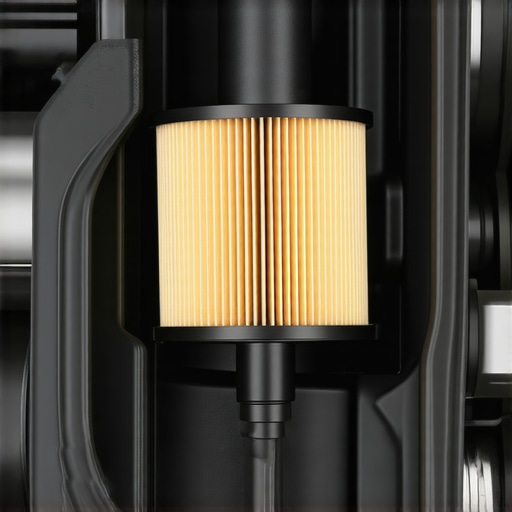
Have you ever been cruising along, only to suddenly feel your car stumble, lose power, or struggle to accelerate? That frustrating feeling of your vehicle fighting against itself can be infuriating, especially when there’s no obvious sign of trouble. I remember my own lightbulb moment—thinking I was facing a major engine problem, only to discover a tiny, hidden culprit: a clogged fuel filter that was silently choking my fuel flow. It was a wake-up call that sometimes, the smallest details make the biggest difference on the road.
Why a Dirty Fuel Filter Could Be Killing Your Car’s Power
Many vehicle owners overlook the fuel filter, assuming it’s a minor maintenance item. But the reality is, this small component plays a vital role in delivering clean fuel to your engine. When it gets clogged with debris and sediment from your gas tank, it restricts fuel flow. The consequence? Your engine struggles to perform, feeling like it’s dragging through molasses instead of roaring down the highway. This isn’t just about sluggish acceleration; it can also cause misfires, stalling, and even damage to sensitive engine parts if left unchecked.
Is Replacing the Fuel Filter Actually Worth the Fuss?
Initially, I was skeptical. “It can’t be that simple,” I thought. But after my own costly misdiagnosis—wasting time and money on unnecessary repairs—I learned the hard way that a clogged fuel filter can be an elusive but common culprit. Regularly replacing this tiny part is one of the most effective ways to maintain optimal fuel delivery and safeguard your engine’s health. Think of it as a filter for your car’s well-being, catching harmful particles before they reach your engine. For more on optimizing your vehicle’s performance, check out these auto repair hacks.
Get the Right Tools and Prepare Your Workspace
Start by gathering a socket set, screwdrivers, pliers, and new fuel filter. Park your vehicle on a flat surface, turn off the engine, and engage the parking brake. Wearing safety gloves and glasses is essential because fuel vapors can be hazardous. To prevent sparks, avoid smoking or open flames nearby.
Locate and Access the Fuel Filter
Depending on your vehicle, the fuel filter might be under the car near the fuel tank or inside the engine bay. Consult your owner’s manual or vehicle diagnostics to identify its exact location. Use a jack and jack stands if you need to lift the car for better access, and ensure it’s secure before working underneath.
Safely Relieve Fuel System Pressure
Before disconnecting any lines, relieve the fuel system pressure to prevent spray. Locate the fuel pump relay and remove it, then start the engine and let it run until it stalls. Alternatively, consult your vehicle’s manual for specific pressure relief procedures. This step reduces the risk of fuel spray, which can be dangerous.
Disconnect Fuel Lines and Remove the Old Filter
Carefully disconnect the inlet and outlet fuel lines using pliers or a screwdriver, depending on the clamp style. Place a rag beneath the connections to catch any residual fuel. Once loose, remove the filter bracket or mounting clips. Take out the old filter, noting the direction of flow indicated by arrows on the component. Remember, connecting the filter backwards can cause further issues.
Install the New Fuel Filter Correctly
Compare the new filter with the old one to verify compatibility. Install the filter in the correct orientation, ensuring the flow arrows point toward the engine. Secure it with mounting clips or brackets, making sure it’s firmly attached. Reconnect the fuel lines, tightening clamps or fittings snugly but avoid over-tightening to prevent damage.
Perform a Test Run and Check for Leaks
Reinstall the fuel pump relay or any disconnected components. Turn the ignition key to the ON position without starting the engine, allowing the fuel pump to pressurize the system. Inspect all connections for leaks or drips. If everything looks good, start the engine and watch for any signs of fuel leakage or trouble.
Enhance Overall Vehicle Longevity
Regularly replacing your fuel filter—every 20,000 to 30,000 miles—is vital for maintaining optimal fuel flow and engine health. Pair this step with other preventive measures like oil changes, brake checks, and tire maintenance. For comprehensive tips, check out top auto repair tips.
 While many car owners believe they understand vehicle diagnostics and maintenance, several nuanced misconceptions persist among even seasoned drivers. For instance, a widespread myth is that reading a diagnostic trouble code (DTC) from an OBD-II scanner provides a complete picture of the vehicle’s health. In reality, these codes are just indicators, not definitive diagnoses. Expert technicians know to interpret these signals in context, often using advanced diagnostics tools to uncover underlying issues. Relying solely on generic codes can lead to misdiagnosis, unnecessary repairs, or overlooked problems, so consulting a professional is always advisable.
Another common mistake involves brake service. Many assume that the presence of brake squeal indicates a need for pad replacement. However, minor squeals can result from brake pad wear indicators or surface rust, not necessarily an imminent failure. Conversely, brakes that feel spongy or have a soft pedal often suggest master cylinder issues or air in the brake lines, problems not visible through surface inspection. Falling for the myth that brakes are maintenance-free can compromise safety and lead to costly repairs. Regular inspections by qualified technicians help identify these subtle issues early.
When it comes to oil changes, many drivers believe that switching to synthetic oil is only necessary for high-performance or luxury vehicles. In truth, synthetic oils offer superior engine protection, especially in extreme temperatures, and can extend oil change intervals. However, using the wrong oil type or neglecting manufacturer recommendations overlooks the importance of proper oil viscosity and additives. An advanced approach involves understanding your engine’s specific needs, which can maximize efficiency and longevity. For an in-depth look into innovative oil technologies, check out this article.
Beyond these, many drivers overlook the nuanced differences in auto repair approaches. For example, neglecting ongoing vehicle diagnostics can cause minor issues to escalate. A small misfire or slight fluid leak, if diagnosed early with advanced diagnostic tools, can prevent major engine or transmission failures. Misconceptions about quick fixes—like using stop-leak additives for radiator leaks—often mask underlying problems, leading to more extensive damage. Reliable repairs require a combination of proper diagnostics, regular maintenance, and expert advice. To learn more about preventing costly breakdowns, visit this comprehensive guide.
Master Your Maintenance Routine with Precision Tools
Staying on top of vehicle repairs and diagnostics requires not just knowledge but the right equipment. I personally swear by a high-quality scan tool like the Autel MaxiCOM, which provides comprehensive ECU readings and live data streams, giving me real-time insights into my car’s health. Unlike generic code readers, MaxiCOM allows me to interpret complex DTCs accurately, avoiding unnecessary repairs.
For brake service, I trust the ABN Brake Caliper Wind Back Tool. This specialized tool makes bleeding and caliper adjustments simple and ensures repairs are done safely and efficiently. Using a basic wrench might suffice minimally, but this tailored tool saves time and reduces the risk of incorrect installation, which could compromise safety — a detail highlighted in my brake guide.
Essential Software for Long-Term Results
Employing diagnostic software like OBDeleven or Patch Away ensures you can decode advanced engine and transmission issues without always visiting a mechanic. I use these tools regularly to monitor ongoing engine parameters, which helps catch issues early. With software updates rolling out regularly, staying current ensures continued accuracy and compatibility, predicting future vehicle trends towards integrated telematics and AI-driven diagnostics.
Keep It Working: How Do I Maintain Vehicle Diagnostics Over Time?
Consistency is key. I recommend creating a maintenance schedule to update your diagnostic tools and software at least biannually. Regularly cleaning sensors like the mass airflow sensor, using guides like this detailed tutorial, helps maintain sensor accuracy, preventing false readings and unnecessary repairs. Also, calibrate your diagnostic equipment periodically, especially if you’re doing high-mileage or off-road driving, where sensor wear accelerates.
Scaling Up for Consistent Results
For those managing multiple vehicles or running a mobile repair setup, investing in a mobile diagnostics lab with cloud connectivity streamlines workflow and enhances data management. Tools like the Snap-on SOLUS Edge coupled with cloud data access allow me to keep detailed records for each vehicle, critical for long-term maintenance planning. As vehicle complexity increases with electric and hybrid models, staying updated with software subscriptions becomes even more vital.
Looking ahead, vehicle diagnostics will increasingly leverage machine learning to predict failures before they happen, much like predictive analytics in healthcare. Using current tools effectively now sets a foundation for embracing these innovations, ensuring your fleet or personal vehicle remains reliable in the future. Don’t forget—try scheduling a comprehensive diagnostic test with your trusted tools today to spot and fix hidden issues early and keep your vehicle running smoothly for miles to come.
The Hardest Lesson I Learned About vehicle diagnostics,brake service,oil change,auto repair
One of my most profound realizations was that rushing through maintenance tasks often leads to overlooked issues. Taking the time to interpret diagnostic codes in context, rather than just chasing the code, prevented unnecessary repairs. Patience and thoroughness truly pay off on the road.
How Proper Tools Transformed My Approach to Car Care
Investing in advanced diagnostic software like professional diagnostic tools changed everything. It allowed me to uncover hidden problems early and saved my vehicle from costly breakdowns. Quality tools are an investment in peace of mind.
The Real Value Behind Regular Maintenance
Initially, I underestimated the importance of consistent oil changes and brake inspections. That oversight almost cost me dearly. Now I see routine checks as vital investments in my vehicle’s longevity, especially when paired with insights from trusted sources like top auto repair tips.
Curated Resources and Tools That Keep Me On Track
- Autel MaxiCOM: A comprehensive scan tool that provides detailed ECU data, helping me interpret complex codes with confidence.
- OBDeleven: A user-friendly software for decoding engine and transmission issues, making diagnostics accessible even for DIY enthusiasts.
- Guides on vehicle diagnostics: Trusted articles that deepen my understanding and sharpen my troubleshooting skills.
Your Path to Smoother Rides Starts Today
Every vehicle owner has the potential to become more proactive and informed about auto repair. Embrace the learning curve, equip yourself with reliable tools, and regularly consult trusted resources. Your vehicle’s health depends on your dedication—so start today and make maintenance a habit that pays off in miles and smiles!