
One rainy afternoon, I was about to head out when I heard it — that irritant tapping noise from my engine. The kind that makes you freeze for a second, wondering if you’ve just driven over a loose bolt. Turns out, that familiar sound only appeared after I changed my oil! Frustrating, right? I’ve been there, scratching my head, thinking, “Did I skip a step?” or worse, causing damage without realizing it.
Discovering the Hidden Sound That Can Signal Bigger Problems
I’ve learned that a tapping noise after an oil change isn’t just a minor annoyance — it can be a sign of underlying issues. Today, I want to walk you through what might be causing that sound and, more importantly, how to troubleshoot it effectively. Over the years, I’ve made countless mistakes during small repairs, like assuming a new oil pan gasket fixed everything when I overlooked a faulty lifter. That experience taught me to double-check every step and understand the real reasons behind engine noises.
Is Fixing This Worth the Hassle or Just a Waste of Time?
Many folks, including myself in the early days, dismiss these noises as minor or normal. But ignoring them can lead to costly repairs down the line. Implementing proper diagnostics doesn’t have to be complicated, especially if you follow the right steps. Using insights from experts, like those at auto repair hacks, I started to see patterns and avoid unnecessary expenses.
One early mistake I made was turning to quick fixes instead of understanding the root cause — a habit many DIYers fall into. Instead, I recommend taking a systematic approach to diagnosing engine noises, especially after something as routine as an oil change. That way, you can save time, money, and prevent further damage. Curious if you’ve experienced similar sounds after your last oil change? Stick around — I’ll show you how to identify what’s really going on with your engine and what steps to take next.
Start with Visual Checks and Basic Diagnostics
Begin by inspecting your engine bay for obvious issues. Open the hood and look for loose or disconnected components, such as vacuum hoses or wiring harnesses, which can cause tapping sounds. Use good lighting and a mirror if needed. A quick visual check can reveal misplaced parts or obvious wear that might be contributing to the noise. Remember, a loose bolt or clamp often creates a tapping that mimics more severe issues, so don’t skip this step.
Confirm Correct Oil Level and Quality
Next, verify that your oil level is within the recommended range using the dipstick. Too little oil causes increased metal-on-metal contact, leading to tapping sounds. If the oil appears dirty or smells burnt, consider doing a synthetic oil flush or an oil change using recent technological innovations that enhance engine protection (see more). Proper oil levels and quality are vital for silent operation; neglecting this can cause or worsen existing noises.
Identify and Inspect Engine Lifters and Valvetrain Components
The most common culprit after an oil change is improperly installed lifters or damaged valvetrain parts. Use a mechanic’s stethoscope or a long screwdriver and listen carefully at different engine points—around the valve cover, intake manifold, and timing chain area. A rhythmic tapping often indicates lifter issues or a valve that isn’t closing properly. I once had a similar experience after replacing my oil filter; I was meticulous, listening and pinpointing the sound, which turned out to be a faulty lifter. Replacing or adjusting these parts requires precise orientation, so consider consulting a guide or professional if uncertain.
Check the Oil Filter and Drain Plug Installation
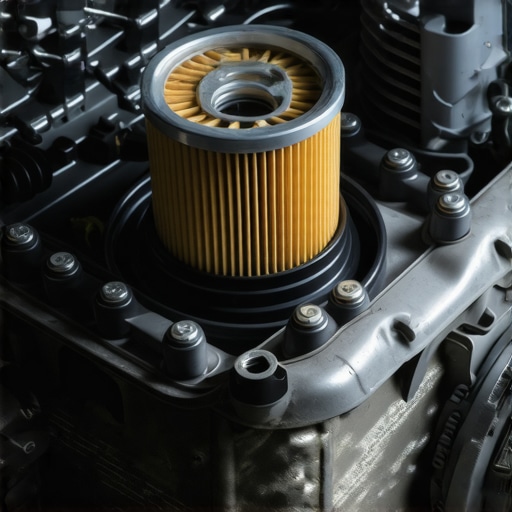
Incorrectly installed or defective oil filters can create tapping sounds. Make sure the filter is securely tightened to the manufacturer’s torque specifications. If a filter is cross-threaded or over-tightened, it can cause vibrations or tapping. Also, examine the drain plug for proper sealing and tightness, as a loose plug may cause oil pressure issues leading to noise. Removing and reinstalling the filter with a torque wrench ensures a proper seal, preventing future problems.
Listen for Timing Chain and Accessory Belt Issues
Wear in timing chains or serpentine belts can produce rhythmic tapping sounds that may be mistaken for valvetrain problems. Inspect these components visually for cracks, slack, or looseness. Use a mechanic’s stethoscope to listen at the front of the engine while running at idle. If belts or chains are damaged, replacing them at the first sign of trouble can save you from more costly breakdowns. Remember, belts and chains are vital for engine timing and operation, making their maintenance critical.
Test Engine Mounts and Insulation
Engine mounts keep your motor secure; if worn or broken, engine vibrations can transfer and cause tapping sensations or noises. Gently bounce the vehicle at each corner or observe engine movement when shifting gears. Replace any damaged mounts promptly; this will eliminate unnecessary vibration and noise, restoring smooth operation.
Use Diagnostic Tools for Precise Troubleshooting
If the noise persists after these checks, employing vehicle diagnostics tools can offer clarity. An OBD-II scanner can reveal overlooked issues like misfires or sensor errors that might contribute to the noise. For more advanced checks, consider professional diagnostics at a certified repair shop. Also, familiarizing yourself with decoding vehicle diagnostics (learn how to decode car codes) can empower you to identify issues early, saving money and reducing stress.
Perform a Test Drive and Final Inspection
After completing repairs and checks, take the vehicle for a cautious test drive. Listen carefully for the tapping sound. If it persists, revisit earlier steps or consult a professional. Sometimes, noises can be subjective or caused by a combination of issues, so a systematic approach ensures nothing is missed. Document any unusual behaviors or sound patterns to assist in future troubleshooting or when consulting a mechanic.
Remember, consistent maintenance and attentive diagnostics prevent small issues from escalating, saving you both time and money. For more detailed tips on extending your vehicle’s lifespan, visit auto repair tips.
 Many car owners operate under misconceptions that can lead to costly mistakes, especially when it comes to routine maintenance and diagnostics. A prevalent myth is that all oil changes are the same and that using the cheapest oil is always adequate. In reality, the type of oil, the quality of the filter, and the precision of the drain plug torque significantly influence engine longevity. For instance, investing in high-quality synthetic oils with advanced additive packages can better prevent engine wear (more on oil change tech). Experts warn that neglecting proper oil viscosity and not adhering to manufacturer torque specs when replacing filters can cause leaks and engine noises, which are often overlooked but critical for diagnosing potential issues.
Contrary to popular belief, vehicle diagnostics isn’t just about reading error codes off a scanner. Many enthusiasts think that if the check engine light isn’t on, everything’s fine. However, subtle issues like misfires, sensor discrepancies, or vacuum leaks can go unnoticed without deep diagnostic checks. Advanced diagnostics involve analyzing sensor data patterns and understanding how various systems interact (discover how diagnostics prevent breakdowns). Missing these nuances can result in a vehicle functioning seemingly normally but losing efficiency and performance over time.
When it comes to brake service, some believe that a simple pad replacement suffices. While pads are critical, overlooking the importance of rotor condition—such as warping or uneven wear—can undermine safety. Moreover, the misconception that brake fluid does not need changing unless there’s a leak can be dangerous; brake fluid absorbs moisture over time, reducing braking effectiveness (learn about brake fluid maintenance). Regularly flushing brake fluid helps prevent corrosion and ensures consistent brake pedal feel.
Now, let’s address a question many advanced enthusiasts ask: How can understanding subtle signs and advanced diagnostics prevent catastrophic failures?
Can small indicators really warn us of impending engine breakdowns?
Absolutely. Small fluctuations in odometer readings, slight changes in driving behavior, or intermittent noises often signal underlying problems. For example, a rhythmic ticking after an oil change might indicate a faulty lifter, but misinterpreting this as benign can lead to serious damage. Modern diagnostics tools, when used properly, can interpret sensor data patterns to diagnose issues before they become costly repairs (decode what your car is trying to tell you). Being aware of these nuances is the difference between a quick fix and a roadside breakdown.
Imagine the savings and safety benefits of catching a failing timing chain or a worn-out transmission sensor early. It’s about shifting from reactive to proactive maintenance. So next time you’re planning a routine check or a minor repair, remember that these hidden details and misconceptions can make all the difference in keeping your vehicle reliable and safe.
Have you ever fallen into this trap? Let me know in the comments.
Essential Tools for Auto Maintenance You Can Trust
Maintaining your vehicle over the long term requires more than just intuition; it demands precision tools that ensure each repair or diagnostic step is accurate. One of my go-to instruments is a high-quality digital multimeter. I personally use the Fluke 115 because it offers reliable readings for both voltage and resistance, which are crucial when diagnosing electrical issues like faulty sensors or ignition problems. Using an unreliable multimeter can lead to misdiagnoses, causing you to chase non-existent faults or worse, replace perfectly good components.
Another indispensable tool is a mechanic’s stethoscope. I prefer the Stahlwille MTS 15, as it allows me to pinpoint tapping or knocking sounds within the engine bay without invasive procedures. This tool has saved me countless hours by quickly identifying whether a noise stems from lifters, valves, or accessory belts.
For those who prefer digital diagnostics, investing in an OBD-II scanner like the BlueDriver Bluetooth Pro has transformed my approach to vehicle maintenance. It provides real-time data and detailed error code analysis, which helps me assess whether ongoing issues—like subtle misfires—are developing before they trigger the check engine light. Regular use of diagnostic software complements your mechanical inspection and ensures you catch problems early.
What I Wish I Knew Before Starting My Auto Repair Adventures
One of the biggest lessons I learned was that not every noise or issue can be solved with quick fixes. Sometimes, taking a step back to understand the root cause saves time and money—remembering that a tapping sound could be a sign of deeper valvetrain problems or even a worn timing chain.
How Personal Experience Transformed My Maintenance Approach
My own mishaps, like ignoring subtle engine noises or misdiagnosing a faulty sensor, taught me the importance of proper diagnostics and patience. Investing in reliable tools, such as a quality OBD-II scanner, proved invaluable in identifying issues early and avoiding costly repairs.
Why Sharing Knowledge Amplifies Your Auto Repair Confidence
Collaborating with fellow enthusiasts and professionals revealed that no one knows everything. Embracing forums and expert resources—like auto repair hacks—helped me develop a proactive mindset, preventing small problems from turning into emergencies.
Turning Mistakes Into Mastery for Better Vehicle Care
Every misstep, from misjudging oil quality to overlooking loose components, became a chance to learn. Over time, I realized that attentive inspection, systematic troubleshooting, and continuous learning are key. Carefully following manufacturer torque specs and using precise diagnostic tools have become my best allies in maintaining reliability.
Where My Journey Continues and How You Can Start Yours
Remember, mastering auto repair is a marathon, not a sprint. Every problem you facing today is an opportunity to become more confident and resourceful. Whether you’re just starting or seeking to refine your skills, tapping into trusted resources like top auto repair tips will guide you towards a better, safer driving experience.
My Essential Toolkit for Better Auto Maintenance
Equipping yourself with reliable tools makes all the difference. A high-quality multimeter like the Fluke 115 can help diagnose electrical issues accurately, while a dependable mechanic’s stethoscope, such as the Stahlwille MTS 15, allows pinpointing mysterious noises. Additionally, an OBD-II scanner like the BlueDriver Bluetooth Pro transforms how I monitor ongoing diagnostics, making proactive maintenance manageable.
Your Turn to Embrace the Secrets of Auto Care
Every engine noise, every dashboard warning, is an opportunity to learn more about your vehicle and extend its lifespan. Approach maintenance with curiosity and confidence—you’re more capable than you think. What’s a small repair or check you’ve been hesitant to try? Share your experiences below and let’s grow our skills together.
,