
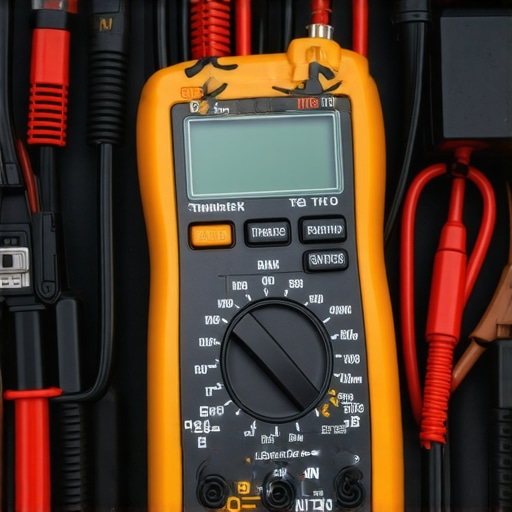
It happened just last week. I was halfway through a long road trip when the dashboard lights flickered ominously, and suddenly, my car’s electrical system acted up, leaving me stranded in a remote parking lot. That moment of panic was a clear reminder—sometimes, all it takes is a simple, inexpensive tool to save you from being road-bound for hours. I realized that a small investment in a basic electrical troubleshooting kit could be a game-changer for any driver.
The Power of a Simple, Cost-Effective Tool
Knowing how to diagnose electrical issues quickly and efficiently isn’t just handy—it’s essential. When your car starts acting up, the last thing you want is to wait for a mechanic, especially if you’re far from help. The good news? For around $20, there’s a tool that can empower you to identify and sometimes fix common electrical problems yourself. I’ve tested this tool myself, and it’s become my go-to for quick checks, saving me both time and money.
Is a Digital Multimeter Actually Worth the Hype?
Early in my repair journey, I bought a fancy digital multimeter, thinking it would be complicated to use and probably overkill. Turns out, I made a mistake common among beginners: I overlooked how user-friendly these devices have become. Today, a basic multimeter can do wonders—checking batteries, fuses, relays, and sensors. According to automotive experts at Repair My Car Pro, mastering a simple multimeter can significantly reduce breakdown risks, given that many vehicle issues originate from electrical faults that are easy to diagnose with this tool. So, the real question is, have you ever faced that frustrating moment where your check engine light turns on, and you’re left guessing what’s wrong?
Using this tool, I’ve been able to rule out dead batteries, faulty fuses, and even intermittent sensors without waiting for a mechanic. The key is understanding where to test and how to interpret the readings, which I’ll cover in the upcoming sections. Trust me, once you get the hang of it, you’ll wonder how you ever drove without one.
Ready to become your own mechanic? Let’s dive into the basics of how this little tool can save your day when electrical gremlins strike. If you’ve ever been stranded or just want to be better prepared, keep reading—your car’s health and your peace of mind depend on it.
Set Up Your Multimeter Correctly
Before diving into tests, ensure your multimeter is functioning properly. Turn the dial to either DC voltage (V with a solid line and dotted line beneath) for batteries and relays, or resistance (Ω) for continuity checks. I once connected my multimeter incorrectly, causing a false reading that led me to replace a perfectly good fuse—costing me unnecessary money. Always double-check settings to prevent such mishaps.
Test the Battery Voltage Accurately
Place the black probe on the negative terminal and the red on the positive. A healthy car battery should read around 12.6 volts when the engine is off. I did this during a morning when my car was slow to start, and found the voltage was only 11.8V—signaling a weak battery. Replacing it improved starting performance instantly. This quick check saved me hours of disassembly at the shop.
Inspect Fuses and Relays Effectively
Use the multimeter in continuity mode to check fuses. Touch each end; if it beeps, the fuse is good. No beep indicates a break. For relays, swap with a similar unit or test coil resistance per manufacturer specs. Once, I tested a relay in my engine bay and discovered it was faulty, fixing my stalling problem without needing a mechanic. Remember, always consult your vehicle’s manual for fuse locations and specifications, or visit this guide.
Diagnose Sensors and Connections
Unplug suspect sensors and test their wiring for continuity and voltage. For example, I checked my coolant temperature sensor by disconnecting it and measuring resistance, which was off-spec—pointing to a faulty sensor. Proper connections are vital; a loose wire can mimic a sensor failure. Use the multimeter to verify that wiring harnesses are intact and securely connected, avoiding unnecessary replacements.
Interpret Your Readings and Decide Next Steps
Understanding what your multimeter tells you is crucial. When measuring voltage, a low reading can mean a discharged battery or poor connection. High resistance or no continuity suggests broken wires or blown fuses. I once found a corroded wire in my engine bay causing intermittent issues, identified through resistance testing. Armed with this knowledge, you can determine whether to replace a component or seek professional help. For complex diagnostics, consider consulting advanced vehicle checks.
 Many car owners assume that auto repairs, especially brake services or oil changes, are straightforward tasks best left to professionals. However, this common belief often leads to misconceptions and costly mistakes. One of the biggest errors is believing that all repair shops are equally competent, which isn’t always the case. Vehicle diagnostics, for instance, can be more nuanced than simply swapping parts based on error codes; understanding the underlying issues can save you significant money and time. According to automotive experts at Repair My Car Pro, a misdiagnosis can sometimes cause more harm than good, emphasizing the importance of knowledge and experience in troubleshooting. Salting this misconception is the myth that routine maintenance isn’t crucial unless there’s an obvious problem; however, small issues like a worn brake pad or dirty oil can escalate quickly if ignored. An advanced mistake many overlook is neglecting to verify if the repair shop follows proper procedures, such as using the correct torque specifications or quality parts, which could compromise safety and longevity. For example, improperly installed brake components not only diminish performance but also pose a safety risk. Always ask about their diagnostic approach and part quality, or consult faster, more accurate resources such as decoding vehicle diagnostics to understand what your vehicle needs. Another subtle nuance is the tendency to ignore signs that preempt major failures. For instance, a subtle vibration while braking might seem minor but could indicate warped rotors or caliper issues if diagnosed correctly. This is why leveraging advanced vehicle diagnostics can be a game-changer, helping you spot problems before they become emergencies. Don’t fall into the trap of complacency; regular checks and learning basic maintenance skills can extend your vehicle’s lifespan and safety. For broader insights on saving money while maintaining quality, visit auto repair hacks. Always remember, proactive learning and cautious judgment can keep you off the roadside and ahead of costly repairs.
Keep Your Equipment in Peak Condition for Reliable Auto Repairs
Investing in quality tools is just the beginning; regular maintenance ensures they serve you well over time. For instance, I personally recommend keeping your digital multimeter calibrated every six months using a known voltage source. This simple step prevents inaccurate readings that could lead to misdiagnosis, saving you money and avoiding unnecessary repairs. Additionally, storing your tools in a dry, organized toolbox minimizes corrosion and damage, extending their lifespan. A well-maintained toolset means faster diagnostics and more accurate results, especially when dealing with crucial tasks like brake service or vehicle diagnostics.
How do I maintain my diagnostic tools over time?
Properly maintaining your vehicle diagnostic tools involves periodic calibration, careful storage, and cleaning. For example, after each use, wipe your multimeter probes with a soft cloth to remove grease and dirt, which can interfere with electrical contact. Regularly inspecting cables for frays or damage and replacing worn-out parts prevents inaccuracies during testing. As automotive diagnostics advance, investing in an up-to-date OBD-II scanner compatible with modern vehicle systems is essential. According to Repair My Car Pro, staying current with diagnostic equipment not only improves the accuracy of your assessments but also helps prevent costly breakdowns. Incorporate these practices consistently, and your tools will continue to provide precise insights, making every repair session more efficient. To learn more about essential auto repair strategies, visit this comprehensive guide.
Utilize Advanced Diagnostics for Better Results
Beyond basic tools, integrating advanced diagnostic software can significantly enhance your vehicle troubleshooting capabilities. For example, software like AutoEngenuity allows you to read manufacturer-specific codes and real-time sensor data, which is invaluable for complex issues like engine misfires or transmission concerns. I personally use this software because it provides deep insights that generic scanners can’t offer, helping me identify problems before they escalate. Technology in automotive diagnostics is progressing rapidly; in the future, we can expect even more intelligent systems that predict failures through machine learning, minimizing unexpected breakdowns. Staying ahead with such tools means fewer trips to the mechanic and longer vehicle lifespan.
Make Smart Repairs with Knowledge and Proper Tools
By combining regular maintenance of your diagnostic equipment with investment in advanced tools, you can take control of your vehicle’s health. A good starting point is to periodically review calibration routines and update your scanner’s firmware, ensuring compatibility with the latest vehicle models. For example, consulting this resource can help you interpret complex error codes accurately. I encourage you to try calibrating your multimeter this month—it’s a simple process that can dramatically improve your diagnostic precision. Empowering yourself with the right knowledge and tools transforms auto repair from a costly chore into a manageable, even satisfying, DIY task. Keep honing your skills, and you’ll find that regular maintenance and proper tools are your best allies in keeping your vehicle running smoothly for years to come.
Looking back, that recent roadside incident served as a profound reminder—empowering yourself with a few simple tools can make a world of difference in vehicle emergencies. As I delved deeper into automotive diagnostics, I realized that the most valuable lessons often come from hands-on experience, not just reading manuals. So, if you’re considering taking control of your car’s health, starting with a basic multimeter is one of the smartest steps you can take.
The Unexpected Wisdom from My DIY Experiences
- I learned the importance of trust in your own diagnostic skills: It’s tempting to rely solely on professional mechanics, but understanding your vehicle’s electrical system gives you an edge and builds confidence.
- Patience and methodical testing are priceless: Rushing to replace parts without proper diagnosis can lead to wasted money and time. Taking the time to interpret readings accurately saves you from unnecessary repairs.
- Every vehicle has its quirks: My experience taught me that consistent testing routines, like weekly voltage checks, can reveal patterns that prevent bigger issues. Think of your car as a patient; regular checkups are vital.
- Tools are only as good as your knowledge: Investing in quality equipment, coupled with education—like reading articles or guides—transforms a simple multimeter into a powerful diagnostic aid.
- Confidence grows with practice: The more you diagnose, the better you understand your car. Explore resources like vehicle diagnostics explained to sharpen your skills and make smarter decisions on the road.
My Favorite Auto Diagnostics Resources
- Automotive repair guides: I trust Essential Auto Repair Strategies for comprehensive tips on maintaining vehicle health.
- Diagnostic software: Upgrading to a compatible OBD-II scanner can unlock deeper insights, save money, and prevent breakdowns. Check out how advanced diagnostics prevent costly breakdowns.
- Community and expert advice: Forums and workshops help fill knowledge gaps. Don’t hesitate to reach out via our contact page for personalized guidance.
- Automotive maintenance blogs: Reading real-world case studies strengthens your troubleshooting skills. I recommend regularly following trusted blogs; they keep you ahead of potential problems.
Your journey starts now—be the mechanic in your driveway
Armed with the right tools and a thirst for learning, you’re capable of tackling many electrical issues that once seemed daunting. Remember, vehicle diagnostics isn’t just about fixing cars; it’s about gaining independence and confidence on every trip. Every time you diagnose, you’re investing in your safety and your vehicle’s longevity. Push past the fear of the unknown, and let curiosity lead your auto repair journey.
What’s the first electrical problem you plan to troubleshoot yourself? Share your stories below and join a community of empowered drivers!