
It happened to me on a chilly morning, just as I was pulling out of my driveway. That sudden loud pop when I shifted into reverse made me jump, and I wondered if I had just cracked something important. Turns out, many car owners experience this intimidating noise, and it’s more common than you might think. If you’ve ever felt that immediate ripple of concern at the sound of a loud pop, you’re not alone. Today, I promise we’ll uncover what causes that startling noise and how you can address it without unnecessary stress or big bills.
Is That Noise Actually Something Serious or Just a Phony Alarm?
I remember my early days of car ownership, rushing to fix every tiny squeak and squeal. One mistake I made early on was assuming every sound signaled disaster. But with a bit of patience and some guidance, I learned that not all noises mean costly repairs. That first loud pop when shifting into reverse was actually a sign that I needed to look into my drivetrain components, especially parts like CV joints or differential bearings. Ignoring such sounds can lead to bigger issues down the line, according to vehicle diagnostics experts. Specifically, a study highlighted that early detection of drivetrain noises can prevent costly replacements later on [source](https://repairmycarpro.com/vehicle-diagnostics-explained-easy-checks-before-your-road-trip). By understanding the sound’s cause, you can decide whether to tackle it yourself or seek professional help.
Have you faced that startling reverse pop yourself? If so, let’s dive into what this noise might mean and how to handle it effectively.
Locate the Source of the Noise
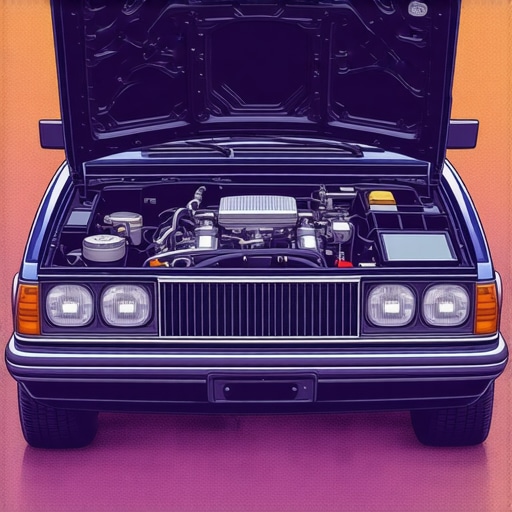
Begin by safely parking your car on a level surface and engaging the parking brake. Open the hood and inspect the drivetrain components: look at the CV joints, axle shafts, and differential for obvious signs of wear or damage. Take a flashlight and examine the area around the CV boots for tears or leaks, which can cause clicking or popping noises during reverse. I once noticed a torn CV boot on my old sedan during a routine check, which explained the load popping sound. Replacing a torn boot prevented further damage to the CV joint itself.
Test the Suspected Components
Safely lift the vehicle using a jack and jack stands to access the undercarriage. Manually rotate the wheels and observe movement or play in the CV joints and axles. If you hear clicking, or feel excessive play, it’s a sign of failing CV joints. For differential issues, check for fluid leaks or signs of metal shavings in the fluid—use a clean cloth to inspect or replace the fluid if necessary (vehicle diagnostics).
Address or Further Diagnose
If you identify damaged components like torn CV boots or worn joints, you can replace them yourself if you’re comfortable with automotive work, or seek professional help. For preventive maintenance, replacing CV boots can be a cost-effective fix that prevents complete joint failure. Remember, a failing CV joint can lead to complete wheel separation if ignored, so timely intervention is crucial.
Inspect Associated Parts
Check the differential fluid level and quality—low or dirty fluid can cause uneven movement and noise. Refill or flush as needed following your vehicle’s service manual. Also, examine the driveshaft connections for looseness or damage, which can amplify noise during reverse. If uncertain, a professional diagnostic can pinpoint the exact cause efficiently, possibly saving you from costly repairs later. For a comprehensive approach, consider leveraging advanced diagnostics.
Test Drive After Repairs
After addressing suspected issues, take the car for a slow, cautious test drive in a safe area. Shift into reverse and listen carefully for the noise. If the loud pop has diminished or disappeared, your repair was successful. If not, revisit the components or consult a professional. Remember, consistent noise or new symptoms mean further investigation is necessary to avoid potential breakdowns or accidents.
Many car owners operate under assumptions that can lead to costly mistakes, especially when it comes to essential services like brake repair, vehicle diagnostics, or routine oil changes. Let’s dig deeper into some common misconceptions and reveal the hidden nuances that can make your maintenance more effective and affordable.
Are all mechanic suggestions necessary or is some advice just sales tactics?
One widespread myth is that every recommended repair or service is critical for safety and longevity. In reality, seasoned technicians often prioritize repairs based on real urgency, not just profit motives. For example, a technician might suggest replacing your brake pads even when they’re well within safe limits, simply because it’s easier to push a scheduled repair rather than waiting for the wear to become dangerous. Being aware of typical upselling techniques helps you make informed decisions, especially when seeking affordable yet reliable auto services. To stay ahead, check out reliable strategies on auto repair hacks that empower you to recognize unnecessary work.
Beware of the “Oops” factors that catch many off guard. One common trap involves neglecting small fluid leaks during oil changes or diagnostics, which often seem insignificant but can lead to severe engine damage if left unchecked. For instance, a minor coolant leak might be mistaken for a non-urgent issue, yet it could lead to overheating and head gasket failure. Professionals recommend regular inspections and catching these issues early—best achieved through proper diagnostics. Missing these signs can cost you thousands in repairs.
How does one tell if a diagnostic tool or mechanic is truly accurate? Learn to ask the right questions about the methods used and request a second opinion if necessary. Advanced diagnostics rely on sophisticated sensors and algorithms, but not every shop has the latest equipment. An ideal approach combines technical insights with your own observations. For example, if your Check Engine light flashes intermittently, it could indicate a misfire—yet some diagnostic codes are misinterpreted or reset prematurely, masking core issues. For a deeper understanding of what your car is trying to tell you, explore decoding vehicle diagnostics effectively.
Ever hear that frequent oil changes are the key to engine longevity? While they are vital, the real nuance lies in using the right oil type and change interval for your specific engine. Synthetic oils often outperform conventional oils, especially in extreme conditions. Moreover, overchanging oil can be just as harmful as neglecting it, causing unnecessary waste and expense. Learn about the latest oil change innovations that help you save money and protect your engine’s health. Remember, quality matters more than frequency in many cases.
Have you ever fallen into this trap? Let me know in the comments about your experiences with routine maintenance or diagnostic surprises. Awareness of these hidden nuances helps you avoid costly surprises and keeps your vehicle running smoothly for miles to come.Maintaining your vehicle’s performance over the long term requires more than just basic knowledge; it demands investing in the right equipment and adopting effective methods. As a seasoned auto enthusiast and repair hobbyist, I’ve found that specific tools and software can make diagnostics, repairs, and routine maintenance more accurate and less stressful. One of my top picks is the code reader, particularly the OBD-II scanner. I favor the Autel MaxiCOM MK808 because it combines comprehensive diagnostics with user-friendly interfaces, enabling me to pinpoint issues without unnecessary guesswork. For example, it helps me decode complex engine codes effortlessly, saving time and money. Another essential is a quality jack and jack stands, like the Arcan ALJ3T, which I use regularly to safely lift vehicles for inspections or repairs undercarriage parts, especially when replacing CV joints or inspecting differential components. Safety is paramount, and investing in durable, certified equipment pays off in the long run. If you’re into routine tasks such as oil changes, having a reliable oil extractor like the Mityvac MV6835 speeds up the process and minimizes mess. I also recommend using cleaning tools like compressed air, which helps me clear out engine bays and filters efficiently. Looking ahead, I predict that vehicle diagnostics will become even more integrated with smartphone apps and AI-driven analysis, making it easier to maintain your car remotely. While the technology evolves, mastering current diagnostic tools and proper repair methods provides a solid foundation.
How do I maintain my vehicle’s health over time?
Regularly updating diagnostic software and keeping a detailed maintenance log are crucial. For example, scheduling periodic checks of differential fluid and CV boots prevents issues from escalating. A good practice is to perform advance checks before long trips by using tools like vehicle diagnostics explained in the [easy-checks guide](https://repairmycarpro.com/vehicle-diagnostics-explained-easy-checks-before-your-road-trip). This proactive approach helps catch problems early, saving you from costly breakdowns. Remember, quality tools not only ease repairs but also improve safety and long-term vehicle health. So, I encourage you to try upgrading to a trusted diagnostic scanner and incorporate routine inspections with reliable hand tools. Over time, you’ll notice better vehicle performance and fewer surprises on the road. For expert advice tailored to your specific vehicle, don’t hesitate to contact professionals through our [contact page](https://repairmycarpro.com/contact-us). Investing in the right tools today ensures your vehicle keeps running smoothly for miles to come.
From my own experience, those unexpected loud pops when shifting into reverse can set off alarm bells but often turn out to be manageable with the right approach. Knowing the behind-the-scenes causes of this noise not only saves you money but builds confidence in handling your vehicle’s health.
What Hidden Lessons Can Your Car Teach You About Maintenance
- Sometimes, those startling sounds are not signs of imminent disaster but signals that prompt a closer inspection. The key is patience and learning to interpret your vehicle’s language, which can prevent small issues from becoming big expenses.
- I’ve realized that routine checks on components like CV joints and differential fluid can catch problems early, turning maintenance from a chore into a proactive shield against costly repairs.
- Understanding the intricacies of drivetrain components has transformed my approach from reactive to preventative, emphasizing that knowledge truly is power when caring for your car.
Tools and Resources That Keep My Vehicle Running Smoothly
- An OBD-II scanner like the Autel MaxiCOM MK808 is invaluable for quick diagnostics and understanding what your car is communicating, making repairs more precise and less stressful.
- Quality safety equipment such as Arcan ALJ3T jack stands ensures that lifting your vehicle for inspections or repairs is safe and efficient, giving peace of mind during DIY projects.
- Keeping a detailed maintenance log helps me stay ahead of potential issues, ensuring no warning signs are overlooked when it comes to differential fluid or CV boots.
- I’ve also found that referencing trusted guides, like those on vehicle diagnostics, provides practical insights that empower me to make informed decisions.
Embrace Your Role as Your Car’s Caretaker
Remember, the road to a long-lasting, reliable vehicle is paved with proactive care and ongoing learning. With the right tools, knowledge, and attitude, you can transform stress into confidence and avoid the trap of unnecessary repairs. Your next repair or check could be the one that keeps your journey smooth and safe for miles to come. Are you ready to take charge of your vehicle’s health? Share your experiences or questions below—I’d love to hear them!