
I’ll never forget the rainy Tuesday I nearly rolled right through a busy intersection. I pressed the brake pedal, and instead of that reassuring grab, I heard a faint, rhythmic hiss—like a tiny snake was hiding under my dashboard. My leg felt like it was trying to push through a solid concrete wall. It’s a terrifying sensation when you realize your stopping power has basically vanished. I made a huge mistake back then by immediately buying a new master cylinder, thinking the hydraulics had failed. It was a total waste of time and money because the real culprit was a tiny air leak in the vacuum booster. Today, I’m going to show you exactly how to spot those signs yourself so you don’t end up throwing parts at a problem like I did. It’s not just about the safety risk—though that’s obviously the big one. It’s the sheer exhaustion of driving a car that feels like a workout. I remember my wife refusing to drive our old sedan because she didn’t have the leg strength to stop it. At first, I laughed it off, but after taking it for a spin around the block, I realized she was right. Every stoplight was a gamble.
Stop Fighting Your Brake Pedal Every Time You Slow Down
A brake booster is one of those parts you never think about until it stops working, and then it’s the only thing on your mind. Most modern cars rely on engine vacuum to help multiply the force your foot applies to the master cylinder. When that vacuum seal fails, you’re essentially trying to stop a two-ton machine with nothing but your own leg muscles. If you’ve noticed your brake pedal sinks slowly while waiting at red lights or feels unusually stiff, you’re getting a warning signal from your car. Have you ever felt like you had to use both feet just to come to a halt at a stop sign? It’s more common than you think, especially as rubber seals age and crack. The booster is that big, black, round drum-looking thing bolted to the firewall, right behind your master cylinder. Inside, there’s a flexible diaphragm that separates two chambers. When you hit the brakes, the pressure difference helps you out. If that diaphragm gets a pinhole leak, the whole system loses its oomph. [image_placeholder_1]
Could Your Brake Booster Be Faking a Massive Failure?
You might be worried that a stiff pedal means your entire braking system is toast, but often it’s just a simple air leak. Many drivers get spooked by common brake service myths that suggest every noise requires a thousand-dollar overhaul. In reality, a leaking booster often presents as a rough engine idle when the brakes are applied. According to the Car Care Council, unaddressed vacuum leaks can even lead to engine misfires because they lean out the fuel-to-air ratio by introducing unmetered air into the combustion chamber. It sounds crazy that a brake part could make your engine shake, but that vacuum hose connects directly to your intake manifold. I’ve seen folks spend a fortune on brake service they didn’t need because they misdiagnosed a simple vacuum hose or a failing internal diaphragm. If your brake fluid is low even though you don’t see a leak, that’s one thing, but a constant whooshing sound is a dead giveaway for air issues. Have you ever dealt with a brake pedal that fought back when you tried to stop? Tell me your story in the comments. Let’s get into the nitty-gritty of the tests you can do in your driveway with zero special tools.
Put Your Leg to Work with the Engine-Off Test
Before you even turn the key, you can gather the most important data about your brake booster’s health. With the engine completely off, pump the brake pedal three to five times. You should feel the pedal get progressively firmer and “higher” until it barely moves at all. This is you manually exhausting the stored vacuum inside the booster drum. If the pedal never gets hard and just feels like mush, you’re likely looking at a hydraulic issue rather than a vacuum one. I remember a weekend spent chasing ghosts on an old 1994 Ford truck because I skipped this five-second check; I assumed it was the booster, but it was actually a failing master cylinder. If you’re doing this solo, knowing the trick to bleeding brakes alone without a helper can save your sanity, but the pedal-pump test is your first line of defense.
The Magic Moment Your Pedal Drops After Ignition
Once you’ve pumped the pedal until it’s rock hard, keep your foot firmly on it with steady pressure. Now, start the engine. If the booster is doing its job, you’ll feel the pedal drop slightly toward the floor—usually about an inch or so. This is the “assist” kicking in. If the pedal pushes back against your foot or stays frozen like a block of wood, the vacuum isn’t reaching the internal diaphragm. #IMAGE_PLACE_HOLDER_B#
Find the Leak with This Simple Soapy Water Hack
Sometimes the leak isn’t inside the big black drum; it’s in the hose leading to it. Your engine needs a sealed environment to run right, which is why how to tell if your engine misfire is mechanical or electrical often starts with checking for vacuum leaks. Grab a spray bottle with some soapy water. While the engine is idling, spray the vacuum hose and the check valve on the booster. If the engine idle smooths out or you see bubbles being sucked in, you’ve found your culprit. I once watched my neighbor replace his entire braking system on his driveway when a $10 piece of cracked rubber hose was the only thing wrong. It’s a classic example of why vehicle diagnostics explained easy checks before your road trip should be mandatory for every car owner.
Listen for the Snake Hiss Under Your Dash
If the engine-on test failed and your hoses look good, stick your head near the brake pedal and listen closely while someone else starts the car. A failing internal seal will often create a constant wheezing or hissing sound that changes when you press the pedal. This is air bypassing the diaphragm. This isn’t just a nuisance; it’s a massive safety hazard that can lead to the ultimate guide to brake service for safety and performance becoming a necessary repair much sooner than you planned. If you’ve ever wondered how to find a vacuum leak with soapy water and a hand pump, the booster is the perfect place to practice. A quiet booster is a happy booster; any noise at all from the footwell is your car screaming for help.
Test the Check Valve Before Scrapping the Booster
The little plastic elbow where the vacuum line enters the booster is actually a one-way check valve. Its job is to keep vacuum inside the drum even when the engine isn’t creating any. Pull it out of the rubber grommet—it should pop like a wine cork. Blow into it from the hose side; air should pass. Blow from the booster side; it should block completely. If it lets air through both ways, you’ve found a cheap fix for a major headache. I once spent an hour cleaning one with carb cleaner just to get a car home, and it worked perfectly.While testing the check valve is a great start, there is a much bigger trap I see DIYers—and even some seasoned pros—fall into constantly. We live in an era where everyone has a cheap reader in their glovebox, leading to the biggest myth in modern car care: that the car tells you exactly what is wrong. It does not. A code for a ‘Lean Condition’ doesn’t automatically mean you need a new oxygen sensor; it often means the sensor is doing its job and reporting a problem elsewhere, like that leaky brake booster we just discussed. In fact, industry reports from major aftermarket parts retailers suggest that nearly 30% of sensors returned as ‘defective’ are actually perfectly functional. The real culprit is often a wiring issue or a mechanical failure masquerading as an electrical one. This is why decoding vehicle diagnostics requires a skeptical mind, not just a scanner. 
Why Your Scan Tool Might Be Lying to You
If you have ever used an OBD-II scanner that can’t find the real electrical ghost, you know the frustration of a car that drives poorly despite a ‘clear’ scan. The computer only monitors circuits, not physical hardware integrity. For example, a failing brake booster can cause a misfire code that leads you to buy new spark plugs and coils when the engine is actually just sucking in unmetered air through a torn diaphragm. This ‘Oops Factor’ costs owners hundreds of dollars every year. I always tell my friends to look at the data stream, not just the fault code. If your long-term fuel trims are through the roof but the car runs better when you pinch off the vacuum line to the booster, the computer isn’t wrong—it’s just giving you one piece of a much larger puzzle.
The Dirty Truth About Clean Oil
The same logic of ‘looking deeper’ applies to your routine maintenance. I’ve met plenty of drivers who swear their engine is pristine because the oil on the dipstick looks golden after several thousand miles. In my experience, that can actually be a red flag. Modern detergents are specifically designed to scrub the engine and suspend contaminants. If your oil is staying perfectly clear, it might not be doing its job of cleaning the internals. There is often hidden sludge building up behind your clean dipstick that eventually restricts flow to critical components like the turbocharger or variable valve timing solenoids.
Stop Ignoring the Nuances of Brake Feel
When it comes to brake service myths busted, the idea that a stiff pedal always equals a bad booster is a dangerous oversimplification. Sometimes, a seized caliper slide pin or a collapsed flexible brake hose can mimic the high-effort feel of a booster failure. Before you drop $200 on a new booster, ensure your mechanical components are actually moving freely. Have you ever fallen into the trap of replacing a major part only to realize a small, cheap component was the real issue? Let me know in the comments so we can help others avoid the same headache.To stop being a ‘parts cannon’ enthusiast, I had to upgrade from a basic scanner to a real diagnostic workflow. My most used piece of kit isn’t even high-tech; it’s a simple, high-quality multimeter. Whether you’re hunting down the $20 tool every driver needs for basic electrical troubleshooting or trying to figure out why your dashboard lights flicker when you use the turn signal, being able to verify ground continuity is a superpower. I’ve seen people replace entire brake boosters when the actual issue was a poorly grounded sensor affecting the ABS module. According to technical documentation from Bendix, internal bypass in the master cylinder can often mimic a failing booster, but a simple pressure test at the lines can prove it one way or the other in minutes. This level of precision is how you master essential auto repair strategies for frequent drivers who can’t afford to have their car sitting on jack stands for a week. 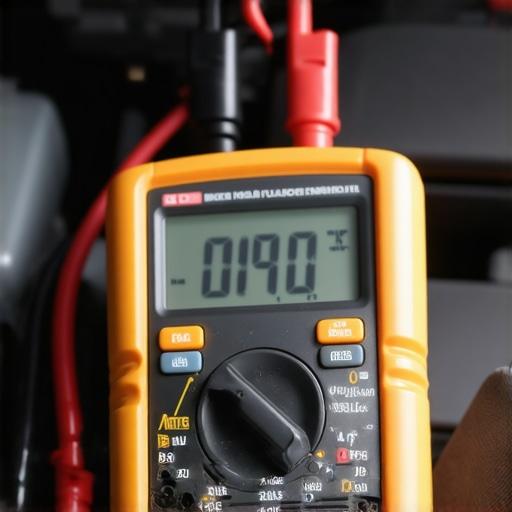
How do I keep my braking system healthy for the long haul?
The secret isn’t just checking the pads; it’s about the fluids and the friction points. I make it a habit to check if your caliper slide pins are bone dry every time the wheels come off. If those pins seize, even the best brake booster in the world won’t give you a smooth stop. I’m also a big believer in oil change innovations and technologies that save your engine, but I apply that same ‘freshness’ philosophy to my brake fluid. Moisture is the enemy of your internal seals. Looking ahead, I predict car maintenance will shift heavily toward sensor-based predictive alerts. Imagine your phone buzzing because your brake fluid’s copper content is too high before you ever feel a soft pedal. Until that’s standard, use top auto repair tips to extend your vehicles lifespan by being proactive rather than reactive. Go grab a $15 brake fluid tester pen today—it’s the easiest way to see if your system is actually protecting you or just waiting to fail.
Lessons I Paid for in Wasted Saturday Afternoons
If there is one thing I have learned after years of wrenching, it is that your eyes can lie to you but a vacuum gauge never does. I used to be the guy who would see a stiff pedal and immediately order the most expensive part on the diagram. That ‘parts cannon’ approach is the fastest way to drain your bank account without actually fixing the car. I once spent four hours replacing a booster only to realize the intake manifold port was simply clogged with carbon. Always verify the source of your vacuum before you condemn the hardware. Another hard-earned truth is that a ‘hiss’ isn’t always a booster; sometimes it’s just a loose grommet that costs three dollars to replace. Use auto repair hacks to save money without sacrificing quality by starting with the cheapest possible variables first. Finally, remember that your brakes are a complete system; a failing booster can mask air in the lines, which is why I always recommend performing a thorough check after any major component change.
The Toolkit That Actually Earns Its Keep
You do not need a shop full of professional gear to master this. My first recommendation is a simple hand-held vacuum pump with a built-in gauge. It allows you to see if the booster holds a steady vacuum without even running the engine. Second, you absolutely need the $20 tool every driver needs for basic electrical troubleshooting—a reliable multimeter. While boosters are mechanical, modern ABS sensors can trick you into thinking your pedal feel is off when it’s actually an electrical glitch. I also keep a digital copy of the factory service manual on my phone; knowing the exact vacuum specs for your specific engine saves hours of guesswork. Lastly, a simple spray bottle for how to find a vacuum leak with soapy water and a hand pump is the most underrated ‘tool’ in my cabinet. [image_placeholder_5]
Take Back Control of Your Commute
There is a specific kind of confidence that comes from knowing your car will stop exactly when and where you want it to. You don’t have to live with a pedal that feels like a leg-press machine. By following these essential auto repair strategies for frequent drivers, you are moving from being a passenger to being a true owner of your machine. Whether you are performing a full brake service for safety and performance or just checking a hose, your attention to detail is what keeps you and your family safe on the road. Don’t let a stiff pedal intimidate you; it’s just a puzzle waiting for you to solve it. Did you ever replace a major part only to find a $10 hose was the real culprit? Let me know your story in the comments below!