
I remember the first time it happened. 7:15 AM. Coffee in hand, brain barely functioning. I put the car in gear, tapped the gas to back out of my driveway, and… nothing. The pedal felt like it was glued to the floorboard. I pushed a bit harder, and pop—the car lunged, nearly sending me through the garage door. It wasn’t just a fluke; it was a wake-up call. If you’ve felt that weird, notched resistance when you first start your vehicle, you aren’t crazy. You’re likely dealing with built-up gunk that’s decided to turn into adhesive while you were sleeping. Today, we’re going to get that smooth, responsive feel back under your foot without the stress.
Stop Fighting Your Car Every Morning
Most folks think their car is just “getting old” and they have to live with these quirks. That’s a trap I fell into early on. I spent months just kicking the pedal to get it loose, which is about as effective as hitting a computer to make it run faster. I eventually realized that ignoring it was one of the worst essential auto repair strategies I could have chosen. I once made the mistake of thinking I needed a whole new throttle assembly, but after performing some easy vehicle diagnostics, I found out it was just a twenty-minute cleaning job. We’re going to look at why carbon buildup loves cold mornings and how to clear it out so your commute starts with a smile instead of a jump-scare. Have you ever had that heart-stopping moment where the pedal finally gives way and the car jerks forward?
Is a bit of resistance really worth worrying about?
You might think it’s just a minor annoyance that goes away once the engine warms up, but a sticky pedal is a genuine safety hazard. According to data from the National Highway Traffic Safety Administration (NHTSA), throttle system malfunctions or delays can lead to unpredictable vehicle behavior, especially in tight parking situations. It’s often closely related to the common sensor that makes your engine idle rough in the morning, as both issues frequently stem from air intake cleanliness. It isn’t just about comfort; it’s about making sure your car does exactly what you tell it to do, the very first time you ask. Let’s dive into what’s actually happening under the hood when the temperature drops.
Peel Back the Intake Hose to See the Grime
To get started, you need to expose the butterfly valve—that round metal flap that pivots when you hit the gas. It’s usually hidden behind a thick, accordion-style rubber hose. Think of this hose like the windpipe; if it’s clogged or leaking, the engine can’t breathe. Loosen the metal hose clamps using an 8mm socket or a flathead screwdriver and wiggle the hose off the throttle body. If it’s stuck, don’t pry it with a metal lever; you don’t want to tear the rubber. Once it’s off, look inside the metal opening. You’ll likely see a ring of black, oily soot right where the flap meets the housing. This is the culprit. While you are in there, it is a great time to learn how to clean your mass air flow sensor without ruining it, as these two parts work together to manage your engine’s air intake.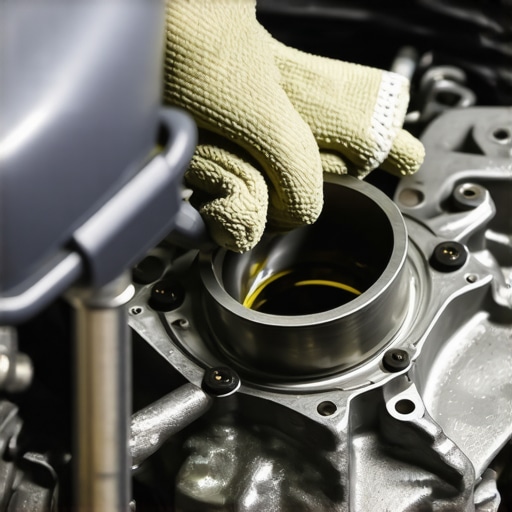
Use the Right Cleaner or Risk a Costly Replacement
I learned the hard way that cleaner is not just cleaner. Back in my early DIY days, I sprayed a generous amount of industrial degreaser into my throttle body, thinking I was being thorough. The result? I stripped the specialized molybdenum coating off the bore, which is designed to keep air flowing smoothly at idle. My car ended up with a permanent high idle that cost me a trip to a specialist. Always use a dedicated throttle body cleaner. These solvents are formulated to melt carbon without eating through gaskets or sensitive electronics. This is one of those auto repair hacks to save money without sacrificing quality: a seven-dollar can of the right stuff prevents a four-hundred-dollar part replacement.
Wipe Away the Carbon Without Scratched Metal
Instead of spraying directly into the engine—which can pool liquid in the intake manifold and cause a scary hydro-lock situation—spray the cleaner onto a lint-free microfiber cloth. Open the throttle plate with your finger and scrub the edges of the flap and the inner walls of the housing. It should look like polished silver when you’re done. If the buildup is particularly stubborn, use an old toothbrush, but stay away from wire brushes or anything that can score the metal. Keeping this area clean is a major part of top auto repair tips to extend your vehicles lifespan. You’re not just fixing a sticky pedal; you’re ensuring the computer gets an accurate reading of how much air is entering the system.
What Your Car Is Trying to Tell You Before the Stick
Often, the pedal sticking is the final stage of a long-standing issue. If you’ve noticed a slight dip in RPMs when coming to a stop, or if the car feels sluggish when you first tap the gas, the carbon is already building up. This is a classic case of decoding vehicle diagnostics and what your car is trying to tell you. The physical resistance in the pedal is just the mechanical manifestation of a dirty air system. By the time you feel that pop in the morning, the engine has been struggling to find a steady idle for weeks. Cleaning it now is a preventative measure that keeps you away from more expensive repairs down the road.
While that satisfying shine on the throttle plate feels like a job well done, we need to talk about why that gunk showed up in the first place. Most people assume carbon buildup is just a natural part of an engine’s life cycle—dust from the road that snuck past the filter. But that is a common misconception. In reality, the oily sludge that makes your pedal stick is often a sign of a failing Positive Crankcase Ventilation (PCV) system. When the PCV valve sticks, it allows oil-rich vapors to backflow into the intake, where they bake onto the throttle plate. If you find yourself cleaning the throttle body every few months, you aren’t just doing good maintenance; you’re ignoring a symptom of the hidden sludge building up behind your clean dipstick. To truly solve the problem, you need to look at the health of your lubrication system and consider oil change innovations and technologies that save your engine by reducing these volatile vapors.
The PCV Trap Most DIYers Ignore
Here is the nuance: if you clean the throttle body but ignore the PCV valve, the stickiness will return within weeks. A study by the Society of Automotive Engineers (SAE International) highlights that intake system deposits are significantly accelerated when crankcase pressure isn’t properly regulated. This isn’t just about a dirty part; it’s about pressure imbalances that can lead to blown seals if left unchecked. I’ve seen enthusiasts spend hundreds on high-end air filters, yet they ignore a ten-dollar PCV valve that is actually the primary cause of their sticky pedal. This is why decoding vehicle diagnostics and what your car is trying to tell you is so vital. The physical resistance in the pedal is a mechanical telegraph for a chemical problem happening deeper in the engine. Have you ever fallen into this trap and found the grime returning sooner than expected? Let me know in the comments.
Can a simple cleaning actually mess up your idle?
This is where the “Oops Factor” hits most advanced beginners. On modern, drive-by-wire vehicles, the engine’s computer (ECU) has spent thousands of miles slowly adjusting the butterfly valve’s resting position to compensate for the buildup. When you suddenly remove all that grime, the ECU is still using its old “learned” values for a dirty engine. The result? A surging idle or even a check engine light for a high-RPM condition. This isn’t a broken part; it’s a computer that needs a reset. Some cars require a specific “idle relearn” procedure—often involving a sequence of key turns and pedal presses—to realize the airway is clear again. This is part of the nuance in how advanced vehicle diagnostics prevent costly breakdowns. Don’t panic if your car acts strange for the first ten minutes after cleaning; it’s just the computer relearning the meaning of a clean intake. Knowing these little details is one of the best top auto repair tips to extend your vehicles lifespan and keep your blood pressure low when DIYing.
To handle the modern computer quirks mentioned earlier, I never start a job like this without my favorite piece of ‘cheap insurance’: a Bluetooth OBD-II scanner. For less than the price of a tank of gas, you can get real-time data on your throttle position and commanded idle. This is absolutely the $20 tool every driver needs for basic electrical troubleshooting and air-system monitoring. I use it to watch my ‘Long Term Fuel Trims’—if that number starts creeping up, I know I have a vacuum leak or a dirty sensor long before the car starts acting out. If you’ve never used one, you’re essentially flying blind, guessing which part to throw money at next.
How can I keep the gunk from coming back?
The secret to long-term success isn’t cleaning the throttle body more often; it’s preventing the oil vapor from reaching it in the first place. This is where your choice of lubricant and filter quality comes into play. I’ve seen a massive difference in intake cleanliness when switching to high-quality synthetics that resist volatility. Exploring oil change innovations and technologies that save your engine can drastically reduce the ‘blow-by’ gases that carry oil into your intake. Additionally, make sure you aren’t falling for the check engine light code that actually means your air filter is loose. A poorly sealed air box allows fine silica dust into the intake, which acts like sandpaper on your throttle plate’s delicate coating.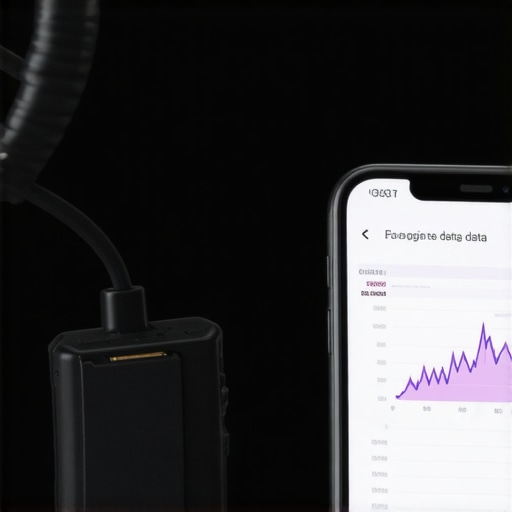
Precision Matters When You’re Reassembling the Intake
When you’re putting everything back together, don’t just crank down on the hose clamps until they won’t move. Over-tightening can actually warp the plastic throttle body housing on newer cars, leading to a permanent vacuum leak that’s a nightmare to find. I recommend using a small 1/4-inch drive torque wrench if you’re nervous, but ‘snug plus a quarter turn’ is usually the sweet spot. While you have your tools out, it is worth learning how to find a vacuum leak with soapy water and a hand pump just to verify your work is airtight. This level of detail is exactly how advanced vehicle diagnostics prevent costly breakdowns by catching tiny installation errors before they become driveability issues.
The Future of Your Foot is Digital
As we look toward the future, the mechanical connection between your foot and the engine is disappearing entirely. Most new vehicles use a ‘Hall Effect’ sensor in the pedal assembly that sends a pulse-width modulated signal to the ECU. According to technical documentation from Bosch Automotive, these systems are so sensitive that a drop in battery voltage of just 0.5V can cause the throttle to enter ‘limp mode.’ This means that in five years, fixing a sticky pedal might involve a multimeter and a battery test rather than a rag and some cleaner. To prepare for this shift, I highly suggest learning how to find a parasitic battery drain with a basic multimeter now. If you want to feel that ‘new car’ responsiveness today, I challenge you to perform a manual throttle adaptation reset this weekend—most cars just require a specific sequence of the ignition key and the pedal. You’ll be amazed at how much snappier the car feels once the computer remembers what ‘zero’ actually looks like.
Lessons from My Messiest Throttle Cleanups
After years of tinkering, I’ve realized that the physical stickiness is rarely the whole story. One lightbulb moment for me was discovering that even a clean engine can have invisible pressure issues. If you find yourself cleaning the same parts every few months, you likely have a failing PCV valve causing oil to backflow. I also learned that patience is a tool; rushing to spray cleaner directly into the intake can lead to hydro-locking, which is a mistake you only make once. Finally, do not ignore the common sensor that makes your engine idle rough in the morning because air intake health is a holistic system, not just one metal flap. Keeping an eye on these connections is one of the most essential auto repair strategies for any long-term car owner.
The Toolbox Essentials for a Responsive Pedal
To do this right, you do not need a professional shop, but you do need these three things. First, a dedicated, sensor-safe throttle body cleaner—do not even think about using generic carb cleaner or industrial degreaser unless you want to ruin your throttle’s specialized coating. Second, grab a pack of lint-free microfiber cloths to avoid leaving debris inside the air path. Lastly, I cannot recommend the $20 tool every driver needs for basic electrical troubleshooting enough; a simple OBD-II scanner will help you verify your throttle position sensors and clear any learned data that might cause a high idle after your cleaning. These are the real auto repair hacks to save money without sacrificing quality.
Reclaim Your Commute Today
There is a specific kind of satisfaction that comes from a car that does exactly what you ask it to do. Fixing a sticky pedal is not just about avoiding a pop in the driveway; it’s about restoring the mechanical harmony of your vehicle. By taking twenty minutes this weekend to perform a cleaning and an idle reset, you are practicing the kind of top auto repair tips to extend your vehicles lifespan that keep your car on the road for the long haul. Don’t be intimidated by the sensors and hoses—your car wants to run well, it just needs you to clear the path. Have you ever felt that pop when backing out of your driveway, or did your car start acting up in a different way? Let me know in the comments below!