

I remember the smell of burnt toast drifting through my vents even though I’d just swapped my oil three weeks prior. I was proud of myself back then; I had splurged on the high-dollar synthetic oil that promised 15,000 miles of engine life. But there I was, pulling onto the shoulder, listening to a rhythmic ticking that sounded like a sewing machine on steroids. I felt like a total amateur. When I finally got the car home and spun that oil filter off, it felt heavy—way heavier than it should have been for a three-week-old part. I realized my ‘clean’ oil was trying to lubricate a war zone while its primary shield was completely clogged. We often focus so much on the fluid that we forget the gatekeeper.
Stop Assuming Your Filter Is Working Just Because It Is New
Most of us treat the oil filter as a ‘set it and forget it’ accessory. We screw it on, hand-tighten, and assume the engine is safe for the next six months. But a filter can fail silently, and when it does, your engine is essentially drinking dirty bathwater. If your filter is doing its job, it is trapping microscopic debris. However, if it reaches capacity too early, it enters ‘bypass mode,’ allowing unfiltered oil to circulate freely. This is often why you might notice hidden sludge building up behind a clean dipstick. Today, I want to show you how to audit your filtration so you aren’t just throwing money down the drain. We are going to look for the physical and audible cues that your filter has either quit or is working overtime.
Is a ‘Premium’ Filter Really Any Better Than the Cheap Ones?
I used to be the guy who grabbed whatever was on the clearance rack at the big-box store. I’d tell myself it was just paper in a metal can. I was dead wrong. Modern engines with tight tolerances demand oil change innovations that cheap filters simply can’t provide. Lower-end filters often have fewer pleats, flimsy bypass valves, and cardboard end-caps that can literally crumble under pressure. According to experts at Machinery Lubrication, nearly 60% of engine wear is caused by particles in the 5 to 15-micron range—particles that cheap filters frequently let slide right through. Early in my DIY days, I didn’t realize that why your engine makes a tapping noise after an oil change often points directly to a faulty anti-drainback valve in a sub-par filter. I spent hours decoding vehicle diagnostics and chasing phantom sensor issues when the culprit was a four-dollar piece of junk hanging off my engine block. Have you ever finished an oil change only to have your car sound louder or ‘angrier’ than before? I’d love to hear about your experiences with different brands in the comments below.
Perform an Autopsy on Your Used Filter
To truly understand what is happening inside your engine, you need to look at the evidence left behind. Most people just drain the oil and toss the filter, but I’ve learned that the filter is actually a diagnostic diary. I started keeping a specialized filter cutter in my toolbox—it looks like a giant can opener—to peel back the metal housing. Once you cut the canister open, you can spread the pleated paper out like an accordion. This is where you see the truth. If you find shiny, silver flakes or gritty black carbon trapped deep in the folds, your filter is the only thing that saved you from a total rebuild. This type of inspection is one of the most effective top auto repair tips to extend your vehicles lifespan because it tells you exactly which components are wearing down before they fail.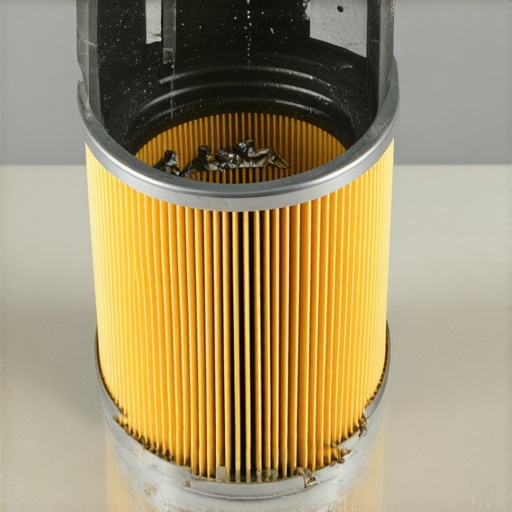
How to Tell if the Bypass Valve is Active
Think of the bypass valve as an emergency overflow drain in a sink. It is designed to ensure the engine gets some oil, even if the filter is completely plugged or the oil is too thick to pass through the paper. If you notice your oil filter feels unusually heavy or if the oil inside is significantly thicker than what you drained from the pan, the filter has likely entered bypass mode. This means your engine has been drinking unfiltered ‘bathwater’ for weeks. This is a primary reason for hidden sludge building up behind your clean dipstick. If the bypass is stuck open, you are essentially running without a filter at all.
Stop the Startup Clatter Before It Costs You
Your engine should be quiet within a second of turning the key. If you hear a sharp, metallic rhythmic ticking that disappears after a few moments, you likely have a faulty anti-drainback valve. This little rubber flap inside the filter is supposed to keep oil in the upper galleries so parts aren’t bone-dry when you start the car. I once ignored this ‘startup rattle’ on an old project car, assuming it was just the cold weather. It turns out the cheap filter I bought had a stiff plastic valve that didn’t seal. I was essentially performing a ‘dry start’ every morning, which is exactly why your engine makes a tapping noise only at startup. Switching to a filter with a silicone valve stopped the noise instantly and saved my cam bearings.
The Three-Quarter Turn Rule for a Perfect Seal
Installation is where most DIYers get bit. I learned this the hard way on a rainy Tuesday when I rushed a swap and didn’t notice the old gasket had stuck to the engine block. I screwed the new filter on top of the old gasket—a ‘double gasket’ disaster. When I fired it up, five quarts of synthetic sprayed across my driveway like a pressure washer. Now, I always use a clean rag to wipe the mounting surface until it shines and apply a generous smear of fresh oil to the new rubber seal. Once the gasket touches the base, I give it exactly three-quarters of a turn by hand. Over-tightening with a wrench is a rookie move that crushes the gasket and makes it impossible to remove later. If you still hear odd sounds after a clean install, you should be decoding vehicle diagnostics to ensure your oil pressure sensor hasn’t been fouled by debris. Using the right techniques ensures that the mistake of using the wrong oil viscosity in cold weather doesn’t get compounded by a restricted or leaking filter.Most enthusiasts believe that if the oil on the dipstick looks amber and translucent, the engine is in peak health. I used to think the same until I tore down a high-mileage V8 that had seen regular changes but was absolutely caked in carbon. The contrarian truth is that oil is designed to get dirty; if it stays perfectly clean, it might not be doing its job of suspending contaminants. This is where hidden sludge building up behind your clean dipstick becomes a silent killer. If your oil isn’t carrying that soot to the filter, it’s plating itself onto your piston rings and valve train.
The Bypass Pressure Mistake That Kills Modern Engines
A common trap I see seasoned DIYers fall into is buying a filter based solely on thread size and gasket diameter. While it might screw on perfectly, the internal bypass valve pressure (PSI) is often overlooked. According to research by the Society of Automotive Engineers (SAE), using a filter with a bypass setting even 5 PSI lower than the manufacturer’s specification can cause the filter to stay open during normal acceleration, effectively bypassing the media entirely. You think you’re protected, but you’re essentially running no filter at all under load. This is a critical nuance in oil change innovations that many aftermarket brands gloss over. Have you ever fallen into this trap by grabbing the cheapest ‘will-fit’ option? Let me know in the comments. 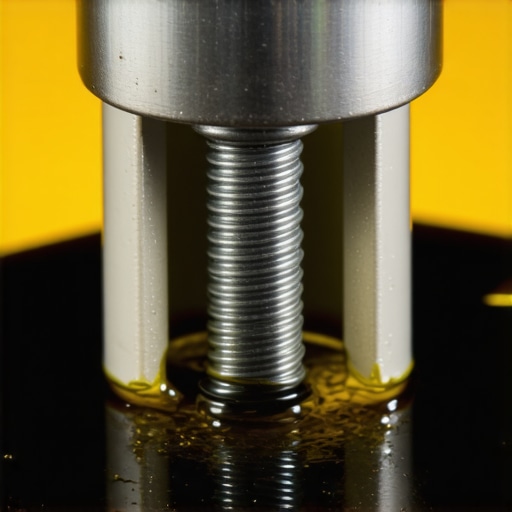
Why Does My Oil Pressure Drop Only When the Engine is Hot?
This is a question I get from people who are deep into decoding vehicle diagnostics. When the oil is cold, it’s thick and masks mechanical wear. As it reaches operating temperature, the viscosity thins, and if your bearings are worn or your filter media is collapsing, the pressure will plummet at idle. I’ve seen people panic and replace expensive pumps when the issue was actually the mistake of using the wrong oil viscosity or a low-quality filter that couldn’t handle the heat-cycle flow rates.
Why Most Complete Brake Jobs Are Half Finished
It isn’t just about the oil, though. Expertise means looking at the systems that everyone else ignores. During a standard brake swap, most people slap on new pads and call it a day. The ‘oops’ factor here is the slide pins. If you don’t know how to tell if your caliper slide pins are bone-dry, you’re looking at uneven pad wear and warped rotors within six months. It’s these small, expert-level checks that separate a simple part-swapper from a true technician. I always tell my friends that if you stop ignoring the burning smell coming from your rear wheels, you’ll likely find a seized pin that a ‘standard’ brake service missed. Taking these extra five minutes is one of the best top auto repair tips to extend your vehicles lifespan because it prevents the cascading failures that turn a $50 fix into a $500 headache.I used to think my ears were enough to catch a failing bearing or a misfire, but modern cars are essentially rolling supercomputers that can hide their pain until it is too late. To step up your game, you need to stop relying on luck and start investing in precision. For me, that meant finally buying a high-quality digital multimeter. It is easily the $20 tool every driver needs for basic electrical troubleshooting because it stops you from blindly replacing alternators when you just have a five-dollar ground wire issue.
Upgrade Your Toolbox to Stop Chasing Phantoms
When you are deep into decoding vehicle diagnostics, you realize that the most expensive part you can buy is the one you didn’t actually need. I have seen guys spend hundreds on sensors because why your OBD-II scanner can’t find the real electrical ghost often comes down to a tiny pin-fit issue in a connector. I now swear by the use of back-probes and a solid oscilloscope for anything complex. If you are serious about long-term results, you have to treat your garage like a lab. This level of precision is one of those top auto repair tips to extend your vehicles lifespan that most people ignore until their car is on a tow truck. 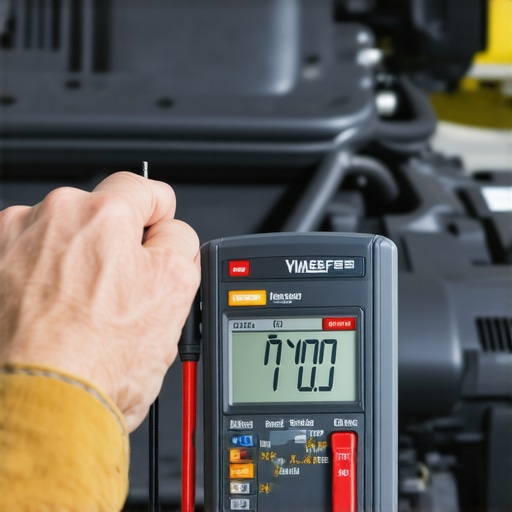
How Do I Maintain My Car’s Peak Performance Over Time?
Consistency beats intensity every single time. It is not just about the big jobs; it is the small, repetitive checks. For example, during every single tire rotation, I take the time to inspect the caliper hardware. I have learned that knowing how to tell if your caliper slide pins are bone-dry is the difference between a five-year brake life and a six-month disaster. As noted in the SAE International paper J300, oil viscosity is not just a number but a dynamic fluid property that dictates engine clearance protection under high-shear conditions; neglecting your maintenance window by even a few hundred miles can significantly alter these properties.
The Future of DIY is Data-Driven
We are heading toward an era of predictive maintenance where your car will tell you a part is going to fail three weeks before it actually does. We are already seeing oil change innovations that use algorithm-based monitoring rather than just a simple timer. This is why staying ahead of the curve with how advanced vehicle diagnostics prevent costly breakdowns is so vital. I predict that within five years, we will all be using cloud-linked scanners that compare our live engine data against thousands of other identical models to spot anomalies instantly. If you want to be ready for that, start by mastering the basics today. I challenge you to go out this weekend, grab your multimeter, and test your battery’s resting voltage—it is the first step in moving from a part-swapper to a diagnostic pro.
The Hardest Lesson I Learned While Chasing Engine Gremlins
Over the years, I’ve realized that the most dangerous assumption you can make is that a brand-new part is a working part. I once spent a weekend troubleshooting a misfire, only to find the ‘new’ spark plug was cracked from the factory. The same applies to filtration; a filter is only as good as its internal components, regardless of the box’s condition. Another lightbulb moment for me was realizing that mechanical systems are interconnected. You might be focused on your oil, but if you don’t know how to tell if your caliper slide pins are bone-dry, your brakes will fail long before your engine does. Real expertise isn’t about knowing one system; it’s about seeing how the whole machine breathes and moves together. Stop treating your car like a collection of parts and start treating it like a living ecosystem. #IMAGE_PLACEHOLDER_E#
What I Keep in My Professional Diagnostic Kit
To move from a weekend warrior to a diagnostic pro, you need to stop guessing and start measuring. My first recommendation is a high-quality digital multimeter; it is truly the $20 tool every driver needs for basic electrical troubleshooting because it removes the mystery from your battery and charging system. I also swear by an oil filter cutter—peeling back that metal skin is the only way to see what your engine is actually shedding between changes. Finally, don’t rely solely on a cheap code reader. Often, why your OBD-II scanner can’t find the real electrical ghost is because it lacks the live data streaming capabilities of a mid-tier professional tool. I trust these specific tools because they provide objective evidence that my ears and eyes might miss during a quick inspection.
Become the Expert Your Car Deserves
Taking control of your vehicle’s health is one of the most rewarding skills you can develop as a driver. It’s about more than just saving money at the shop; it’s about the peace of mind that comes from knowing exactly what is happening under the hood when you’re 500 miles from home. When you apply these top auto repair tips to extend your vehicles lifespan, you aren’t just maintaining a machine; you’re preserving your reliability and safety. Don’t be afraid to get your hands dirty, cut that filter open, and ask the tough questions of your parts supplier. You now have the tools and the perspective to treat your car right—now it’s time to go out there and do it. Have you ever bought a ‘new’ part that turned out to be a total dud right out of the box? Tell me your story in the comments below!