
I remember sitting at the busiest intersection in town, the light turned green, and I pressed the gas. Nothing happened. My engine roared like a lion, but my wheels didn’t budge for five agonizing seconds. It’s a visceral kind of panic, isn’t it? You’re stuck, the cars behind you are honking, and you’re wondering if you’re about to be hit. That ‘ghost’ in the machine is called delayed engagement, and if you’re experiencing it, you aren’t alone. This annoying—and sometimes dangerous—lag usually happens when internal seals are worn or fluid levels are low, preventing the pressure needed to lock the gears into place. [IMAGE_PLACEHOLDER]
Stop Holding Your Breath Every Time You Shift into Drive
When my old sedan first started doing this, I panicked and assumed the worst. I actually spent a whole weekend looking up how to get cash for a junk car in Charlotte because I was convinced the repair bill would exceed the car’s value. That was a huge mistake on my part. I was ready to throw in the towel before even decoding what my car was trying to tell me. We’re going to dig into why those seals get hard, why the fluid gets lazy, and how you can often fix this without selling a kidney. The goal today is to give you the same peace of mind I found after realizing I didn’t need a new car; I just needed a better maintenance plan.
Do I Really Need a Whole New Transmission?
It’s the question that keeps every car owner awake at night. The truth is, while a hesitation is a cry for help, it’s not always a death knell. According to research from AAA, the average transmission repair can cost between $1,800 and $3,400, but many hesitation issues are actually solved by something as simple as a simple fluid exchange or cleaning a sticky valve. I once spent three days stressing over a ‘dead’ transmission that turned out to be a minor sensor issue. Have you ever been told you needed a full rebuild only to find a much cheaper fix? I’d love to hear about your experience in the comments. Before you go car shopping, let’s look at the symptoms that actually matter and how to troubleshoot them in your own driveway.
Pull the Dipstick Before You Pull Your Hair Out
The first thing you have to do is check the ‘blood’ of the machine. Transmission fluid isn’t just a lubricant; it’s hydraulic pressure in liquid form. If the level is even a pint low, your transmission is basically gasping for air. I remember working on my cousin’s SUV that had a massive three-second delay between Neutral and Drive. He was convinced the gearbox was fried, but when we pulled the dipstick, it was bone dry. A fifteen-dollar bottle of fluid fixed a ‘broken’ car. If your fluid is dark or smells like burnt toast, it has lost its ability to hold pressure against those internal seals. This is often where a simple fluid exchange comes into play. It’s like giving your car a shot of espresso; it cleans out the gunk and restores the chemical properties needed to make those gears grab instantly. 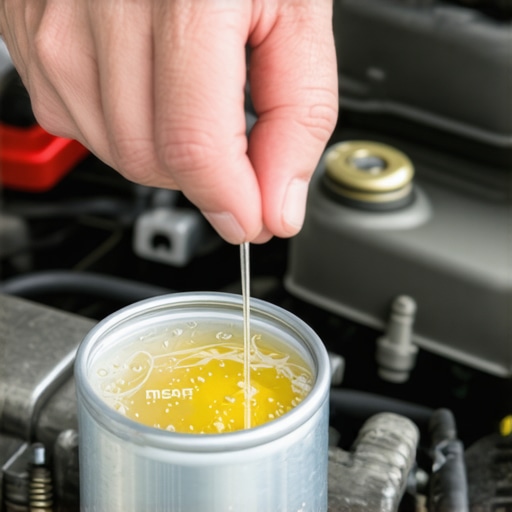
Don’t Let Brittle Seals Steal Your Shift
Inside your transmission, there are rubber seals that act like tiny gaskets. When they’re new, they’re soft and pliable, like a fresh rubber band. As they age—and especially if the car sits for long periods—they get as hard as a hockey puck. When you shift into Drive, the fluid tries to push past these seals to engage the clutch packs, but it leaks through the gaps instead. It takes a few seconds for the pressure to build up enough to overcome that leak, which is exactly why you get that ‘ghost’ lag. I once tried a ‘stop-leak’ additive in a desperate attempt to soften some seals in a 200,000-mile sedan. It worked for about a month, but it was a Band-Aid, not a cure. Real essential auto repair strategies for frequent drivers usually involve a deeper look at the valve body if fluid changes don’t work.
Why Your Dashboard Might Be Lying to You
Sometimes the delay isn’t mechanical at all—it’s a communication breakdown. Modern transmissions are controlled by solenoids, which are basically little electric gates. If a sensor is sending bad data, the computer might hesitate before telling the transmission to move. This is why how advanced vehicle diagnostics prevent costly breakdowns is a topic I preach constantly. I’ve seen cases where a ground wire problem that mimics a bad starter motor actually caused electrical interference with the transmission control module, creating a massive delay. You might even experience the shudder when shifting that feels like a rumble strip, which is a classic sign of torque converter issues rather than the gears themselves. Before you start unbolting the heavy stuff, you must plug in a scanner to see if the computer is simply confused by a faulty sensor.
The Marketing Lie That Kills Gearboxes
Most people believe that ‘lifetime’ transmission fluid actually lasts for the life of the car. It’s one of the most successful marketing ploys in automotive history. In reality, manufacturers often define a ‘lifetime’ as just 100,000 miles—the point where they want you to trade in for a new model. If you’re experiencing that dreaded hesitation, you’ve likely already exceeded the useful life of your fluid’s additives. Experts at the Automatic Transmission Rebuilders Association (ATRA) note that nearly 90% of all transmission failures are caused by heat and fluid degradation. By the time you feel the lag, the fluid has often thinned out so much it can’t maintain the hydraulic pressure required to squeeze the clutch packs together. This is where staying ahead of the curve with oil change innovations and technologies that save your engine and transmission becomes a survival skill for your vehicle.
Why Does the Lag Vanish After Ten Minutes of Driving?
You might notice your car only struggles in the driveway but shifts like a dream once you’re on the highway. This leads many drivers to ignore the problem, thinking it’s just ‘cold blooded.’ What’s actually happening is thermal expansion. Those hardened, brittle internal seals we talked about earlier actually soften and expand as the fluid warms up, allowing them to finally seal the gaps they couldn’t close when cold. It’s a temporary mask for a permanent mechanical failure. If you ignore this phase, you’re fast-tracking your way to needing top auto repair tips to extend your vehicles lifespan. Have you ever fallen into the trap of thinking a problem ‘fixed itself’ just because the car warmed up? Let me know in the comments. 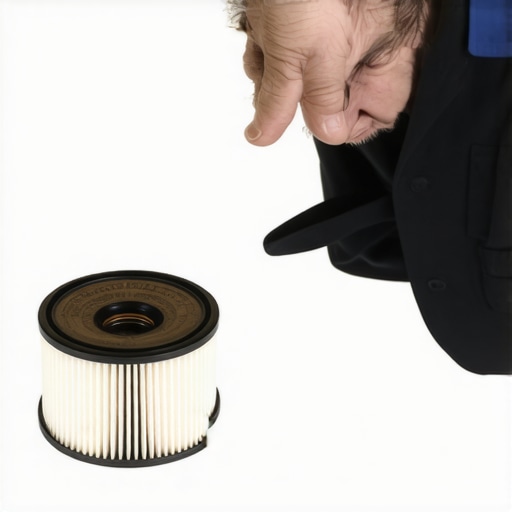
Don’t Flush a Dying Transmission Without Reading This
There is a massive ‘oops’ factor when it comes to fixing delayed engagement: the high-pressure flush. If your transmission has been neglected for years and the fluid is black, a high-pressure machine can actually be a death sentence. It can dislodge chunks of varnish and metallic debris, sending them straight into the tiny passages of your valve body, effectively bricking the unit. In these cases, a gentle ‘drain and fill’ is the professional’s secret. While you’re at it, you must ensure you aren’t making the mistake of using the wrong oil viscosity in cold weather or the wrong fluid type entirely. Using a generic ‘multi-vehicle’ fluid in a transmission that requires a specific low-viscosity synthetic is a recipe for a three-thousand-dollar rebuild.
Is It a Mechanical Failure or Just a Dirty Filter?
Before you sign off on a total teardown, check the filter. People often forget that transmissions have filters just like engines do. If that filter is clogged with friction material, the pump can’t pull enough fluid to create pressure, causing that agonizing delay. While most people are busy checking if their oil filter is actually doing its job, the transmission filter is hidden away and forgotten. A simple pan-drop service to swap the filter can sometimes restore the ‘snap’ to your shifts for a fraction of the cost of a rebuild. Just remember to always inspect the magnet at the bottom of the pan; a few fine shavings are normal, but if it looks like a silver glitter factory, it’s time to start decoding what your car is trying to tell you about its impending retirement.
Don’t Fly Blind Without This Tool in Your Glovebox
I’ll be honest with you: if you’re still relying on a cheap ten-dollar code reader to fix a modern car, you’re trying to perform surgery with a butter knife. To really solve a hesitation issue, you need a bi-directional scan tool. I personally use one because it allows me to command the transmission solenoids to click on and off while the engine is dead quiet. If I can hear that solenoid snap, I know the electrical side is alive. If it’s silent, I know exactly where the problem lies before I ever get my hands greasy. This is why the $20 tool every driver needs for basic electrical troubleshooting is just the starting point; for the heavy lifting, you need to know why your OBD-II scanner can’t find the real electrical ghost hiding in your Transmission Control Module. These hidden codes—often called manufacturer-specific codes—don’t always trigger a check engine light, but they will absolutely cause that annoying three-second delay when you’re trying to pull out into traffic. 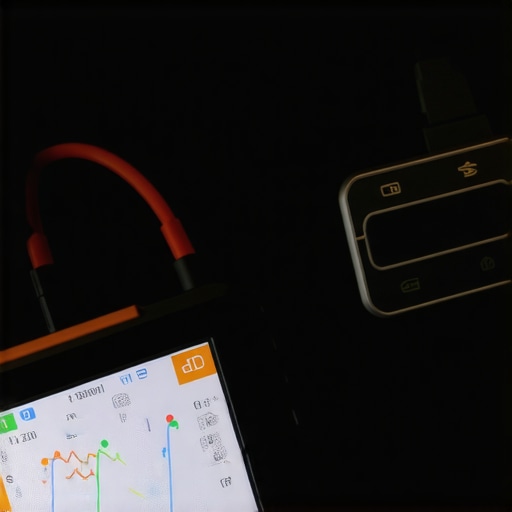
How do I maintain my transmission over time?
Consistency beats intensity every single time. You don’t need to do a full overhaul every year, but you should be checking your fluid color and level every time you do an oil change. I’ve made it a habit to use a fluid refractometer to check the condition of the additives—it sounds like overkill, but it’s how I’ve kept my daily driver shifting like silk past the 250,000-mile mark. Beyond fluid, you should be looking at top auto repair tips to extend your vehicles lifespan like keeping your cooling system in check. Remember, heat is the number one killer of transmission clutches. If your radiator is clogged or your fans aren’t pulling enough air, your transmission fluid is essentially cooking in its own juices, losing its ability to protect the internal metal-on-metal surfaces. This is a great time to ensure your brake service for safety and performance routines include a quick look at the transmission lines for leaks. If you see even a light film of oil on those hoses, tighten them immediately; a tiny leak under high pressure becomes a huge problem on the highway.
The Future of Shifting Is Already Under Your Hood
As we move toward more complex 10-speed units and even e-axles in hybrids, the mechanical stuff is becoming inseparable from the software. According to the Automatic Transmission Service Group (ATSG), nearly 70% of shifts in modern high-gear-count units are managed via Pulse Width Modulation (PWM). This means the computer is feathering the pressure in millisecond bursts rather than just slamming a gear home. In the future, we’re going to see even more ‘smart’ fluids that change properties based on electrical charge, making how advanced vehicle diagnostics prevent costly breakdowns the most important skill in your DIY arsenal. You aren’t just a mechanic anymore; you’re a systems administrator for a rolling data center. If you want to keep your car on the road, I strongly suggest you grab a basic multimeter and learn to test your ground wires this weekend. It’s the single best way to ensure those sensitive solenoids are getting the clean power they need to keep you moving without a hint of hesitation.
The Hardest Lesson My First High-Mileage Car Taught Me
I’ve learned the hard way that a little bit of curiosity is the best insurance against a massive mechanic’s invoice. Here is the insider wisdom I gathered after my first transmission started slipping on a busy highway:
- Maintenance is a deadline, not a suggestion. If you wait for the car to act up before checking the fluid, you’re already losing the battle. Proactively following top auto repair tips to extend your vehicles lifespan is the difference between a 300,000-mile car and a pile of scrap metal.
- Fluid color tells a story. I used to think ‘mostly red’ was good enough, but clean, translucent fluid is the only way to ensure your hydraulic pressure is high enough to engage gears instantly.
- Digital ghosts are real. Before you assume the gears are physically broken, check the brain of the car. Mastering how advanced vehicle diagnostics prevent costly breakdowns has saved me from paying for at least two unnecessary rebuilds.
The Essential Gear I Trust for Gearbox Longevity
If you want to stop guessing and start fixing, there are a few tools I never go without. I always recommend a bi-directional scan tool because it allows you to command solenoids to fire manually, pinpointing an electrical failure in seconds. For simpler issues, I keep the $20 tool every driver needs for basic electrical troubleshooting in my glovebox to verify that the transmission sensors are getting clean power. Finally, I strictly use OEM-grade filters; generic options often have restrictive flow rates that cause the very hesitation you are trying to fix.
Stop Waiting for Your Gear to Grab
You don’t have to live in fear of that agonizing pause at every green light. By implementing essential auto repair strategies for frequent drivers and being brave enough to perform a simple fluid exchange, you take back control of your vehicle’s health. Your car is constantly communicating through every shudder and delay—now you finally have the knowledge to listen and respond before the damage becomes permanent. Have you ever experienced that heart-stopping delayed engagement while trying to merge into traffic? Let me know your story in the comments below!