
I remember sitting in my driveway last November, cup of coffee in hand, just waiting for the heater to kick in while the frost melted off the glass. Then I heard it. A faint, high-pitched whistle that sounded exactly like my grandmother’s tea kettle was perched right on top of my valve cover. I ignored it for three days, thinking it was just the cold air. On the fourth day, my car stalled at a red light. That is the thing about a whistle at idle; it is rarely just extra noise. It is a cry for help from your intake system or a dying gasket. Today, I am going to show you exactly how to hunt down that sound and fix it before you end up stranded on the shoulder of the highway.
A whistle while your car is sitting still is a classic symptom that your engine is sucking in air where it should not be. When you are moving, the wind hides it, but at a stop, it becomes a glaring red flag. I want to help you understand what that whistling sound under your hood actually means before you start throwing random parts at the problem. We are going to look at everything from vacuum leaks to failing belts so you can get back to a quiet, smooth ride.
That High-Pitched Squeal is More Than Just Annoying
I made a huge mistake early on in my DIY days. I heard a whistle and immediately assumed my serpentine belt was loose. I tightened that thing until it was humming like a guitar string, nearly snapping the water pump pulley in the process. It did not help. The sound was actually a tiny crack in a plastic vacuum hose that cost three dollars to replace. I spent hours wrestling with a belt when I should have been decoding what my vehicle diagnostics were screaming at me. Have you ever spent a whole weekend fixing the wrong part? It is a rite of passage for most of us, but I want to save you that headache today.
Is this going to be an expensive nightmare?
The biggest fear we all have when a new noise pops up is the price tag. The good news is that a whistle at idle is often caused by a vacuum leak, which is usually a cheap fix if you catch it early. However, ignoring it leads to a lean fuel mixture, which can overheat your engine and fry your catalytic converter. According to research from SAE International, even a minor air leak in the intake tract can disrupt fuel trim enough to decrease engine efficiency by 15% or more. If you notice your car struggling, it might be time to check if your serpentine belt is about to fail or if the intake gasket has finally given up the ghost.
Stop Guessing and Start Hunting the Leak
The secret to finding the source is not just looking; it is listening and testing. We are going to use a simple trick involving a bit of soapy water or a smoke tester to pinpoint the exact hole. Advanced vehicle diagnostics can tell us that the oxygen sensors see too much air, but your own ears are the best tool for finding the physical gap. We are going to look at the intake manifold, the PCV valve, and those pesky rubber boots that dry out over time. By the time we are done, you will know exactly why that whistle is happening and how to shut it up for good.
Pop the Hood and Trust Your Eyes First
Before you go buying fancy smoke machines, just look at the rubber components. I once spent forty minutes looking for a leak that was just a disconnected hose on the PCV valve. Vacuum hoses are like the veins of your engine; they get brittle and crack with age. If you’ve been wondering why your car stalls when you come to a stop sign, a disconnected or cracked vacuum line is a prime suspect. Run your fingers along the bottom of the intake hoses where you cannot see; often, the cracks hide on the underside where heat from the exhaust manifold cooks the rubber faster. If the rubber feels hard or leaves black soot on your fingers, it is already past its expiration date and needs to be replaced as part of your top auto repair tips to extend your vehicles lifespan.
The Trick With the Spray Bottle
If a visual check does not reveal the culprit, grab a spray bottle filled with water and a tiny bit of dish soap. With the engine idling, mist the areas around the intake manifold and vacuum ports. If the engine’s RPM suddenly dips or stumbles, you have found your hole. The engine is sucking in the water, which briefly disrupts the combustion process. It is the same logic as how to find a slow tire leak using a spray bottle, but in reverse—instead of looking for bubbles blowing out, you are looking for the liquid being pulled in. This is much safer than the old-school method of using carb cleaner, which I once used on a hot manifold and ended up with a small fireball that definitely took the ‘DIY’ fun out of my Saturday. 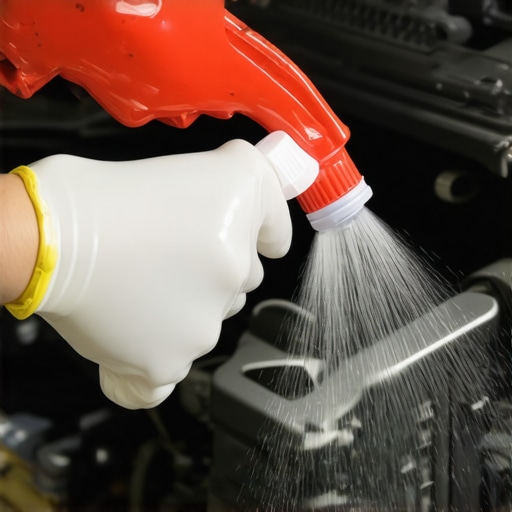
Don’t Forget to Check Your Brake Booster
Sometimes the whistle is not coming from the engine block itself but from the massive round drum behind your master cylinder. If the internal diaphragm of the booster tears, it creates a vacuum leak every time the engine runs. A great way to test this is to listen for changes in the pitch when you press the brake pedal. Knowing how to tell if your brake booster is leaking air can differentiate between a five-dollar hose fix and a three-hundred-dollar component replacement. If the whistle gets louder or disappears when you mash the pedal, your brake system is the source of the leak, not your intake. This is a critical safety check that many people miss during a standard brake service routine.
Use Tech to Confirm Your Suspicions
If your ears are not giving you the answer, your car’s computer might be. A basic OBD-II scanner can show you ‘Short Term Fuel Trims.’ If those numbers are high and positive, the computer is adding extra gas to compensate for the unmetered air leaking in. This is how advanced vehicle diagnostics prevent costly breakdowns by letting you see the problem before it triggers a Check Engine light. I remember a time I was certain a whistle was a bad turbo gasket, but the fuel trims were perfect. It turned out to be a loose heat shield vibrating at just the right frequency to sound like air. Always check your data before you start tearing the top end of your engine apart. This is why vehicle diagnostics explained easy checks before your road trip are so important—it keeps you from guessing and spending money you do not need to.One thing that separates the pros from the driveway warriors is knowing that your car’s computer isn’t always the smartest guy in the room. Most people assume that if the Check Engine light isn’t on, the whistle isn’t a problem yet. That is a dangerous game. In fact, many modern engine management systems are so good at compensating for air leaks that they will hide the symptom by dumping more fuel until your spark plugs are fouled and your fuel economy is trashed. This is exactly why your scanner says P0420 but the converter is actually fine—the computer sees a ‘lean’ condition from that tiny whistle and eventually blames the catalyst because it can’t keep up with the correction. Everyone tells you to spray starting fluid to find a leak, but I strongly advise against it. It is a massive fire hazard and can degrade plastic intake plenums. In my experience, a simple mechanic’s stethoscope or a piece of garden hose held to your ear is far more accurate for pinpointing a whistle without risking a trip to the emergency room.
Stop Blaming the Catalytic Converter Right Away
I see people spend eight hundred dollars on a new converter because they had a P0420 code and a whistling sound. The nuance here is that an intake leak introduces ‘unmetered air’ that the oxygen sensors can’t account for. According to experts at ASE (Automotive Service Excellence), nearly 20% of emissions-related sensor codes are actually caused by physical air leaks rather than electronic component failure. If you don’t fix the whistle first, your new converter will likely fail within months due to the rich fuel mixture the car uses to compensate. This is why advanced vehicle diagnostics prevent costly breakdowns; they allow you to see that the sensor is just a messenger, not the criminal.
Can a Failing PCV Valve Mimic an Internal Engine Scream?
Yes, and this is where even seasoned DIYers get tripped up. Sometimes the whistle isn’t a hose at all, but an internal failure of the PCV (Positive Crankcase Ventilation) diaphragm. When this happens, the engine tries to suck air through the crankcase seals. I once spent an entire afternoon hunting for a vacuum leak on a European SUV, only to realize the whistle was coming from the rear main seal because the PCV system was under so much vacuum it was literally pulling air past the oil seals. If you notice the reason your engine consumes oil without a visible leak is coinciding with a whistle, the PCV is your primary suspect. 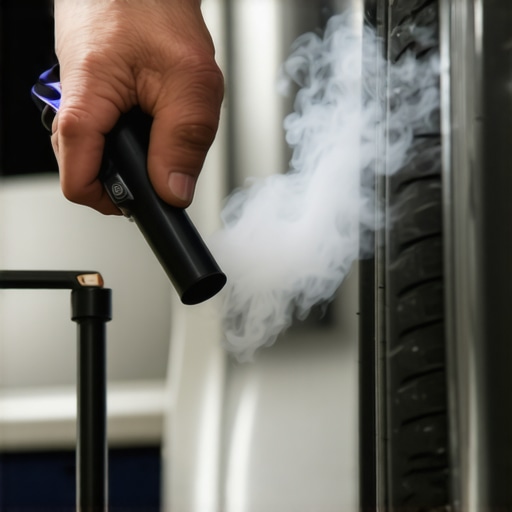
The Dangerous Trap of Cheap Replacement Parts
Once you find the leak, do not go for the absolute cheapest sensor or hose you can find. The truth about using cheap aftermarket sensors in your engine is that their calibration is often slightly off. A mass air flow sensor that is even 5% out of spec will cause the engine to ‘hunt’ for a steady idle, which can turn a small whistle into a rhythmic, pulsing noise that is even harder to diagnose. Stick with OEM or high-quality equivalents to ensure your essential auto repair strategies for frequent drivers actually result in a reliable vehicle.
The Whistle That Starts After an Oil Change
Believe it or not, I have seen whistles start immediately after a routine service. If the technician fails to fully seat the oil dipstick or if you have ignored why you should never skip the crush washer on your drain plug, you can create a breach in the engine’s sealed pressure system. Even the latest oil change innovations can’t help if the oil filler cap gasket is cracked, allowing air to be sucked into the valve cover. It sounds crazy, but a loose oil cap can sound exactly like a vacuum leak because, technically, it is one. Have you ever replaced a huge, expensive part only to find out a tiny rubber plug or a loose cap was the real culprit? Let me know in the comments below.
I spent years doing things the hard way, using cans of flammable brake cleaner to find leaks while praying I wouldn’t set my eyebrows on fire. Eventually, I realized that if I wanted to stop being a parts-changer and start being a diagnostic expert, I needed better tools. The game-changer for me was a portable smoke machine. Instead of spraying liquids and hoping for an RPM dip, you simply hook this device up to the intake manifold with the engine off and watch. Thick, white smoke pours out of any crack, no matter how small or hidden. It is the most satisfying way to turn a two-hour guessing game into a five-minute visual confirmation. If you are serious about maintaining your own vehicle, this is the one tool that pays for itself the first time you avoid a trip to the dealership for a complex air leak.
Stop guessing and invest in a portable smoke machine
Using a smoke machine isn’t just about speed; it is about precision. I once worked on a truck where the whistle only happened under heavy load. A visual inspection showed nothing, and the soapy water trick failed because the heat evaporated the water too fast. The smoke machine revealed a hairline fracture in the plastic intake plenum that only opened up when the plastic expanded from heat. This level of detail is exactly why advanced vehicle diagnostics prevent costly breakdowns. You aren’t just looking for a hole; you are looking for the structural failure of a component. According to a technical bulletin from Delphi Technologies, modern engine management relies so heavily on precise air-to-fuel ratios that even a 2% variance in unmetered air can trigger limp-mode or severe performance degradation. 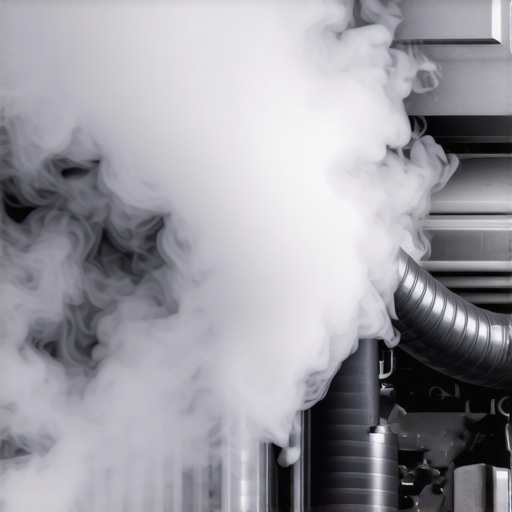
Read the live data before you turn a single bolt
While the smoke machine finds the physical hole, your OBD-II scanner tells you the story of how the engine is suffering. I always keep my scanner plugged in while I drive after a repair to watch the ‘Long Term Fuel Trims.’ If those numbers start creeping back down toward zero, I know I’ve actually solved the problem. Learning how to do this is a core part of decoding vehicle diagnostics and what your car is trying to tell you. In the future, I expect we will see AI-integrated scanners that don’t just give you a code, but cross-reference your specific VIN with a global database of common failures to tell you exactly which hose is likely cracked. We are already seeing the beginnings of this with cloud-based diagnostic platforms used in professional shops.
How do I keep these systems healthy for the long haul?
Maintenance is not a one-time event; it is a philosophy of ownership. To keep your intake system from whistling and your engine from stalling, you have to stay ahead of the dry-rot. This means treating your rubber seals and hoses with a silicone-based protectant during every other oil change. It also means paying attention to oil change innovations and technologies that save your engine, as modern synthetic oils carry additives that help prevent the internal seals of the PCV system from hardening. Following these top auto repair tips to extend your vehicles lifespan ensures that the plastic and rubber bits under your hood don’t become brittle before their time. For those of us who put a lot of miles on our cars, implementing essential auto repair strategies for frequent drivers is the only way to avoid being the person with the tea-kettle whistle at the stoplight. I want you to try one thing this weekend: get a basic scanner, look up your fuel trims at idle, and then rev the engine to 2500 RPM. If the numbers drop significantly when you rev it, you have a vacuum leak, and it is time to start hunting.
The Most Expensive Mistake I Ever Made at Idle
If there is one thing a decade of turning wrenches has taught me, it is that your ego is usually the most expensive part of the car. I used to think I could outsmart a sensor just by listening, but I quickly learned that even a small whistling sound can humble you. One major takeaway is that cleanliness is a diagnostic tool; a dirty engine bay hides the oily residue that often points to a vacuum leak. Another lightbulb moment was realizing that ‘fixed’ is a temporary state if you use poor materials. I stopped reaching for electrical tape to patch vacuum lines because I realized I was just setting myself up for another breakdown in a month. Truly decoding what your car is trying to tell you requires a mix of data and intuition that only comes from getting your hands dirty.
The Diagnostic Arsenal You Actually Need
You do not need a shop full of lifts to handle a whistling engine, but you do need a few high-trust items. First, a reliable OBD-II scanner that provides live fuel trim data is non-negotiable for how advanced vehicle diagnostics prevent costly breakdowns. Second, I swear by a dedicated vacuum gauge; it is old-school, but it never lies about the health of your intake manifold. Finally, keep a canister of silicone spray handy; it is one of the best top auto repair tips to extend your vehicles lifespan because it keeps those rubber hoses from cracking in the first place. #IMAGE_PLACEHOLDER_E# These tools have saved me more money than any ‘limited time’ shop coupon ever could.
Turn the Radio Down and Start Listening
The next time you pull into your driveway, don’t just kill the ignition and run inside. Take thirty seconds to sit with the windows down. Listen to the rhythm of your machine. When you know what that whistling sound under your hood actually means, you transition from being a victim of your car’s moods to being its master. There is a deep sense of pride in solving a complex problem with your own two hands and a bit of logic. Don’t be afraid of the noise; it is just a puzzle waiting for you to solve it using some clever auto repair hacks to save money without sacrificing quality. You’ve got the knowledge now, so pop the hood and get to work.
Have you ever spent hours hunting a noise only to find out it was something incredibly simple like a loose oil cap? Let me know your most frustrating ‘whistle’ story in the comments below!