
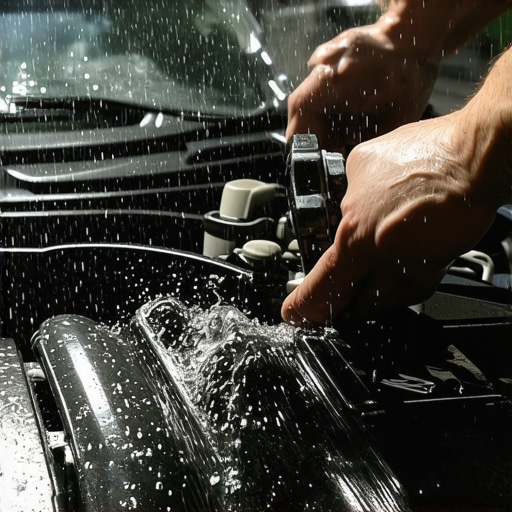
I’ll never forget the first time it happened to me. I was pulling into my driveway during a summer thunderstorm—the kind where the wipers can barely keep up—and as I went to make that final sharp turn, my steering wheel turned into a literal brick. It wasn’t just stiff; it felt like the car was actively fighting me. I nearly ended up in the flower bed. If you’ve ever felt that sudden, heavy resistance while driving through a puddle, you know exactly how terrifying it can be. You’re left wondering if your car is about to break down or if you’ve suddenly lost all your upper body strength. It is a visceral, heart-pounding moment that changes how you look at a rainy forecast.
Why Your Steering Wheel Fights Back in the Rain
Most people think rain just affects your tires and traction, but water has a sneaky way of messing with your under-the-hood components too. Today, we’re going to peel back the mystery of why your steering goes from buttery smooth to ‘gym-session-heavy’ the moment the clouds open up. We will look at the belts, the pulleys, and the fluid that keeps everything moving so you can stop guessing and start driving with confidence again. Early on in my DIY days, I made the classic mistake of over-diagnosing. I assumed my power steering pump had died a watery death and spent a whole Saturday—and a fair bit of cash—swapping it out. Turns out, the pump was fine; my belt was just slipping because of a worn-out tensioner. A little bit of decoding vehicle diagnostics would have saved me a lot of grief. Don’t be like younger me; check the basics first. Using some clever auto repair hacks can often solve the issue without a massive bill.
Is it just my imagination or is this actually dangerous?
It’s not in your head, and it is definitely not your imagination. When that steering gets heavy, it’s a sign that your power assist is failing, even if it’s just temporary. According to the National Highway Traffic Safety Administration (NHTSA), loss of power steering assist is a common factor in low-speed collisions because drivers can’t react fast enough to obstacles. It’s a safety issue, plain and simple. The culprit is almost always moisture getting where it shouldn’t be. Most modern cars use a serpentine belt to drive the power steering pump. If that belt gets wet and starts to slip, the pump stops doing its job. You can usually learn how to tell if your serpentine belt is about to fail by listening for a high-pitched squeal when it’s damp outside. If you’ve ever heard that scream under your hood, you’re halfway to a diagnosis. Have you ever felt that heart-stopping moment where your car refused to turn in a storm? Tell me your story—I’d love to know how you handled it.
Hunt for Cracks and Shiny Spots
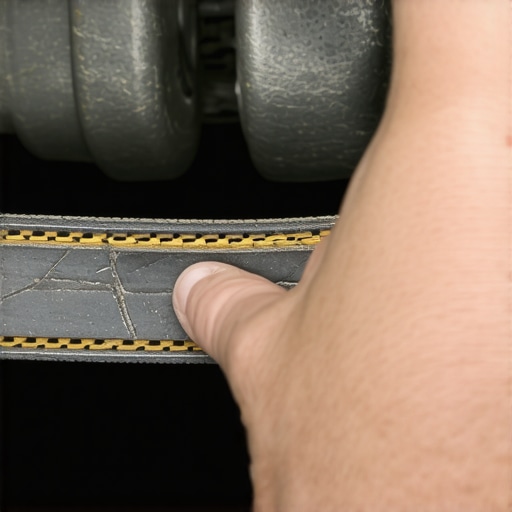
The very first thing you need to do is pop the hood and get a good look at your serpentine belt. Think of this belt as the treadmill for your engine’s accessories. When it’s dry, the friction keeps everything moving. But when water splashes up from the road, a worn belt becomes as slippery as a water slide. You are looking for ‘glazing’—which is a shiny, polished look on the smooth side of the belt—or ‘cracking’ on the ribbed side. I once spent three hours wrestling with a power steering pump on an old sedan because I thought the internal seals had blown. I was covered in red fluid and frustration, only to realize later that a $20 belt was simply glazed over and sliding across the pulley whenever a drop of water hit it. If you see those tiny hairline fractures, you need to know how to tell if your serpentine belt is about to fail before it snaps and leaves you stranded without an alternator or water pump. A quick visual check is the most effective of all auto repair hacks because it costs nothing but a few minutes of your time.
Give Your Tensioner the Strength Test
Even a brand-new belt will slip if the tensioner isn’t doing its job. The tensioner is a spring-loaded arm that keeps the belt tight against the pulleys. Over time, that spring loses its ‘oomph,’ much like an old screen door that won’t shut all the way. To test this, use a long wrench or a breaker bar to move the tensioner arm. It should feel stiff and provide significant resistance. If it moves too easily or if you see the belt fluttering while the engine is idling, the tensioner is likely weak. This is a common part of decoding vehicle diagnostics that many people overlook. I remember helping a neighbor whose truck would lose steering only during heavy downpours. We watched the belt while he turned the wheel in the driveway; the tensioner was literally bouncing because it couldn’t hold the load. Replacing that single arm restored his steering immediately.
Stop Guessing and Start Testing the Pump
If the belt is tight and in good shape, we have to look at the pump itself. Sometimes, moisture doesn’t cause a slip, but it does exacerbate an existing internal leak. Check your fluid levels first. If the fluid looks like a strawberry milkshake, water has found its way into the reservoir, which ruins the hydraulic properties of the oil. You might also hear a specific sound that gives it away. Learning why your car makes a high-pitched whistle when you accelerate can help you distinguish between a belt squeal and a dying pump bearing. If the pump is groaning even when it’s dry out, it’s likely on its last legs. While it is tempting to keep driving, remember the dangerous truth about ignoring a grinding noise in your wheels or steering system; components that fail at 60 mph are much more expensive than components replaced in your driveway.
Check the Wiring Before You Buy Parts
On newer vehicles, your heavy steering might not be hydraulic at all. Many modern cars use Electric Power Steering (EPS). In these systems, a heavy steering wheel in the rain usually means water is getting into an electrical connector or a ground wire is corroded. Using the $20 tool every driver needs for basic electrical troubleshooting—a simple multimeter—can save you hundreds. Check for ‘ghost’ codes in the computer. Sometimes the rain shorts out a sensor temporarily, and the car’s computer goes into a ‘fail-safe’ mode, making the steering feel manual to prevent damage. This is one of those top auto repair tips to extend your vehicles lifespan: keep your electrical connections clean and greased with dielectric grease to keep the moisture out for good.
While many drivers assume a heavy steering wheel during a storm is just a wet belt, seasoned mechanics know there is often a deeper, more expensive nuance at play. Most people rush to buy a bottle of ‘Stop Leak’ the second they feel resistance. Here is a contrarian take: Stop Leak is often the fastest way to kill a struggling pump. These additives work by swelling seals, which can temporarily stop a drip but eventually degrades the rubber and gums up the internal bypass valves. I’ve seen more pumps ruined by ‘mechanic in a can’ solutions than by actual wear and tear. If you want to keep your car on the road, you should look into oil change innovations and technologies that save your engine and apply that same logic to your hydraulic systems: clean fluid is always better than chemical patches.
Don’t Trust the Universal Fluid Myth
The biggest ‘Oops’ factor I see in my shop involves the ‘universal power steering fluid’ trap. Most DIYers think fluid is just fluid, but that’s a dangerous assumption. European and certain late-model Asian vehicles often require specific mineral-based or synthetic fluids with very particular viscosity ratings. Using standard ATF or a generic ‘one-size-fits-all’ fluid in a system designed for specialized hydraulics will literally melt your seals from the inside out over time. This is just as critical as avoiding the mistake of using the wrong oil viscosity in cold weather. When you add the wrong fluid, the pump has to work harder, generating heat that makes a slightly slipping belt in the rain turn into a total loss of assist.
What Happens When the Hydraulic Bypass Valve Sticks?
When you are making a sharp turn—like pulling into that driveway I mentioned earlier—your power steering pump is under its maximum load. To prevent the pressure from blowing out your high-pressure lines, the pump has an internal bypass valve. If your fluid is old, burnt, or contaminated with moisture (which happens more than you’d think in humid climates), that valve can stick. According to a technical study by the Car Care Council, nearly 70% of vehicles fail basic fluid inspections because owners treat power steering fluid as a ‘lifetime’ fill. It isn’t. When that valve sticks, you lose your assist instantly, making it feel like the steering rack has snapped.
The Clogged Reservoir Screen You Didn’t Know Existed
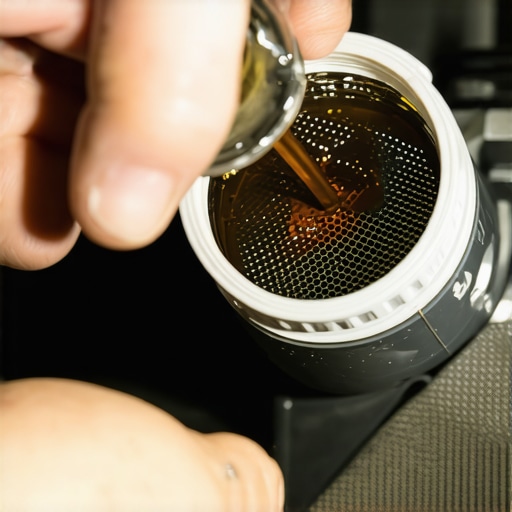
There is a nuance many DIYers miss: the internal reservoir filter. Many modern steering reservoirs have a fine mesh screen built into the bottom. Over years of service, tiny bits of rubber from hoses and metal wear from the pump accumulate on this screen. It’s a lot like learning how to tell if your oil filter is actually doing its job; if that screen is blocked, the pump starves for fluid. This starvation causes ‘cavitation,’ where air bubbles form in the fluid. In dry weather, you might just hear a faint whine, but when the humidity rises or water splashes onto the pulleys, the added stress of a minor belt slip combined with fluid starvation creates the ‘brick’ steering effect. This level of decoding vehicle diagnostics is what separates a parts-changer from a real mechanic. Before you buy a new rack or pump, try flushing the system and cleaning that reservoir screen. It’s one of the top auto repair tips to extend your vehicles lifespan without spending hundreds on unnecessary parts. Have you ever fallen into this trap of using a ‘quick fix’ only to have it backfire? Let me know in the comments.
Moving beyond the immediate panic of a heavy steering wheel, I want to share the specific gear that stays in my personal toolkit. You do not need a professional shop setup to prevent these rainy-day disasters, but you do need a few deliberate items. My go-to is a long-reach serpentine belt tool kit. I prefer the slim-profile versions because modern engine bays are notoriously cramped; a standard 3/8-inch ratchet usually doesn’t have the sweep or the thinness to clear the frame rail when you are trying to de-tension a spring-loaded pulley. When I am working on my own vehicle, I use this tool to check the tensioner’s range of motion every single time I do an oil change. It is one of those top auto repair tips to extend your vehicles lifespan that only takes five extra minutes but saves you from a total loss of assist on the highway.
The One Tool I Refuse to Work Without
If you are dealing with a modern vehicle, your steering system is heavily reliant on electronics. I cannot stress enough how much I rely on a high-quality multimeter for the $20 tool every driver needs for basic electrical troubleshooting. Before I ever condemn an Electric Power Steering (EPS) motor, I check the ground strap. Road salt and moisture create a ‘high-resistance’ bridge that can starve the motor of the amperage it needs. If you see a voltage drop of more than 0.2 volts across a ground wire while someone else is turning the wheel, you have found your problem. This is a crucial part of decoding vehicle diagnostics without spending a dime on parts you do not actually need. It’s about being precise, not just guessing based on a dashboard light.
How Do You Keep Your Steering System Reliable for the Long Haul?
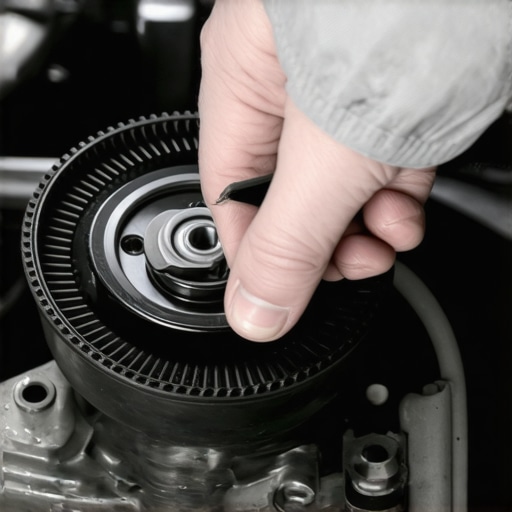
Maintenance is more than just checking fluid levels; it is about monitoring the health of the entire loop. According to technical documentation from the National Institute for Automotive Service Excellence (ASE), hydraulic fluid oxidation is the primary cause of premature rack and pinion failure. To combat this, I perform a ‘turkey baster’ flush every 30,000 miles. I simply suck the old fluid out of the reservoir and replace it with fresh, OEM-spec fluid. Over three or four cycles, you essentially refresh the additives without needing to open the high-pressure lines and risk introducing air. This proactive approach is a staple of essential auto repair strategies for frequent drivers. By the time the fluid smells burnt, the damage to your seals is already done. If you start hearing a slight whine, it’s worth investigating why your car makes a high-pitched whistle when you accelerate to ensure it isn’t the pump struggling with thick, old oil.
The Future of How We Turn
Looking ahead, the trend is moving toward ‘Steer-by-Wire’ systems where the physical connection between your hands and the wheels is entirely digital. While this removes the worry of slipping belts and leaking fluid, it increases the need for robust electrical maintenance. In the next decade, we will likely be using software updates and sensor calibrations more than wrenches to fix steering resistance. For now, the best thing you can do is stay ahead of the curve by using how advanced vehicle diagnostics prevent costly breakdowns to monitor your car’s health. I challenge you to go out this weekend, pop the hood, and check your serpentine belt for those tiny cracks we talked about. Catching a $20 problem today prevents a $1,000 nightmare tomorrow.
3 Hard Truths About Steering Maintenance I Learned the Hard Way
I’ve spent thousands of hours under hoods, and if there’s one thing I’ve realized, it’s that your car gives you plenty of warnings—we just have to listen. First, moisture is a master at exposing weaknesses you didn’t know you had. If your steering gets heavy in the rain, it’s rarely just a splash of water; it’s a symptom of a belt or tensioner that was already on the edge of failure. Second, never trust ‘lifetime’ fluids. Manufacturers use that term to sell cars, not to keep them running for 200,000 miles. Finally, remember that oil change innovations and technologies that save your engine apply to your steering too—keeping fluid fresh is the cheapest insurance you can buy. Treating your car with this mindset is a core part of decoding vehicle diagnostics before they become disasters.
My Personal Arsenal for Beating Hydraulic Gremlins
I don’t believe in having a massive, cluttered garage; I believe in having the right tools that actually work. For any steering issue, I keep a dedicated serpentine belt tool handy because standard ratchets just can’t reach those tight spots in modern engine bays. I also swear by the $20 tool every driver needs for basic electrical troubleshooting—the humble multimeter—to check for ground issues in modern EPS systems. Lastly, I always keep a bottle of OEM-specific fluid in my trunk. Avoiding the ‘universal’ fluid trap is one of the most essential auto repair strategies for frequent drivers who want to avoid a mid-trip breakdown. #IMAGE_PLACEHOLDER_E#
Your Roadmap to a Stress-Free Rainy Drive
Steering should never be a workout. By taking these small, proactive steps, you’re turning a potentially terrifying moment into just another Tuesday drive. Don’t wait for the next thunderstorm to find out if your belt is slipping or your pump is starving. Using how advanced vehicle diagnostics prevent costly breakdowns starts with you popping the hood today. You’ve got the knowledge now, so go ahead and take control of your car’s reliability and keep that steering buttery smooth. Have you ever felt that heart-stopping moment where your steering wheel turned into a brick in the middle of a turn? Let me know your story in the comments below!