
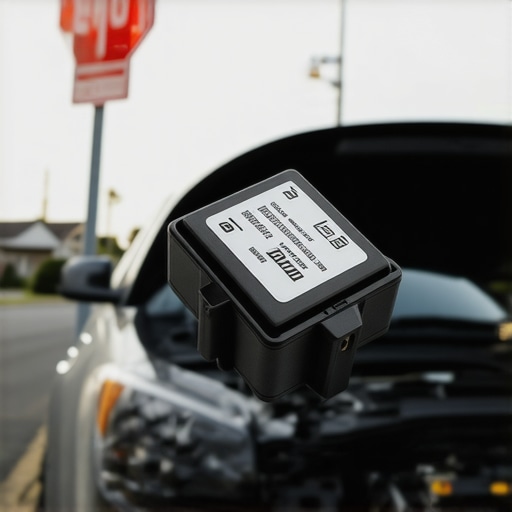
There I was, sitting at the busiest four-way stop in town, AC humming, and my favorite song playing on the radio. The light turned green, I eased off the brake, and then… absolute silence. My engine didn’t just stumble; it vanished. The steering went heavy, my dashboard flashed like a Christmas tree, and my heart dropped into my stomach. It is one of those visceral moments where you realize your reliable machine has decided to take a nap at the worst possible time. If you have ever felt that sudden, silent shudder as you slow down for a red light, you know exactly the panic I am talking about. It feels like the car is gasping for its last breath, leaving you stranded while everyone behind you starts honking.
The Day I Almost Totaled My Car Because of a Tiny Part
I used to think that stalling was just a quirk of an old car, maybe a little moisture in the fuel lines or a sign I needed a quick oil change. I was wrong. For three weeks, I ignored the stumbling idle, convinced I could just ‘drive through it.’ One afternoon, the car died while I was making a left turn across oncoming traffic. That was my wake-up call. I dove deep into vehicle diagnostics and discovered that a single, greasy little component was sabotaging my entire commute. Today, I am going to save you the stress (and the near-misses) by showing you exactly why your car stalls when you come to a stop sign. We are going to pinpoint the exact culprit, whether it is your Idle Air Control valve or a failing Crankshaft Position Sensor, so you can stop white-knuckling it every time you see a stop sign.
Is a cheap replacement actually worth the risk?
You might be tempted to grab the cheapest part you find on a random website, but I learned the hard way that cheap aftermarket sensors often fail faster than the ones they replace. According to the Car Care Council, neglected electronic components are leading causes of sudden roadside breakdowns, often costing three times more than a proactive fix. Have you ever had your car just give up on you in the middle of a busy intersection? It is a total nightmare. Let’s look at how these tiny sensors hold so much power over your engine’s ability to stay running when you’re just trying to get home.
Clean the Gatekeeper of Your Engine Idle
Think of your Idle Air Control (IAC) valve as your car’s nostrils. When you take your foot off the gas to stop, the throttle plate closes like a mouth, and the IAC valve takes over, allowing just enough air in to keep the engine breathing at rest. Over time, carbon deposits—basically engine soot—build up and choke that passage. I once spent an entire Saturday morning on my hands and knees in my driveway, scrubbing the throttle body of my old sedan with a $5 can of specialized cleaner. It was filthy, covered in a black, sticky residue that looked like burnt molasses. After a thorough cleaning, the car stopped its violent shivering and stayed running at the next three-way stop. If you want to skip the expensive shop fees, decoding vehicle diagnostics on your own often starts with checking this simple airflow path. 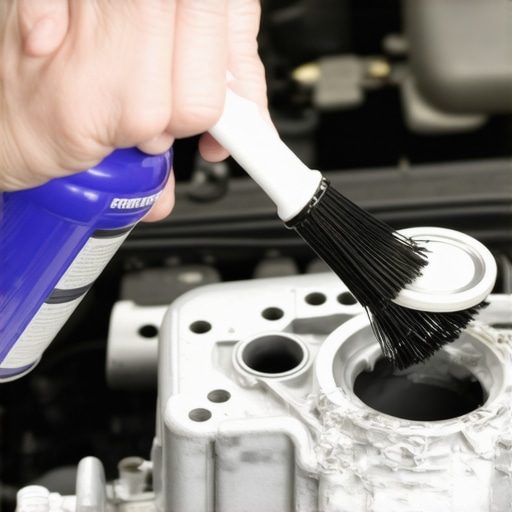
Find the Hidden Air Leaks in Your Intake
A vacuum leak is essentially your engine trying to drink through a straw that has a tiny, annoying hole in the side. It sucks in ‘unmetered’ air that the car’s computer didn’t plan for, which throws off the delicate balance of fuel and oxygen. When you are moving, the engine is under load and can usually mask the problem, but the second you slow down, that extra air leans out the mixture so much that the engine just gives up. You can often find these leaks by listening for a faint hissing sound or by using the old-school trick of spraying soapy water on the rubber hoses to look for bubbles. Mastering these top auto repair tips to extend your vehicles lifespan means being proactive about replacing those brittle, dry-rotted rubber lines before they leave you stalled in a left-turn lane.
Replace the Sensor Before It Strands You
If your airflow is fine but the car still dies, your Crankshaft Position Sensor might be losing its mind. This sensor is the engine’s metronome; it tells the computer exactly when to fire the spark plugs. If it misses a single beat because of internal heat or electrical failure, the computer assumes the engine has stopped and cuts everything off. I’ve seen cases where a failing sensor worked perfectly while the car was cold but quit the moment the engine reached operating temperature. This is where how advanced vehicle diagnostics prevent costly breakdowns by catching these intermittent signals before they become permanent failures. When you do go for the swap, remember that the truth about using cheap aftermarket sensors in your engine is that they often lack the precise magnetism required, leading to the same stalling issue just weeks later. These are essential auto repair strategies for frequent drivers who can’t afford to have their daily commuter turn into a paperweight at every intersection.Most DIYers think a trouble code is a direct order to buy a part, but that is the most expensive mistake you can make. Take the dreaded P0420 code; why your scanner says p0420 but the converter is actually fine is often down to a simple exhaust leak or a lazy oxygen sensor upstream. If you just ‘swap the cat,’ you are throwing hundreds of dollars at a symptom rather than the cause. This ‘parts cannon’ approach is what separates a weekend tinkerer from a true pro. To truly master your machine, you need to look at the live data stream behind the code rather than just the numeric output. 
Why does your scanner show a fault when the part is actually fine?
When a sensor sends a signal outside the expected range, the computer often assumes the sensor itself is dead. However, research shared by technical automotive associations suggests that nearly 40% of sensor-related fault codes are actually caused by circuit integrity issues, grounded wires, or mechanical failures affecting the sensor’s environment. This is where how advanced vehicle diagnostics prevent costly breakdowns—it teaches you to test the wire and the reference voltage, not just the plastic plug.
The $2 washer that ruins your driveway
When it comes to basic maintenance, people obsess over synthetic brands but ignore the physics of the seal. I’ve seen countless DIY oil changes result in slow, annoying leaks because someone decided why you should never skip the crush washer on your drain plug wasn’t worth the extra trip to the store. That tiny copper or aluminum ring is a one-time-use compression seal. Reusing it is a gamble that frequently leads to overtightened bolts and stripped oil pan threads. Similarly, choosing the oil filter brand that causes low oil pressure lights can lead to terrifying dashboard warnings that have nothing to do with your actual oil level.
Stop ignoring the brake hardware
If you have ever wondered why your brakes squeal even after you replaced the pads, the answer usually lies in the hardware you didn’t replace or the slide pins you forgot to grease. Modern braking systems are high-tolerance machines. Truly following the ultimate guide to brake service for safety and performance means scrubbing the hub surface to prevent lateral runout and using high-temp ceramic grease on every contact point. Without this attention to detail, your ‘new’ brakes will drag, vibrate, and wear out in half the time they should. Have you ever fallen into this trap of replacing a part only to have the same problem return a week later? Let me know in the comments.
Upgrade Your Toolkit to Stop Guessing
I spent years relying on a $20 code reader that only told me half the story. If you’re serious about your own auto repair, you need a tool that shows you ‘Live Data.’ I personally use a mid-range bidirectional scanner because it lets me command the car to perform tests—like toggling the fuel pump on and off—right from the palm of my hand. This is the secret to decoding vehicle diagnostics without spending three days guessing which wire is frayed. When you can see the oxygen sensor voltage switching in real-time, you stop being a ‘parts changer’ and start being a technician.
How do I keep my car running like new for the next decade?
Consistency isn’t just about showing up; it’s about the quality of the materials you use during every oil change. I’ve found that logging my work in a simple notebook—or an app if you’re tech-savvy—saves more money than any coupon. You need to look at your car as a collection of systems that age at different rates. For instance, most people forget that brake fluid is hygroscopic, meaning it absorbs water from the air. If you aren’t following the ultimate guide to brake service for safety and performance and flushing that fluid every two years, you’re literally rotting your calipers from the inside out. 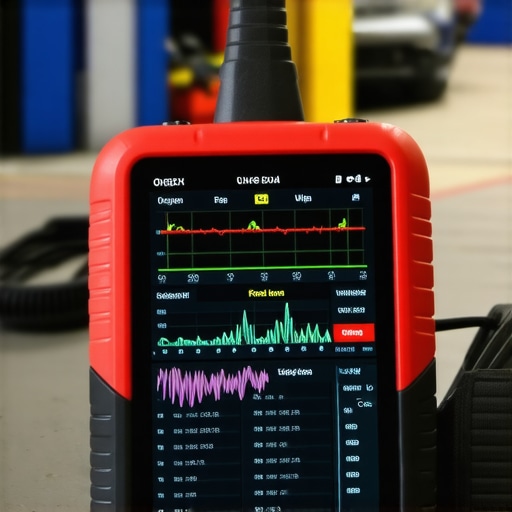
The Blood Pressure of Your Engine
There is a specific technical concept that pros use called ‘Fuel Trims.’ According to Bosch’s Gasoline-Engine Management technical documentation, these values represent the computer’s effort to balance the air-fuel ratio. If your ‘Long Term Fuel Trim’ is positive 15%, your car is screaming that it has a vacuum leak or a fuel delivery issue, even if the check engine light isn’t on yet. This is how advanced vehicle diagnostics prevent costly breakdowns; it’s about catching a ‘lean’ condition before it melts a piston. I honestly believe that in the next five years, we’ll see more predictive AI built into consumer-grade scanners that will tell you a part is going to fail three months before it actually does. For now, you have to be the AI.
Master These Advanced Repair Hacks
You don’t need a six-figure shop setup to get professional results. Some of the best auto repair hacks to save money involve using simple physics, like using a vacuum pump to bleed brakes solo. If you want to take your skills to the next level, I challenge you to plug in your scanner tonight and look at your ‘Short Term Fuel Trim’ while the car is idling. If it’s jumping all over the place, you might have caught that stalling issue we talked about earlier before it even started. Staying ahead of the curve is what keeps your daily driver out of the scrap yard and on the open road.
Why My ‘Parts Cannon’ Failed Me Twice
For years, I believed that if a sensor threw a code, that specific sensor was definitely dead. I spent hundreds of dollars replacing components that were actually functioning perfectly. The real lightbulb moment came when I realized a simple electrical issue could cause the same chaos as a mechanical failure. For instance, the ground wire problem that mimics a bad starter motor taught me that the connection to the frame is just as vital as the part itself. Always verify your wiring and circuit integrity before you swipe your credit card for an expensive electronic sensor. Another hard-earned lesson? Don’t assume your stopping issues are strictly engine-related. Often, brake service myths busted what really matters for safety reveals that sticking calipers or poor lubrication can cause enough drag to stumble a weak engine at idle. Mastering these nuances turns a frustrating breakdown into a manageable task.
The Gear That Actually Saved My Commute
If you are moving beyond simple visual checks, I highly recommend investing in a vacuum gauge and a quality OBDII reader that supports live data. These are not just tools; they are your car’s voice. I also keep a stash of auto repair hacks to save money without sacrificing quality, such as using a DIY smoke machine to find those tiny vacuum leaks that cause engine stalling. For those looking to dive deeper into why their machine acts up, technical manuals from original equipment manufacturers are the gold standard for understanding how fuel and air systems interact in modern vehicles. Having a reliable torque wrench and a dedicated cleaning kit for throttle bodies ensures that every small fix is done to professional standards. #IMAGE_PLACEHOLDER_E#
Stop Dreading the Red Light
Maintaining your car does not have to be a source of constant anxiety. By taking small, proactive steps today—like cleaning your throttle body or checking for worn vacuum hoses—you are preventing that terrifying silence at the next intersection. These essential auto repair strategies for frequent drivers are what separate those who end up stranded from those who remain in control of their vehicle’s health. You have the knowledge and the tools to keep your engine humming perfectly. Your car is a complex machine, but with a little patience and the right diagnostics, you can master it and keep your daily commute stress-free. Have you ever experienced that heart-stopping moment when your car died just as the light turned green? Let me know what the fix was in the comments below!