
I’ll never forget the sound: a faint, taunting hiss that only happened when I was sitting at a red light. I spent three weekends and way too much money trying to track it down. I made the classic rookie mistake of throwing parts at the problem, starting with a $100 sensor to fix a rough idle that wasn’t even the culprit. My wife was annoyed, my hands were greasy, and that damn check engine light was still mocking me. It wasn’t until an old-timer from down the street walked over with a cheap gas-station cigar and a length of rubber hose that the lightbulb finally went off. In less than five minutes, we found the tiny split in a vacuum line that was causing all my grief. It’s a trick as old as the hills, but it works better than some of the advanced vehicle diagnostics equipment you’ll find in high-end shops. Today, I’m going to show you how to save yourself a massive repair bill by using a bit of smoke and some common sense.
Stop Chasing Ghosts and Start Looking for Smoke
When your engine has a vacuum leak, it’s essentially breathing in unmetered air that the computer hasn’t accounted for. This throws off your air-fuel ratio, leading to that annoying whistling sound while idling or a car that stumbles every time you come to a stop. Most people assume they need a professional smoke machine—which can cost upwards of $800—but the physics of smoke doesn’t care about the price of the machine. According to technical data from the Car Care Council, even a minor vacuum leak can reduce engine efficiency by up to 20% because the fuel trim has to work overtime to compensate. By decoding what your car is trying to tell you through its symptoms, you can use this low-tech method to pinpoint the exact source of the leak without spending a fortune. Have you ever spent hours searching for a leak only to find it was a two-dollar piece of rubber?
Can a Cheap Cigar Really Beat a Professional Smoke Machine?
I know what you’re thinking because I thought it too: this sounds like some backyard mechanic nonsense. You might be worried about getting soot in your intake or whether you’re going to set something on fire. The truth is, as long as you aren’t puffing like a chimney into a fuel line (seriously, don’t do that), the volume of smoke produced by a cigar is perfectly adequate for a localized test. My early mistake was trying to spray carb cleaner everywhere, which is not only messy but can actually damage some plastics and sensors if you aren’t careful. The cigar method is non-invasive, incredibly cheap, and provides a visual confirmation that you just can’t get from a scan tool alone. It transforms an invisible problem into a visible one, letting you see exactly where that ‘ghost’ air is entering your system. We are going to walk through the safety steps and the setup so you don’t end up smelling like a tobacco shop for a week while fixing your ride.
Set the Stage for Success
Before you even think about lighting that cigar, you need to prepare the engine. You cannot perform this test while the engine is running. I learned this the hard way on an old 4×4 where I spent twenty minutes puffing smoke into the intake while the engine was idling, only to realize the vacuum was sucking the smoke straight into the cylinders. You won’t see a leak if the engine is consuming the evidence. Ensure the engine is off and cool enough to touch. This is one of those easy checks before your road trip that can save you from a breakdown. You also need to block off the main air intake. Remove the air filter housing and use a piece of plastic wrap or a rubber glove secured with a rubber band to seal the throttle body. If the smoke can escape freely out of the air intake, it won’t build enough pressure to find the tiny cracks in your lines.
Pipe Smoke Through the Brake Booster Line
The easiest way to get smoke into the entire intake system is through the brake booster vacuum hose. This line is usually thick and leads directly to the intake manifold, acting like a main highway for your test. In the ultimate guide to brake service, we often talk about the importance of this hose for stopping power, but here it serves as our diagnostic port. Pull the hose off the booster and get your cigar ready. Take a deep puff—don’t inhale it, just hold the smoke in your mouth—and blow it firmly into the hose. You might need to do this four or five times to fill the entire volume of the intake manifold. The goal is to create a slight positive pressure inside the engine’s breathing system. It is a brilliant auto repair hack that mimics the expensive machines used in professional garages.

Wait for the Wisp to Reveal the Problem
Once the system is saturated with smoke, grab a bright flashlight. Even in a well-lit garage, smoke can be hard to see against the dark backdrop of an engine bay. Move the light slowly over every rubber junction, T-fitting, and plastic line. When I used this method on my old truck, I was convinced the issue was a manifold gasket. However, after three puffs of smoke, a tiny, steady wisp started curling out from a plastic T-fitting hidden under the wire harness. It was so small I never would have seen it with a visual inspection alone. This visual confirmation is why smoke testing is among the top auto repair tips to extend your vehicle’s lifespan; it prevents you from running the engine lean, which causes excessive heat and wear. If you see smoke coming from the back of the engine near the firewall, you might be looking at the 20 dollar part that usually fixes an EVAP system leak, specifically a purge valve or its connecting lines. Keep the pressure steady with your mouth or a small hand pump, and don’t rush the process. The smoke doesn’t lie, and it will eventually find its way out of the smallest pinhole.
The biggest mistake I see DIYers make is treating a Diagnostic Trouble Code (DTC) like a grocery list. When you see a P0171 (System Too Lean), the instinct is to swap the oxygen sensor. But in my experience, the sensor is almost never the problem; it’s just the messenger. This is where advanced vehicle diagnostics come into play. A lean code simply means there is more air than fuel, and 90% of the time, that’s due to a physical breach in the system, not a computer failure. If you start throwing parts at it, you’re just wasting money on a $100 sensor to fix a rough idle that will still be there tomorrow.
Why a Scan Tool Might Be Leading You Down the Wrong Path
One trap that even seasoned mechanics fall into is the ‘dynamic’ leak. This is a crack that stays sealed while the car is parked but opens wide the moment the engine shifts under acceleration. I once worked on a car where the intake boot looked pristine. It wasn’t until I manually torqued the engine while blowing smoke that a huge tear opened up in the accordion bellows. According to a technical study by ASE (Automotive Service Excellence), nearly 30% of misdiagnosed ‘ghost’ issues are actually mechanical failures that only manifest under specific load conditions. This is why decoding what your car is trying to tell you requires more than just a code reader—it requires stress-testing the components. 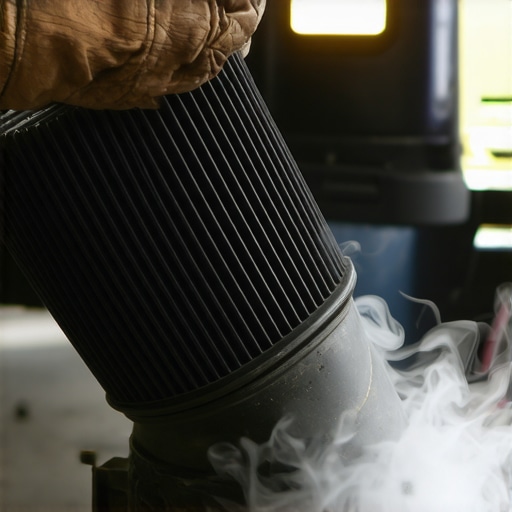
Why do some vacuum leaks disappear after the engine warms up?
This is the nuance that separates the pros from the amateurs. Thermal expansion is your best friend and your worst enemy. Plastic intake manifolds and rubber seals expand as they heat up. I’ve seen cases where a whistling sound while idling only happens for the first five minutes of a cold start. Once the manifold reaches operating temperature, the plastic expands and seals the gap. If you’re testing a warm engine, you’re looking for a ghost that’s already gone into hiding. Always perform your initial smoke test on a cold block if you’re chasing a morning stumble. It’s one of those auto repair hacks that saves you hours of frustration.
Is your intake boot hiding a secret?
Also, don’t overlook the brake system. A failing internal diaphragm in the brake booster can act as a massive, intermittent vacuum leak that only occurs when your foot is on the pedal. This often leads to why your brake pedal sinks to the floor at red lights or a weird idle drop at stop signs. Check out my ultimate guide to brake service for more on how these systems overlap. Have you ever spent a weekend replacing a sensor only to find a cracked hose later? Have you ever fallen into this trap? Let me know in the comments.
Build a Diagnostic Kit That Actually Saves Money
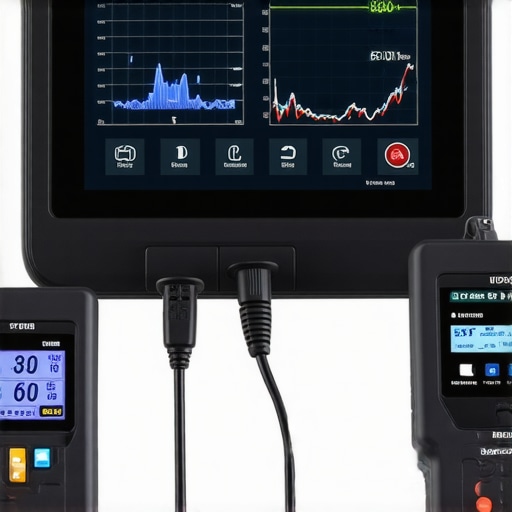
While I love the cigar trick for its simplicity, you cannot rely on smoke alone if you want to be a serious DIYer. My garage is stocked with a few essentials that bridge the gap between a backyard guesser and a professional technician. First, get a decent OBD-II scanner that supports live data streaming. I personally use a mid-range Autel unit because it allows me to watch the Short Term Fuel Trim (STFT) in real-time. According to technical documentation from SAE International regarding J1979 standards, monitoring these trims is the only way to see if your repair actually fixed the lean condition before the computer decides to clear the code. If your STFT drops from +20% back down to near 0% after you plug a leak, you know you have won. This kind of advanced vehicle diagnostics turns a guessing game into a verifiable science.
How do I keep my car’s vacuum system healthy for the long haul?
Maintenance is about more than just a scheduled oil change; it is about preserving the rubber and plastic components that keep your engine sealed. Over time, constant heat cycles turn supple rubber into brittle, crack-prone plastic. One of my favorite top auto repair tips to extend your vehicle’s lifespan is to apply a high-quality silicone-based protectant to accessible vacuum lines every couple of years. This simple step prevents the micro-cracking that leads to those annoying ghost leaks. Also, do not ignore the small stuff. A loose gas cap or a degraded seal on your dipstick can trigger the same lean codes as a massive intake leak. Incorporating these easy checks before your road trip into your routine ensures you are not stuck on the side of the highway with a stumbling engine. Consistency in maintenance is why essential auto repair strategies for frequent drivers always prioritize the air-tight integrity of the intake system.
The Digital Shift in Your Engine Bay
Looking ahead, the era of mechanical guesswork is slowly being replaced by integrated AI-driven diagnostics. Modern vehicles are becoming rolling computers, and we are seeing oil change innovations that include sensors monitoring chemical acidity in real-time. In the near future, your car will likely pinpoint its own vacuum leaks by analyzing acoustic signatures through the manifold sensors before you even notice a rough idle. Even as tech evolves, the fundamental physics remains the same. Whether you are performing a brake service or chasing a P0171 code, understanding the “why” behind the “how” will always be your greatest tool. If you are ready to level up, I challenge you to go beyond just reading a code—pull up your live data and watch those fuel trims react as you physically wiggle your vacuum lines. It is the ultimate way to master auto repair hacks without sacrificing quality or safety.
Three Mistakes That Cost Me Way Too Much Money
The first time I tried a smoke test, I over-complicated it. I thought I needed a fancy vacuum pump, but the ‘old timer’ method taught me that persistence beats expensive gear. One huge takeaway is never to trust a visual-only inspection; rubber can look perfect on the outside while being porous as a sponge on the inside. Also, don’t ignore the tiny components, like the 20 dollar part that usually fixes an EVAP system leak, because an intake leak and an EVAP leak often feel identical at the driver’s seat. Finally, remember that decoding what your car is trying to tell you is about context—if the leak only happens when you turn the wheel, it might not be the intake at all, but a failing power steering pressure switch.
The Only Three Tools You Actually Need to Stop Rough Idles
I don’t believe in buying every tool in the catalog. For vacuum leaks, my ‘holy trinity’ includes a mid-range OBD-II scanner that shows live fuel trims—essential for verifying how advanced vehicle diagnostics prevent costly breakdowns. Next, I always keep a spray bottle of soapy water; it is a classic way to find a slow puncture but works just as well for finding external bubbles on pressurized lines. Lastly, a can of silicone-based protectant is vital; using it during a scheduled oil change can prevent hoses from cracking in the first place.
#IMAGE_PLACEHOLDER_E#
Take Control of Your Engine’s Health Today
Mechanics can be intimidating, and modern engines look like a maze of wires, but they still run on the same basic principles of air, fuel, and spark. By mastering these auto repair hacks, you aren’t just saving money—you are gaining the confidence to keep your vehicle on the road longer than the manufacturer intended. Whether you are performing a complex brake service or just chasing a ‘ghost’ in the intake, remember that your intuition and a bit of smoke are often more powerful than a shop’s computer. Have you ever spent a whole weekend chasing a rough idle only to find a loose hose? Tell me your most frustrating ‘ghost hunt’ in the comments below!