

I remember sitting at the intersection of Main and 4th, the light was a stubborn red, and my old sedan felt perfectly solid—until it didn’t. My foot was resting on the brake, but the pedal started this slow, ghostly crawl toward the floorboards. My heart did a triple-flip. I pumped the brakes frantically, praying the car wouldn’t lurch into the cross-traffic of the morning rush. It is a terrifying sensation, like the ground is literally disappearing beneath you while you are standing still. If you have felt that sinking feeling, you are not alone, and you definitely are not imagining things. Today, we are going to dive into why this happens and how to stop it before your next trip to the grocery store turns into a nightmare.
That Sinking Feeling Isn’t Just in Your Head
When I first started wrenching on my own rigs, I used to think a sinking pedal was just a quirk of an older vehicle, something I could live with if I just stayed alert. I was dead wrong. It is actually a loud, desperate cry for help from your hydraulic system. Usually, when your brake pedal feels spongy after a long drive, it is a sign that air or moisture has compromised the integrity of your lines. I remember one specific Saturday morning where I tried to ‘fix’ the issue by just pumping the pedal and topping off the fluid, completely ignoring the fact that my master cylinder was slowly bypassing internally. It was a mistake that cost me a lot more than a simple bottle of Dot 3. By understanding essential auto repair strategies for frequent drivers, you can spot these red flags before they turn into a total system failure. This sinking sensation specifically at red lights is the classic symptom of a master cylinder that can no longer hold pressure. Have you ever felt that heart-stopping moment where the car starts to roll even though your foot is firmly down?
Is My Entire Brake System About to Fail?
It is the question that keeps us up at night when our daily driver starts acting funky. You start wondering if you need to scrap the whole thing or if following the ultimate guide to brake service for safety and performance is enough to get you safely back on the road. The truth is often less about ‘exploding brakes’ and more about a slow, internal seal failure. According to the Car Care Council, brake fluid is hygroscopic, meaning it actually pulls moisture out of the air over time. In just one year, your fluid can absorb enough water to lower its boiling point significantly, leading to internal corrosion that eats away at the rubber seals in your master cylinder. That is usually why the pedal holds for a second and then slowly gives way under constant pressure.
Stop Ignoring the Color of Your Fluid
Early in my DIY journey, I let my fluid get so bad it looked like dark, murky coffee. I was totally missing the warning signs that the brake fluid color that means you need a flush immediately was staring me right in the face every time I popped the hood. When the internal seals of the master cylinder wear out, the fluid isn’t leaking onto the ground; it’s simply leaking past the internal pistons. This is why you don’t see a puddle on your driveway, yet the pedal still sinks. It is a ‘silent’ failure that catches most drivers off guard. We need to talk about the internal bypass mechanism and why it behaves this way only when you are stopped at a light, rather than when you are slamming on the brakes in an emergency.
Run This Thirty Second Static Test First
To figure out if your master cylinder is truly the culprit, you need to isolate the hydraulic system from the power assist. With the engine off, pump the brake pedal several times to deplete the vacuum in the brake booster. Once the pedal feels rock hard, maintain steady, firm pressure. If that pedal starts to creep toward the floor while the engine is off, you have a definitive internal leak. You are literally feeling fluid slip past the primary or secondary seals inside the cylinder bore. This is a crucial step in decoding vehicle diagnostics what your car is trying to tell you. If the pedal only sinks when the engine is running, you might be dealing with a vacuum booster issue or a highly specific ABS valve problem, but the static test is your first line of defense.
Treat Your Master Cylinder Like a High Precision Syringe
Think of your master cylinder as a medical syringe. When the rubber plunger is new, it pushes every drop of liquid out through the needle. But as that rubber seal ages and gets brittle—especially when contaminated by old, dark fluid—liquid starts to spray backward behind the plunger. In your car, that “backward spray” stays inside the unit, which is why you won’t see a puddle on the ground. This is one of those brake service myths busted what really matters for safety: a lack of external leaks does not mean your system is healthy. When you are sitting at a red light, you are applying just enough pressure to allow that fluid to slowly bypass the seals. During a panic stop, the sudden high pressure can actually force the seals to flare out and hold momentarily, which is why the problem feels so much worse at idle.
Why Bench Bleeding Saves Your Sanity
If the static test confirms the failure, you will likely be installing a new unit. But here is where most DIYers trip up: they bolt the new master cylinder on and immediately start bleeding the wheels. I remember my first master cylinder swap on an old ’94 pickup. I was so excited to get it back on the road that I skipped the bench bleeding process entirely. I spent the next four hours pumping the pedal like a madman, only to realize I had trapped a massive air bubble right at the top of the bore that no amount of traditional bleeding could reach. It was a messy, frustrating lesson in patience. You must bleed the master cylinder on the workbench using the supplied plastic fittings and hoses to loop the fluid back into the reservoir. This ensures the air is purged from the heart of the system before it ever touches your brake lines. Following top auto repair tips to extend your vehicles lifespan means doing the job once and doing it right. Once you have a “hard” master cylinder on the bench, then you can move to the wheels and use the trick for a perfect brake bleed every single time to finish the job. Remember to use a block of wood under your brake pedal during the final bleed to prevent the pedal from hitting the floor, which can damage the seals on even a brand-new unit.Everyone tells you to stomp on the brakes to test for leaks, but that is a rookie mistake. High pressure can actually cause worn seals to expand and seal temporarily, masking the very problem you are trying to find. For a true internal bypass, you need a ‘feather touch.’ Gently rest your foot on the pedal at a stop. If it creeps only then, you’ve found your culprit. This is one of those brake service myths busted what really matters for safety: more pressure isn’t always more information. In my years under the hood, I’ve noticed that temperature swings often trigger these failures; a seal that holds at 40 degrees might fail at 90 degrees as the rubber becomes more pliable.
Don’t Fall for the Vacuum Booster Trap
I’ve seen so many DIYers spend hundreds on a new brake booster because they assumed ‘power brakes’ meant the booster was responsible for everything. This is a massive trap. The booster is simply a vacuum-operated muscle; it doesn’t hold hydraulic pressure. If your pedal is sinking, the booster is almost never the cause. However, a master cylinder leaking from the rear seal can dump fluid into the booster, eventually rotting the internal diaphragm. If you pull the master cylinder and see wetness on the back flange, you’re looking at a double-repair. This is where how advanced vehicle diagnostics prevent costly breakdowns really pays off.
Is it possible for a bad ABS module to mimic a failing master cylinder?
This is the ‘final boss’ of brake diagnostics and something most shops won’t even mention until they’ve already charged you for a master cylinder. In rare cases, an internal solenoid valve in the ABS Hydraulic Control Unit (HCU) can get stuck partially open. This allows high-pressure fluid to bypass the wheel circuit and dump into the low-pressure accumulator. To the driver, it feels exactly like a failing master cylinder—a slow, steady sink to the floor. Before you commit to a major component swap, check for any ABS codes, even if the light isn’t on. Sophisticated systems often log ‘soft’ codes that don’t trigger a dashboard alert but point directly to valve issues. This level of detail is just as crucial as understanding how oil change innovations technologies that save your engine by managing microscopic friction. #IMAGE_PLACE_HOLDER_C#
The Chemical Nightmare of Mixing Fluid Types
Here is the most dangerous ‘Oops’ factor in the book: the assumption that ‘brake fluid is just brake fluid.’ Mixing DOT 5 (silicone-based) with DOT 3 or 4 (glycol-based) is a death sentence for your braking system. They are chemically incompatible and will emulsify into a thick, gel-like sludge that clogs valves and swells seals until they burst. According to the Society of Automotive Engineers (SAE), using contaminated or incorrect fluid grades reduces the system’s boiling point and compromises seal integrity within weeks. Always check your reservoir cap; it’s there for a reason. This logic follows the truth about synthetic oil vs conventional in older high mileage cars—using the wrong chemistry for the age of your vehicle is a recipe for disaster.
Why Your Modern Sensors Might Be Lying to You
We rely on the dashboard to tell us when things go wrong, but a sinking pedal doesn’t always trip a sensor until it’s too late. Most level sensors only care if the fluid is low. If the fluid is bypassing internally, the level stays the same, and your car thinks everything is fine. This is why manual inspection is king. Avoid the truth about using cheap aftermarket sensors in your engine—they often have wider tolerances that miss these subtle pressure drops. Have you ever fallen into the trap of replacing a major part only to realize a $10 seal or the wrong fluid was the real problem? Let me know in the comments.
The Gear That Makes Hard Jobs Look Easy
If you are tired of the ‘guess and check’ method of auto repair, it is time to invest in a few key pieces of gear that transform a frustrating Saturday into a thirty-minute win. For years, I relied on my spouse or a neighbor to pump the brakes while I opened the bleeder valves, but that is a recipe for marital strife and inconsistent pressure. Now, I exclusively use a Motive Products Power Bleeder. It uses a pressurized tank to push fresh fluid through the lines from the top down, which is exactly the trick for a perfect brake bleed every single time. This tool is essential because it eliminates the risk of drawing air back into the system through the bleeder threads.
Why Your Scanner is Your Best Friend
You cannot fix what you cannot see. When I am decoding vehicle diagnostics what your car is trying to tell you, a standard cheap code reader often falls short when dealing with the ABS module. I recommend an Autel or BlueDriver unit that can access manufacturer-specific data streams. According to Bendix Technical Bulletin #104, moisture contamination can lead to ‘vapor lock’ where the fluid actually boils inside the caliper during heavy use. A high-end scanner lets you monitor live wheel speed sensor data and solenoid status to see if an internal ABS leak is causing that sinking pedal before you start throwing expensive parts at it. 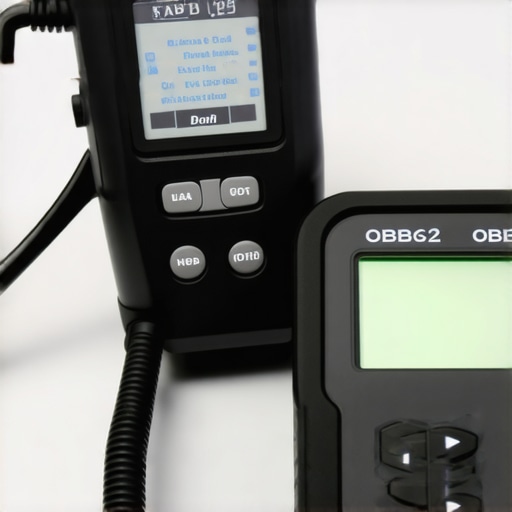
How can I maximize my brake life through routine care?
Keeping your system in peak condition is about more than just checking pads. One of the best top auto repair tips to extend your vehicles lifespan is to perform a full system flush every two years, regardless of mileage. This prevents the moisture-heavy fluid from corroding the delicate internal valves of your ABS pump and master cylinder. Just as oil change innovations technologies that save your engine focus on reducing chemical breakdown, using a high-quality, low-viscosity DOT 4 fluid can improve response times in cold weather.
The Future of Stopping is Electric
We are moving toward a world where the physical connection between your foot and the brake pads is disappearing. Brake-by-wire systems are becoming standard in EVs and high-end luxury cars. In these vehicles, your pedal is essentially a giant joystick that sends an electronic signal to a computer, which then decides how much hydraulic pressure to apply. This eliminates the ‘sinking pedal’ caused by master cylinder leaks, but it introduces a whole new world of electronic vehicle diagnostics explained easy checks before your road trip. While it makes the car safer and more efficient, it means the DIYer of 2030 will need a laptop as much as a wrench. Using these auto repair hacks save money without sacrificing quality now will prepare you for the high-tech shift. If you suspect your pedal is creeping, do not wait for a shop to tell you what is wrong—go out to your driveway tonight and perform the ‘feather touch’ test I described earlier; it could save you thousands in diagnostic fees later.
The Hardest Lessons I Learned Under the Chassis
Looking back at that morning at the intersection, I realize I spent way too long trying to “force” the system to work. I learned that brake fluid isn’t just a liquid; it’s a living chemical that needs to be respected. One lightbulb moment for me was realizing that the pedal doesn’t need to be “mushy” to be failing; a rock-hard pedal that slowly creeps is actually more dangerous because it feels deceptive. It’s also vital to remember that brake service myths busted what really matters for safety often ignore the internal bypass phenomenon entirely. If you’re a high-mileage commuter, mastering these essential auto repair strategies for frequent drivers will keep you from being that car that rolls into the back of a truck at a stoplight. My biggest takeaway? If the fluid looks like soy sauce, the seals are already on borrowed time.
The Kit That Turned My Brake Jobs Into a Win
I stopped guessing when I started using the right diagnostic tools. If you want to stop the frustration, I recommend getting a dedicated pressure bleeder—it’s a game changer for solo mechanics. Pair that with a set of flare nut wrenches so you don’t round off your brake lines, which is one of the best auto repair hacks save money without sacrificing quality you can implement today. I also highly suggest keeping a bottle of high-quality DOT 4 fluid on the shelf; the higher boiling point is worth every penny for peace of mind. Having a scanner capable of cycling ABS valves is the only way to be 100% sure the master cylinder is the culprit.
Take Back Control of Your Stop Light Anxiety
Brakes are the most critical safety system in your vehicle, and that sinking feeling shouldn’t be ignored. By running the static test and watching for the brake fluid color that means you need a flush immediately, you are already ahead of 90% of drivers on the road. Don’t be afraid to dig into the master cylinder swap yourself; just remember to bench bleed. Following the ultimate guide to brake service for safety and performance ensures that your next trip is defined by a crisp, responsive stop rather than a frantic prayer at a red light. You’ve got the knowledge—now go grab the tools and fix that creep. Have you tried the “feather touch” test yet, and did your pedal hold steady or start that slow crawl? Let me know your results in the comments below!