
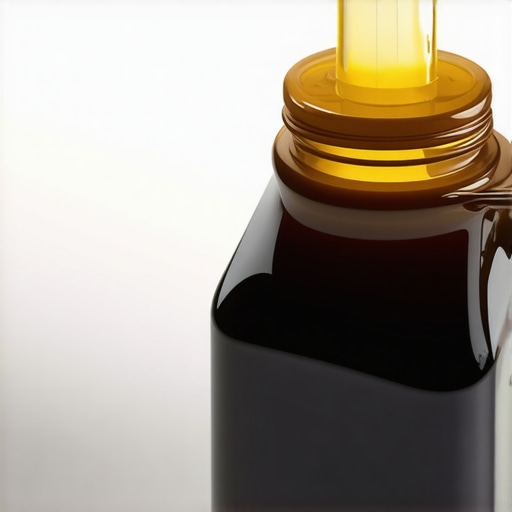
I remember the exact moment I realized I’d been playing a dangerous game with my own safety. It was a humid July afternoon, and I was coming down a steep mountain pass with a full load in the back of my old sedan. I pressed the pedal, and instead of that firm, reassuring bite, my foot went nearly to the floor. My heart did a somersault. I managed to pump the brakes and crawl to a stop, but when I popped the hood and twisted off that master cylinder cap, I didn’t see the honey-gold liquid I expected. I saw ink. Thick, dark, nasty ink.
That Dark Coffee Liquid Is Actually Eating Your Brakes
I had made the classic rookie mistake: I assumed that because my car stopped yesterday, it would stop today. I ignored the fluid because it stayed out of sight and out of mind. Big mistake. Brake fluid is hygroscopic, which is just a fancy way of saying it’s a total moisture magnet. Over time, it pulls water from the air through microscopic pores in your hoses. This water lowers the boiling point of the fluid and starts rusting your expensive internal components from the inside out. When you see it turn from a light amber to a murky brown or black, it’s not just dirty—it’s chemically failing. This is why following the ultimate guide to brake service for safety and performance is so critical. If you wait until you feel your brake pedal feels spongy after a long drive, you are already in the danger zone.
Is a Brake Flush Actually Worth the Hassle?
I get the skepticism; I really do. Most folks go through their whole lives never touching their brake fluid and think it is just a “mechanic’s upsell.” I used to be one of them until that day on the mountain. But here is a shocking reality: moisture contamination can lead to brake fade precisely when you need stopping power most. According to data from the NHTSA, brake-related issues are a significant factor in thousands of accidents annually, many of which are preventable with basic fluid maintenance. This isn’t just about color; it’s about chemistry. When the fluid boils, it creates gas bubbles, and unlike liquid, gas compresses. That’s why your pedal hits the floor. Have you ever peeked inside your reservoir and been shocked by what you found? I want to help you decode those colors today so you never have to experience that sinking feeling I did. If you’ve noticed your car pulls to the left when you hit the brakes, the culprit might be hiding right there in your master cylinder reservoir.
Get the Right Fluid for the Job
Before you even touch a wrench, you need to know what your car actually drinks. Brake fluid isn’t a “one size fits all” liquid. Most modern cars use DOT 3 or DOT 4, but they aren’t always interchangeable. Think of it like blood types; putting the wrong one in can cause a serious reaction. Specifically, the boiling points differ. If you’re preparing for a mountain trip, vehicle diagnostics explained: easy checks before your road trip can help you identify if your current setup is up to the task. Using the wrong fluid is one of those brake service myths busted: what really matters for safety that can actually cost you your stopping power when the heat climbs.
The Methodical Way to Flush Your Lines
The goal is a total blood transfusion for your braking system. You aren’t just topping it off; you’re pushing the old, contaminated gunk out until fresh, clear fluid emerges at all four corners. I usually start at the wheel furthest from the master cylinder—typically the rear passenger side—and work my way in. It’s like sweeping a room; you start at the far corner and push the dirt toward the door. If you skip this order, you risk leaving pockets of old fluid or air bubbles that make your pedal feel like a marshmallow.
Master the Two-Person Pump and Hold
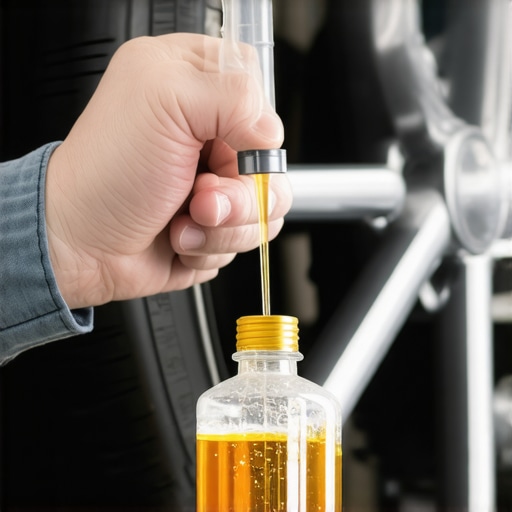
This is where the magic (and the mess) happens. I remember trying to do this solo on my old 4×4 with a cheap vacuum pump that just wouldn’t seal. I spent three hours getting nowhere until my neighbor came over to help. He sat in the driver’s seat, and we developed a rhythm: “Pump, pump, pump, HOLD!” While he held the pedal down, I’d crack the bleeder valve. A stream of black fluid would shoot out, the pedal would drop to the floor, and I’d zip the valve shut before he let go. If he lifted his foot too early, it would suck air back into the line, and we’d have to start all over. This manual synchronization is more reliable than many high-tech tools. If you’re worried about other systems, how advanced vehicle diagnostics prevent costly breakdowns shows why keeping these manual checks in your routine is vital.
Keep the Reservoir From Running Dry
The biggest “gotcha” during a flush is letting the master cylinder run out of fluid. If that happens, you’ve just pumped a massive gulp of air into the very heart of the system. Then you aren’t just bleeding the brakes at the wheels; you might have to bench-bleed the master cylinder itself. Just like oil change innovations and technologies that save your engine, the tools for braking have improved, but the physics remains the same: air compresses, liquid doesn’t. While you’re under there, check the hoses. If you see cracks, you might want to learn how to tell if your brake booster is leaking air before you call the job finished.
Everyone tells you that as long as the fluid is clear, your brakes are golden. In my experience, that’s a dangerous half-truth. I’ve seen fluid that looked perfectly amber on a test strip but failed a boiling point test miserably. You see, moisture content is invisible to the naked eye. While visual checks are part of essential auto repair strategies for frequent drivers, they don’t tell the whole story. According to the Car Care Council, roughly 25% of cars on the road are driving with contaminated fluid that could fail under high-heat conditions. If you only change your fluid when it looks like Pepsi, you’re already years behind on maintenance.
Why the ‘Clear Fluid’ Test Isn’t Enough for True Safety
The nuance most people miss is that brake fluid doesn’t just get dirty; it gets saturated. Even if the reservoir looks clean, the fluid sitting in your calipers—the part that actually does the hard work—is often in much worse shape. It’s similar to how people assume their lubrication is fine just by looking at a dipstick, but learning how to tell if your oil filter is actually doing its job reveals that hidden contaminants are the real engine killers. In the braking world, that hidden enemy is water. Once your fluid hits a 3% moisture level, its boiling point can drop by over 100 degrees Fahrenheit, leading to sudden brake fade during a panic stop.
Don’t Shred Your Seals by Pushing the Pedal Too Far
Here is the ‘oops’ factor that ruins master cylinders every single weekend. When you do a manual two-person bleed, you’re often told to ‘push the pedal to the floor.’ Stop doing that. In an older car, the piston inside the master cylinder usually only travels through the first half of its bore. Over years of use, the bottom half of that bore can develop microscopic pits or ridges of debris. When you suddenly smash the pedal to the floor during a bleed, you’re forcing delicate rubber seals over a surface that’s essentially sandpaper. I’ve seen perfectly good master cylinders start leaking internally immediately after a ‘routine’ flush because of this. Instead, place a small block of wood under the pedal to limit travel to a normal range. It’s a nuance that separates the pros from the parts-changers. 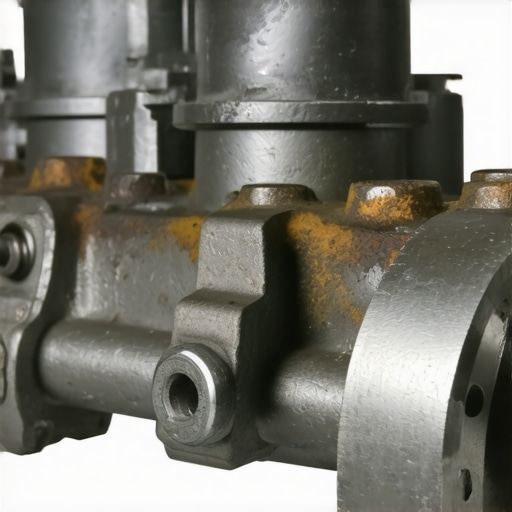
Can You Successfully Bleed an ABS System Without a Fancy Scan Tool?
This is the question I get most from advanced DIYers. The short answer is: maybe. In many modern vehicles, the Anti-lock Braking System (ABS) has a series of internal valves and a pump that can trap old fluid and air. While a standard gravity or pressure bleed works for the lines, it won’t always clear the ABS HCU (Hydraulic Control Unit). Some guys try to bypass this by ‘cycling’ the ABS on a gravel road and then bleeding again, but that’s messy and inconsistent. This is where how advanced vehicle diagnostics prevent costly breakdowns becomes relevant; a simple bidirectional scan tool can command the ABS pump to run during the bleed, ensuring 100% of the old ‘ink’ is gone. If you ignore this, you’re leaving the most sensitive part of your safety system full of swamp water.
We often get distracted by the big symptoms and ignore the chemistry. It’s just like when a driver wonders why your engine oil level rises between oil changes or ignores the the mistake of using the wrong oil viscosity in cold weather; small deviations from the manual lead to massive mechanical headaches. Even sophisticated electronic warnings can be misleading. Just as why your scanner says p0420 but the converter is actually fine illustrates how sensors can lie, your brake pedal might feel ‘fine’ right up until the moment it isn’t. Have you ever fallen into this trap of assuming ‘clean-looking’ fluid was safe? Let me know in the comments.
Stop Fiddling with the Pedal and Get a Pressure Bleeder
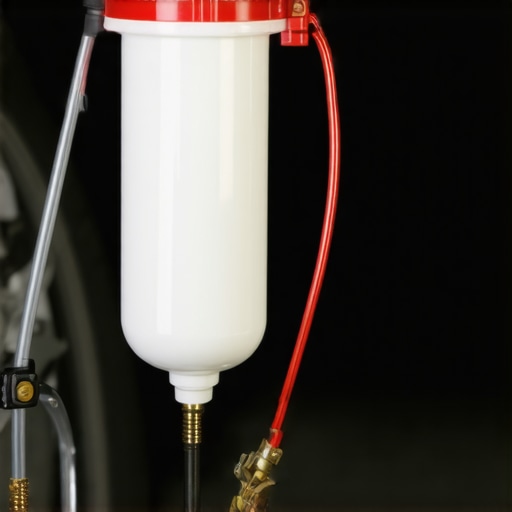
After years of wrestling with the ‘pump and hold’ method and praying my neighbor was actually holding the pedal down, I finally invested in a Motive Power Bleeder. This is one of those auto repair hacks to save money without sacrificing quality that actually works. It works like a garden sprayer, pressurizing the master cylinder reservoir so you can crack the bleeder valves one by one without anyone else in the car. It eliminates the risk of bottoming out the master cylinder piston and damaging those sensitive seals I mentioned earlier. If you are serious about keeping your car on the road, top auto repair tips to extend your vehicles lifespan always include having the right equipment for these critical hydraulic tasks.
The Diagnostic Tool That Saved My Modern ABS Unit
You can’t just ‘eyeball’ a modern braking system anymore. My go-to is a mid-range bi-directional scan tool. While the $20 tool every driver needs for basic electrical troubleshooting is great for fuses, you need something that can talk to the ABS module. When I’m doing a flush, I use the scan tool to initiate an ‘automated bleed.’ It cycles the internal solenoids, purging old fluid from the tiny crevices of the ABS pump. According to technical documentation from Bosch, a global leader in braking technology, failing to cycle these valves during a flush can leave enough moisture-laden fluid behind to cause internal corrosion in the expensive ESP (Electronic Stability Program) unit. This is why how advanced vehicle diagnostics prevent costly breakdowns is a topic I preach to anyone with a car built after 2010.
How do I keep my brake system healthy between flushes?
The secret isn’t a magic chemical; it’s consistency. I check my fluid level and color every single time I do an oil change. It takes ten seconds. I also keep the area around the cap pristine; a single grain of sand falling into that reservoir can score a piston seal and lead to a slow leak. Integrating these quick checks into your essential auto repair strategies for frequent drivers ensures you aren’t surprised by a sinking pedal on a rainy Tuesday. If you see the level dropping but don’t see a leak, your pads might just be wearing down—this is what your car is trying to tell you about its health.
Where the Future of Stopping is Heading
We are moving toward ‘brake-by-wire’ systems, where the physical connection between your foot and the calipers is being replaced by sensors and actuators. While this allows for incredible safety features and better integration with electric vehicle regenerative braking, it makes maintenance even more specialized. Soon, a computer will tell you exactly when the chemical integrity of your fluid is compromised. Until then, you have to be the expert. Go out to your driveway right now, pop the hood, and look at your brake fluid. If it’s darker than light apple juice, make a plan to flush it this weekend. Don’t wait for the mountain pass to tell you it’s too late.
The Hardest Lessons My First Brake Flush Taught Me
Looking back at that first disaster in my driveway, I realized I’d ignored the simplest rules of the garage. First, brake fluid is a vicious paint stripper; one tiny drip on your fender will leave a permanent scar if you don’t wipe it with soapy water immediately. Second, I learned that auto repair hacks to save money without sacrificing quality start with being organized. If you don’t have a plan for where the old fluid goes, you’ll end up with a mess that the environment would hate. Finally, I discovered that the sensor fault that turns on your abs light for no reason is often just a piece of debris dislodged during a sloppy bleed. Being surgical with your cleanliness is the only way to succeed. #IMAGE_PLACEHOLDER_E#
The Gear I Trust to Keep My Stop Solid
If you’re moving beyond the basics, you need tools that don’t lie to you. While the $20 tool every driver needs for basic electrical troubleshooting is a permanent resident in my glovebox, my brake cabinet is more specialized. I never work without a dedicated pressure bleeder—it turns a stressful two-person job into a calm ten-minute walk-around. I also recommend keeping a vacuum pump for those stubborn bubbles that refuse to move. Most importantly, I always keep a copy of my vehicle’s specific factory service manual; knowing the exact torque for a bleeder screw is what separates a safe car from a dangerous one.
Claim Your Seat in the Mechanic’s Chair
Taking ownership of your vehicle’s safety is one of the most empowering things a driver can do. By mastering a proper brake service, you aren’t just saving a few hundred dollars at the shop; you’re ensuring that when you need to stop, your car responds with absolute authority. Don’t let the complexity of modern systems intimidate you. Whether you are using top auto repair tips to extend your vehicles lifespan or performing a total fluid transfusion, the goal is the same: confidence behind the wheel. You’ve got the knowledge, the tools are within reach, and your safety is worth the effort. Have you ever struggled with a stuck bleeder valve or a spongy pedal that just wouldn’t go away? Let me know in the comments below.