
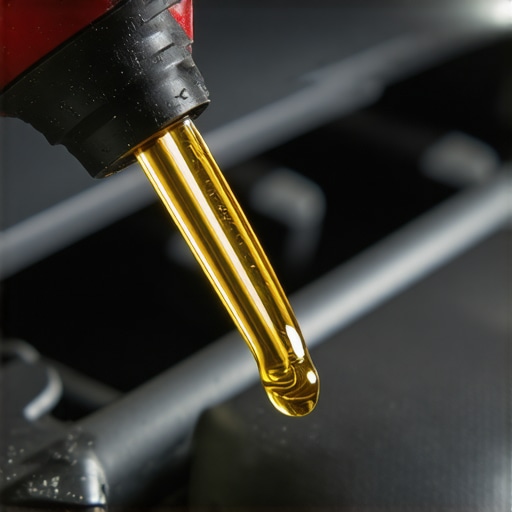
I remember the first time I pulled the dipstick on my old sedan and felt a genuine chill of confusion. I had performed a standard oil change exactly three weeks prior, and I knew for a fact I had hit the ‘Full’ mark perfectly. Yet, there I was, staring at a level nearly an inch above the top hole. My first thought was that I had somehow parked on an incline, but the driveway was flat as a pancake. My second thought was a hopeful one: had I finally discovered a way to make my car generate its own fluids? Spoiler alert: I hadn’t. In reality, I was looking at a symptom of a much deeper problem that nearly cost me a perfectly good motor.
The Counterintuitive Panic of Finding Extra Oil
It sounds like a win, doesn’t it? In a world where we are constantly worried about leaks and consumption, finding more oil feels like a miracle. But in the world of auto repair, more is almost always a sign of contamination. When your oil level rises, it means something that shouldn’t be in your crankcase has found its way inside. Usually, that something is either raw gasoline or engine coolant. I learned the hard way that ignoring this ‘extra’ oil is a fast track to destroying your bearings. I’ve spent a lot of time decoding vehicle diagnostics and if your car is telling you it has too much oil, you need to listen immediately. Today, I’m going to walk you through exactly why this happens and how you can spot the difference between a minor annoyance and a total engine rebuild.
Is This Ghost Oil Actually Going to Kill My Engine?
The short answer is yes, if you leave it alone. Oil is the lifeblood of your engine, but its chemistry is delicate. When you add gasoline to the mix—a process known as fuel dilution—the oil loses its viscosity. It becomes thin, watery, and incapable of protecting metal parts from grinding against each other. Early in my DIY days, I made the mistake of thinking a little bit of fuel smell was normal. It wasn’t. That mistake led to a hidden sludge building up behind my clean dipstick, which eventually choked out my oil pump. According to research by Consumer Reports, many modern Gasoline Direct Injection (GDI) engines are actually more prone to this issue because of how they manage fuel under high pressure. If your oil smells like a gas station, you aren’t just imagining it; your lubricant is being actively sabotaged.
Why Your Engine is Making Oil and Why It Is Bad News
The most common culprit is something called ‘short-tripping.’ If you only drive five minutes to the grocery store and back, your engine never gets hot enough to evaporate the tiny amounts of fuel that naturally blow past the piston rings. Over time, that fuel accumulates in the oil pan. However, if the level is rising rapidly, you might be looking at a failing high-pressure fuel pump or a leaking fuel injector. On the darker side of things, if the ‘oil’ looks like a milky chocolate milkshake, you’ve got coolant mixing in, which usually points toward a failing head gasket. Have you ever checked your oil only to find it has mysteriously multiplied? I’d love to hear your story in the comments below. We’re going to dive into the technical checks you can do at home next, using some oil change innovations that make tracking these levels much easier.
Pinpoint the Saboteur in Your Crankcase
You cannot fix what you haven’t diagnosed, and with rising oil, time is your greatest enemy. Think of your engine oil like a protective suit of armor for your internal components. When gasoline or coolant enters the mix, it is like replacing that steel armor with a wet paper bag. To start, you need to identify the specific intruder. Pull your dipstick, wipe it clean, and take a deep breath. If your oil smells sharply of gasoline—similar to a lawnmower or a gas station—you are dealing with fuel dilution. I once ignored a faint scent of gas on my old pickup, thinking it was just ‘character.’ Three weeks later, I drained a watery, black mess that had the consistency of cold coffee rather than lubricant. That negligence is the simple reason your car won’t start after a short trip frequently—the fuel washes the cylinder walls, destroying the lubricity and the compression seal simultaneously.
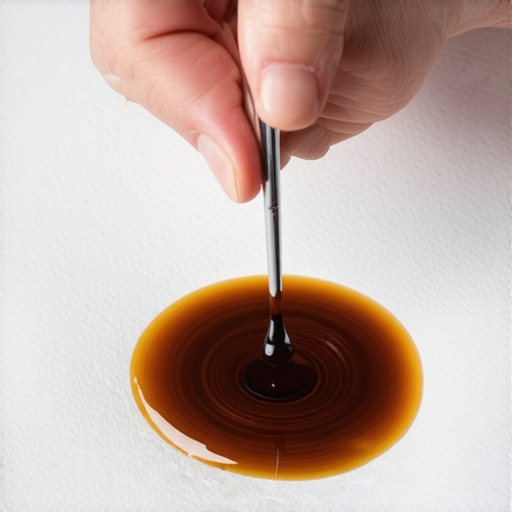
The Paper Towel Drop Test
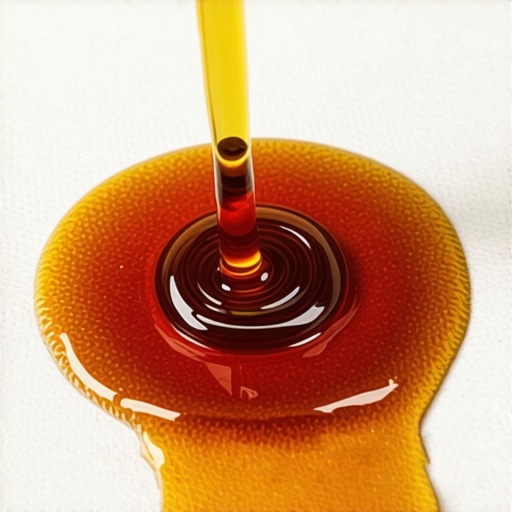
If your nose is not convinced, use the drop test for a visual confirmation. Take a clean white paper towel and let a single drop of oil fall from the dipstick onto the center. Pure, healthy oil will stay in a somewhat tight, dark circle. However, if it is contaminated with fuel, you will see a large, rapidly expanding ring of clear liquid spreading far beyond the dark center. This is a visual red flag that your high-pressure fuel pump might be leaking internally or an injector is stuck open. Knowing how to tell if your fuel pump is dying before it leaves you stranded can save you from a complete engine seizure. When I first tried this on a friend’s SUV, the fuel ring spread so fast it nearly reached the edge of the towel in seconds; we caught the leak just before the bearings started to scream.
Identify the Milky Menace
If the oil is not thin but instead looks like a frothy, light-brown milkshake, stop the engine immediately. This is not fuel; it is engine coolant. When water and oil are whipped together by the high-speed motion of the crankshaft, they emulsify into a thick goo. This is the ultimate engine killer because it means your cooling system is no longer sealed off from the lubrication system. You should immediately learn how to spot a blown head gasket before the engine seizes, as this is the most likely culprit for that creamy texture. If you see this, a standard oil change is just a temporary bandage; you are looking at a mechanical breach that requires a serious teardown.
Take Action to Preserve Your Bearings
Once you have identified the contaminant, you must flush the system thoroughly. Even if you fix the leaking injector or the faulty pump, that tainted oil is still sitting in your pan, actively eating away at your bearings and cam lobes. This is where top auto repair tips to extend your vehicle’s lifespan come into play: always perform a ‘sacrifice’ oil change. Drain the contaminated fluid, fill it with a cheap conventional oil, run the engine for fifteen minutes to circulate it, and then drain it again before putting in your high-quality synthetic. This ensures any residual fuel or coolant trapped in the oil cooler or galleys is purged. I learned this the hard way after a repair when I left just a pint of contaminated oil in the corners of the block—it was enough to keep the new oil from adhering to the metal properly. Taking these extra steps is how you practice essential auto repair strategies for frequent drivers who want to keep their high-mileage engines running like new.
Everyone tells you to check your oil level to make sure it isn’t too low, but very few people talk about the mechanical nightmare of the level getting higher. In my years under the hood, I’ve seen DIYers celebrate ‘free oil’ only to realize their bearings were being eaten alive by gasoline. There is a common belief that modern, high-tech engines are invincible, but the reality is that Gasoline Direct Injection (GDI) systems have actually made this problem more common, not less. While these systems provide incredible power and efficiency, they also operate at much higher pressures, making it easier for fuel to sneak past the seals and into your crankcase. If you have noticed your level rising, you are likely looking at fuel dilution, and ignoring it is the fastest way to turn a functional engine into a paperweight.
Most Drivers Ignore the Dipstick Scent Until It Is Too Late
The biggest mistake I see is people relying solely on their eyes. You pull the stick, see it’s a bit high, and think, ‘Eh, maybe I overfilled it last time.’ But your nose is actually a more sophisticated diagnostic tool than your eyes in this scenario. If that oil smells like a gas station, the chemistry of your lubricant has already been compromised. I once worked on a truck where the owner swore he was just getting great gas mileage; in reality, his high-pressure fuel pump had a microscopic internal leak. He was decoding vehicle diagnostics the wrong way by ignoring the physical signs. According to a study by SAE International (Standard 2018-01-1717), fuel dilution as low as 5% can reduce oil viscosity by nearly 50%, which basically turns your expensive synthetic oil into something as thin as water.
Can a Long Drive Actually Burn Off This Extra Oil?
This is the most common question I get from people who realize they have a fuel dilution issue. The logic is that since gasoline evaporates at a lower temperature than oil, a long, hot highway run should ‘cook’ the gas out of the pan. While it is true that reaching full operating temperature helps, this is a dangerous trap if you have a mechanical failure. If your rising oil is caused by a stuck fuel injector or a failing pump, you aren’t just ‘evaporating’ the problem; you are actively feeding a fire. Using auto repair hacks to save money only works when the core mechanics are sound. If the fuel is pouring in faster than it can evaporate, that high-speed highway run is exactly when your rod bearings will decide to exit the chat.
The Counterintuitive Danger of Short Winter Trips
Contrarian as it sounds, the best thing you can do for your oil quality is actually to drive more, not less—provided your engine is healthy. Short-tripping in cold weather is the primary cause of ‘ghost oil’ for most people. When the engine block doesn’t reach 200 degrees Fahrenheit, the moisture and fuel bypass never get the chance to turn into vapor and exit through the PCV system. This leads to that hidden sludge building up behind your clean dipstick. I always tell my friends that if they can’t drive at least twenty minutes, they should probably take the bike. Otherwise, you’re just making a chemical soup in your oil pan that will eventually require a full flush to fix.
Don’t Fall for the Clean Oil Trap
I’ve seen engines that looked pristine on the dipstick but were actually days away from a seizure. This happens because fuel is a solvent; it cleans the internal components while simultaneously destroying them. If your oil looks unusually thin or clear after several thousand miles, don’t be fooled. It’s likely being ‘washed’ by gasoline. This same logic applies to other systems, like when your brake fluid is low even though you don’t see a leak. Usually, the fluid is hiding somewhere it shouldn’t be, like inside the brake booster. Have you ever fallen into this trap or found a ‘milkshake’ under your oil cap? Let me know in the comments. Keeping a close eye on these nuances is one of the most essential auto repair strategies for frequent drivers who want to hit the 300,000-mile club.
The Diagnostic Kit That Saved My Block
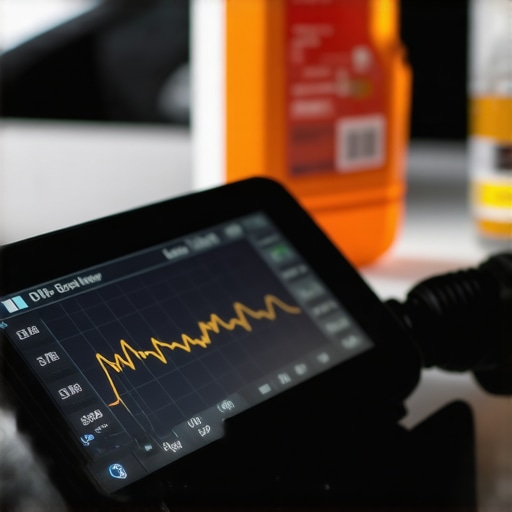
To truly stay ahead of these internal threats, I’ve stopped relying on just my nose and the dipstick. My secret weapon is used oil analysis. I personally use Blackstone Laboratories to send off samples every third oil change. They provide a report that breaks down wear metals and, crucially, the percentage of fuel or coolant in the mix. This is one of those top auto repair tips to extend your vehicle’s lifespan that most people ignore until they hear a rod knock. If you’re serious about your engine, you need to stop guessing and start measuring. I also recommend keeping a high-quality OBD-II scanner in your glovebox—not just for codes, but for live data. Watching your ‘Fuel Trim’ values in real-time can tell you if an injector is sticking long before the oil starts rising. This level of vehicle diagnostics explained during your regular maintenance can save you thousands in the long run.
How do I maintain engine oil quality for the long haul?
Maintenance isn’t just about changing the fluid; it’s about monitoring the environment inside the block. I’ve found that using a scanner to check for ‘closed loop’ operation is vital. If your engine stays in ‘open loop’ because of a bad thermostat, it will dump extra fuel into the cylinders, leading directly to that rising oil level we discussed. According to the experts at Blackstone Laboratories, fuel dilution above 2.0% is the threshold where you need to start investigating mechanical failures, as it significantly drops the flashpoint of your oil. This makes how advanced vehicle diagnostics prevent costly breakdowns much clearer—you are looking for the ‘why’ before the ‘what’ breaks. I also suggest switching to high-quality magnetic drain plugs; they catch the tiny steel particles that a standard filter might miss when the oil has been thinned by fuel. In my own garage, I rely on the BlueDriver Bluetooth scanner because it links directly to my phone and provides specific repair reports. When I saw my short-term fuel trims hitting negative 15%, I knew the computer was trying to compensate for a leaking injector. Being proactive with these auto repair hacks to save money is the only way to beat the high cost of modern dealership service departments.
Where the Future of Home Maintenance is Heading
I started using a dedicated logging app to track these fuel trim percentages every month. It sounds obsessive, but when you realize that a $50 sensor can save a $5,000 engine, the math makes sense. This kind of proactive monitoring is part of the essential auto repair strategies for frequent drivers that differentiate a car that dies at 100k miles from one that cruises to 300k. I predict that within the next five years, we won’t even need to pull dipsticks. We are moving toward integrated oil-quality sensors that measure dielectric constants in real-time. But until your car has that tech, you have to be the sensor. Combining manual checks with oil change innovations like vacuum extractors makes the process so easy you’ll actually want to do it. These tools allow you to take a sample mid-stream without getting your hands dirty. If you haven’t yet, go out to your car right now, pull the dipstick, and give it a sniff. If you smell even a hint of gas, perform the paper towel drop test I mentioned earlier. It’s the simplest way to catch a killer before it catches your engine.
Hard Truths I Learned from My Drained Oil Pan
After decades of getting my hands greasy, I’ve realized that the dipstick is more than a measuring tool; it’s a direct window into your engine’s health. Here are a few lightbulb moments that saved me from total mechanical failure: The nose is your best diagnostic tool. Never ignore a whiff of gasoline on your dipstick. If it smells like a lawnmower, your oil’s protection is already gone. Modern engines are more sensitive, not less. High-pressure fuel systems in GDI engines mean you have to be even more vigilant than you were with old carburetors. Data beats guesswork every time. Waiting for a light to pop up on the dash is a reactive way to live. Being proactive with how advanced vehicle diagnostics prevent costly breakdowns is what keeps your car out of the scrap yard. Finally, remember that a long drive is a valid maintenance step. Getting your oil up to temp for 30 minutes once a week can literally boil off the contaminants that ‘short-tripping’ leaves behind.
The Gear That Keeps My Engine from Self-Destructing
I don’t just hope my engine is okay; I verify it. Over the years, I’ve narrowed my garage down to a few essentials that make this process foolproof. First, I never skip a used oil analysis from Blackstone Laboratories. It’s like a blood test for your car, showing exactly how much fuel is diluting your lubricant. Second, I rely on oil change innovations like vacuum extractors, which let me pull a sample in seconds without even crawling under the frame. #IMAGE_PLACEHOLDER_E# Finally, a decent OBD-II scanner is non-negotiable. I personally use a Bluetooth interface because it translates complex data into plain English. Knowing vehicle diagnostics explained in a simple format helps you spot a leaking injector before it ruins your bearings.
Build a Car That Outlives the Payments
Owning a high-mileage vehicle doesn’t have to be a gamble. It’s about shifting your mindset from ‘fixing things when they break’ to ‘monitoring things so they don’t.’ When you catch rising oil levels early, you aren’t just saving a few hundred bucks on a repair; you are preserving the heart of your machine. Use these auto repair hacks to save money by being the most observant person in your car’s life. You have the tools, the knowledge, and now the plan to keep your engine running smooth for another 100,000 miles. Have you ever pulled your dipstick only to find more liquid than you started with? Let me know your experience in the comments below!