
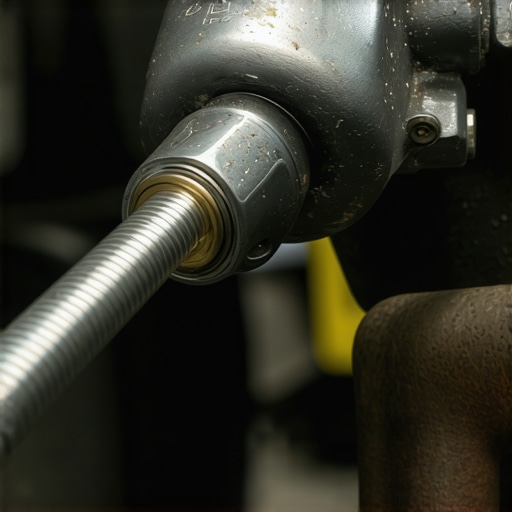
There I was, sitting in the middle of a four-way stop in 95-degree heat, while a line of frustrated commuters honked like I was sitting there for fun. My old sedan had just decided it was done. No sputter, no warning—just silence. I’d noticed a weird hum for weeks, but I told myself it was just the car ‘getting older.’ Spoiler alert: it wasn’t. It was the fuel pump gasping its final breath, and my stubbornness turned a simple part replacement into a $300 towing bill and a ruined afternoon.
Your Car is Screaming for Help if You Know Where to Listen
When it comes to vehicle diagnostics, your ears and your right foot are often better than any fancy scanner. I remember back when I first started wrenching, I made the classic mistake of thinking a rough idle was just bad spark plugs. I swapped them out, felt proud for twenty minutes, and then the car started bucking again. It turns out, the hidden filter that blocks your fuel flow was actually the culprit, starving the engine until the pump finally burned itself out. According to the experts at Consumer Reports, fuel pumps generally last about 100,000 miles, but factors like frequently running on ‘E’ can kill them much sooner because the fuel actually acts as a coolant for the motor.
Is a Failing Fuel Pump Really That Obvious?
Most people think the car will just stop, but that’s rarely the case at the start. You might notice the reason your car loses power when climbing hills is actually the pump struggling to maintain pressure under load. It’s a subtle shift—a little hesitation here, a tiny stumble there. You might even find that the simple reason your car won’t start after a short trip is because the pump motor is overheating and seizing up once you turn the key off. I’ve seen folks spend thousands on sensors when the real ghost in the machine was just a tired motor in the gas tank. Have you ever felt your engine stumble for a split second and wondered if you just imagined it? Don’t ignore that feeling; it’s usually the beginning of the end.
Stop Guessing and Start Testing
To move beyond the frustration of a car that won’t cooperate, you have to approach it like a detective. If the car turns over but won’t catch, you might be wondering how to tell if your car starter is going bad, but if the engine is spinning fast and free, the starter is usually doing its job; the fuel just isn’t getting to the party. You have to start decoding vehicle diagnostics by using your ears before you ever pick up a wrench.
Listen for the Priming Hum
The most basic test costs zero dollars and takes five seconds. Turn your ignition key to the ‘On’ or ‘Run’ position—the click right before you actually crank the engine—and keep your window down. You should hear a soft, two-second whirring sound coming from the rear. That is the fuel pump waking up and pressurizing the system. If you hear absolute silence, you aren’t looking at a mechanical failure yet; you are looking at an electrical disconnect. Think of it like a lamp that won’t turn on—you don’t throw the lamp away until you’ve checked if it’s plugged in.
Master the Fuel Pressure Gauge
If you hear the hum but the engine still stumbles like it’s gasping for air, you need hard data. This is where a fuel pressure gauge becomes your best friend. You can usually rent these for free from a local parts store. Hook the gauge to the Schrader valve on your fuel rail—it looks exactly like the air valve on your tires. Once connected, cycle the key again. If your car requires 50 PSI to run and your gauge is limp at 15 PSI, your pump is tired and can no longer push the weight. 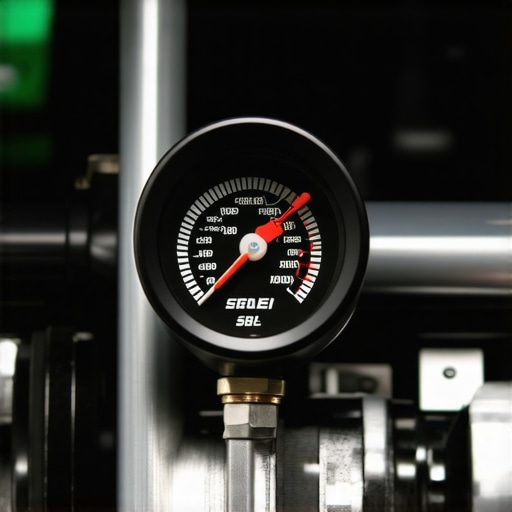
Before You Drop the Tank Check the Ground
I once spent six grueling hours in a gravel driveway dropping a full 20-gallon gas tank on my 1998 Chevy truck because I was ‘sure’ the pump was dead. I fought rusty bolts, spilled gas down my sleeves, and finally got the new pump in. I turned the key and… nothing. Silence. It wasn’t the pump at all; it was a corroded frame ground. If I’d spent five minutes with the 20 tool every driver needs for basic electrical troubleshooting, I would have found the ground wire problem that mimics a bad starter motor or a dead pump. Always verify that 12 volts are reaching the pump connector before you commit to the labor of a replacement.
Rule Out the Usual Suspects
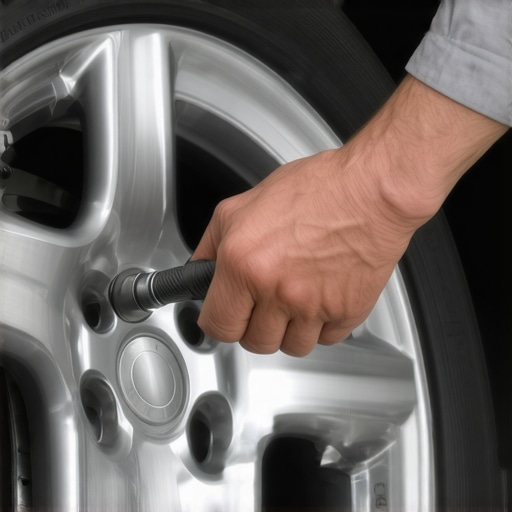
Sometimes a stumble isn’t fuel delivery at all, and a misdiagnosis here can cost you hundreds. Before you tear into the fuel lines, consider if the engine is just confused about the air-to-fuel ratio. Knowing how to clean your mass air flow sensor without ruining it is a simple maintenance task that can fix a ‘lean’ condition that feels exactly like a failing pump. Similarly, if the engine only misses under heavy load, the trick to identifying which ignition coil is actually failing might reveal that your ‘fuel problem’ is actually a spark problem. Diagnostics is about ruling out the easiest fixes first so you don’t end up doing the hardest work for no reason.Even if you’ve mastered the fuel pressure gauge, there’s a trap waiting for you in the most mundane tasks. I used to think a tire rotation was a ‘no-brainer’ until I learned about the common mistake that snaps your wheel studs during a tire rotation. Most people think they just need to get the nuts ‘tight,’ but over-torquing is just as dangerous as under-torquing. It stretches the metal until it reaches its yield point, and then—snap. You’re left drilling out a stud on a Sunday afternoon when every parts store is closed.
Stop Overtightening Your Lug Nuts Before You Snap a Stud
 In my years under the hood, I’ve found that the biggest ‘oops’ factor isn’t usually a lack of knowledge, it’s a lack of precision. We get comfortable, and comfort leads to cutting corners. For example, many drivers rely on the color of their oil to judge engine health. But here is the contrarian truth: a golden dipstick can lie. You might be ignoring the hidden sludge building up behind your clean dipstick because the oil you just added didn’t have time to circulate through the clogged galleys. According to the Automotive Service Association (ASA), extreme driving conditions—like short city trips—can cause oil to break down and form sludge even if the mileage suggests you’re safe.
Why is my car still pulling to the right after a professional alignment?
This is the ultimate nuance that separates a basic tech from an expert. You pay for a four-wheel alignment, the printout says everything is in the ‘green,’ yet the car still wanders. Often, why your car pulls to the right even after a professional four-wheel alignment comes down to ‘radial pull’—a flaw in the tire’s internal structure—or a slightly dragging brake caliper. It’s a reminder that vehicle diagnostics involve the whole system, not just what a computer screen says.
The Dangerous Myth of the Golden Oil Dipstick
Speaking of brakes, we often focus on the noise, but the feel is far more telling. If you’ve ever sat at a stoplight and felt your foot slowly moving toward the floorboards, you’re experiencing one of the most overlooked safety issues. Understanding why your brake pedal sinks slowly while waiting at red lights is critical; it’s usually an internal bypass in the master cylinder. People often fall for brake service myths busted by thinking they just need to add more fluid, when in reality, they are one hard stop away from a total system failure. Have you ever fallen into this trap where a ‘simple’ fix turned into a week-long project? Let me know in the comments.
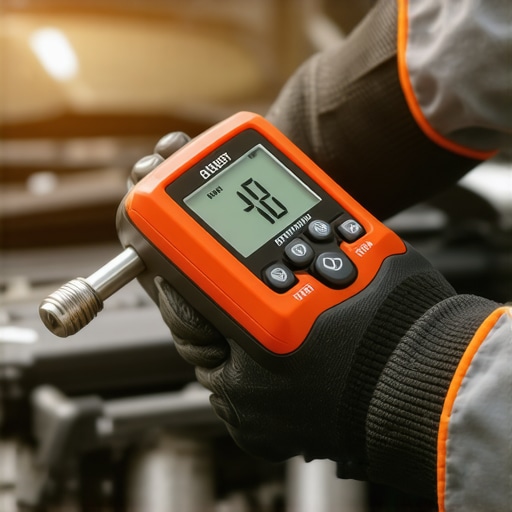
I’ve learned the hard way that ‘eyeballing it’ is the fastest way to turn a twenty-minute job into a three-day ordeal. After that snapped stud incident, I invested in a high-quality digital torque wrench. Most people think these are only for engine builds, but I use mine for everything from lug nuts to valve cover bolts. Precision is the secret sauce to extending your vehicle’s lifespan because it prevents the micro-stretching of bolts that eventually leads to catastrophic failure. If you are serious about DIY, stop relying on ‘feel’ and start relying on specs. It’s not just about getting it tight; it’s about getting it right.
The Diagnostic Gadget That Changed Everything for Me
While fancy scanners are great, my go-to is actually much simpler. I always keep a digital multimeter and a basic test light handy. You would be shocked at how we diagnosed a parasitic drain using only a test light in under ten minutes on a neighbor’s car that had been to three different shops. For less than the cost of a tank of gas, the 20 tool every driver needs for basic electrical troubleshooting can save you from replacing a perfectly good alternator or battery. When your dashboard lights flicker when you use the turn signal, it’s usually a bad ground, not a haunted ECU. A multimeter lets you see the invisible, proving whether a circuit is actually complete before you start throwing parts at the problem.
How do I maintain my car’s electronic health over time?
Maintenance in 2024 isn’t just about grease and oil; it’s about data. I recommend performing a ‘health check’ scan every time you do an oil change, even if there’s no light on the dash. Modern advanced vehicle diagnostics prevent costly breakdowns by catching ‘pending codes’—issues the computer sees but hasn’t deemed serious enough to alert you yet. For instance, you might find a code for a slow-responding O2 sensor long before it kills your gas mileage. According to technical standards from SAE International, maintaining proper voltage and clean sensor data is now just as critical as maintaining oil pressure for engine longevity. If your car is over five years old, decoding vehicle diagnostics becomes a monthly habit, not an annual chore.
Where Car Care is Heading in the Next Decade
We are moving toward a world of ‘predictive maintenance’ where your car will likely text you when a bearing is starting to heat up before it even makes a noise. We are already seeing oil change innovations and technologies like built-in sensors that measure the actual acidity of the oil rather than just counting miles. This shift from reactive to proactive care is the ultimate ‘hack’ for any driver. If you want to stay ahead of the curve, I challenge you to grab a basic OBD-II dongle this weekend and run a full system scan. You might just find the check engine light code that actually means your air filter is loose before it causes a real headache. Don’t wait for the breakdown to become an expert on your own machine.
Hard Truths from My Grease-Stained Driveway
If there is one thing a decade of DIY work has taught me, it is that your car is rarely out to get you—it is usually just trying to tell you something you are ignoring. First, never assume a new part is a good part; I have wasted days troubleshooting only to find a brand-new sensor was DOA. Second, always clean your surfaces. A tiny bit of grit on a gasket or a speck of rust on a ground wire will ruin a perfect repair. Third, use auto repair hacks to save money without sacrificing quality by knowing when to buy OEM and when the house brand is just as good. These auto repair hacks to save money without sacrificing quality are what keep your budget intact when the unexpected happens.
The Gear That Actually Saved My Sanity
You do not need a garage full of professional-grade tools to be successful, but you do need a few essentials. A high-quality digital multimeter is non-negotiable for chasing electrical ghosts. I also recommend following essential auto repair strategies for frequent drivers like keeping a vehicle-specific service manual on your shelf. While online videos are helpful, having a physical book with verified torque specs is invaluable. Finally, trust your senses over the scanner. If it smells like gas, feels like a misfire, or sounds like a grinding bearing, your intuition is often your most reliable diagnostic tool.
Master Your Machine Before it Masters You
Taking control of your car’s maintenance is about more than just saving a few bucks at the dealership; it is about the peace of mind that comes from knowing exactly what is happening under your feet. Whether you are performing a complex fuel pump swap or just following the ultimate guide to brake service for safety and performance, the confidence you gain is priceless. Do not be afraid to get your hands dirty and make a few mistakes—that is how every expert started. By staying consistent with your maintenance and paying attention to vehicle diagnostics, you will keep your car on the road for years to come. Have you ever spent hours chasing a mechanical problem only to find it was a simple electrical ground? Let me know in the comments below!