

I remember standing in my driveway at six in the morning, already running late for a big meeting, staring at my front left tire. It wasn’t totally flat, but it had that sagging, ‘I’m going to ruin your day’ look that every driver dreads. I pumped it up, drove to work, and by five o’clock, it was back on the rim. I spent half an hour on my hands and knees in the gravel, squinting at the rubber like I was trying to solve a magic eye poster. I saw nothing. No nails, no glass, just black rubber staring back at me. I felt completely defeated. It’s one of those moments where you realize that essential auto repair strategies for frequent drivers aren’t just for mechanics; they are survival skills for the rest of us. I ended up driving on it for a week, topping it off every morning like a fool, until I finally learned the trick I’m about to share with you.
Stop Staring at the Rubber and Make the Leak Reveal Itself
Most of us make the mistake of thinking a puncture will be obvious. Years ago, I spent twenty minutes spraying WD-40 on a tire thinking it would show a leak—please, don’t ever do that, it’s messy and completely useless for diagnostics. I even went as far as thinking I had a bent rim or a cracked alloy. The reality is that air is invisible, and unless it’s a massive gash, your eyes will fail you every time. This is especially true if you’ve accidentally made the tire rotation mistake that ruins your tread in months, making the surface of the tire uneven and even harder to inspect visually. According to data from the National Highway Traffic Safety Administration (NHTSA), nearly 35% of vehicles on the road have at least one significantly underinflated tire, which drastically increases the risk of a blowout. Finding that leak quickly isn’t just about saving a trip to the shop; it’s about making sure you don’t end up on the shoulder of the highway in the middle of a storm. If you have ever noticed the reason your tires are making a humming sound on the highway, it might actually be related to these slow leaks changing the way your tread hits the pavement.
Is This DIY Method Really as Reliable as a Professional Shop?
You might wonder if you need fancy equipment or a heavy-duty immersion tank to do this right. You don’t. In fact, while you’re at it, you should also learn the simple way to check your wheel bearings for play because if you’re already jacking the car up to look for a puncture, you might as well be thorough with your safety checks. The ‘soapy water’ trick is the industry standard because physics doesn’t lie. When air escapes into a soapy film, it creates bubbles that even a blind man could practically feel. It’s that simple. Have you ever felt that sinking feeling when you see the low-pressure light blink on right after you just spent three dollars at the gas station air pump? It’s a total headache. But once you know how to pinpoint the exact spot, you stop guessing and start fixing. We’re going to get into the exact mixture you need and the ‘secret’ places people forget to spray, like the valve stem base and the rim bead, to ensure you never miss a leak again.
Mix Your Secret Weapon Using Kitchen Supplies
You don’t need a degree in chemistry to create a diagnostic tool that rivals what the pros use. Grab an empty spray bottle and fill it with about four parts water to one part liquid dish soap. Any brand works, but the ultra-concentrated stuff creates a thicker film that holds onto air better. This is one of those auto repair hacks to save money without sacrificing quality because it costs pennies but gives you 100% accuracy. If you don’t have a spray bottle, a sponge and a bucket of suds will do the trick, but you’ll end up with much more of a mess on your driveway. The goal is to create a solution that is thin enough to spray but thick enough to form a lasting bubble when air tries to push through it. Think of it like a silent alarm system for your tires; the moment air escapes, the soap captures it in a physical form you can actually see. 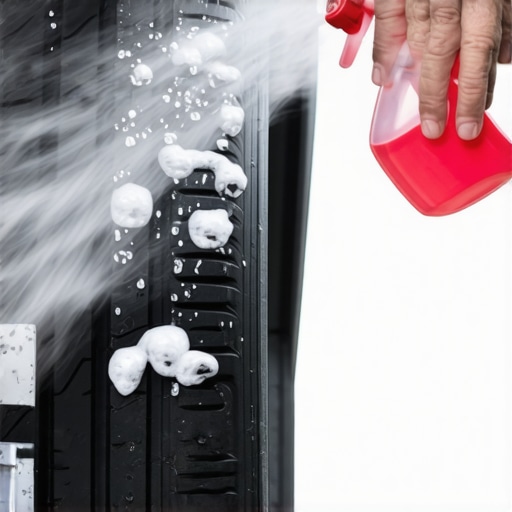
Coat the Rubber and Search for the Fizz
Once you have your mix, pump your tire up to its maximum recommended pressure—usually found on the sticker inside your driver-side door jamb. The higher the pressure, the faster the air will try to escape, making the bubbles more obvious. This is part of the vehicle diagnostics explained: easy checks before your road trip that can save you from a blowout at highway speeds. Spray the entire circumference of the tread first. I remember a humid Tuesday last July when I was certain I had a nail in my rear tire. I sprayed the tread for ten minutes, finding absolutely nothing. I was frustrated, thinking my eyes were playing tricks on me or that the air was magically disappearing. It’s easy to feel defeated when the obvious solution isn’t appearing, but persistence is key in decoding vehicle diagnostics and what your car is trying to tell you. Look for a cluster of bubbles that keeps growing. A single bubble might just be trapped air from the spray, but a growing, fizzing ‘volcano’ of foam is your smoking gun.
Hunt Down the Hidden Leaks Near the Metal
If the tread looks clean, move your focus to the sidewalls and the rim. This is where most people give up. Spray the ‘bead’—the area where the rubber tire meets the metal wheel. Corrosion or a slight bend in the rim can cause air to seep out slowly. If you find yourself struggling to see the back of the wheel, you might need to know the secret to getting a stuck wheel off your car so you can inspect both sides on the ground. Finally, spray the valve stem and its base. Back on that humid Tuesday, I finally sprayed the valve stem, and a tiny, persistent stream of bubbles started erupting from the very bottom of the rubber neck. It wasn’t a puncture at all; the valve stem had simply dry-rotted. By identifying this early, I followed some top auto repair tips to extend your vehicle’s lifespan and replaced the stem for five bucks instead of buying a whole new tire. It was a messy realization, with soapy water dripping down my arms, but that one spray saved me nearly two hundred dollars.While finding that leak feels like a victory, the biggest mistake I see DIYers make is stopping there. Most people assume that if the tire holds air, the job is done. However, in the world of how advanced vehicle diagnostics prevent costly breakdowns, a leak is often just a symptom of a larger mechanical story. For instance, if you are consistently losing air in one specific tire, it might not just be a nail; it could be a sign that your alignment is off or that you have fallen victim to the tire rotation mistake that ruins your tread in months. I have seen drivers plug a tire five times only to realize the uneven wear was actually caused by a failing suspension component that was slowly chewing through the rubber.
Does Your Car Need a Professional Scan Even for Simple Fixes?
Advanced enthusiasts often ask if they should trust their gut or a computer. My answer is usually both. While the soapy water trick works for physical leaks, it won’t tell you if a manifold pressure sensor is failing or if your fuel trim is running lean. According to a study by the Car Care Council, nearly 80% of vehicles on the road need at least one service or repair, yet most drivers ignore the subtle warnings. This is where decoding vehicle diagnostics and what your car is trying to tell you becomes vital. You might think you are saving money by skipping a digital scan, but you are actually risking a catastrophic component failure later.The ‘Oops’ factor often comes into play during what we think are the simplest tasks. I remember a buddy who tried to save cash by doing his own oil, only to experience why your engine makes a tapping noise only after an oil change. He used the wrong viscosity, thinking oil is just oil. That is a dangerous game. Similarly, when it comes to stopping power, there are plenty of brake service myths busted that prove it is not just about the pads. If you ignore the condition of your brake fluid or the runout of your rotors, you are only doing half the job and compromising your safety. #IMAGE_PLACE_HOLDER_C# One contrarian view I hold is that modern doesn’t always mean better. While oil change innovations and technologies that save your engine are incredible, they often lead to a false sense of security. Manufacturers now claim you can go 10,000 or even 15,000 miles between services. In my professional experience, following those extended intervals without interim checks is how you end up with engine-killing sludge. Have you ever fallen into the trap of thinking a quick fix was a permanent solution? Let me know in the comments; I would love to hear your garage fails so we can all learn from them. Follow these top auto repair tips to extend your vehicle’s lifespan and treat every minor repair as an opportunity for a full diagnostic sweep.
Why a Multimeter is the Most Underused Tool in Your Garage
If you want to move beyond just soapy water and spray bottles, you need to invest in a few specific tools that don’t just find leaks, but find ghosts. For me, that’s a decent digital multimeter. I can’t tell you how many times I’ve seen people replace an expensive alternator or a brand-new battery when the real culprit was a tiny, hidden draw from a glovebox light that didn’t shut off correctly. Learning the secret to finding a parasitic battery drain with a simple multimeter changed the way I look at electrical gremlins. It turns the ‘parts cannon’—where you just fire money at the car hoping to hit the problem—into a surgical strike. This approach is one of the most essential auto repair strategies for frequent drivers because it prevents you from being stranded by a dead battery in the middle of a commute. 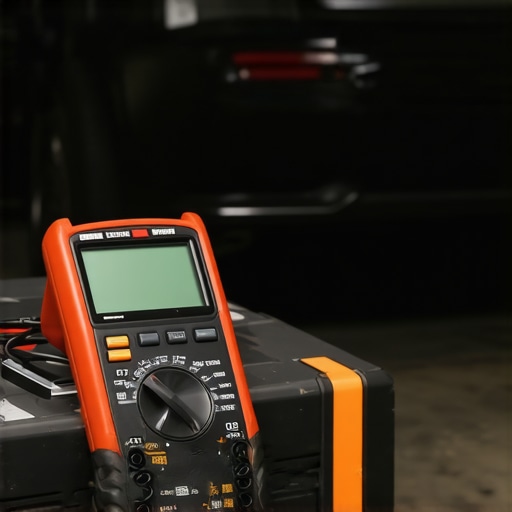
How Can You Keep Your DIY Toolkit Reliable for Years?
Maintenance isn’t just for the car; it’s for the gear that fixes the car. I’ve seen too many guys toss a $200 scanner into a greasy drawer only to find the pins bent or the software outdated when they actually need it to save their weekend. To ensure your tools stay accurate, you should wipe down diagnostic leads with dedicated electronics cleaner and regularly check for firmware updates on your OBD-II devices. This is a critical part of vehicle diagnostics explained and making easy checks before your road trip. If your tool is lying to you because of a bad connection or old data, you might miss a ‘pending’ code that could have been a simple sensor swap. I also highly recommend keeping a physical logbook of your readings. When you know what your fuel trim looked like six months ago, you can spot a failing pump long before the car starts sputtering on the highway.
The Future of Garage Work is Wireless and Proactive
I predict that within the next five years, we won’t even be using handheld scanners for most home repairs. We are already seeing a massive shift toward Bluetooth-integrated dongles that stream live data directly to your phone with AI-enhanced overlays that point out exactly which hose is leaking. This is the next level of decoding vehicle diagnostics and what your car is trying to tell you. According to the SAE International J1979 standard, which governs how your car talks to diagnostic equipment, the depth of data available to the average consumer is expanding every year. You can even use these advanced connections to learn how to tell if your catalytic converter is clogged using a vacuum gauge or digital pressure sensor. Don’t be intimidated by the tech. The goal is the same as it was with the soapy water: find the problem, fix it right, and keep the car on the road. This proactive mindset is at the core of top auto repair tips to extend your vehicle’s lifespan. My challenge to you this weekend is to plug in your scanner, even if there is no light on the dash, and look at your long-term fuel trims—you might be surprised what your car is trying to hide from you.
What My Years in the Garage Taught Me About Persistent Problems
Looking back at my early days as a DIYer, I realize I spent a lot of time fixing symptoms rather than finding causes. I once spent a whole month topping off a tire because I was too lazy to spend ten minutes with a spray bottle. Here are the core truths I finally embraced:
- Trust your intuition but verify with data: If the car feels ‘off’ or you hear a strange hum, don’t wait for a warning light. Use decoding vehicle diagnostics and what your car is trying to tell you to stay ahead of the curve.
- Small leaks lead to big bills: A slow leak isn’t just an inconvenience; it changes your tire’s footprint, wears out your tread unevenly, and puts extra strain on your suspension.
- Cleanliness is a diagnostic tool: It is much easier to find a leak or a seepage on a clean engine or a clean rim than one caked in road salt and grease.
The Three Things I Never Leave Home Without
If you are serious about maintaining your vehicle, you need a small, dedicated kit that goes beyond the basic roadside emergency bag. I personally rely on these three essentials to keep my fleet running smoothly: First, a high-quality digital tire pressure gauge. Gas station gauges are notoriously inaccurate, and precision matters for fuel economy. Second, a portable OBD-II Bluetooth dongle. This allows you to perform vehicle diagnostics explained: easy checks before your road trip right from your smartphone. Third, I always keep a small bottle of premixed soapy water in the trunk. It sounds silly, but being able to find a nail while you’re at a rest stop can be the difference between a quick plug and a three-hour wait for a tow truck. These are the kind of auto repair hacks to save money without sacrificing quality that separate the amateurs from the pros.
Stop Reacting and Start Troubleshooting
Taking care of your own car can feel overwhelming when you look at the complexity of modern engines, but remember that every master mechanic started with a single wrench and a lot of questions. Whether you are performing a simple brake service for safety and performance or just hunting down a stubborn air leak, the mindset is the same: stay curious and be thorough. When you take the time to learn how advanced vehicle diagnostics prevent costly breakdowns, you aren’t just saving money; you are gaining the peace of mind that comes from knowing exactly what is happening under the hood. Don’t be afraid to get your hands a little dirty this weekend. Your car, and your wallet, will thank you for the extra effort you put into consistent auto repair. Have you ever spent weeks ignoring a small noise only to find out it was a five-minute fix? Let me know your most surprising garage discovery in the comments below!