
I remember the first time I left my old sedan in the garage for a week-long cruise. I came back, tossed my bags in the trunk, and started her up. When I shifted into reverse and tapped the brake, my heart skipped a beat. The pedal didn’t just feel soft; it felt like I was stepping into a bucket of wet sand. It shouldn’t happen, right? A car is a closed system. But there I was, pumping the pedal like a frantic cyclist just to get the car to stop before hitting the mailbox.
That Sinking Feeling in Your Driveway
If you’ve noticed your brake service needs are suddenly urgent after your car has been sitting, you aren’t alone. It’s a common, albeit terrifying, realization. Most of us assume that if we aren’t driving, nothing is wearing out. That’s a trap I fell into early on. I once ignored a slightly spongy pedal after a long weekend, thinking it would “firm up” on its own. It didn’t. In fact, why your brake pedal sinks to the floor is often a slow-burn issue that sitting just happens to highlight. We’re going to figure out exactly why those hydraulics are failing you and how to get that firm, confident stop back without spending a fortune at the dealership.
Is This Just a Mechanic’s Way to Scare Me?
You might be wondering if this is one of those brake service myths designed to get you into the shop. I get it. Money is tight, and if the car eventually stops, isn’t it fine? The short answer is no. According to the National Highway Traffic Safety Administration (NHTSA), brake-related issues are a leading factor in crashes caused by mechanical failure. When that pedal feels soft, it’s usually because air or moisture has found a way into a place where only fluid should be.
Air and Moisture Are Your Brake System’s Worst Enemies
When a car sits, temperatures fluctuate. That constant heating and cooling causes metal to expand and contract, and if you have a tiny, microscopic leak, it can draw in air. I once spent three hours trying to find a leak that didn’t exist, only to realize I had a low brake fluid level with no visible leaks because the master cylinder was failing internally. It was a humbling lesson in vehicle diagnostics. Have you ever stepped on your brakes after a few days away and felt like the pedal was trying to hide under the floorboards? Drop a comment below and let me know if you’ve faced this exact issue. If you’re worried about more than just the brakes, checking out some auto repair tips can help you stay ahead of these surprises. But for now, let’s look at why your car’s stillness is actually the catalyst for this mushy pedal.
Check the Color Before You Pump the Pedal
To fix a spongy pedal, you have to start at the source: the master cylinder reservoir. Pop the hood and look at the fluid level. If it is low, you might have found your culprit, but the reason your brake fluid level is low but you see no leaks often points to worn-out brake pads or an internal seal failure. Brake fluid should look like light honey or white wine. If it looks like used motor oil or dark espresso, it has absorbed enough water to turn your hydraulic system into a mushy mess. Water in the lines boils under heat, creating steam pockets that compress under your foot, which is exactly why your brake service shouldn’t just be about pads, but about the fluid too. Think of your brake fluid like the blood in your veins; if it’s contaminated, the whole body suffers. 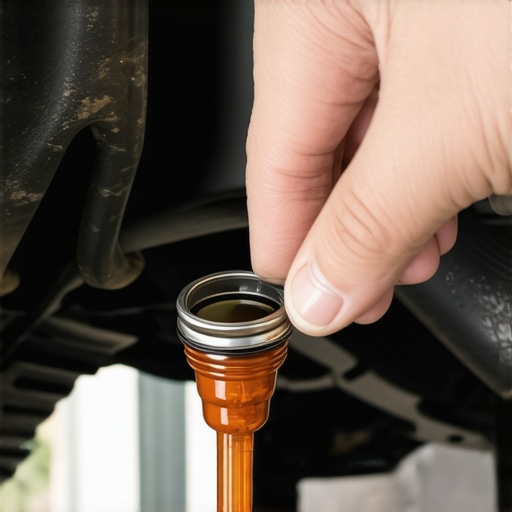
Flush the Lines in the Right Order
Once you’ve confirmed the fluid is the issue, you need to perform a full system bleed. This isn’t just about topping off the reservoir; it’s about purging every air bubble from the calipers to the master cylinder. The golden rule is to start at the wheel furthest from the driver—usually the passenger rear—and work your way toward the front left. I remember trying to bleed the brakes on my old 4×4 using one of those cheap vacuum pump kits. I was so focused on the bubbles in the tube that I forgot to check the reservoir. I sucked the master cylinder dry, introduced a massive air pocket into the ABS module, and turned a simple afternoon task into a three-day ordeal. It’s why I always emphasize the ‘top-off’ rule: never let that reservoir drop below half while you’re working. Using auto repair hacks like a clear vinyl tube and a glass jar helps you see the bubbles escaping without making a massive mess on your driveway.
The Secret to Spotting a Failing Master Cylinder
If you bleed the system and the pedal still feels like you’re stepping on a marshmallow, you need to look at the master cylinder itself. This is part of the vehicle diagnostics that most people miss. Have someone sit in the driver’s seat and apply steady, firm pressure to the brake pedal while the car is idling. If the pedal slowly but surely creeps toward the floorboard despite no visible leaks at the wheels, the internal seals in the master cylinder have failed. Fluid is bypassing the piston internally, which is a classic reason why your brake pedal sinks to the floor. It’s essentially a hydraulic ghost; the pressure is there one second and gone the next.
Identify Mechanical Drag in the Calipers
Sometimes the ‘sitting’ issue isn’t air at all, but physical rust. When a car sits, the slide pins on your calipers can seize up. This prevents the caliper from clamping evenly, which gives you a weird, indirect pedal feel. Before you assume you need a whole new system, pull the wheels and check the pins. Applying a bit of high-temp silicone grease to those slides is one of those vehicle diagnostics wins that costs five dollars but feels like a five-hundred-dollar repair. If the caliper piston itself is stuck, you’ll likely feel the car pulling to one side or smell a distinct ‘burnt toast’ scent after a short drive.
Stop Waiting for a Visible Leak
The common belief is that a hydraulic failure always leaves a bright orange or brown puddle on your driveway. In my experience, the most dangerous failures are the ones you never see. Internal bypassing happens when the primary cup seal inside the master cylinder wears out, allowing fluid to sneak past the piston instead of being forced down the lines. This is a classic contrarian truth in auto repair: a dry driveway does not mean a healthy system. Have you ever fallen into this trap, spending hours searching for a leak that didn’t exist? Let me know in the comments. This kind of internal failure is why decoding vehicle diagnostics requires looking at the symptoms of pressure loss rather than just the physical presence of fluid.
Why Your Modern ABS Needs More Than Just a Wrench?
This is where many DIYers hit a wall and create an ‘oops’ moment that costs hundreds to fix. One of the biggest brake service myths is that a gravity bleed or a traditional two-person pump method is sufficient for every vehicle. It is not. If your car has an Electronic Stability Control (ESC) or an advanced ABS module, air can get trapped inside the internal valves that only a bidirectional scan tool can open. If you do not cycle those solenoids during the bleed process, you are just moving air around in circles. It is a sophisticated trap that leads to a permanently soft pedal despite your best efforts. 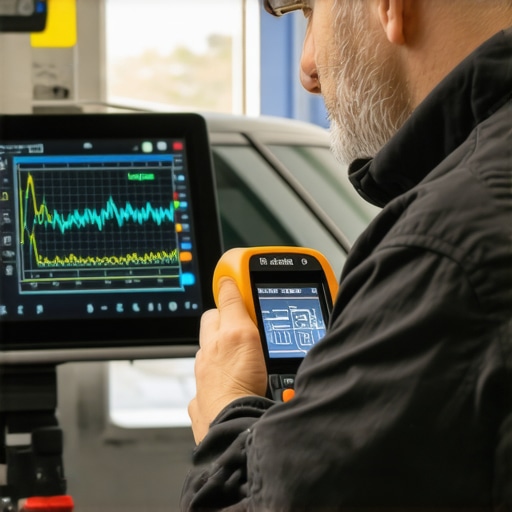
The Grease Mistake That Ruins Fresh Pads
According to SAE International, brake fluid is hygroscopic, meaning it actively pulls moisture out of the air, but the chemical health of your fluid is only half the battle. Many enthusiasts wonder why your brakes squeak even though the pads are new, and the answer usually lies in the lubrication of the caliper bracket. Using the wrong grease—or worse, no grease at all—causes the pads to vibrate at a high frequency, creating that piercing squeal. By performing vehicle diagnostics explained through the lens of mechanical movement, you will realize that ‘quiet’ brakes are a result of proper friction management. If you want to keep your car on the road longer, understanding how advanced vehicle diagnostics prevent costly breakdowns is the difference between a simple fluid flush and a full system replacement. Always remember that top auto repair tips always prioritize the precision of the installation over the brand of the parts.Precision is not a ‘one and done’ event. If you want to avoid that sinking feeling in the future, you need to transition from reactive repairs to a philosophy of constant vigilance. I’ve found that essential auto repair strategies for frequent drivers often come down to a simple six-month inspection cycle. During this time, I don’t just look at the pads; I test the copper content in the brake fluid using specialized test strips. According to the ASE (Automotive Service Excellence) P2 Study Guide, once the copper levels exceed 200 ppm, your fluid’s anti-corrosive properties are gone, and your internal seals are next on the chopping block. This is the level of detail that separates a driveway hobbyist from a seasoned pro who understands that chemistry is just as important as mechanical torque. 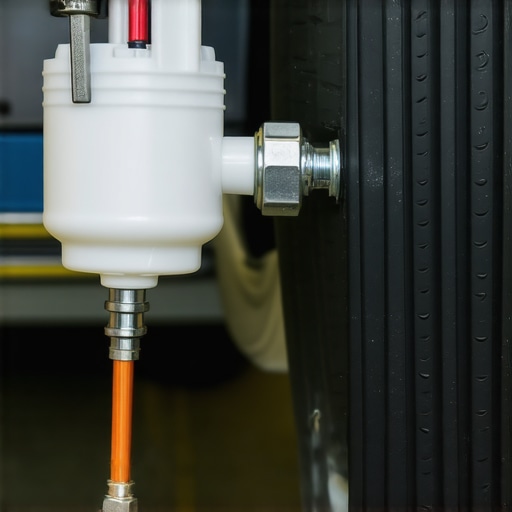
Invest in a Pressure Bleeder to Save Your Knees
For years, I relied on the ‘pump and hold’ method with a patient spouse or friend. It’s a rite of passage, sure, but it’s also remarkably inefficient and prone to human error. Now, I exclusively use a Motive Products Power Bleeder. This tool is a pressurized tank that screws onto your master cylinder, allowing you to bleed the entire system solo at a constant, controlled 15 psi. It prevents the common mistake of pushing the brake pedal too far during a manual bleed, which can over-extend the piston and tear old, brittle seals in the master cylinder. If you are serious about performing a high-quality brake service, this is the first tool you should buy. It turns a stressful two-person job into a calm, fifteen-minute victory lap that ensures every ounce of air is purged.
How do I maintain my brake system over time?
Consistency is your best friend here. I recommend a full fluid flush every two years or 30,000 miles, regardless of how the pedal feels. Moisture is a silent killer, and by the time you feel it, the damage is already done. While you’re under there, treat your car to more than just a quick glance. I like to pair my brake checks with oil change innovations like magnetic drain plugs and high-efficiency synthetic filters to keep the entire powertrain in sync. You should also take the time to clean the speed sensors; a little road grime on an ABS sensor can trigger a false warning light that ruins your weekend. Use top auto repair tips to create a digital logbook of every service so you can track trends in wear.
The Shift Toward Software-Calibrated Stopping
Looking ahead, the days of just ‘bleeding the lines’ are fading. We are moving toward a trend where ‘Brake-by-Wire’ systems will dominate the market, much like they already do in high-end EVs and hybrids. In these vehicles, the physical connection between your foot and the caliper is replaced by sensors and actuators. In the future, how advanced vehicle diagnostics prevent costly breakdowns will involve software updates to calibrate the brake ‘feel’ rather than just turning a wrench. If you haven’t yet, try using a bidirectional scan tool to cycle your ABS pump during your next bleed—it is the single best way to ensure there is zero air left in the system. It’s an advanced move, but the rock-solid pedal feel you get in return is worth every penny of the equipment cost. Your safety is worth the investment in better tools.
The most expensive lesson I ever learned wasn’t from a textbook; it was from a classic car that sat in my driveway for six months. I assumed the ‘off’ switch meant preservation, but in the world of hydraulics, inactivity is actually an invitation for internal decay. When you learn how advanced vehicle diagnostics prevent costly breakdowns, you realize that seals dry out and moisture pools when fluid doesn’t circulate. This ‘stagnation syndrome’ is why your pedal feels like a wet sponge after a vacation. I once had a master cylinder fail simply because the piston sat in the same spot for so long that a tiny ring of corrosion formed on the bore, shredding the seal the moment I finally hit the brakes.
The Pro Shopping List for Hydraulic Success
To get that factory-firm feel back without a struggle, I rely on a few non-negotiable tools that changed my life in the garage. First, a pen-style brake fluid tester is essential to see the actual moisture content in seconds—it takes the guesswork out of whether or not you need a flush. Second, always use flare nut wrenches rather than standard open-end ones; standard wrenches will round off a bleeder screw faster than you can say ‘stripped.’ Utilizing auto repair hacks like these keeps your frustration levels low and your safety high. I also highly recommend keeping a service log as part of your essential auto repair strategies for frequent drivers to ensure you never miss a two-year flush interval.
#IMAGE_PLACEHOLDER_E#
Stop Settling for a Mushy Stop
Don’t let a soft pedal keep you off the road or make you nervous at every stoplight. Every time you perform a thorough brake service, you aren’t just replacing parts; you’re restoring the mechanical confidence required to handle unexpected traffic or steep mountain descents. Your car was engineered for movement, and your brakes are the most critical safety system on board. Take the time to bleed them right, check your seals, and keep that fluid fresh. Have you ever found a surprise soft pedal or a mysterious leak after your car sat for a while? Let me know in the comments below what you discovered!