
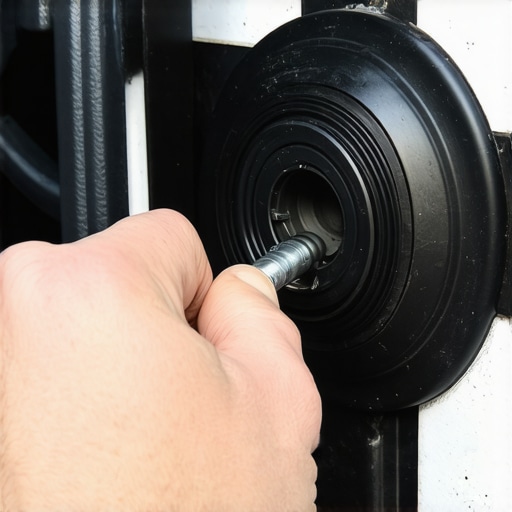
I’ll never forget the rainy Tuesday morning I stood at the pump, twisting my gas cap like a madman while the wind whipped my face. I waited for that satisfying “click-click-click,” but it never came. It just spun with a sickeningly smooth, silent resistance. My heart sank because I knew exactly what was coming next: that glowing orange Check Engine light on my dashboard. Sure enough, three miles down the road, it appeared. I felt like an idiot. I actually once paid a shop nearly two hundred bucks for a full diagnostic just for them to tell me I hadn’t tightened the cap enough. Talk about a blow to the ego! Today, I’m going to show you how to avoid that embarrassment and fix that non-clicking cap yourself in about five minutes.
Stop Panicking Over That Silent Gas Cap
When your gas cap stops clicking, it’s not just a minor annoyance; it’s a breach in your car’s evaporative emission (EVAP) system. I used to think it was just a lid, but it’s actually a precision-engineered seal. If it doesn’t click, it’s likely not holding pressure, which triggers a fault code. Learning a few auto repair hacks can save you a fortune, especially when the solution is as simple as a bit of cleaning or a cheap replacement seal. Often, this is the 20 dollar part that usually fixes an evap system leak, and you don’t need a degree in engineering to swap it out. Before you head to the mechanic, you need to be decoding vehicle diagnostics on your own to see if it’s just a “small leak” code. Usually, the internal ratcheting mechanism or the rubber O-ring is the culprit. Have you ever felt that sinking feeling when a tiny part causes a massive dashboard warning?
Is a broken gas cap really going to ruin my engine?
You might be tempted to ignore it. I mean, the car still drives, right? But here is the kicker: a faulty gas cap can cause you to lose significant amounts of fuel to evaporation. According to the Car Care Council, a missing or poorly sealed cap can allow up to 30 gallons of gasoline to evaporate into the atmosphere every year. That is literally money disappearing into thin air. Plus, if you live in a state with emissions testing, that fuse that stops your car from passing emissions might not be the problem—it could just be this simple fix. My early mistake was assuming every warning light meant a dead engine, but most of the time, it’s just your car’s way of asking for a little TLC. We’re going to dive into the literal nuts and bolts of why those plastic teeth stop grabbing and how a little lubricant or a new gasket can get you back on the road without the “service engine soon” glare staring you down.
Check the Rubber Seal Before You Buy Anything
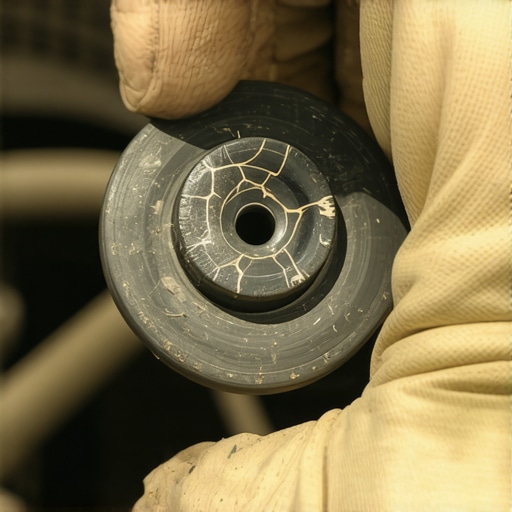
The very first thing I do is flip the cap over and inspect the rubber O-ring. Think of this seal like the one on a high-end thermos; if there is even a tiny nick or a bit of grit, the vacuum is gone. I once spent an hour scrubbing the threads of a cap only to realize the seal had a hairline fracture I missed the first time. If that rubber looks dry-rotted, brittle, or flattened out, that’s your culprit. This is exactly why the 20 dollar part that usually fixes an evap system leak is often just a fresh cap or a new gasket. If you can peel the old one off, you can sometimes find a replacement at a local hardware store for pennies, which is one of my favorite auto repair hacks for keeping an old car on the road without breaking the bank.
Clean the Grime Off the Filler Neck
We often blame the cap, but sometimes the car is the problem. The filler neck—that metal ring on the car where the cap sits—gets covered in gas residue and road dust over the years. If that surface isn’t perfectly smooth, the cap won’t seat properly, and the internal ratchets will slip because they can’t reach the required tension to create a seal. I use a clean rag and a tiny bit of rubbing alcohol to wipe that surface down until it shines like a new dime. It’s a simple step, but it’s an essential part of vehicle diagnostics explained during basic maintenance. If you’ve noticed the reason your car wont start after you get gas, a bad seal here can actually mess with the pressure enough to confuse the fuel pump’s initial prime.
Waking Up the Internal Ratchet Mechanism
If the seal is perfect and the neck is clean, the problem is likely internal. Inside that plastic housing is a spring-loaded ratchet mechanism. It works exactly like a miniature version of a torque wrench. Sometimes the plastic teeth just get stuck due to moisture or extreme heat. I once helped a neighbor, Jerry, who was about to trade in his car because he thought he had a major fuel leak. I took a small shot of silicone lubricant—not WD-40, as it can degrade some plastics over time—and sprayed it right into the center of the cap. I gave it a few good shakes to distribute the oil, and the click came back immediately. Fixing this promptly is vital because a leak here is the hidden reason your car is getting terrible gas mileage lately. You’re literally pouring money out of the tank via evaporation every hour you drive.
How to Reset the Computer After the Fix
Once you’ve got that satisfying click back, don’t expect the Check Engine light to vanish the moment you turn the key. The car’s computer is a bit stubborn; it needs to run a readiness monitor, which usually happens when the tank is between a quarter and three-quarters full. It waits for specific conditions, like a steady cruise at 55 mph, to verify that the vacuum is holding. If you’re impatient, you can disconnect the negative battery terminal for ten minutes, but that will reset your radio and clock too. It’s usually better to just drive it for a day or two and let the computer clear the code naturally. This is a key part of top auto repair tips to extend your vehicles lifespan because it teaches you to trust the mechanical fix and avoid unnecessary trips to a shop for a simple electronic reset.
Let’s dig deeper into why these tiny components cause such massive headaches. Most drivers assume that if they hear the click, the job is done. However, in my years under the hood, I’ve found that the clicking mechanism is actually a frequent liar. You see, the internal ratchet can still make noise even when the spring tension has weakened to the point where it no longer applies the 1.5 to 2.0 PSI of pressure required to satisfy your car’s computer. I’ve seen countless DIYers get frustrated because they replaced their cap with a cheap generic version that clicked perfectly but still triggered a small leak code. This is a classic example of where decoding vehicle diagnostics becomes more of an art than a science.
Can a faulty gas cap mimic a failing fuel pump?
It sounds crazy, but the answer is yes. In modern vehicles, the fuel system is a closed loop. If the gas cap fails to vent properly or allows too much vacuum to build up, it can actually strain the fuel pump, leading to hesitation that feels exactly like a mechanical failure. I once had a client ready to drop a thousand dollars on a new pump when all she needed was the 20 dollar part that usually fixes an evap system leak. Before you commit to major repairs, you should be looking for these auto repair hacks that prioritize system-wide pressure checks over parts-cannon replacement. According to data from the Car Care Council, an estimated 17% of vehicles on the road have gas cap issues that contribute to poor fuel economy and increased emissions, yet most of these drivers are chasing expensive sensor failures instead.
The Trap of Over-Tightening Your New Cap
Here is the “oops” factor that kills many gas tanks: the muscle-memory urge to over-tighten. If you have a cap that isn’t clicking, don’t try to force it with a pair of pliers. I’ve seen people snap the plastic tabs off the filler neck, and on some cars, that neck is welded to the fuel tank. You can turn a simple fix into a total tank replacement in under ten seconds. This same logic applies to other areas of maintenance; for instance, brake service myths busted often reveal that more force isn’t the answer to a squeak, just like more torque isn’t the answer to a silent gas cap. If it doesn’t seat with a firm hand-turn, something is physically wrong with the threads or the seal.
Stop Buying the Cheapest Aftermarket Caps
I’m going to take a contrarian view here: stop buying the $8 gas caps from the bargain bin. While I love a good deal, the seals on the ultra-cheap options are often made of low-grade nitrile that swells when it hits modern ethanol-heavy gasoline. Within six months, that cheap seal will deform, and you’ll be right back where you started. I always recommend spending the extra five bucks for a cap with a Viton O-ring. It’s a small detail, but these oil change innovations and material upgrades in the industry are there for a reason. Even something as simple as vehicle diagnostics explained during a pre-trip inspection can be derailed by a low-quality component that fails intermittently. Have you ever fallen into this trap of buying the cheapest part only to have it fail a month later? Let me know in the comments. Using top auto repair tips to extend your vehicles lifespan means knowing when to save and when to invest in quality materials.
If you are tired of chasing ghosts in your dashboard, it is time to upgrade your toolkit. I used to rely on those $15 code readers that just give you a generic number, but they are often the reason people waste money on parts they don’t need. When I am dealing with a silent gas cap or a stubborn EVAP light, I reach for a bidirectional OBD2 scanner. Why? Because it allows me to perform an ‘EVAP Service Bay Test.’ Instead of driving for three days hoping the computer resets, I can manually command the car to test its own seal right there in my driveway. This is the difference between guessing and how advanced vehicle diagnostics prevent costly breakdowns by giving you real-time data on vacuum pressure.
How do I keep my fuel system healthy for the next 100k miles?
Maintenance is not a one-time event; it is a habit. Every time I do an oil change, I make it a point to wipe down the gas cap seal and the filler neck with a microfiber cloth. This prevents the grit buildup that eventually eats away at the rubber. Furthermore, I always check my battery voltage. You might think that is unrelated, but a weak battery can cause ‘phantom’ codes in the EVAP system because the sensors do not get the stable voltage they need to report correctly. Using essential auto repair strategies for frequent drivers means looking at the car as a whole system rather than isolated parts. If you are already under the hood, take two minutes to ensure your air filter is clean and your battery terminals are tight.

As we look toward the future, the way we handle these small repairs is shifting toward predictive analytics. Most newer vehicles are starting to use AI-driven software that can detect a microscopic drop in fuel tank pressure weeks before the Check Engine light even turns on. According to technical standards from SAE International (specifically the J1979 standard for OBD-II), the requirements for monitoring fuel system integrity are becoming increasingly stringent. This means that even a tiny bit of dust on your gas cap seal will soon be flagged by your car’s onboard computer. Staying ahead of these sensors requires a level of precision that goes beyond the old-school ‘tighten it till it clicks’ mentality. You need to be proactive with vehicle diagnostics explained in your owner’s manual.
For those of you looking to master your own maintenance, I cannot stress the importance of a quality digital torque wrench for more sensitive components, though a firm hand is usually enough for the gas cap. If you find yourself frequently dealing with weird vibrations alongside your fuel issues, you might want to look into the ultimate guide to brake service for safety and performance to ensure your entire chassis is in top shape. If you ever feel stuck or can’t find a parasitic draw after a repair, knowing the secret to finding a parasitic battery drain with a simple multimeter will save you from a dead battery the next morning. My challenge to you today: go outside, remove your gas cap, and inspect that rubber O-ring under a bright flashlight. If you see even one tiny crack, replace it before it costs you a gallon of gas in evaporation.
What My First $200 Mechanic Bill Taught Me
Looking back at that expensive shop visit, I realized a few things that changed how I approach maintenance forever. First, never ignore the small signs like a silent gas cap just because the car still drives; it is your first line of defense against poor efficiency. I also learned that the fuse that stops your car from passing emissions isn’t always the villain—sometimes it is literally just a dirty rubber ring. Most importantly, I’ve found that auto repair hacks are about precision, not power. You don’t need to be a professional to keep your EVAP system happy; you just need to be observant and patient.
The Low-Cost Gear That Keeps My Tank Pressurized
I don’t go anywhere without a few specific items that have saved me hundreds in diagnostic fees over the years. I highly recommend keeping a set of Viton O-rings in your glovebox, as they resist chemicals better than standard nitrile rubber and last twice as long. For electronics, I trust a mid-range bidirectional scanner because how advanced vehicle diagnostics prevent costly breakdowns is by catching tiny leaks before they leave you stranded. Finally, a simple can of silicone spray is essential; it’s the only way to safely lubricate plastic components without causing them to swell or degrade over time like petroleum-based oils do.
Take Control of Your Dashboard Warnings
Your car is a complex machine, but it is not a mystery box designed to take your money. By mastering small fixes like a non-clicking gas cap, you are building the confidence to handle much bigger mechanical challenges down the road. Remember that a well-maintained fuel system means better mileage and a cleaner environment for everyone. Don’t wait for that orange light to ruin your morning commute; take five minutes this weekend to give your fuel filler area a quick once-over. Have you ever had a Check Engine light disappear just by tightening your gas cap properly? Let me know in the comments below!