
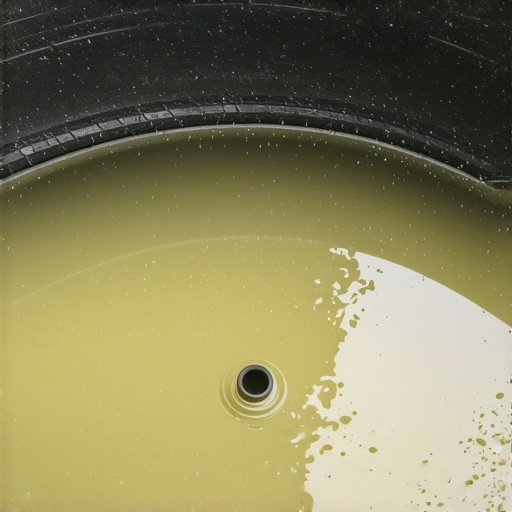
It started with a faint, earthy scent that I ignored for weeks. I figured I’d just left a damp towel in the backseat after a gym session. But then came the heavy spring rains. One afternoon, while unloading groceries, I dropped a bag and heard a ‘plip-plop’ that sounded way too deep and hollow for a carpeted floor. I pulled back the trunk liner, and my jaw hit the bumper. My spare tire was halfway submerged in three inches of stagnant water. I felt like an absolute amateur because I had just performed some basic vehicle diagnostics and thought my car was ready for the road. [image_placeholder]
Stop Chasing Ghost Leaks and Find the Real Drain
Most people think a flooded trunk means they need a new rubber weatherstrip. I fell for that trap, too. I spent an entire Saturday and fifty bucks replacing the main seal, only to find the puddle back on Monday morning. It was a classic case of not knowing where the water is actually supposed to go. Today, I’m going to show you the specific, hidden drain that’s likely the source of your misery. We’ll get that water out and keep it out using simple auto repair hacks that don’t require a mechanic’s tool chest. It is often the same logic behind the hidden drain tube that floods your floorboards, just positioned at the rear of the chassis.
Is this tiny bit of water really worth the effort?
You might think it’s just a nuisance puddle, but that moisture is a silent killer for your car’s long-term health. According to data from J.D. Power, unresolved water intrusion is a primary driver of long-term electrical failure and hidden corrosion in aging vehicles. I once ignored a similar issue in an old sedan, and by the time I took it seriously, the trunk floor was starting to pit with structural rust. You don’t want that. Plus, if you ever plan on selling your car later, a rusted-out spare tire well will tank your offer instantly. Tell me, have you checked under your trunk carpet recently, or are you waiting for the smell to tip you off?
Clear the Path Before the Next Storm
To stop the water, you have to think like a raindrop. On most modern sedans and SUVs, water is channeled away from the trunk lid by a series of gutters and tubes. If these paths get blocked by pine needles, dirt, or road grime, the water backs up and overflows into the spare tire well. I used to think the trunk was a sealed box, but it is actually designed to breathe and drain. If you have a sunroof, the rear drain tubes often run down the C-pillars and exit near the trunk floor. This is very similar to the mechanism used in the hidden drain tube that floods your floorboards, so the troubleshooting logic remains the same. You need to find where the water is entering and, more importantly, where it is getting stuck. If your car has been sitting under a tree for a season, start by clearing the debris from the outer channels around the trunk seal. This is one of those top auto repair tips to extend your vehicles lifespan because it prevents the frame from rotting from the inside out.
The String Trick That Blasts Through Debris
Once you find the drainage holes, don’t reach for a metal coat hanger. I made that mistake once on my old hatchback. I pushed too hard, and the sharp metal tip sliced through the rubber hose inside the body panel. Instead of fixing a leak, I created a massive internal flood that soaked my rear speakers and shorted out the wiring. It was a nightmare that required advanced vehicle diagnostics to solve. Instead, use a length of heavy-duty weed-whacker line (nylon trimmer line). It is flexible enough to navigate the bends in the tubes but stiff enough to push through a plug of wet leaves. Feed about six feet of the line through the drain until you see it poke out from underneath the bumper. 
Check the Gaskets Behind Your Tail Lights
If your drains are clear but the water keeps coming, look at your tail lights. Most people ignore these during basic vehicle diagnostics, but the foam gaskets behind the light housing degrade over time. When it rains, water flows behind the plastic and seeps through the bolt holes. I discovered this by climbing into my trunk with a flashlight while a friend sprayed the car with a garden hose. It felt ridiculous, but I saw the water weeping slowly from the tail light mounting studs. Applying a thin bead of silicone sealant or replacing the foam gasket is one of the most effective auto repair hacks to keep your interior dry without spending a fortune.
Dry the Interior to Stop Hidden Rust
Cleaning the drains is only half the battle; you must remove every drop of moisture to prevent mold. Pull the spare tire out and use a wet/dry shop vac to get the bulk of the water. I once left a damp carpet in the trunk over a humid weekend, and the smell of mildew was so pungent I had to use a professional ozone machine to get it out. Leave the trunk open in the sun and use a desk fan to circulate air into the deep corners of the chassis. Keeping the metal dry is the only way to ensure you aren’t dealing with a structural disaster in two years.Most people think a visible puddle is the whole story, but the real enemy is the moisture you cannot see. We often hear that a bad weatherstrip is the only culprit, but in my years of wrenching, I have found that the main seal is rarely the primary failure point. People rush to the parts store for a new hundred-dollar rubber gasket, but that is a parts-cannon approach that usually fails because it ignores the deeper nuances of chassis design. In reality, the culprit is often a failed body seam—the spot where two pieces of sheet metal are joined and sealed with a bead of sealant at the factory. Over time, heat and vibration cause these beads to crack and separate. If you have ever wondered why your car makes a thumping sound from the rear while driving, it could actually be gallons of water sloshing in those very hollow cavities before it even overflows into the spare tire well.
Why does a dry trunk floor still lead to electrical gremlins?
This is the advanced level of the diagnostic game. Even if you soak up the standing water, the relative humidity inside a sealed trunk can reach ninety percent in the summer sun. This creates a greenhouse effect that accelerates terminal corrosion on critical electronics. According to the Society of Automotive Engineers (SAE), even moderate moisture levels in enclosed chassis components can lead to fretting corrosion in low-voltage connectors. This is exactly why you might see why your dash lights flicker when you use the turn signal or experience strange issues with the fuel pump. It is not just about a wet carpet; it is about protecting the wiring harness that runs along the floorboards. 
Don’t Make the Silicone Mistake
One of the biggest mistakes I see is the caulk-everything approach. I once worked on a car where the owner was so fed up with leaks that he used three tubes of bathroom silicone to seal the entire rear of his vehicle. He did not realize that by doing so, he blocked the essential weep holes at the bottom of the quarter panels. This turned his car into a literal aquarium, holding water inside the metal structure until it began to rot the frame from the inside out. When performing decoding vehicle diagnostics on your own, remember that your car is designed to shed water, not just block it. If you block the exit, you have turned a minor leak into a structural death sentence. If you are struggling to find the entry point, try the dusting method. Clean the area, then spray some aerosol foot powder or talc around the inner trunk walls. The next time it rains, the water will leave a clear trail through the white powder, pointing you directly to the source. It is a much more precise way to prevent costly breakdowns caused by hidden rot and electrical shorts. Have you ever fallen into this trap of over-sealing or ignoring a tiny drip? Let me know in the comments.Stop relying on your eyes alone; you need to see where your hands can’t reach. I’ve started using a $20 Wi-Fi borescope—basically a tiny camera on a flexible cable—to peek into the dark recesses of the C-pillars and behind the trunk liners. This level of advanced vehicle diagnostics allows you to see the watermark trail of a leak before the carpet even feels damp. If you see a streak of white or orange rust inside the fender well, you’ve found your ghost. This is far more effective than just guessing why the car smells off. 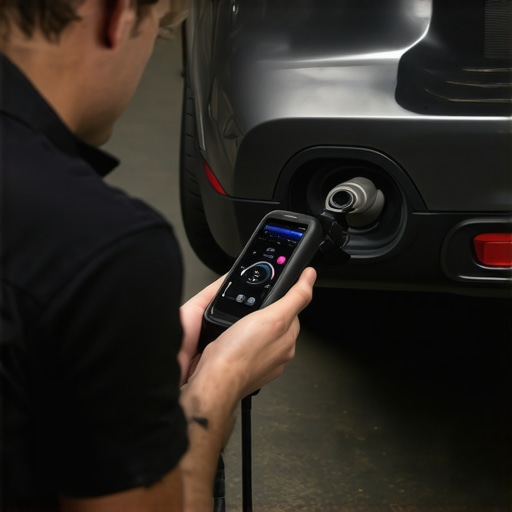
The Industrial Secret to Stopping Seam Decay
Once I’ve identified a leaky seam, I don’t just slap on silicone. I use a flowable silicone or a specialized seam sealer designed for the automotive industry. But the real pro tip is treating the inside of the cavity with a corrosion inhibitor like Boeshield T-9. It was developed by Boeing for aircraft, and it leaves a waxy film that displaces water and stops rust in its tracks. Integrating this into your essential auto repair strategies is what separates a car that lasts 300,000 miles from one that ends up in a scrap yard because the floors rotted out.
How do I maintain a bone-dry interior over time?
Consistency is your best defense. I recommend making a quick ‘drain check’ a part of your seasonal routine, right alongside when you check your tire pressure or look for oil change innovations that keep your engine running smoothly. Use a bottle of water to pour a little down the sunroof gutters and check that it actually exits under the car. If the flow is slow, it’s time for the weed-whacker line trick again. According to Honda Technical Service Bulletin 01-021-08, improper drainage is the leading cause of ‘phantom’ electrical shorts in the rear wire harness. By keeping these channels clear, you are performing one of the best auto repair tips to extend your vehicles lifespan. Looking ahead, I suspect that as we move toward EVs, this will become even more critical. High-voltage battery trays are often located low in the chassis, and even minor water pooling could lead to insulation faults that are incredibly expensive to fix. If you want to stay ahead of the curve, don’t wait for a puddle. Grab a garden hose this weekend, run it over the back of the car for five minutes, and then use your hand to feel the deepest part of the spare tire well. If you feel even a hint of moisture, start the hunt now before the mildew sets in.
The Hardest Lesson I Learned While Chasing Trunk Puddles
My journey from a soggy spare tire well to a bone-dry chassis taught me a few things that aren’t in the owner’s manual. First, never assume the biggest puddle is near the actual leak. Gravity is a trickster, and water often travels several feet along a body seam before it drops into the open. Second, I realized that ignoring a ‘tiny’ damp spot is the fastest way to invite electrical gremlins that no one wants to pay to fix. By the time you notice the smell, the humidity has already started attacking your wiring connectors. Finally, I learned that decoding vehicle diagnostics starts with your senses; if you smell mildew, don’t wait for a warning light. Treat your car’s drainage system as a living thing that needs to breathe, and you will save yourself thousands in structural repairs.
The Dry-Car Toolkit Every Owner Needs
You don’t need a professional shop to keep your trunk dry, but you do need the right gear. I swear by these three items for any DIYer. First, keep a five-foot length of heavy-duty nylon trimmer line in your glove box; it is the only safe way to clear drains without puncturing rubber hoses. Second, invest in a tube of flowable silicone. Unlike thick bathroom caulk, this stuff is thin enough to ‘wick’ into tiny hairline cracks in body seams, sealing them permanently. Third, a simple Wi-Fi borescope is worth its weight in gold. It allows you to see behind trim panels and into C-pillars where water trails are hidden from the naked eye. Mastering these tools is one of the best auto repair hacks to prevent long-term damage. [image_placeholder]
Protect Your Investment Before the Rain Starts
A dry car is a reliable car. Taking an hour this weekend to check your trunk seals and clear your drainage channels is one of the most effective essential auto repair strategies you can adopt. It’s about more than just avoiding a musty smell; it’s about ensuring the structural integrity of your vehicle and protecting the complex electronics that modern cars rely on. Don’t let a simple clogged tube turn your prized possession into a rust bucket. Take control of your car’s health today and enjoy the peace of mind that comes with a bone-dry interior. Have you ever found a mysterious puddle in your trunk that drove you crazy? Let me know where the leak was hiding in the comments below!