
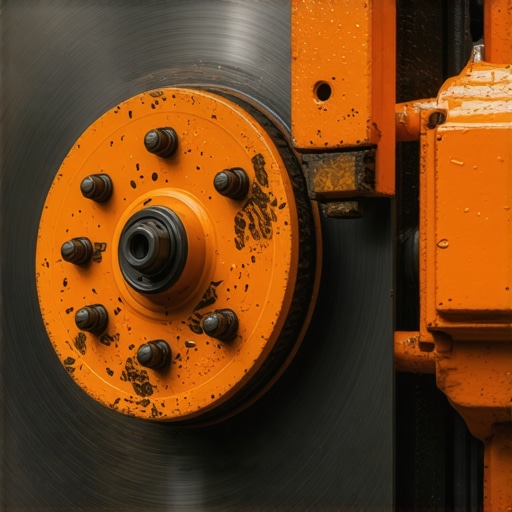
I walked out to my driveway last Tuesday, ready for the morning commute after my car had sat idle since Saturday afternoon. I turned the key, shifted into reverse, and tapped the brake. Nothing. Well, not exactly nothing, but the pedal sank nearly to the floorboards like I was stepping on a sponge. It is a terrifying sensation that instantly ruins your morning coffee buzz. If you have ever let your car sit for just three days and returned to a mushy brake system, you are not crazy, and your car is not necessarily haunted. We are going to figure out exactly why this happens and how to fix it before you end up rolling through a stop sign.
The Three-Day Sink and Why It Happens to Good Cars
The first time this happened to me, I made a classic amateur mistake: I figured the car just needed to wake up. I pumped the pedal a few times, felt a little resistance return, and drove off anyway. That was a massive error in judgment. Ignoring a soft pedal is essentially gambling with your life. What I eventually learned through some messy hands-on brake service is that your car’s hydraulic system is a sealed environment—or at least, it is supposed to be. When it sits, gravity and physics take over in ways they do not while you are driving every day.
Is a squishy pedal actually a sign of a total system failure?
Not always, but it is a sign that something is definitely off in the chemistry of your lines. One of the most surprising things I discovered is that brake fluid is hygroscopic. That is a fancy way of saying it loves to soak up water from the air. According to the Car Care Council, even in a sealed system, moisture can seep through rubber hoses over time, and when that car sits, those tiny air or water bubbles settle in the worst possible spots. This is why brakes feel soft after sitting even if they worked perfectly on Friday night. We are going to dive into the specifics of air intrusion, master cylinder bypass, and why your local humidity might be your brakes’ worst enemy. Have you ever experienced that sinking feeling in your gut (and your foot) after leaving your car for a long weekend? Before we start tearing things apart, it is worth checking out some brake service myths to make sure you are not chasing ghosts. Today, I am going to show you how to diagnose if this is a simple air in the lines fix or if your master cylinder is internally leaking while you sleep.
Stop the Sinking Before It Stops You
To get your brakes back to that firm, responsive feel, you have to play detective. The first thing I always do is perform a static pressure test. With the engine off, pump the brake pedal until it feels hard, then maintain steady pressure. If the pedal slowly creeps toward the floorboard, you are likely looking at an internal leak in the master cylinder. Think of it like a bicycle pump with a worn-out rubber seal; the air (or in this case, fluid) just slips past the plunger instead of being pushed through the lines. This is a classic example of why decoding vehicle diagnostics is so critical—your car is literally telling you that its primary hydraulic pump is failing.
The Simple Pressure Test for Master Cylinders
If the pedal stays firm with the engine off but sinks once you start the car and the vacuum booster kicks in, the issue is often air trapped in the ABS module or the lines themselves. Last July, I helped a neighbor with his SUV that had been parked for a week. We pumped the brakes, and they felt fine initially, but as soon as he hit the road, the pedal went soft. We spent an hour chasing what we thought was a leak, only to find that moisture had contaminated the fluid near the calipers, creating tiny pockets of air as the system cooled down over those seven days. This is why the reason your brake pedal feels different often comes down to the temperature and humidity changes your car endures while sitting.
Find the Invisible Moisture Trap
Next, you need to inspect every inch of your brake lines and hoses. I am talking about getting a flashlight and looking for ‘sweating’ on the rubber lines. Over time, rubber becomes porous. It might not be a ‘drip-on-the-driveway’ kind of leak yet, but it is enough to let moisture in. Brake fluid is chemically designed to absorb water, but once it reaches a certain threshold, its boiling point drops and it becomes compressible. If you find any dampness around the fittings, you are looking at a mandatory brake service to replace those lines and flush the system.
Purge the Air Without a Second Person
If your inspection doesn’t reveal a puddle, it is time to bleed the system. Most people think you need a partner to pump the pedal, but I prefer the gravity bleed method for cars that have been sitting. Simply crack the bleeder screw on the caliper furthest from the master cylinder and let the old, dark fluid trickle out into a container. Watch for those tiny, champagne-like bubbles. Those bubbles are the reason your brakes feel soft after sitting. By letting gravity do the work, you avoid agitating the fluid and creating more foam.
Why Fluid Color Tells the Whole Story
While you are bleeding the lines, look at the color of the fluid. Fresh fluid is a clear, honey-like amber. If what is coming out looks like coffee or has black specks in it, that is the internal rubber seals of your system disintegrating. This is one of the most effective auto repair tips to extend your vehicles lifespan because it prevents that gunk from reaching your expensive ABS pump. Keep the reservoir topped off with fresh fluid throughout the process so you don’t accidentally suck more air into the top of the system, which would reset all your hard work back to zero.One of the biggest misconceptions I see in the garage is the belief that if you don’t see a puddle on the floor, your hydraulic system is perfectly fine. People often think brake failure is always visible, but in my experience, the most dangerous issues are the ones that happen inside the metal. This is where brake service myths often lead owners astray. You might be experiencing what we call ‘internal bypassing,’ where the seals inside the master cylinder have simply given up the ghost. The fluid isn’t leaking out of the car; it’s just looping back around the piston inside the bore. This happens because the primary cup seal loses its tension against the cylinder wall or develops a small tear. When you press the pedal, the fluid just slides past the seal and stays inside the reservoir. It is a ghost leak—no mess, no low fluid light, just a sinking foot and a rising heart rate.
Stop Chasing Puddles That Aren’t There
Can a failing ABS module actually mimic a bad master cylinder?
It absolutely can, and this is where many enthusiasts waste hundreds of dollars. Modern ABS units have internal solenoid valves that can get stuck partially open if the fluid is contaminated or if the car has sat long enough for ‘stiction’ to set in. When you hit the brakes after the car has sat for three days, the pressure that should be going directly to your calipers is instead bleeding off into the ABS accumulator or being redirected through a bypass circuit. This is why how advanced vehicle diagnostics prevent costly breakdowns by identifying which component is actually at fault before you start throwing parts at the problem. According to the Society of Automotive Engineers (SAE) standard J1703, brake fluid can absorb up to 3% of its weight in water within just a year in humid environments. This doesn’t just lower the boiling point; it creates an acidic environment that eats away at those internal valves and seals while you sleep.
Don’t Destroy Your Master Cylinder While Trying to Fix It
Here is the ‘oops’ factor that ruins many DIY Saturdays: the deep-stroke trap. When you are bleeding your brakes, your instinct is to push the pedal all the way to the floorboards to get all the air out. Stop doing that on older cars. In normal daily driving, your brake pedal only travels maybe two or three inches. Over years of use, a ridge of rust, scale, and gunk builds up in the ‘dead zone’—the part of the master cylinder bore that the piston never touches. When you floor it during a bleed, you force those delicate rubber seals over that sandpaper-like ridge, shredding them instantly. 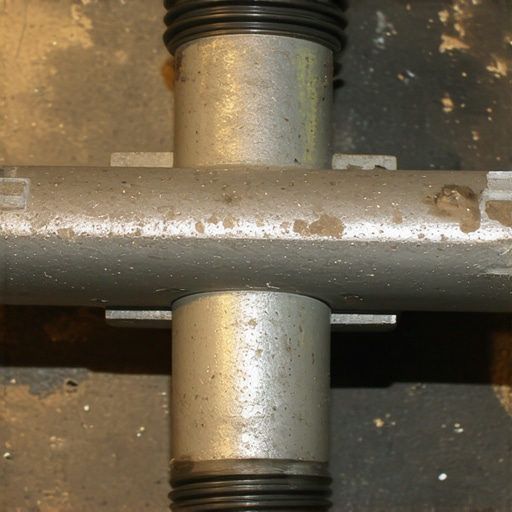 You will go from having a slightly soft pedal to having a total hydraulic failure in ten seconds flat. Instead, use a block of wood under the pedal to limit travel to the normal range, or better yet, invest in a pressure bleeder that pushes fluid from the reservoir down. Decoding vehicle diagnostics isn’t just about reading codes; it’s about understanding the mechanical limits of your hardware. This nuance is one of those top auto repair tips to extend your vehicles lifespan that separates the pros from the frustrated amateurs. Keeping your fluid fresh and following essential auto repair strategies for frequent drivers can save you thousands in ABS and master cylinder repairs. Have you ever fallen into this trap or accidentally made a repair worse by being too aggressive? Let me know in the comments.To stop the cycle of soft pedals once and for all, you need to change how you look at your brake reservoir. I used to think of it as a fill-it-and-forget-it tank, but now I treat it like a scheduled filter that demands fresh chemistry. My go-to weapon for this is a pressure bleeder, specifically the Motive Products version. I personally use this tool because it uses pressurized air to push fluid through the lines from the top down, meaning I never have to touch the brake pedal and risk shredding those master cylinder seals we discussed earlier. It turns a stressful two-person job into a calm, fifteen-minute solo task. This is one of those auto repair hacks to save money without sacrificing quality because you are performing a professional-level flush for the cost of a few bottles of fluid.
How do I keep my brake system firm for the next decade?
Consistency beats intensity every time. I have started setting a calendar alert for a full system flush every 24 months, regardless of the mileage on the odometer. Even if the car sits, the chemistry is constantly changing. According to the Federal Motor Vehicle Safety Standard (FMVSS) No. 116, brake fluids are strictly classified by their boiling points and chemical stability, but those ratings plummet the moment moisture content hits just 3%. If you want to avoid a mushy pedal, you have to stay ahead of that moisture curve. Using how advanced vehicle diagnostics prevent costly breakdowns isn’t just for high-end shops; you can use a simple $10 electronic moisture pen to test your fluid’s health in seconds. For those of you working on modern vehicles, a basic wrench often isn’t enough to get the job done right. Many ABS modules require a specific service bleed command to purge air from the internal solenoids and valves. I use a bidirectional scan tool to cycle those valves while I am bleeding the calipers. Without this digital handshake, you are leaving old, wet fluid trapped inside the most expensive part of your braking system. This is why essential auto repair strategies for frequent drivers now include a digital component. Looking ahead, I predict we will see brake-by-wire systems completely eliminate these hydraulic headaches in the next decade, but until then, we have to master these mechanical basics. If you are serious about your car’s longevity, combine these brake checks with oil change innovations that keep the rest of your engine just as tight. My best advice is to go out this weekend, grab a moisture tester, and see what is actually happening inside your reservoir. You might be surprised at how close you are to a failing system.
The Hardest Lesson I Learned About Brake Fluid Chemistry
I used to think the ‘sealed system’ label on a master cylinder cap was absolute law. It isn’t. The most humbling realization I had was that brake fluid is essentially a living chemical that starts dying the moment you open the bottle. If your car sits for 72 hours and the pedal feels like a marshmallow, your car is telling you that the equilibrium of the system has shifted. I discovered that thermal expansion and contraction during those three days can actually pull air past aged caliper seals that do not leak fluid out, but do let air in. This is why the reason your brake fluid level is low but you see no leaks is often the first breadcrumb in a long trail of hydraulic mystery. Don’t wait for a puddle to tell you there is a problem; your foot is a much more sensitive diagnostic tool than your eyes. I now treat a soft pedal after a three-day sit as a mandatory warning that my fluid’s boiling point has dropped dangerously low.
Tools That Saved My Sanity in the Driveway
If you want to stop guessing and start fixing, you need to upgrade your diagnostic game. I never touch a hydraulic system without a digital moisture tester—a small pen-shaped tool that gives you a percentage of water contamination in seconds. It is one of the best auto repair hacks to save money without sacrificing quality because it prevents you from replacing an expensive master cylinder when you actually just need a ten-dollar bottle of fresh fluid. I also highly recommend investing in a set of flare nut wrenches; standard open-ended wrenches will round off your bleeder screws and turn a quick flush into a weekend-ruining nightmare. For more complex issues involving sensors or ABS modules, review vehicle diagnostics explained: easy checks before your road trip to ensure your entire safety suite is functional before you hit the highway. Knowing exactly which tool to grab makes the difference between a safe car and a driveway ornament.
Take Back Control of Your Stopping Power
There is no reason to dread your Monday morning commute just because your car took a break over the weekend. By understanding how moisture and air interact with your lines, you transform a scary mechanical failure into a manageable maintenance task. Whether you are dealing with a sinking pedal or why your car shakes when you apply the brakes at high speeds, the solution always starts with a methodical approach to your brake service. Don’t let a long weekend of idleness turn into a dangerous drive. Have you ever felt the pedal sink to the floorboards after leaving your car at the airport or in the driveway for a few days? Let me know what you found in the lines in the comments below.