
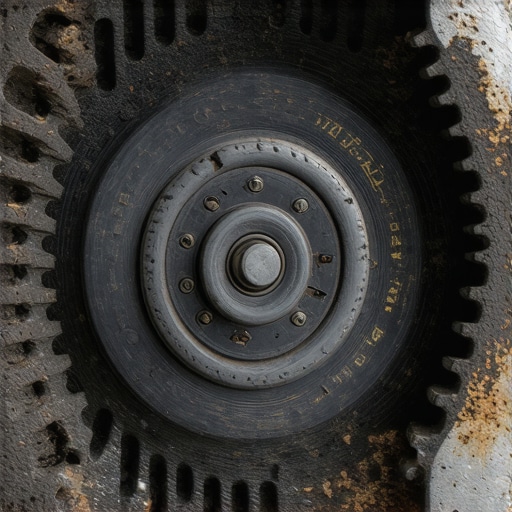
I still remember the sickening ‘thwack’ followed by total silence on a rainy Tuesday night. I was driving my old wagon, and I’d been ignoring a subtle vibration for weeks. When the timing belt finally snapped, it didn’t just stop the car; it turned my engine into a very expensive paperweight. That was a $4,000 lesson in why ‘it feels okay’ isn’t a maintenance strategy. Today, I’m helping you avoid my graveyard of bent valves by showing you exactly how a timing belt acts right before it fails.
Catch the Stretch Before the Disaster
If you want to keep your ride on the road, you need to understand that these belts don’t just break out of nowhere; they stretch and lose their tension first. It’s like a rubber band that’s been sitting in the sun too long—it gets brittle and loses its ‘snap.’ Have you ever felt your car hesitate just for a second when you hit the gas? That could be your timing belt skipping a beat.
Is this just a mechanic’s trick to get more money?
I get it; we all hate being told we need a $600 repair when the car is technically running. But here is the reality: a timing belt is a ‘preventative’ item, not a ‘fix it when it breaks’ item. I once tried to save a few bucks by skipping the belt during a bad water pump replacement job, and I regretted it three months later. According to the Car Care Council, engine repairs resulting from a failed timing belt are on average 20 times more expensive than the cost of a belt replacement itself. [image_placeholder_1]
Listen to the Ticking and Watch Your RPMs
When that belt stretches, it changes the way your engine breathes. You might notice a rough idle or a strange ‘slapping’ sound coming from the front of the motor. This is often one of the essential auto repair strategies for frequent drivers—knowing the difference between a normal hum and a warning rattle. It’s much cheaper to check this now than to deal with junk car values later because the engine is shot. Have you noticed any weird noises under your hood lately? Identifying these signs is part of the top auto repair tips to extend your vehicles lifespan.
Peel Back the Plastic and Check for Fraying
You do not need a master mechanic’s certification to spot a belt on its last legs. Most engines have a plastic timing cover that you can partially peel back by removing just two or three bolts. I remember helping a neighbor with his old Honda Civic; we pulled the cover back just an inch and saw the belt was so shredded it looked like a cat had used it as a scratching post. If you see any ‘fuzz’ or frayed threads near the edges, that belt is done. While you are poking around in there, make sure you know what you are looking at. Many people mistake the external drive belt for the timing belt, so learning the simple way to check your serpentine belt for wear is a good first step to avoid confusion. 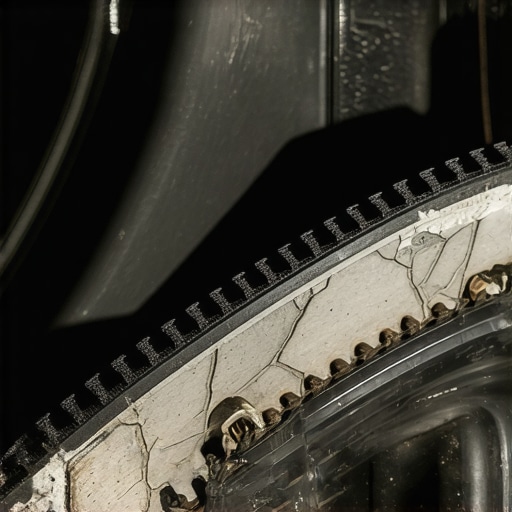
The Finger-Tension Test
With the engine off and the battery disconnected, try to twist the belt. A healthy belt should be tight with very little play. If you can twist it more than half an inch or if it feels ‘mushy,’ the tensioner has likely failed or the belt has stretched beyond its limits. A loose belt will eventually jump a tooth on the cam gear, which is exactly how my old wagon met its end. This kind of physical check is one of those auto repair hacks save money without sacrificing quality because it costs you zero dollars but saves you thousands in engine work.
When Your Sensors Stop Talking to Each Other
Modern cars are much smarter than my old 90s wagon was. They use a Crankshaft Position Sensor and a Camshaft Position Sensor to monitor the engine’s heartbeat. Think of them as two dancers who have to be perfectly in sync. When the belt stretches, one dancer starts to lag behind. This is when decoding vehicle diagnostics what your car is trying to tell you becomes your most valuable skill. You might see a Check Engine Light with a code like P0016. Understanding how advanced vehicle diagnostics prevent costly breakdowns is the best way to catch a timing issue before the metal starts hitting metal.
Watch for the Dancing Oil Pressure Gauge
Sometimes the symptoms show up in weird places. If your belt is shedding small chunks of rubber, those bits can fall into the oil pan and clog the oil pickup tube. If you notice the reason your oil pressure gauge is dancing around while you drive is due to debris, you need to stop the car immediately. It is a rare symptom, but it is a definitive sign of internal belt disintegration. Don’t wait for a total blackout; if the belt looks glazed, shiny, or has ‘teeth’ that are rounded off instead of square, get it replaced now.Let’s dig deeper into why so many DIYers and even some pros get burned by following the manual too closely. Most people treat the 60,000 or 100,000-mile interval as a law of nature. Here is the contrarian truth: mileage is often the least important factor. In my experience, heat cycles and environmental dry rot do more damage than actual road miles. If you live in a place with extreme temperature swings, that rubber is stressed every time you start the car. Experts at the National Institute for Automotive Service Excellence (ASE) often point out that rubber components degrade over time regardless of whether the wheels are turning or the car is sitting in a garage.
Why Does My Engine Still Run Rough with a New Belt?
This is the ‘trap’ I see people fall into constantly. You spend the weekend swapping the belt, you are proud of yourself, but the car still feels sluggish. Often, it is because you did not account for the tensioner. A common mistake is thinking you can skip the tensioner or idler pulleys to save $50. If that tensioner is not applying perfect pressure, your timing will jump a tooth within the first week. It is like putting new tires on a car with a bent axle; you are just waiting for the next failure. This nuance extends to other systems too. For example, people often panic when they see low fluid, but understanding the reason your brake fluid level is low but you see no leaks can save you from a needless and expensive master cylinder replacement. It is all about looking at the system as a whole rather than a single part. 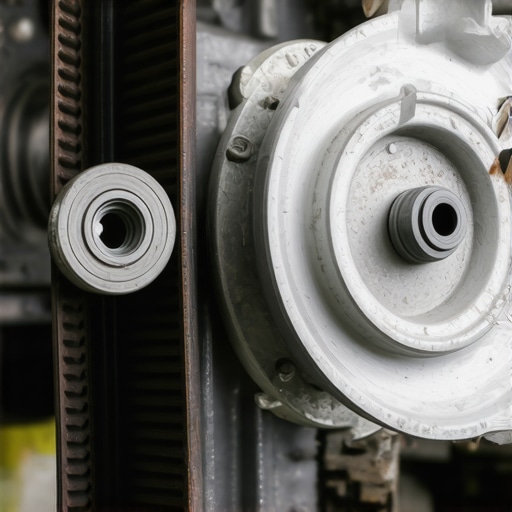 Another major ‘oops’ moment involves the water pump. I have seen folks refuse to swap it because it is ‘not leaking yet.’ But remember, the labor to get to the water pump is exactly the same as the timing belt. If you do not do it now, you are paying twice for the same job later. This is why learning how to spot a bad water pump before your engine overheats is vital for anyone trying to master their own maintenance. And for those of you worried about internal engine health beyond the belt, stop wasting money on ‘miracle cures.’ I have done the testing, and the truth about oil additives and if they actually save your engine is often disappointing—consistent maintenance beats chemicals every time. Finally, if you are taking your car to a shop for this work, you need to know how to tell if your mechanic actually changed the oil or the belt as promised. Trust but verify. Have you ever fallen into this trap where you replaced one part only to have the ‘hidden’ part fail a week later? Let me know in the comments.If you are serious about moving beyond basic fixes, you need more than just a rusty adjustable wrench. I personally never touch a timing job without a dedicated torque wrench. Why? Because over-tightening a tensioner bolt is just as dangerous as leaving it loose; it can strip the aluminum threads in your engine block, turning a simple afternoon into a multi-day nightmare. For the electrical side, I rely on a high-impedance digital multimeter. I have found that the secret to finding a parasitic battery drain with a simple multimeter is all about precision—something a five-dollar tool from a bargain bin simply cannot provide.
The Specialized Gear That Saves My Knuckles
Beyond the basics, invest in a decent OBD-II scanner that does more than just read codes. I use one that provides live data streams, which is crucial for decoding vehicle diagnostics what your car is trying to tell you in real-time. If you see your long-term fuel trim spiking, it might be the engine trying to compensate for the very timing issues we have been discussing. According to the technical specifications in the Bosch Automotive Handbook, modern timing synchronization requires tolerances within ±0.5 degrees of crankshaft rotation to maintain peak fuel efficiency and meet strict emissions standards. 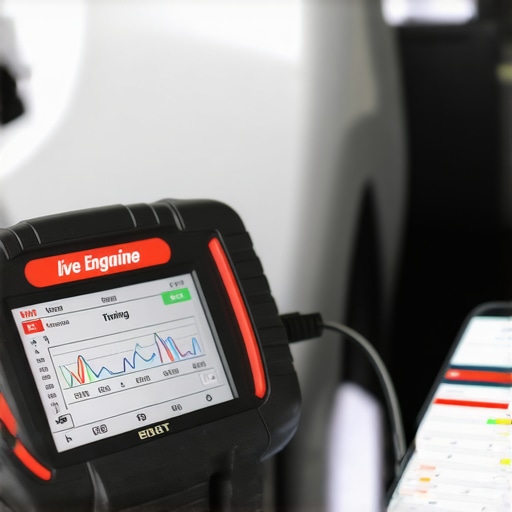
How do I maintain my engine’s timing system over decades?
The answer is not just about changing the belt at the right interval. It is about the environment you create under the hood. Keep your engine bay clean to prevent oil and grit from getting under those plastic covers. I have seen minor oil leaks from a valve cover gasket turn a brand-new timing belt into a gummy, weakened mess in less than a year. While you are already dirty and have the tools out, it is the perfect time to look at other critical safety systems. I always perform a quick check on the pads and rotors using the ultimate guide to brake service for safety and performance as my internal checklist. It is about building a rhythm of maintenance where you look at the whole vehicle as an interconnected machine.
Predictive Maintenance is the Real Future
I predict that within the next decade, we will stop talking about fixed mileage intervals entirely. Cars are becoming rolling data centers. We are moving toward a world where how advanced vehicle diagnostics prevent costly breakdowns will involve onboard AI analyzing minute vibration frequencies to tell you exactly which day your belt or bearings will fail. We are already seeing oil change innovations technologies that save your engine by monitoring chemical oil degradation in real-time. Until your car can talk to you that clearly, though, you have to be the one listening.
Try This Advanced Diagnostic Trick
Next time you have your hood open, do not just look at the belt surface. Use a bright LED flashlight to look for witness marks on the pulleys—those tiny shiny spots where the belt has been slipping or vibrating against the flange. It is one of those auto repair hacks save money without sacrificing quality that takes ten seconds but tells you the true story of your engine’s health. Grab your flashlight and go check your pulleys right now; you might be surprised at what those shiny spots are trying to tell you.
Lessons from the Greasy Side of a Broken Engine
Reflecting on my own engine failures, I’ve realized that the most expensive mistake isn’t the repair itself—it’s the hesitation. One lightbulb moment for me was discovering that timing belt health is heavily dictated by your environment. If you live in a coastal area or a place with extreme winters, your rubber components are on a much shorter clock than someone in a temperate climate. Also, never ignore the tensioner; if you change the belt but leave the old tensioner, you are basically playing Russian roulette with your valves. Applying top auto repair tips to extend your vehicles lifespan often means looking at what isn’t listed in the owner’s manual, like the condition of the seals behind the belt. Finally, remember that essential auto repair strategies for frequent drivers always prioritize the belt because it is the master clock of your engine.
The Toolkit Every Timing Belt Hero Needs
If you are going to tackle this, do not do it with subpar tools. I swear by a high-quality torque wrench; it is the only way to ensure your tensioner will not vibrate loose or strip the engine block. I also recommend a telescoping inspection mirror—it allows you to see the underside of the belt for cracks without tearing the whole engine bay apart. For those who want to be proactive, a mid-range OBD-II scanner is indispensable for decoding vehicle diagnostics what your car is trying to tell you regarding timing synchronization. These tools are the foundation of auto repair hacks save money without sacrificing quality because they prevent the errors that lead to professional shop visits.
Drive with the Peace of Mind You Deserve
Taking control of your car’s maintenance can feel daunting, but the reward is a vehicle you can actually trust on a cross-country trip. Do not let the fear of a complex repair stop you from simply looking under the cover once in a while. Whether you are following the ultimate guide to brake service for safety and performance or checking your timing belt, the goal is the same: stay ahead of the curve. Your car is a major investment, and a little bit of sweat today saves a lot of heartbreak tomorrow. Have you ever ignored a weird engine noise only to regret it later? Let me know in the comments below!