
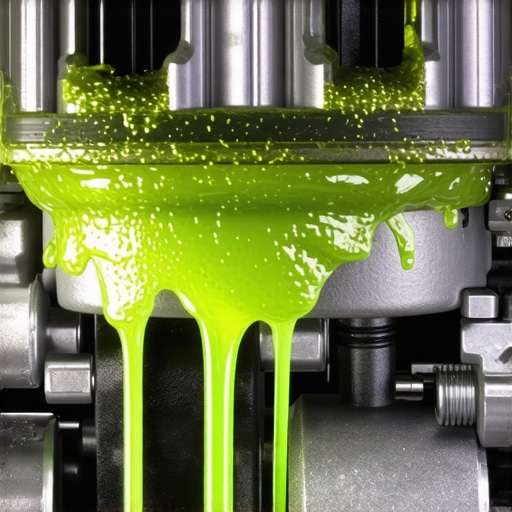
I stood there on the sizzling asphalt of the I-77 shoulder, watching my weekend plans evaporate into a cloud of white, sweet-smelling vapor. I felt like a complete fool. My car was dead, the tow truck was forty minutes away, and the bill for my negligence was already mounting. See, I’d heard that faint ‘chirping’ sound for three days and told myself it was just a cold belt. It wasn’t a belt. It was my water pump’s bearing giving up the ghost. By the time the needle hit the red, the damage was done. I want to make sure you never have to stand where I stood, feeling that pit in your stomach as you realize a $150 part just nuked your entire engine. Today, I’m going to show you exactly how to listen to and look at your car so you can catch a failing pump while it’s still a cheap fix.
Stop the Steam Before It Starts
Early in my DIY journey, I made the classic rookie mistake of thinking a tiny green drip on the garage floor was just a loose hose clamp. I tightened every clamp I could find and went on my way. Big mistake. That drip was coming from the ‘weep hole’ of the pump, which is basically the car’s way of saying, ‘Hey, my internal seal is toast.’ If you notice your engine temperature spikes at red lights, your cooling system is desperately trying to tell you something is wrong. Catching it early isn’t just about saving money; it’s about saving your sanity. According to the CarMD Vehicle Health Index, cooling system failures are consistently among the most expensive repairs because they so often lead to warped cylinder heads and blown gaskets. Have you ever looked under your car and wondered if that puddle was a ‘later’ problem or an ’emergency’ problem?
Does a Dying Pump Always Signal Its Arrival with a Leak?
Not always, and that’s the scary part. Sometimes the pump is internally failing without dropping a single bead of coolant. This is where decoding vehicle diagnostics becomes your best friend. You might notice your heater isn’t blowing hot air like it used to, or you hear a low-pitched grinding sound that changes with your engine speed. If you find that your car smells like maple syrup but there is no puddle, the coolant is likely evaporating off a hot engine block before it even hits the ground. It takes a bit of detective work, like using the trick to spotting a hairline crack in your radiator, to rule out other culprits, but knowing the specific ‘voice’ of a failing pump bearing can save you thousands. Don’t wait for the steam to start—start looking for the subtle clues now.
Put Your Hands on the Pulley While the Engine is Cold
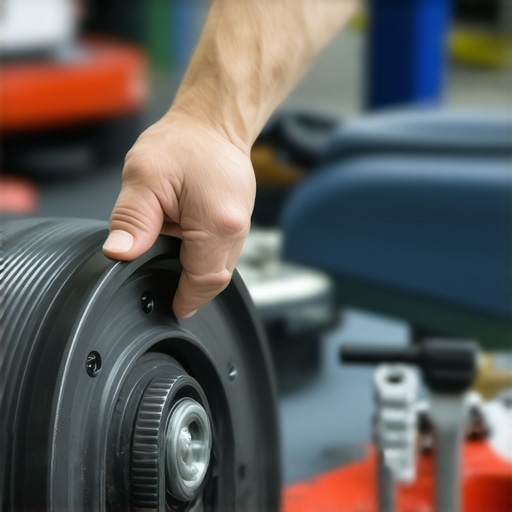
Stop guessing and start feeling. With the engine off and stone-cold—seriously, don’t burn your hands—reach down and grab the water pump pulley. Give it a firm wiggle. If it moves even a fraction of an inch in any direction other than rotating, the internal bearing has physically failed. This is one of those essential auto repair strategies for frequent drivers that saves you from a roadside disaster. Think of it like a loose tooth; if there is play, it’s only a matter of time before it falls out, and in this case, it takes your drive belt and cooling system with it. I once ignored a slight wobble on an old sedan, thinking I could make it through the week. Two days later, that pulley seized, snapped the belt, and left me stranded in a grocery store parking lot with a steaming hood and a very expensive repair bill.
Differentiate Between a Squealing Belt and a Dying Bearing
Sound is your best diagnostic tool, but you have to know what you’re hearing. A belt usually makes a high-pitched scream, especially on cold starts or during sharp turns. If you have already tried to fix a squealing belt with a bar of soap and the noise persists, or if you hear the clicking sound coming from your engine at low speeds, you are likely dealing with the water pump bearing. A failing bearing makes a lower-pitched, rhythmic grinding or growling sound. It’s the sound of metal balls pitted and scarred, dragging against their housing. To be sure, you can use a mechanic’s stethoscope—or even a long screwdriver pressed against the pump housing and your ear—to isolate the noise. If the growl is loudest at the pump, it’s time to shop for a replacement.
Pressure Testing Stops the Guessing Game
If you can’t see a leak but your reservoir keeps dropping, you need to pressurize the system. You can rent a cooling system pressure tester from most auto parts stores for free. You attach it to the radiator neck or the overflow tank and pump it up to the PSI rating listed on your radiator cap. This mimics the pressure of a hot engine without the actual heat. I used this method to find a leak that had been driving me crazy for months. It turned out to be the weep hole on the underside of the pump, which only leaked when the car was under load. While you’re under there, keep an eye out for the hidden drain plug that ruins a diy radiator flush; if it’s brittle or leaking, it’s a cheap five-dollar fix that prevents a massive headache later. Proper decoding vehicle diagnostics often requires these specialized tools to see what the naked eye misses.
Look for the Milky Sign of a Blown Internal Seal
Sometimes the pump fails internally, pushing coolant past the seal and into the oil galleries. This is the nightmare scenario. Pull your oil dipstick and look at the color. If it looks like a chocolate milkshake or has white, frothy bubbles, stop driving immediately. This isn’t just about the truth about synthetic oil vs conventional in older high-mileage cars; it’s about the fact that coolant destroys the lubricating properties of oil, which will seize your engine bearings in minutes. When I was younger, I saw a guy try to ‘limp’ a car with milky oil just three miles to a shop. He didn’t make it two blocks before the engine threw a rod through the side of the block. Catching this early means you might just be replacing a pump and flushing the oil, rather than replacing the entire powertrain.
The Lifetime Coolant Myth That Ruins Engines
I have seen it a hundred times: a DIYer replaces their pump, refills the radiator with ‘universal’ coolant, and calls it a day. Most people believe that all coolants are basically the same once you get past the color, but that is a dangerous assumption. Many modern vehicles require specific organic acid technology (OAT) or hybrid organic acid technology (HOAT) formulas. Using the wrong one can lead to a chemical reaction that creates a sludge-like ‘goo.’ This isn’t just about top auto repair tips to extend your vehicles lifespan; it is about chemical compatibility. When you mix incompatible fluids, the corrosion inhibitors drop out of suspension, leaving your brand-new pump’s seals completely unprotected. This is a common nuance that separates a temporary fix from a long-term solution.
Can a Poor Ground Connection Kill Your Cooling System?
This is the ultimate ‘pro-level’ question. You wouldn’t think a wire on the other side of the engine could affect your water pump, but it can. This phenomenon is called electrolysis. When an engine ground is poor, the electrical current looks for the path of least resistance to return to the battery—and often, it chooses your coolant. According to a technical bulletin by Gates Corporation, a leading manufacturer of automotive belts and pumps, electrolysis literally pulls metal molecules from the pump housing and impellers, depositing them elsewhere. If you see a new pump that looks ‘sandblasted’ or pitted after only a few thousand miles, you have an electrical problem, not a mechanical one. This is why how advanced vehicle diagnostics prevent costly breakdowns is about more than just checking for leaks; it’s about checking the chemistry and electrical state of your cooling system.
The Debris Trap That Kills Second Chances
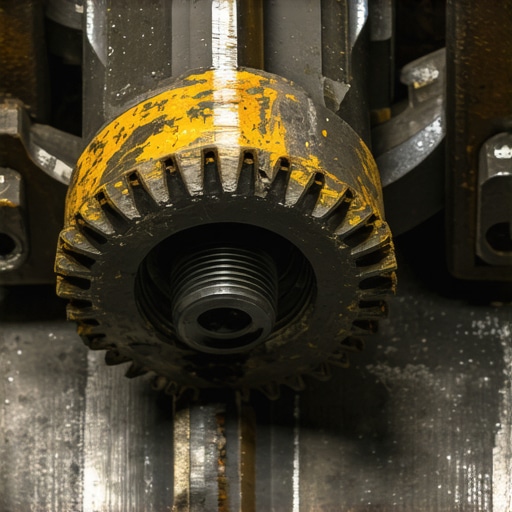
Everyone says the hard part is getting the old pump out. In my experience, the hard part is actually the patience required to clean the system before the new one goes in. If your previous pump failed because the impeller shattered or the bearing disintegrated, there are likely tiny metal shards floating in your block. If you don’t perform a high-pressure flush, those shards will act like liquid sandpaper, shredding the ceramic seal of your new pump within weeks. This is one of those essential auto repair strategies for frequent drivers that most shops skip to save time. It’s the same logic as why the truth about synthetic oil vs conventional in older high-mileage cars matters; the quality of the environment you put the part into determines how long that part lasts. I once spent four hours flushing a system because the previous owner had used a ‘stop-leak’ product, which is essentially liquid concrete for a water pump’s internal passages.
Don’t fall into the trap of thinking a new part is a ‘set it and forget it’ solution. You have to address the root cause—whether it’s acidic coolant, electrolysis, or old debris. Have you ever fallen into this trap where a brand-new part failed way too early? Let me know in the comments, because your ‘oops’ moment might just save someone else’s engine. If you’re tackling this on a weekend, remember that decoding vehicle diagnostics often means looking at the old part to see the story of how it died before you bury it with a new one.
You’ve survived the swap, but now you need to ensure you aren’t doing this again in six months. I used to rely on my ears alone, but the real pros have moved into the digital age. If you aren’t using a high-quality OBD2 scanner to monitor live data, you’re essentially flying blind. I personally swear by scanners that can read ‘Live Data Stream’—this lets you see exactly what the computer sees. While decoding vehicle diagnostics, I look specifically for the ‘Engine Coolant Temperature’ (ECT) sensor readings. If the dashboard needle says ‘Normal’ but the scanner shows 230°F, you have a problem that hasn’t triggered a light yet. This is how advanced vehicle diagnostics prevent costly breakdowns by catching a thermostat that is starting to stick before it leaves you on the shoulder again.
How do I maintain my cooling system over time?
Maintaining your system isn’t just about topping off fluids. It’s about chemical balance. I recommend using pH test strips every six months. According to SAE International Standard J1644, even the best coolant can turn acidic due to heat cycles and air intrusion. Once the pH drops, it starts eating your new pump from the inside out. Part of my top auto repair tips to extend your vehicles lifespan is a simple visual check of the reservoir every Sunday morning. Looking for that ‘sweet’ smell or a darkening of the fluid color can give you weeks of lead time before a failure occurs. In the near future, I expect we will see ‘smart’ sensors integrated directly into the coolant reservoirs that alert your smartphone the second the chemical composition changes, removing the guesswork entirely.
Precision Tools Stop the Guesswork
Don’t even think about ‘guesstimating’ the tightness of those water pump bolts. I’ve seen more DIYers snap a bolt in the block than I care to count, turning a two-hour job into a two-day nightmare. Buy a 1/4-inch drive torque wrench. It is one of the essential auto repair strategies for frequent drivers to use the factory-spec inch-pounds. While you’re at it, apply the same precision to your brakes; mastering the trick for a perfect brake bleed every single time requires the same level of attention to detail and specialized tools. 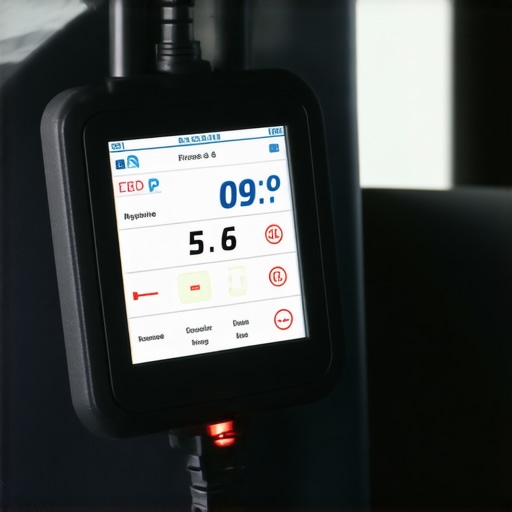 I want you to try this: next time you change your oil, take a sample and send it to a lab for analysis. It’s the ultimate diagnostic tool that tells you exactly what’s wearing down inside your engine before you can even hear a click or see a leak. Getting an oil analysis is like getting bloodwork for your car, and it’s the best way to scale your maintenance from guesswork to science.
Hard Truths from the Grease-Stained Trenches
After years of turning wrenches and more than a few roadside breakdowns, I’ve realized that the ‘cheap’ fix is usually the most expensive one you’ll ever do. First, never ignore a ‘sweet’ smell just because your gauge looks fine; your nose is often faster than your car’s computer. Second, if you’re doing a pump, replace the thermostat and the serpentine belt at the same time. These components live in the same harsh environment and usually fail within weeks of each other. Third, and perhaps most importantly, stop treating your coolant like it’s ‘set it and forget it.’ I’ve seen more engines ruined by acidic old fluid than by actual mechanical failure. This is why decoding vehicle diagnostics involves looking at the chemical state of your fluids, not just the check engine light.
My Go-To Kit for Cooling System Survival
If you want to move beyond guessing, you need the right gear in your garage. I never touch a cooling system without my Lisle Spill-Free Funnel; it’s the only way to properly burp air out of the system without making a massive mess. For those elusive leaks, a Stant Pressure Tester is worth its weight in gold—it’s one of those essential auto repair strategies for frequent drivers who want peace of mind before a long trip. Finally, invest in a dedicated OBD2 scanner like the BlueDriver. It’s a game-changer for how advanced vehicle diagnostics prevent costly breakdowns by letting you see the exact degree-by-degree temperature of your engine in real-time, long before the dashboard needle moves toward the red zone.
Take Control Before the Steam Does
Maintenance can feel like a chore, but compared to the stress of a dead engine on a dark highway, it’s a gift you give to your future self. By paying attention to the sounds, smells, and subtle shifts in how your car handles heat, you are performing the highest form of top auto repair tips to extend your vehicles lifespan. Don’t be intimidated by the complexity under the hood; start with the small checks, stay consistent, and your car will reward you with another hundred thousand miles. Have you ever caught a cooling system leak just in the nick of time, or did it catch you by surprise? Let me know your story in the comments below!