
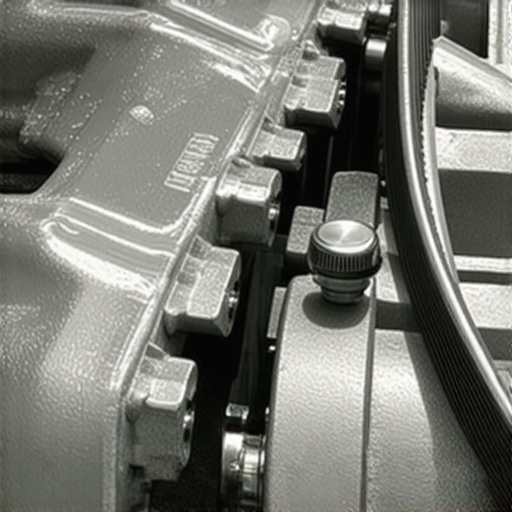
I was pulling into my driveway last July, windows down to catch the evening air, when I heard it. A rhythmic, metallic click-click-click that seemed to keep perfect time with my wheels. I did what any hopeful car owner does: I turned up the radio and told myself it was just a pebble in the tire. Spoiler alert: it was not. That little noise was the first warning sign of a lifter issue that eventually cost me three days in the shop and a very painful credit card bill. I am here to make sure you do not make the same mistake I did by ignoring the signs your vehicle is desperately trying to give you. We are going to dive deep into what these sounds mean and how you can catch them before they turn into a total engine overhaul.
Why Ignoring That Rhythmic Tick Is Your Worst Driveway Mistake
When you are rolling through a parking lot or coasting to a stop sign, your engine is not under much load. This is when those subtle noises like clicking sounds become most apparent. Often, this sound is your car’s way of begging for basic maintenance. It could be as simple as being a quart low on oil, or it could be something more mechanical, like a sticking valve. I remember thinking that modern oil change innovations meant I did not need to check my dipstick every few weeks. That arrogance cost me a camshaft because I was running on sludge and prayer. According to the Car Care Council, neglecting simple maintenance like oil checks is the leading cause of premature engine failure, often preceded by rhythmic clicking. If you are hearing this now, you are actually in a lucky position—you have been warned. By employing essential auto repair strategies now, you can save your engine before the damage becomes irreversible.
Is this clicking really a sign of disaster or just a noisy engine?
I get it. You do not want to spend your Saturday morning at a shop. You might be thinking it is just old car character. But there is a massive difference between a healthy engine hum and a mechanical protest. If the sound changes when you turn, it might actually be the clicking sound that means your CV axle is toast rather than an internal engine issue. Have you ever noticed a new sound and tried to just ignore it until it went away? I would love to hear your stories in the comments, because I have been there too. Let’s get under the hood and look at the most common culprits for that low-speed clicking.
Pinpoint the Source Before Opening Your Wallet
To stop a problem, you first have to find it, and your ears are your best tools. Open the hood while the engine is running and listen. If you notice why your engine makes a tapping noise only at startup, it usually points to a lubrication delay. Pull your dipstick. If the oil looks like chocolate milk or has shiny metallic flakes, you are looking at internal wear. I once spent an entire Saturday chasing what I thought was a bent valve on my old truck, only to find that my oil was simply too thin for the summer heat. That experience taught me that the real reason your engine oil is disappearing without a leak is often internal consumption that leads to this exact ticking noise. Don’t just top it off; look at the quality of what is inside.
Let a Scanner Talk to Your Car
If the dipstick looks clean, move to electronic help. Modern cars are rolling computers that track every misfire and pressure drop. Using how advanced vehicle diagnostics prevent costly breakdowns is the difference between guessing and knowing. Plug a basic OBD-II scanner into the port under your dash. Even if you don’t have a Check Engine light, there might be ‘pending codes’ related to oil pressure or timing. 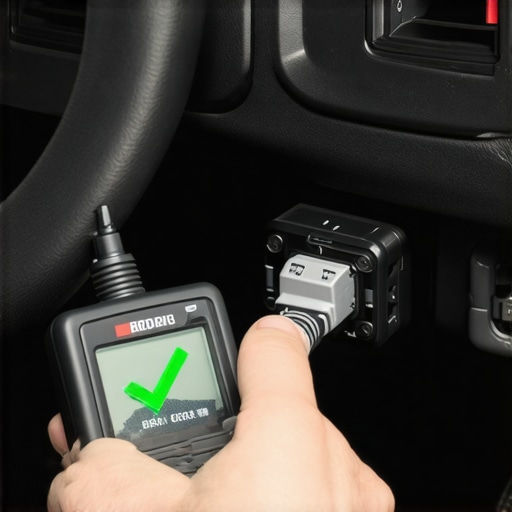
Differentiate Between Engine and Suspension
Is the sound actually coming from the engine? I once had a client swear their engine was about to explode, but the noise only happened when they rolled over speed bumps. It turned out to be the difference between a bad wheel bearing and a noisy tire or a suspension component. If the clicking speed changes when you turn the steering wheel rather than when you rev the engine, your problem is likely a CV axle rather than a lifter. Knowing this distinction keeps you from paying for a rebuild you don’t need.
Master the Art of the Detail-Oriented Oil Change
When you do find that low oil or dirty fluid is the culprit, the fix isn’t just a quick dump-and-fill. You have to be surgical. I learned the hard way that why you should never skip the crush washer on your drain plug is a lesson in patience; a tiny drip over three months can leave your lifters dry by the time you realize it. Always inspect the old filter too. Understanding how to tell if your oil filter is actually doing its job involves looking for heavy sludge buildup in the pleats. If the filter is clogged, the bypass valve opens, sending unfiltered grit straight into those delicate engine parts, which creates that rhythmic clicking you are trying to kill. Finally, ensure you aren’t making the mistake of using the wrong oil viscosity in cold weather, as oil that is too thick won’t reach the upper engine fast enough at start-up, causing metal-on-metal contact that shortens your engine’s life.
The Diagnostic Trap Most Drivers Fall Into
We have been conditioned to believe that the computer in our car is an all-knowing oracle. When the Check Engine light flashes, the first instinct for many is to run to a parts store, get a free scan, and buy whatever part the screen spits out. In my years under the hood, I’ve found this to be the most expensive “shortcut” you can take. A common myth is that the code tells you exactly what is broken. In reality, a code only tells you that a specific circuit or sensor is seeing a reading outside of its expected parameters. For instance, why your scanner says P0420 but the converter is actually fine is a classic example where a small exhaust leak or a faulty downstream sensor mimics a dead catalytic converter. If you just swap the converter, you are out $800 and the light will be back on by Tuesday. According to the National Institute for Automotive Service Excellence (ASE), proper “pinpoint testing” is the only way to avoid the parts-cannon approach that drains bank accounts. 
Why High-Quality Sensors Are Non-Negotiable
Let’s talk about the “oops” factor that kills more DIY projects than anything else: the temptation of the $15 online auction sensor. I have seen enthusiasts try to apply auto repair hacks to save money without sacrificing quality, but electronic sensors are the one place you absolutely cannot cut corners. Modern engines rely on high-speed data to manage timing and fuel ratios. If you fall into the trap of the truth about using cheap aftermarket sensors in your engine, you’ll find that these budget parts often have the wrong internal resistance or slower response times. This doesn’t just cause a new error code; it can actually back-feed voltage into your Engine Control Module (ECM), turning a $100 sensor job into a $2,000 computer replacement. Always stick to OEM or reputable Tier 1 suppliers. Have you ever tried to save a few bucks on a part only to have it bite you back twice as hard? Let me know in the comments, because I’ve definitely learned that lesson the hard way.
Is Your Brake Fluid Secretly Rotting Your Calipers?
Most drivers think a brake job is just about the pads and rotors. This is a dangerous oversimplification that even experienced hobbyists frequently overlook. You might read brake service myths busted and realize that stopping power is about far more than just friction material and hardware. Brake fluid is hygroscopic, meaning it actively absorbs moisture from the air through microscopic pores in the hoses. Over time, that water settles in the lowest point of your system—the calipers—and begins to corrode the pistons from the inside out. This leads to sticking calipers that generate massive heat, eventually warping your expensive new rotors. Checking the brake fluid color that means you need a flush immediately is a sophisticated maintenance step that goes beyond the basics. If your fluid looks like dark tea instead of clear honey, it is already failing to protect your system and could potentially boil under hard braking conditions. Mastering these nuances is what separates a vehicle that barely lasts 100,000 miles from one that makes it to 300,000 without a single major system failure.I used to believe that a basic socket set and a can-do attitude were all I needed to keep a car on the road forever. I was wrong. As cars evolved into rolling supercomputers, I realized that my toolbox needed to evolve too. If you are serious about avoiding the shop, you need to invest in a bidirectional scan tool. Unlike the free scanners at the parts store that just read codes, a bidirectional tool allows you to command the car to perform tasks, like firing a fuel pump or cycling an ABS pump. This is how you actually verify a repair instead of just guessing. Using how advanced vehicle diagnostics prevent costly breakdowns is about moving from being a parts-changer to being a technician. I personally use a mid-range Autel unit because it balances cost with the ability to reset steering angle sensors and perform brake bleeds, which are essential for the ultimate guide to brake service for safety and performance. 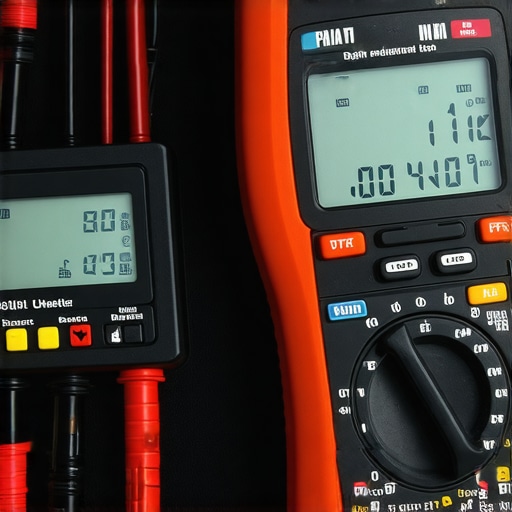
Don’t Overlook the Simple Power of a Multimeter
While the high-tech scanners get all the glory, the humblest tool in my drawer is the one I reach for most: the digital multimeter. It is the only way to truly solve electrical gremlins without losing your mind. I once spent three days trying to find why a car wouldn’t start, only to find a tiny break in a ground wire that looked perfect to the naked eye. Mastering the 20 tool every driver needs for basic electrical troubleshooting can save you thousands over the life of your vehicle. Whether you are learning how to find a parasitic battery drain with a basic multimeter or checking if your alternator is toast, this tool provides objective data that sensors often miss. According to the technical documentation from Robert Bosch GmbH, even a 0.5-volt drop in a ground circuit can cause modern sensors to provide false data to the ECM, leading to phantom codes and poor performance.
How do I maintain my diagnostic tools to ensure they stay accurate over time?
Precision tools require their own version of an oil change innovation approach. For scanners, this means regular software updates; manufacturers release patches monthly to account for new vehicle protocols. For multimeters, it means checking the internal fuses and leads for resistance. I make it a habit to calibrate my torque wrenches and check my leads every six months. If your tools aren’t accurate, your diagnostics won’t be either. Keeping your gear in top shape is one of those top auto repair tips to extend your vehicles lifespan because it prevents you from making the wrong mechanical calls.
The Shift Toward Connected Telematics
Looking ahead, the DIY world is moving toward predictive maintenance. We are entering an era where your car won’t just tell you something is broken; it will predict a failure 500 miles before it happens. I expect to see consumer-level telematics devices that sync directly with your phone to monitor oil viscosity and brake pad thickness in real-time. This isn’t just a gimmick; it’s the next level of essential auto repair strategies. If you want to get ahead of the curve, I challenge you to do one thing today: go out and check your brake fluid color using the guide we discussed. It’s a five-minute check that can prevent a thousand-dollar disaster.
What the Shop Manual Never Tells You About Engine Noises
Over the years, I have realized that the most expensive repairs usually start as the quietest sounds. One lightbulb moment for me was discovering that a clicking noise isn’t always a part failing; sometimes, it’s just the car reacting to poor fluid quality. I’ve seen engines saved by nothing more than a high-quality filter and the right weight of oil. Another hard lesson? Never assume a new part is a good part. I’ve wasted days troubleshooting only to find a ‘new’ sensor was a dud right out of the box. That is why I always emphasize decoding vehicle diagnostics personally before handing over my keys. Most importantly, trust your gut. If the car feels different after a brake service, pull over and check your work. It’s the small, obsessive details that keep a car on the road for three decades.
The Gear That Separates Mechanics from Parts Changers
If you want to stop guessing, you need the right arsenal. I personally rely on three main things. First, a bidirectional scan tool. I use an Autel unit because it allows you to actually test components in real-time, which is how you achieve advanced vehicle diagnostics without the dealership price tag. Second, the Robert Bosch Automotive Handbook—it is essentially the bible for how European and domestic systems are engineered. Third, a high-quality digital multimeter for tracking down those phantom ground issues. Investing in these isn’t an expense; it’s one of the best auto repair hacks to save money over the long haul. #IMAGE_PLACE_E#
You Are Now the Best Defense Your Car Has
Taking control of your car’s maintenance can feel overwhelming at first, but remember that every master technician started with a single oil change. By paying attention to those rhythmic clicks and learning top auto repair tips to extend your vehicles lifespan, you are already ahead of 90% of drivers. Your car is a complex machine, but it isn’t a mystery when you have the right tools and the patience to listen. Don’t be afraid to get your hands dirty—the satisfaction of fixing a problem yourself is worth every bit of grease under your fingernails. Have you ever caught a small mechanical issue before it turned into a major disaster? Let me know in the comments below!