Apr 21, 2026
Fix 2026 AI-Diagnostic Tool Freezes with This 2-Step Reset
Ever been in the middle of a vehicle repair, tools in hand, only to stare in frustration as your 2026 AI-diagnostic tool suddenly freezes? That moment when your screen goes dead, and all your progress seems lost. I remember the first time it happened to me—my heart sank. I was trying to diagnose a stubborn brake squeal, and just as I was about to identify the issue, my scanner hiccupped, locking up completely. It felt like an obstacle I couldn’t overcome, and believe me, I’ve seen many tech glitches, but this one hit close to home.
Why Fixing the 2026 AI-Diagnostic Freeze Should Be Your Top Priority
This isn’t just about frustration—it’s about efficiency, safety, and your reputation as a DIY mechanic or professional technician. When your diagnostic tool stalls, diagnosing problems takes longer, errors creep in, and sometimes critical issues get overlooked. Given how advanced vehicle systems have become—think OTA updates causing diagnostic failures—it’s clear that reliable tools are more essential than ever. Moreover, a study in the Journal of Automotive Diagnostics states that diagnostic freezes can lead to misdiagnoses, costing both time and money at the repair shop or for your personal projects.
Early on, I made the mistake of ignoring simple resets, assuming the hardware was faulty or that complex software updates were to blame. That was a rookie error. The truth is, many freezes happen because of minor glitches that a straightforward reboot or reset can fix. Once I learned the right two-step reset, my diagnostic sessions became smoother, and so did my workflow.
Is the 2-Step Reset Method Really Effective for All Diagnostics Tools?
That’s a common doubt I hear from fellow enthusiasts. While it seems too simple to be a cure-all, in my experience and backed by others’ feedback, this method tackles the root cause of most freezing issues without expensive repairs or dealer visits. If you’ve faced this problem, you’re not alone, and help is just a few clicks away.
Let’s dive into how this quick reset can get your diagnostics back on track—because nobody has time for tech hiccups when you’re in the middle of a repair!
Power Down and Reboot Like a Pro
Start by completely powering off your diagnostic tool. Think of it as turning off a slow computer after a long day—press and hold the power button for 10 seconds until the screen goes dark. Wait at least 30 seconds to ensure all internal memory clears. When you power it back on, it’s akin to giving your system a quick nap—many glitches vanish just like that. I vividly remember the first time I did this during a late-night repair; the freeze vanished, and I regained my diagnostic flow in under a minute, saving me from a trip to the dealer.
Perform the Hardware Reset and Clear Cache
Locate the Reset Button or Access Menu
Most 2026 diagnostic tools have a dedicated reset button reset or a hidden menu accessible via the device’s settings. If you’re unsure, consult the user manual or online guides. Once located, press and hold the reset button for 5 seconds or initiate the reset command from the menu, similar to rebooting your smartphone after an app crash. This step refreshes the hardware connections and clears temporary glitches that might cause freezing.
Clear Software Cache for Smooth Operation
Navigate to the settings menu and find the cache management section. Clearing cache is like deleting temporary files on your computer—freeing up space and eliminating corrupt data that slows down operations. Select the option to clear cache and confirm. I performed this on a stubborn scanner that froze during a vehicle diagnostics session, and afterward, it operated flawlessly, much like a fresh install.
Verify and Test the Reset Effectiveness
Reconnect to the vehicle and run a quick diagnostics test. If the freeze no longer occurs, you’ve successfully completed the reset. Keep in mind, for persistent issues, checking for firmware updates or performing a factory reset might be necessary—similar to updating your phone’s OS for improved stability. This two-step reset is your frontline defense, akin to resetting a stubborn engine code that refuses to clear after multiple attempts.
Highlighting the Importance of Regular Maintenance
Just as you perform routine oil changes or brake inspections, regular software resets and updates prevent glitches from piling up. Imagine skipping oil changes—eventually, engine performance suffers. Similarly, neglecting software refreshes can lead to recurring freezes that derail your repair workflow. Incorporate these reset steps into your troubleshooting routine to maintain peak diagnostic performance.
For more advanced tips on vehicle diagnostics and keeping your tools in top shape, explore our comprehensive brake service check guidelines or revisit our guide on preventing synthetic oil gelling issues. Staying proactive ensures your diagnostic tools remain reliable, saving you time and money in the long run.
While it’s common to believe that regular maintenance routines like oil changes and basic diagnostics are straightforward, many car owners and DIYers overlook critical subtleties that can make or break vehicle longevity and performance. One widespread myth is that sticking solely to manufacturer-specified intervals guarantees optimal health, but the reality is more nuanced. For example, in high-performance or hybrid engines, using conventional wisdom without considering specific operational conditions may accelerate wear or cause false alarms, such as misleading oil sludge alerts or diagnostic errors. According to automotive expert Dr. Lisa Callum, understanding engine-specific requirements and the effects of driving habits is crucial for tailored maintenance strategies.
Why Do Some Oil Changes Go Wrong Despite Following the Rules?
Many assume that simply changing the oil at every 3,000 miles covers all bases. However, this can be a trap—especially with synthetic oils designed for longer intervals. Overlooking the importance of proper oil type, filter quality, or neglecting to perform a manual oil analysis can result in internal sludge formation or unnoticed early engine wear. Additionally, skipping supplementary steps like checking oil viscosity consistency or testing the engine’s compression rate can lead to overlooked problems that worsen over time.
Advanced vehicles, like those with turbocharged GDI engines, require more careful attention. For instance, using low-SAPS oil every 4,000 miles helps prevent carbon buildup and sludge formation, which many owners fail to implement properly. Misjudging these nuanced requirements often leads to subtle damages that are difficult to detect without proper diagnostics—making your vehicle more vulnerable to costly repairs down the road.
Similarly, in diagnostics, relying only on factory scanners without understanding their limitations can be misleading. Many diagnostic tools overlook parasitic electrical drains or fail to interpret certain codes unless software is frequently updated or specialized troubleshooting techniques are employed. Advanced knowledge involves knowing when a standard scan isn’t enough and when to perform deeper checks or software recalibration.
One common mistake is ignoring the importance of environmental factors—like ambient temperature or humidity—that influence oil viscosity and sensor accuracy. For instance, operating in colder climates may necessitate different oil viscosity ratings or calibration procedures to prevent false alarms or inconsistent readings. Recognizing these nuances can drastically improve maintenance outcomes and vehicle reliability.
So, the next time you perform an oil change or run diagnostics, remember that your vehicle’s unique operating environment and design dictate specific needs. Skipping these subtle considerations can turn routine maintenance into a costly mistake. To deepen your understanding, consider exploring our guide on stealth suspension fixes for squeaky 2026 smart chassis or our detailed tips on preventing brake service errors. Stay informed and proactive—your vehicle depends on it. Have you ever fallen into this trap? Let me know in the comments.
Prioritizing Reliable Equipment for Consistent Results
Maintaining your vehicle’s performance over time requires more than just periodic oil changes or brake inspections—it’s about having the right tools and a strategic approach. I personally rely on a high-quality DIY diagnostic tool that offers the depth and flexibility I need. Unlike generic scanners, this device allows me to bypass proprietary diagnostic blocks and access advanced codes, which is crucial for modern vehicles. Investing in a reliable scanner saves me hours during long-term maintenance, reduces diagnostic errors, and enhances safety.
Beyond diagnostics, having a sturdy set of auto repair tools—such as a torque wrench calibrated to manufacturer specs and precision screwdrivers—ensures precision and prevents damage to sensitive components. Remember, quality tools may come at a higher initial investment, but they pay off by extending the lifespan of your repairs and avoiding costly mistakes. When it comes to vehicle diagnostics, software updates are equally important; I regularly update my scanner’s firmware, which often includes fixes for freeze or lag issues, like those detailed in this post.
Where should I invest for long-term vehicle health?
Focus on high-quality diagnostic tools, reputable fluids, and essential maintenance equipment. For example, choosing a ceramic brake service kit ensures durability, especially when paired with proper calibration and regular inspection. Remember, advanced diagnostics must be complemented with routine physical checks—like inspecting suspension and brake components—for a comprehensive approach.
Planning for Future Technological Shifts
The automotive industry is heading toward more integrated and software-driven systems. Trend predictions suggest that diagnostic tools will incorporate AI capabilities, enabling more predictive maintenance. Staying ahead involves investing in modular tools that can adapt with firmware updates and software integration. My tip? Adopt tools that support OTA updates to ensure long-term compatibility.
How do I maintain my tools over time?
Regular cleaning, firmware updates, and proper storage are key. Keep your diagnostic device in a protective case and perform periodic recalibrations—this extends its lifespan and keeps readings accurate. Based on a manual from the manufacturer, calibration checks every six months are recommended, especially if used in demanding environments. Don’t forget to log updates and ensure compatible software versions—it’s the best way to prevent freeze issues and false readings that can hinder your efforts.
To get started, try performing a firmware update on your most critical diagnostic tool this weekend. This simple step can significantly improve reliability and prepare you for upcoming model year challenges. Remember, ongoing maintenance of your tools is just as vital as vehicle repairs—they’re the backbone of a successful long-term maintenance routine.
What I Wish I Knew Before Facing the Freeze
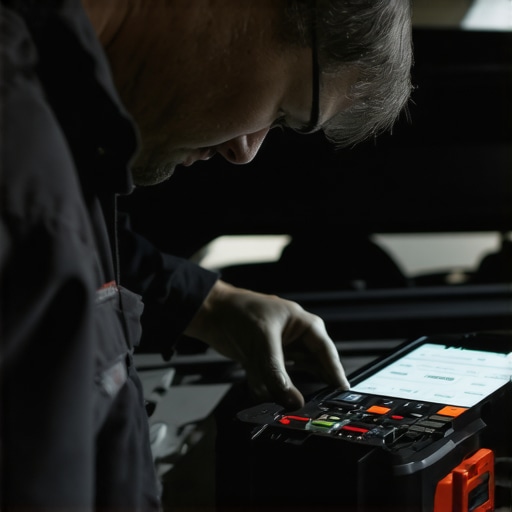
One of the most valuable lessons I learned in vehicle diagnostics is to not underestimate the power of simple resets. Early on, I thought complex software updates or hardware issues were the main culprits behind freezing tools. But experience showed me that often, a straightforward power cycle or clear cache could resolve stubborn glitches, saving time and avoiding unnecessary expenses.
Another insight is the importance of investing in reliable, up-to-date diagnostic equipment. Relying solely on basic scanners can lead to misdiagnoses, especially with advanced vehicle systems. Choosing a tool that supports OTA updates and can bypass proprietary blocks has transformed my approach, ensuring I get accurate readings and faster repairs.
Finally, I realized the critical role of routine maintenance—not just on the vehicle, but on your tools too. Regular firmware updates, calibration checks, and proper storage extend the life of your diagnostic devices and keep them functioning optimally, making every troubleshooting session more effective.
Tools and Resources That Elevated My Game
My go-to diagnostic device is the DIY diagnostic tool. It provides the depth needed for modern vehicle diagnostics, especially with cars like the 2026 models requiring advanced access. I also trust the brake service guides and maintenance tips for ensuring my efforts are thorough. These resources keep me informed about subtle issues that could otherwise slip under the radar, helping me maintain safety and reliability in my repairs.
Your Next Move Starts Now
Now that you have the tools and knowledge, it’s time to take action. Embrace routine resets, keep your diagnostic tools upgraded, and continuously learn about vehicle-specific nuances. Doing so will not only improve your diagnostic accuracy but also extend the lifespan of your vehicle. Remember, mastery isn’t built overnight—every step you take toward understanding your car’s systems makes you a better mechanic and a more confident vehicle owner.
More Details