
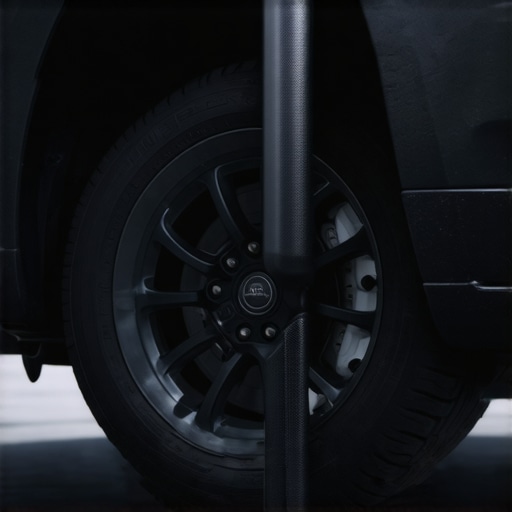
It happens when you least expect it. One morning, I noticed my car pulling to one side as I braked on the way to work. At first, I thought it was just a road hazard or uneven pavement. But as days went on, the pedal felt a bit spongy, and the braking response wasn’t as sharp as it used to be. That lightbulb moment hit me — I might be dealing with a sticking brake caliper.
If you’ve ever experienced strange braking behaviors but hesitated to dive under your car’s wheel well, you’re not alone. Jacking up the vehicle sounds daunting, and frankly, a bit intimidating if you’re new to DIY repairs. But here’s the good news: you don’t need to lift your car every time you suspect a caliper issue. There are signs and tests you can do right from the driver’s seat that can indicate a sticking caliper, saving you time, money, and a lot of frustration.
Understanding whether your brake caliper is sticking is critical, especially since it can lead to uneven tire wear, reduced braking performance, and even damage to other brake components. A stuck caliper can lurk unnoticed for weeks or months, quietly causing problems. According to a study by the National Highway Traffic Safety Administration (NHTSA), brake problems are responsible for approximately 22% of all vehicle crashes related to mechanical failure — making it essential to stay vigilant.
In this post, I’m going to share straightforward, realistic ways to gauge if your brake caliper might be sticking, without the messy task of removing wheels or risking a jack slip. I’ll walk you through simple checks, telltale signs, and what to look for before you consider a visit to the mechanic, or better yet, try some DIY fixes. Trust me, a little knowledge can keep your car safer and your repair bill smaller.
Have you ever faced this kind of brake mystery? Like noticing uneven wear or feeling a strange pedal? It’s a common issue, but many overlook the early warning signs. Let’s dive into how to spot the problem early, so you’re not caught out when it counts.
Test Your Brake Response While Driving
One effective way to check for a sticking caliper without jacking up your car is to pay close attention during regular driving. After braking, notice if the vehicle pulls to one side or if the pedal feels unusually soft or spongy. During a recent trip, I felt my car veer slightly right when applying brakes, which prompted me to do further checks. If you notice these signs, it might indicate a caliper issue.
Perform a Visual Inspection from Inside the Vehicle
Park your car on a level surface, turn off the engine, and ensure the parking brake is engaged. Wear gloves and inspect the wheel area through the wheel spokes or open the hood if accessible. Look for uneven brake pad wear, which appears as thicker pads on one side, or visible corrosion and leakage around the caliper. This quick visual check can reveal early problems, saving you a costly repair later. For a more detailed look at common caliper leaks, check this guide.
Use a Simple Test to Detect Caliper Sticking
Start by driving slowly and applying light braking to heat up the brakes. Then, park the car and gently touch the wheel—careful of hot surfaces. If one wheel is significantly hotter than the others, it’s a red flag indicating the caliper on that side may be sticking. I performed this test after a short commute and noticed the passenger-side front wheel was almost too hot to touch, confirming suspicions from earlier signs. This method works well for initial diagnostics.
Check for Uneven Tire Wear as an Indicator
Routine tire inspections play a crucial role. Uneven wear patterns—smooth on one edge, cupping, or feathering—often point to caliper problems. During a tire rotation, I spotted unusual wear on the inside edge of one front tire, prompting me to investigate further. If you find inconsistent tire wear, it’s worth examining your brake components, especially the calipers and pads. For detailed tire wear analysis, see this resource.
Perform a Brake Pedal Feel Test
With the engine off, press the brake pedal several times to see if it feels spongy or sinks slowly. A soft pedal often indicates air in the brake lines or caliper sticking, especially if the pedal gradually sinks under pressure. During my own experience, I noticed the pedal felt less firm over time, which led me to suspect a caliper issue. If the pedal requires constant adjustment or feels less responsive, don’t ignore it—these are clear signs of a caliper that isn’t releasing properly. For a comprehensive pedal test guide, consider reviewing this article.
Know When to Seek Professional Help
If these tests suggest your caliper may be sticking, or if you’re uncomfortable performing inspections yourself, it’s best to consult a mechanic. Remember, a stuck caliper can cause uneven brake pad wear, overheating, and even damage to rotors. Sometimes, a professional inspection and caliper service or replacement is the safest route. Always prioritize safety and proper maintenance to keep your braking system reliable.
When it comes to vehicle upkeep, many car owners rely on popular assumptions that can actually hinder proper maintenance and lead to costly mistakes. The first misconception is that DIY auto repair always saves money. In reality, without proper expertise, you risk damaging components or misdiagnosing issues, which can escalate expenses instead of reducing them. For instance, trying to fix complex systems like GDI engines without specialized tools often results in incomplete repairs, making professional diagnostics essential for accuracy.
Are Your Scan Tools Fooling You on Critical Repairs?
Many enthusiasts believe that an affordable OBD-II scanner provides all the insights needed for effective diagnostics. However, experts warn that these entry-level devices might miss essential data or misreport things like battery health or sensor malfunctions. A study by automotive diagnostics specialists highlights that a significant percentage of false positives and negatives occur with basic tools, emphasizing the importance of using advanced, calibrated scan devices or consulting a professional for critical decisions. Relying solely on such tools can lead you to overlook underlying issues, exposing your vehicle to further damage.
One common trap is assuming that oil change intervals are rigid and based only on mileage. While traditional advice suggested changing oil every 3,000 miles, modern synthetic oils and advanced engine designs have shifted this paradigm. Manufacturers increasingly recommend longer intervals—sometimes up to 7,500 or even 10,000 miles—if driving conditions are normal. However, many owners stick to conservative schedules out of habit, risking internal sludge buildup or engine wear. For turbocharged GDI engines, following a strict oil change schedule with quality synthetic oil and considering additional factors such as oil pressure and engine performance is critical. Read more about why this 4,000-mile oil rule remains vital for combating carbon build-up and ensuring longevity.
Overlooking the importance of proper brake service and calibration is another widely propagated myth. Some believe that simply replacing pads and rotors restores brake performance. However, modern brake-by-wire systems and smart calipers require precise calibration after replacement to prevent shudder, grinding, or lag. Ignoring this step can lead to uneven wear and compromised safety. For example, a misaligned brake caliper can cause the vehicle to pull during braking, which might not be evident immediately but can be dangerous over time. Regular calibration checks and understanding the nuances of advanced braking systems are key to maintaining safety and performance. To keep your brakes in top shape, ensure you follow recommended procedures and seek professional calibration when necessary—more on this can be found in guides about fixing brake-by-wire lag.
Finally, the mistaken belief that vehicle diagnostics tools and software updates are infallible can be hazardous. People often trust their scan data blindly, but these tools can produce ghost readings or miss critical faults, especially in systems like hybrid or electric power steering. Advanced vehicle systems require context-aware diagnostics and experience to interpret correctly. For instance, some sensors may give false positives after pressure washing or software updates, leading owners to unnecessary repairs. Recognizing the limitations of diagnostic tools and combining them with manual inspections is the smarter approach. Regularly updating your knowledge and understanding the hidden nuances in vehicle systems can prevent costly misdiagnoses and repairs. For example, disconnecting and resetting certain sensors or alarms for maintenance alerts often involves precise procedures—such as those outlined in the article on resetting your 2026 oil maintenance alarm after DIY service.
Remember, recognizing these misconceptions and nuances is vital for effective vehicle maintenance, saving money, and ensuring safety. Are you falling into any of these common traps? Share your experiences or ask for advice in the comments, and let’s keep the conversation going!
Investing in the Right Equipment Makes All the Difference
When it comes to keeping your vehicle running smoothly over the long haul, having reliable tools and software is non-negotiable. I personally swear by a high-quality OBD-II scanner like the BlueDriver because I’ve found it offers comprehensive data without the hefty price tag of professional-grade tools. It provides real-time diagnostics, coding capabilities, and is compatible with my smartphone for easy access during repairs or routine checks. In my experience, a scanner such as this can quickly identify issues like misfires or sensor errors, saving me from unnecessary trips to the mechanic. For more in-depth diagnostics, I recommend software like this free reset guide to address common AI scanner sync issues without extra costs.
Tools That Stand Up to Real-World Challenges
Beyond the scanner, a good set of hand tools is vital. I prefer a ratchet wrench set with a variety of socket sizes—particularly 10mm, 12mm, and 14mm sockets—because they cover most bolts you’ll encounter during oil changes or brake service. Additionally, a digital infrared thermometer has become an indispensable tool in my toolkit. It helps me accurately gauge if a caliper is sticking by measuring the heat differential between wheels, providing an early warning system before things worsen. This method is especially effective in detecting uneven caliper pad wear that might not be visible at first glance.
Using Software for Prolonged Results
Upgrading vehicle management with software like the latest diagnostic apps enables me to monitor vital signs such as battery health, oil pressure, and sensor performance. These tools help me schedule maintenance proactively, fostering a mindset of prevention rather than repair. I also pay close attention to trends over time; for example, noticing a gradual increase in oil pressure readings prompts me to perform a quick reset and inspection, preventing potential engine damage.
How do I maintain my diagnostic tools over time?
Calibration is key. Regularly updating the firmware and running self-tests ensures the tools provide accurate readings. For instance, I follow recommended update procedures from the tool manufacturers and perform software resets when necessary. You can find detailed steps in guides like this tutorial—a worthwhile investment for long-term reliability.
Looking ahead, I predict vehicle diagnostics will shift towards more integrated systems that combine AI insights with real-time sensor data. As vehicles become increasingly connected, having a reliable hardware-software combination will be essential. For now, though, mastering your current tools and understanding their limitations can significantly extend their lifespan and your vehicle’s performance.
Don’t hesitate to try out one of these advanced tips—like regularly updating your diagnostic tools or using an infrared thermometer to check caliper temperatures. Small, consistent efforts today will pay off with smoother drives and fewer surprises tomorrow.
What I Didn’t Expect About Brake Checks
One breakthrough was realizing that even subtle pedal softness or slight pulling can be early signs of a sticking caliper. Ignoring these hints almost led me to costly rotor damage. Trusting my instincts and performing quick tests has saved me from future headaches and major repairs.
The Power of Simple Visual Cues
Visual inspection doesn’t have to be intimidating. Spotting uneven tire wear or corrosion around the caliper assembly gave me immediate insight into underlying issues. These small but meaningful observations have become my first line of defense—saving time and money every step of the way.
Heat Test: A Game Changer
Using an infrared thermometer after driving a bit illuminated how uneven caliper performance manifests in temperature differences. This low-tech, high-impact test has empowered me to diagnose problems from my driveway, bypassing unnecessary trips to the mechanic.
Embracing Ongoing Learning
The realization that vehicle systems are more complex than they seem pushed me to seek reputable resources. For instance, I now frequently consult guides like this article on brake-by-wire fixes to deepen my understanding, which has boosted my confidence and repair skills.
Building a Diagnostic Arsenal
Investing in quality tools, such as a reliable OBD-II scanner, transformed how I interpret vehicle health. Knowing how to leverage these tools, and understanding their limitations, means I can catch issues early and distinguish between real problems and false alarms. It’s a game-changing approach for any enthusiast.
Curated Recommendations for Auto Enthusiasts
My go-to tool is the BlueDriver scanner—its comprehensive data and ease of use have made diagnostics less intimidating. I trust this guide for troubleshooting caliper leaks, which complements my DIY efforts perfectly. Additionally, a digital infrared thermometer is invaluable for heat testing calipers—simple yet effective.
Keep Moving Forward, No Matter Where You Are
Every repair or diagnostic step I’ve learned has not only improved my vehicle’s safety but also ignited a genuine passion for understanding how my car works. If you’re hesitant, start small—check tire wear, inspect for leaks, or perform a pedal feel test. Your car’s health is worth the effort, and the skills you develop will serve you for years to come. Remember, knowledge and persistence are your best tools—so dive in and take control of your vehicle’s safety and performance.