
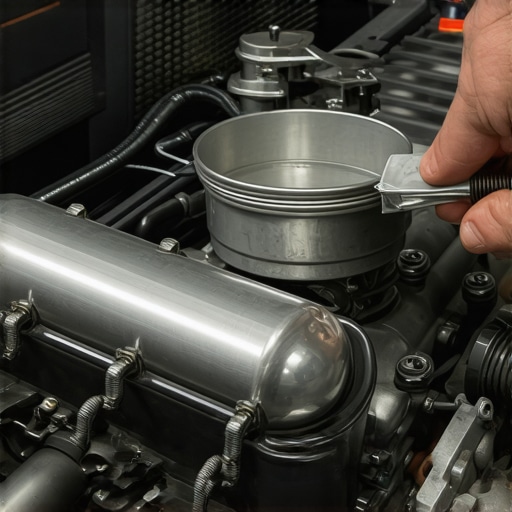
I remember the exact moment it hit me—my car started bucking just as I pulled up to the coffee shop. The engine was lurching unevenly, and I could feel my frustration bubbling over. It was one of those mornings where I just wanted smooth sailing, but instead, my vehicle felt like it was fighting itself. Turns out, a dirty throttle body was the culprit. That lightbulb moment made me realize how many drivers overlook this small but mighty component—and how it can mess with your ride’s smoothness, especially during idle.
The Struggle with Rough Idle Is More Common Than You Think
If you’ve ever experienced your car stalling at a stoplight or idling rough despite a recent oil change or maintenance, you’re not alone. Rough idling can be caused by a variety of issues, but a common offender is a clogged or dirty throttle body. This part controls how much air enters your engine, acting like a gatekeeper for your engine’s breath. Over time, carbon buildup and grime can accumulate, restricting airflow and causing that shaky, uneven idle we all hate. But here’s the good news—cleaning it is simpler than you might think, and it can restore your engine’s smoothness without expensive repairs.
When I first attempted to address my rough idle problem, I made a costly mistake: I ignored the basics and jumped straight to replacing parts I didn’t need. Early on, I learned that understanding how your throttle body works is crucial. Properly cleaning this component can be a game-changer, saving you money and headaches. Plus, regular maintenance can extend the life of your engine and improve fuel efficiency. To give you a clearer picture, I’ll walk you through the process step-by-step, so you can tackle this task with confidence. Before diving into the steps, though, let’s address some common worries.
Is Throttle Body Cleaning Actually Worth the Hype?
Absolutely. Neglecting a dirty throttle body can lead to poor acceleration, increased emissions, and even damage over time. According to automotive experts, a clean throttle body can improve your engine’s response and prolong its lifespan. The truth is, many people ignore this simple maintenance task because they think it’s complicated or unnecessary. But as I’ve discovered firsthand, it’s a quick, inexpensive fix that can make a real difference. Remember, the key is to do it correctly—boiling down to avoiding common mistakes like using harsh chemicals or skipping the delicate steps. If you’re curious about more ways to keep your vehicle running smoothly, check out our guide on essential auto repair strategies.
Now, let’s get to the fun part—how to clean that stubborn grime and bring back that silky smooth idle your car used to have. Ready? Here’s what you need to do.
Locate and Access the Throttle Body
Start your engine and open the hood. The throttle body is typically situated between the air filter box and the intake manifold. In my experience, removing the air intake hose is a simple task—just loosen the clamps with a screwdriver and slide the hose off. Once exposed, inspect it visually to confirm its condition. A dusty or greasy appearance indicates it’s time for a clean.
Remove the Throttle Body
Unplug the electrical connector attached to the throttle position sensor—be gentle to avoid damage. Next, unscrew the bolts holding the throttle body to the intake manifold using a socket wrench. During my last cleanup, I used a microfiber cloth to keep small debris from falling into the manifold. Keep track of the hardware to avoid losing any pieces.
Clean the Throttle Body Throttle Plate
Spray a carburetor or throttle body cleaner onto a lint-free cloth or soft-bristled brush—avoid harsh chemicals that could damage plastic components. Carefully wipe the throttle plate, paying attention to the edges where carbon buildup accumulates. When I did this, I used a wooden toothpick to gently scrape stubborn grime from hard-to-reach areas. Make sure the throttle plate moves freely after cleaning—sticking here can cause rough idle.
Prevent Damage and Ensure Proper Function
While cleaning, check the throttle linkage and sensors for signs of wear or damage. Use a clean cloth to wipe off any leftover residue, and avoid spraying lubricant unless specified. In my experience, lubricating the throttle shaft lightly can improve smoothness, but only with approved products. Remember, it’s crucial to reconnect all electrical connectors securely before reassembling.
Reinstall and Test
Place the throttle body back onto the intake manifold and tighten the bolts evenly to prevent warping. Reattach the electrical connection snugly. Once everything is in place, start the engine and let it idle. You might notice it revs a bit higher initially—this is normal as the ECU recalibrates. If needed, rev the engine gently to help the throttle position sensor learn the new position—improves idle stability.
Additional Tips for Best Results
Applying a throttle body cleaner is effective, but avoid using harsh abrasive tools or aggressive scrubbing that could scratch the surface. Regular cleaning—every 30,000 miles or so—helps maintain optimal airflow and prevents build-up. I tried this method on my car after noticing rough idle, and the difference was visible immediately—smooth acceleration and better fuel economy.
Why Regular Maintenance Matters
Think of your throttle body like a pair of lungs for your engine; when clogged, it’s like trying to breathe through a stuffy nose. Regular cleaning not only restores performance but also helps your engine’s control systems function accurately. For comprehensive auto maintenance tips, consider visiting our auto repair strategies page. Staying proactive now can save you from costly repairs later, and keeping your vehicle in top shape is easier than you think with this simple routine.
In the world of automotive maintenance, many drivers carry misconceptions that can lead to costly mistakes or neglect of critical issues. As an experienced auto technician, I’ve seen firsthand how these myths persist and how they can undermine your vehicle’s safety and longevity. Let’s dig deeper into some common misconceptions and reveal the nuanced truths behind them.
Are You Falling for the ‘More Frequent Is Always Better’ Myth?
One prevalent belief is that changing your oil every 3,000 miles is universally necessary, regardless of your vehicle’s specifications. In reality, modern synthetic oils and advancements in engine technology mean extended oil change intervals—sometimes up to 7,500 or even 10,000 miles—are perfectly safe and beneficial. Overchanging can cause unnecessary expense and environmental waste. Refer to this guide on oil change advancements for detailed insights. However, neglecting regular oil changes altogether is a mistake; the real nuance lies in understanding your vehicle’s specific needs, as outlined in the auto repair strategies.
Similarly, many believe that brake replacements are a matter of miles driven. While mileage is a factor, brake wear depends heavily on driving habits and environment. Aggressive braking, stop-and-go city driving, and driving on hilly terrain accelerate wear far more than highway cruising. Regular inspections are your best safeguard—don’t wait for the squeal to schedule a check. Our auto repair hacks highlight how proactive maintenance prevents surprises.
Common Pitfall: Believing Vehicle Diagnostics Are Always Accurate
Vehicle diagnostic tools have dramatically improved, but they are not infallible. Relying solely on a check engine light or a diagnostic scanner without proper interpretation can lead you astray. Sometimes, sensors give false positives or miss complex issues—like a subtle vacuum leak or early transmission wear—that are not immediately detectable through simple scans. As I often advise, combine diagnostics with manual checks and experienced assessment to get a complete picture. Pressing for a second opinion or advanced diagnostics, such as advanced vehicle diagnostics, can save you from costly repairs down the line.
Beware the ‘Quick Fix’ Trap When It Comes to Repairs
It’s tempting to attempt DIY fixes or opt for quick repairs advertised as instant solutions. However, oversimplification can mask underlying issues. For example, a slipping transmission might seem like a simple fluid change problem but could actually involve internal components or worn seals needing professional attention. Don’t fall into the trap of temporary patchwork treatments that delay proper diagnosis. Remember, thorough inspections and proper repairs, even if they take longer or cost more upfront, ensure safety and durability. Our brake service guide emphasizes the importance of proper procedures for critical safety components.
Ultimately, understanding these nuanced truths empowers you to make smarter decisions about your vehicle’s maintenance. Regular, tailored care based on accurate diagnostics and informed choices keeps your automobile running smoothly and safely. Have you ever fallen into this trap? Let me know in the comments and share your experiences!
Streamlining Your Auto Repairs with Precision Tools
Maintaining your vehicle’s peak performance requires more than just knowledge; it demands the right equipment. One of my go-to tools is the torque wrench. Unlike standard wrenches, it allows me to tighten bolts to manufacturer specifications, which is crucial for components like brakes and suspensions. I personally prefer digital torque wrenches because they provide precise readings and save me from over-tightening, which can cause damage. For instance, when reinstalling brake rotors, applying the correct torque prevents warping and ensures safety. Investing in a reliable auto repair hack like this saves time and reduces long-term repair costs.
Leveraging Diagnostic Software for Accurate Assessments
Modern vehicle diagnostics go beyond the basic check engine light. I rely heavily on advanced scan tools such as the OBDLink MX+. This compact device connects via Bluetooth to my tablet or smartphone and provides real-time data, code definitions, and live sensor readings. Personally, I use it to quickly pinpoint issues like misfires or sensor failures without guesswork. For example, diagnosing a subtle vacuum leak becomes much easier when I monitor MAF sensor readings directly, aided by this device. Coupled with software like OBD Fusion, it enhances diagnostic accuracy and speeds up repairs. As vehicle electronics evolve, integrating sophisticated tools like this is essential to keep up with the demands of modern auto maintenance.
Implementing Effective Preventive Practices
Long-term vehicle care hinges on routine checks and proactive measures. One method I swear by is monitoring fluid conditions regularly. For oil, I recommend using a microfiber oil test strip—it’s a quick way to assess oil quality and detect contaminants early. For coolant and brake fluid, simple color inspections can reveal degradation before critical failure. Consistent maintenance extends your vehicle’s lifespan and prevents costly breakdowns. Trend predictions suggest that automotive maintenance will increasingly leverage IoT and AI-based sensors to provide early alerts and diagnostics, making your job easier in the future. But until then, regular manual checks remain invaluable.
How do I maintain vehicle diagnostics over time?
To ensure your diagnostic methods stay accurate, keep your scan tools updated with the latest firmware, and familiarize yourself with vehicle-specific parameters. Regularly referencing manufacturer service bulletins can also alert you to recall issues or software updates. Incorporating routine software updates like those from decoding vehicle diagnostics resources ensures you’re using the most precise data available. Testing your diagnostic gear at least quarterly guarantees reliable readings, giving you peace of mind during repairs. As technology advances, staying ahead with these tools will be increasingly beneficial—so challenge yourself to perform a comprehensive diagnostic check this month.
Lessons No One Tells You About Auto Care
- Sometimes, the simplest solutions—like cleaning your throttle body—can save you hundreds and restore your vehicle’s smoothness. My mistake was ignoring these small but mighty maintenance tasks early on, which taught me the value of proactive care.
- We’ve been conditioned to think more frequent oil changes are always better, but modern synthetic oils have extended intervals. I learned to respect my car’s specific needs, which helped me avoid unnecessary expenses and environmental waste.
- Diagnostic tools are powerful, yet they’re not infallible. Combining technology with manual checks and experienced judgment has been a game-changer for me—the difference between a quick fix and a long-term solution.
- Investing in the right tools, like a torque wrench or advanced scan device, elevates your repair game. Personal experience showed me that quality equipment pays for itself in safety and peace of mind.
- Preventive maintenance isn’t just about avoiding breakdowns—it’s about extending your vehicle’s lifespan and saving money in the long run. Consistent, informed care has transformed my approach to auto ownership.
My Top Picks for Keeping Your Car in Top Shape
- Auto Repair Strategies from RepairMyCarPro—A comprehensive resource for tailored auto maintenance advice that I trust deeply based on hands-on experience.
- Advanced Vehicle Diagnostics Software—Tools like the OBDLink MX+ have been invaluable for quick, accurate assessments, saving me time and unnecessary repairs.
- Quality Tools—A reliable torque wrench ensures I meet manufacturer specs, preventing damage and ensuring safety—an investment I highly recommend.
- Educational Resources—The guides on auto repair strategies have empowered me to become more confident in my DIY maintenance skills.
Keep Moving Forward—Your Car’s Future Awaits
Taking control of your vehicle’s maintenance isn’t just about fixing problems—it’s about embracing a mindset of proactive care. The knowledge you gain today will keep your car running smoothly, safely, and economically tomorrow. Remember, every small improvement adds up to a better driving experience. So, get started, stay curious, and don’t shy away from learning new tricks that can make your auto journey more enjoyable. Are you ready to take the next step in mastering your vehicle’s health? Share your experiences or questions below—let’s learn together!