
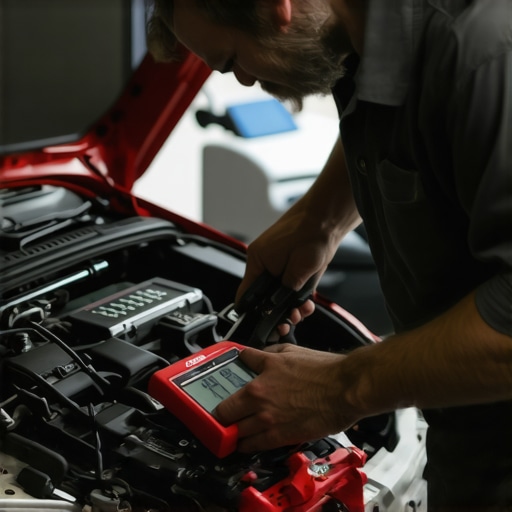
I remember the first time I experienced a misfire that left me scratching my head. My engine was running rough, but there was no check engine light, no codes—nothing to give me a clue about what was wrong. It was frustrating and a little alarming, especially since I depend on my vehicle every day. That lightbulb moment taught me an important lesson: some misfires are sneaky, not showing up in standard diagnostics, but they can still cause real damage if left unchecked.
Why Understanding Ghost Misfires Is a Game-Changer for Car Owners
If you’ve ever felt that uneasy sense their car isn’t running quite right, even though the dashboard shows no warning light, you’re not alone. These untriggered misfires can be caused by subtle issues like spark plug degradation, ignition coil problems, or fuel delivery inconsistencies that don’t set off error codes. Why does this matter? Because ignoring these hidden problems can lead to worse engine damage over time, higher repair costs, and unexpected breakdowns. Being able to diagnose these ghost misfires early can save you money and keep your vehicle reliable.
Is It Really Worth the Hassle? My Early Mistakes
I admit, my initial mistake was relying solely on my OBD-II scanner. I thought if the light wasn’t on, the engine was fine. Turns out, that’s a common misconception. Some misfires just don’t trigger a code, especially if they are intermittent or mild. This experience pushed me to dig deeper, exploring other diagnostic techniques and tools. To truly understand what’s happening beneath the hood, I had to go beyond the gadgets and use my senses—listening, feeling, and observational clues. Want to avoid the same pitfalls? For a comprehensive understanding, check out decoding vehicle diagnostics that can reveal what your car is secretly trying to tell you.
So, if your engine feels uneven, or if you’ve noticed subtle shakes or hesitation, but the light stays off, don’t dismiss it as simple quirks. The next step is learning how to detect these elusive misfires without relying solely on error codes. And that’s exactly what we’ll cover—arming you with the know-how to identify and tackle ghost misfires before they turn into costly repairs. Ready to get started? Let’s dive into the practical diagnostic steps that will make you feel like a pro.
Inspect the Spark Plugs and Ignition Coils
Begin by removing and examining your spark plugs. Look for signs of wear, carbon build-up, or damage. Use a spark tester to check if the coils are delivering consistent sparks. During my own experience, I found a slightly cracked coil that wasn’t triggering a code but caused subtle engine misbehaviors. Replacing the faulty coil restored smooth operation and prevented future breakdowns.
Perform a Fuel System Check
A clogged fuel injector or weak fuel pump can cause misfires without throwing codes. Listen for irregular engine sounds or note hesitation during acceleration. Using a fuel pressure gauge, verify that fuel delivery matches specs. I once cleaned a stubborn injector with a purpose-built cleaner, which eliminated inconsistent fuel spray and smoothed the engine’s running pattern.
Utilize a Stethoscope or Listen for Irregularities
Ghost misfires often have subtle signs. Use a mechanic’s stethoscope or press your ear near the engine during operation. Unusual knocking or tapping can point toward specific components. I detected a noisy valve lifter that, once replaced, alleviated the misfire symptoms that hadn’t lit up any error codes. This technique is akin to listening for a ticking watch in a noisy room—subtle clues reveal much.
Check for Vacuum Leaks or Intake Issues
Leaks in vacuum hoses or intake manifold gaskets can cause unmetered air to enter, leading to misfires. Spray carb cleaner around these areas while the engine runs; changes in RPM indicate leakage. In my case, a cracked vacuum line was the culprit. Replacing it stopped the erratic engine behavior and was a cost-effective fix.
Use an Advanced Diagnostic Scanner
Basic OBD-II scanners may miss intermittent misfires. Invest in a scanner capable of live data and freeze-frame analysis. Log engine parameters over time to spot patterns. I once used a more advanced tool, which highlighted sporadic misfire counts that weren’t visible with standard scanners. This insight guided me directly to a failing ignition coil that was playing hide and seek.
Monitor Engine Performance
After making adjustments or replacements, observe how the vehicle responds under different conditions. Drive in varied environments—highway, city, hilly terrain—and note any vibrations or hesitation. Document your findings to inform further diagnostics or share with a mechanic. I kept a small journal during testing, which revealed specific conditions that aggravated the misfire, leading to targeted repairs.
Embrace Preventive Maintenance
Regularly replacing spark plugs, coils, and fuel filters can prevent ghost misfires from occurring. Keep up with service schedules and use quality parts. My proactive approach, including routine oil changes (oil change upgrades), extended my vehicle’s lifespan and reduced mysterious engine issues.
Many car owners believe that following basic maintenance routines—like regular oil changes and brake inspections—is all that stands between their vehicle and trouble. While these practices are crucial, there’s a hidden nuance that often gets overlooked: the misconception that simple checklists are enough to keep a car running flawlessly. In reality, the deeper understanding of common misconceptions and advanced pitfalls can dramatically improve your auto repair outcomes.
Are Your DIY Fixes Actually Causing More Harm Than Good?
It’s tempting to think that replacing a worn brake pad or topping off your oil is foolproof. However, rushing these repairs without understanding the underlying causes can lead to premature failures. For example, many neglect that poor brake performance might stem from warped rotors or caliper issues rather than just pad wear. Addressing the root cause is essential for long-term safety and performance. Relying solely on surface fixes can trap you into a cycle of recurring problems, costing more in the long run. This is why smart repair strategies advocate for diagnostics that go beyond the obvious.
Furthermore, some believe that changing oil at a fixed interval is always beneficial, but recent studies highlight that modern synthetic oils often last longer than traditional recommendations—unless your driving habits or engine condition suggest otherwise. It’s a mistake to follow generic timelines blindly; instead, consider leveraging advanced diagnostics to assess oil condition and engine wear more accurately.
Myth: All Vehicle Diagnostics Tools Are Created Equal
Many car owners and even some technicians assume that a basic OBD-II scanner suffices. But in reality, this device often misses intermittent faults or subtle issues like ghost misfires. These elusive problems may not trigger a code but can cause significant engine damage over time. For example, a cracked ignition coil might misfire sporadically, slipping past standard diagnostics but showing up when using a live data scanner or advanced tech.
To truly understand your vehicle’s health, tapping into deeper diagnostic techniques is vital. Regularly checking engine parameters and learning how to interpret sensor data helps preempt costly repairs. Remember, advanced diagnostics can often reveal patterns that a simple code reader can’t, saving you money and stress.
What’s the Hidden Cost of Overlooking Small Issues?
Ignoring minor symptoms—such as a slight vibration or unusual noise—seems insignificant at first glance. However, these small issues often portend bigger failures. For instance, a minor wobble when braking could be a sign of warped rotors or uneven tire wear, which, if left untreated, can damage calipers or even compromise steering alignment.
This is why a comprehensive approach that combines visual inspections, listening checks, and diagnostic tools is recommended. Preventive actions based on early signs can extend your vehicle’s lifespan considerably and prevent unexpected breakdowns. Consider consulting top maintenance tips that emphasize early detection rather than reactive repairs.
In conclusion, the real secret to auto maintenance lies in understanding that appearances can deceive. Simple routines are essential, but delving into the nuances—like root causes, diagnostic depth, and early warning signs—makes all the difference. Have you ever fallen into this trap? Let me know in the comments and share your experiences with overlooked issues or advanced troubleshooting!
Prioritize the Right Equipment for Reliable Auto Care
Investing in high-quality, precise tools is crucial for maintaining your vehicle’s health over time. I personally rely on a digital multimeter like the Fluke 117, which allows me to accurately test circuits and sensors, ensuring my diagnostics are spot-on. For more complex issues, I use an advanced scan tool such as the Autel MaxiSys MS909, which provides live data streaming and deep-system analysis, enabling me to catch intermittent faults that basic scanners often miss. These tools have become indispensable in my routine maintenance, from checking engine sensors to diagnosing electrical gremlins.
Why I Recommend Specific Diagnostic Software
Beyond hardware, software like OBDLink’s software suite offers real-time monitoring and customizable alert setups. I favor it because it easily interfaces with smartphones and tablets, making diagnostics accessible and efficient. The ability to graph sensor readings over time helps me predict failures before they happen, especially with components prone to degradation like throttle bodies or oxygen sensors. Predictive maintenance software is shaping the future direction of vehicle upkeep, allowing proactive interventions instead of reactive repairs.
Long-Term Strategies for Maintenance Success
Routine oil analysis, utilizing kits such as Blackstone Labs, can reveal engine wear particles and contamination levels, guiding timely oil changes and part replacements. Regularly scheduled inspections, based on manufacturer advisories and my own monitoring data, keep critical components like brakes, belts, and hoses in check. For example, I now replace timing belts proactively—guided by the advice from decoding vehicle diagnostics—before they reach a failure point that could cause catastrophic engine damage.
Scaling Your Maintenance Routine
If you own multiple vehicles or operate a small fleet, investing in a centralized diagnostic system or software like Robio’s Fleet Management Suite can streamline all your data. Automated alerts for upcoming service milestones, combined with historical data analysis, allow for smarter scheduling, reducing downtime and costs. Future trends point toward integrating vehicle data with cloud-based platforms, enabling remote diagnostics and updates—an exciting development that can keep your vehicles in top shape with minimal hassle.
How Do You Keep Your Vehicle Ready for Anything?
Regularly updating your diagnostic tools and methods is vital. Make sure your scanner software is current, and consider adding modules for upcoming vehicle technologies like hybrid or electric system diagnostics. Don’t forget to calibrate sensors and test equipment periodically, ensuring measurement accuracy. For example, I recommend reading easy vehicle checks before major trips to prevent surprises. Try one advanced diagnostic tip—like monitoring live sensor data during start-up—to preempt issues and extend your vehicle’s lifespan. Consistent tool maintenance combined with proactive diagnostics guarantees long-term reliability and peace of mind.
Throughout my years of vehicle maintenance, I’ve learned that some of the most elusive problems—like ghost misfires—teach us invaluable lessons about patience, observation, and the importance of investing in the right diagnostic tools. Early on, I relied too heavily on standard error codes, assuming that if the check engine light stayed off, everything was fine. But as I discovered, the most sneaky misfires often operate beneath the radar, quietly risking engine damage. This realization pushed me to embrace more advanced diagnostic techniques and to trust my senses, leading to more effective repairs and greater confidence.
What I Wish I Knew About Hidden Engine Troubles
- The power of live data analysis can reveal intermittent faults that simple scanners overlook. Using advanced tools like the Autel MaxiSys MS909 transformed my approach, allowing me to catch subtle inconsistencies before they became costly repairs.
- Visual and auditory clues matter more than you think. Listening for unusual engine sounds with a mechanic’s stethoscope uncovered issues like faulty valves and cracked coils, saving me from future breakdowns.
- Preventive maintenance is your best ally. Regular checks of spark plugs, coils, and fuel injectors—alongside staying informed through detailed resources—can prevent ghost misfires altogether.
- Comprehensive diagnostics—combining visual inspections, sensor data, and contextual understanding—are essential. Relying solely on error codes is a mistake I learned the hard way.
- Investing in quality tools makes a real difference. I personally trust devices like the Fluke 117 multimeter for electrical checks, which have saved me from guesswork in troubleshooting electrical gremlins.
Tools and Resources That Changed My Approach
- Decoding Vehicle Diagnostics—a must-read for understanding what your car’s data signals truly mean.
- Auto Repair Hacks—helpful tips for smarter repairs and avoiding common pitfalls.
- Advanced Vehicle Diagnostics—software and hardware that elevate your troubleshooting game.
- Easy Checks Before Your Road Trip—prevent last-minute surprises during travel.
Your Next Step Towards Smarter Car Care
Empower yourself to identify and fix hidden engine issues before they escalate. The future of vehicle maintenance belongs to those who embrace technology, observe keenly, and stay proactive. Whether you’re a seasoned DIY enthusiast or just starting out, building your diagnostic toolkit and knowledge base can turn daunting repairs into manageable tasks. Remember, every minor misfire or subtle shake is a message from your vehicle—are you listening?
Have you ever struggled with diagnosing a ghost misfire without codes or lights? Share your experiences below and let’s learn together!