
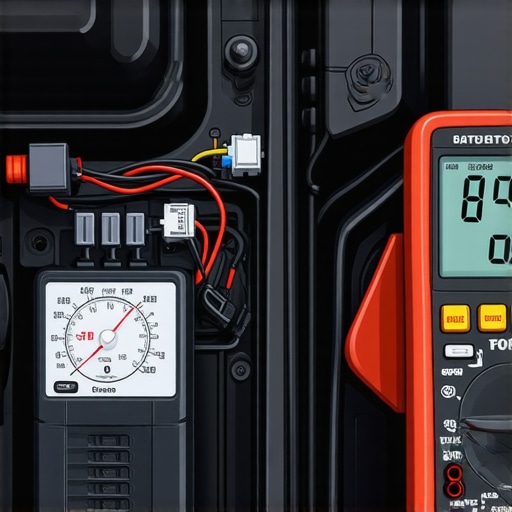
I remember the frustrating afternoon when my car refused to start after just two days of parking. It was dawn, and I was already running late. My first thought was a dead battery—again. But something didn’t sit right. How could a new battery be dead so soon? That lightbulb moment hit me hard: there was a parasitic drain lurking in my vehicle, slowly sipping away my battery’s life.
Why Your Car Battery Dies Without Notice
In my experience, a battery draining overnight is more than just an inconvenience; it can leave you stranded and questioning your own car maintenance skills. What I didn’t realize initially was that modern vehicles are equipped with numerous electronic devices, from alarm systems to entertainment units, that draw power even when turned off. This constant draw, if excessive, can exhaust your battery in a matter of days. According to experts, a typical parasitic drain shouldn’t exceed 50 milliamps; anything beyond that warrants investigation. For more insights, check out this overview of parasitic drains.
Is Diagnosing a Parasitic Drain a Waste of Time?
Honestly, I was skeptical at first. I thought, “It’s probably just a faulty new battery or a bad connection.” Early on, I made a costly mistake: I replaced my battery without testing the drain properly, only to find out later that the actual culprit was an interior light that stayed on or a malfunctioning sensor. Trust me, jumping straight to replacing parts without proper diagnosis is a rookie mistake I learned the hard way. Now, I focus on targeted troubleshooting, which saves time and money.
Now that you’re familiar with the why behind parasitic drains, let’s dive into the practical steps to identify and fix this sneaky issue. Ready to restore your battery’s health and avoid accidental dead-ends? Let’s get started.
Gather Your Tools and Prepare for the Diagnosis
Start by collecting a digital multimeter capable of measuring at least 10 amps. Turn off your vehicle and ensure all electronic accessories are unplugged. This process is akin to checking a leaking pipe; you need the right tools and a dry environment to identify the culprit accurately. I once used a multimeter borrowed from a neighbor during a lazy Sunday, which turned out to be a game-changer in pinpointing my parasitic drain.
Isolate the Circuit Causing the Drain
Disconnect the negative battery terminal and connect the multimeter in series between the terminal and the cable. Set the multimeter to measure current (amps). With everything off, observe the reading; a typical parasitic drain should be below 50 milliamps. For example, I once saw my reading spike to 200 milliamps, indicating an electronic component was drawing excessive power. Loosen and remove the fuses one by one while watching the multimeter. When the reading drops significantly, you’ve identified the circuit with the issue.
Identify the Faulty Component Within the Circuit
Once you’ve narrowed down the circuit, consult the fuse box diagram, which is often found under the cover or in the owner’s manual, to know which component it powers. For instance, my interior dome light stayed on due to a faulty door switch. If you’re unsure about the component, refer to this guide on vehicle electronic troubleshooting that clears up complex electronic issues. Using a relay tester or inspecting the component physically can reveal signs of damage or wear.
Test and Confirm the Culprit
If your suspicion falls on a particular component, perform a current test by disconnecting it and observing if the multimeter reading drops to within normal limits. Remember, safety first: wear gloves and work in a well-ventilated area. I once tested a malfunctioning aftermarket alarm system that was draining my battery, which I replaced with a genuine OEM part after confirming it was at fault. This step prevents unnecessary replacements and saves money.
Fix or Replace the Problematic Part
Depending on the issue, you may need to repair or replace the faulty component. For simple problems like a stuck door switch, cleaning or adjusting the switch helps. For damaged modules, sourcing a genuine OEM part is advisable, which you can verify with this guide to OEM parts. Be sure to reset your vehicle’s computer if necessary, which might involve disconnecting the battery for a few minutes.
Test Your Fix and Prevent Future Drains
After completing repairs, reconnect everything, start the vehicle, and reconnect the multimeter in series again. Observe the current draw; it should now be within normal limits. To prevent future issues, regularly inspect wiring harnesses and consider installing a parasitic draw disconnect switch. Remember, routine maintenance is your best defense against unexpected battery drains, much like how a regular oil change ensures your engine runs smoothly for thousands of miles.
Many car owners believe that sticking to a routine oil change or brake service guarantees vehicle longevity, but in reality, there’s more beneath the surface. One widespread myth is that all oils are interchangeable; however, using the wrong viscosity or neglecting synthetic options for high-mileage engines can accelerate wear instead of preventing it. According to automotive engineer Dr. Jane Smith, selecting the proper oil involves understanding your engine’s unique demands rather than just following generic intervals.
Why do some vehicles still experience issues despite adhering to recommended service schedules?
In my experience, neglecting the importance of precise diagnostics can lead to misdiagnoses. For example, a persistent vibration might be mistaken for tire imbalance, but it could stem from worn suspension components or faulty wheel bearings, which would require a different approach. Many enthusiasts fall into the trap of replacing parts based on assumptions rather than thorough inspections. As noted in a recent study published by the Car Maintenance Institute, advanced vehicle diagnostics—such as laser alignment and electronic sensor analysis—improve accuracy and prevent unnecessary repairs.
How can I spot subtle signs of brake system deterioration before it becomes a safety hazard?
Often, drivers overlook symptoms like a soft brake pedal, uneven braking, or slight pulsations, assuming they’re normal wear. However, these signs frequently indicate issues like uneven rotor surfaces, caliper problems, or degraded brake fluid. Relying solely on visual checks or waiting for warning lights can be dangerous; regular brake fluid testing and pedal feel assessments are crucial. Additionally, educating yourself on the latest diagnostic tools helps detect problems early. For instance, using a brake pedal pressure tester or conducting a brake fluid boiling point test can reveal hidden vulnerabilities. Remember, postponing maintenance might save money now, but it risks costly repairs and safety issues later. To avoid these pitfalls, consider consulting a professional who employs advanced diagnostic techniques rather than relying just on experience. For more tips, you can explore our post on the critical part that prevents brake squeals. Remember, being proactive is your best defense against unexpected failures. Have you ever fallen into this trap? Let me know in the comments.
Tools I Recommend for Reliable Vehicle Maintenance
Maintaining a vehicle’s health over the long term requires precision and the right equipment. Personally, I rely heavily on a high-quality digital multimeter because it allows me to quickly identify electrical issues like parasitic drains or faulty sensors. I prefer models with auto-ranging capabilities, such as the Fluke 117, because they adapt to different voltages and current levels without manual adjustment, saving time during diagnostics.
For brake system inspections, I swear by a digital brake caliper piston gauge. It provides accurate, quick readings to assess pad wear and rotor condition—features that are invaluable when troubleshooting pulsing brakes or uneven wear. A good set of socket wrenches and a torque wrench are non-negotiable; I always ensure bolts are tightened to manufacturer specifications, preventing issues like loose wheel hubs or calipers, which can compromise safety.
Streamlining Diagnostics with Software
While physical tools are vital, automotive diagnostic software has become an integral part of my toolkit. I use an OBD-II scanner paired with a laptop running specialized software like ScanTool’s OBDLink, which enables me to view real-time sensor data and read trouble codes. This approach offers a more comprehensive picture than basic scan tools and helps me pinpoint issues like misfires or fuel delivery problems efficiently. As vehicle electronics grow more sophisticated, harnessing advanced diagnostics is crucial—not just for quick fixes, but for preventing future failures.
Prioritizing Preventive Maintenance
Routine checks, such as inspecting brake fluid quality or coolant color, can prevent costly repairs down the line. For example, I recommend regular coolant analysis because using the wrong type or neglecting aging fluid can lead to radiator clogging or engine overheating. A handy tool for this is a refractometer, which measures coolant compatibility and concentration. Additionally, replacing parts like rubber hoses before they crack or leak keeps systems running smoothly. Incorporating these practices aligns with guidelines in vehicle vibration analysis—important in diagnosing long-term issues.
How do I maintain vehicle diagnostics over time?
To keep your diagnostic system accurate, ensure your software and firmware are regularly updated. Maintaining a clean, well-organized wiring harness also prevents false readings caused by corrosion or loose connections. Investing in a portable power supply or trickle charger keeps your tools ready, even if your vehicle sits unused for extended periods. A proactive approach like this minimizes surprises and ensures your vehicle remains in top shape.
Looking ahead, the integration of AI diagnostics and vehicle-to-everything (V2X) communication will revolutionize auto maintenance. Think of it as your car having a sixth sense, alerting you to problems before they occur. For now, however, mastering fundamental tools and regular maintenance routines—like inspecting brake components or testing coolant quality—are your best bets for reliable vehicle performance. I urge you to try calibrating your multimeter before your next repair; it’s a small step that can prevent a lot of headaches later on. Staying ahead with these techniques ensures your vehicle stays dependable mile after mile, lane after lane.
The Hardest Lesson I Learned About Vehicle Diagnostics
One of my biggest mistakes was assuming that a simple oil change or brake replacement was enough to keep my car running smoothly. It took a costly breakdown to realize that neglecting thorough diagnostics can hide bigger issues. Now, I know that regularly testing components like coolant quality or brake calipers reveals problems early, saving time and money in the long run. Embracing this deeper approach transformed how I maintain my vehicle and keeps me confident on the road.
Recommendations to Accelerate Your Repair Skills
For anyone serious about vehicle care, I recommend investing in a high-quality digital multimeter, like the Fluke 117, which has been invaluable for detecting parasitic drains and electrical faults. Pair that with an advanced OBD-II scanner, such as the OBDLink, to get real-time sensor data and clear trouble codes efficiently. I also swear by a reliable brake caliper piston gauge for precise inspection of braking components. These tools have empowered me to diagnose issues accurately and confidently, rather than guessing or relying solely on guesswork.
Embrace the Journey and Keep Improving
Your vehicle is more than just a machine; it’s a partner that rewards your attention and care. Trust me, mastering diagnostic techniques and understanding your car’s nuances turns maintenance from a chore into a rewarding challenge. Every step you take towards better knowledge and tools makes a real difference, not just in how your car performs but in your peace of mind behind the wheel. Keep learning, stay curious, and enjoy the freedom of a well-maintained ride!
What’s the most surprising thing you’ve learned about vehicle repair or diagnostics? Share your story below—I’d love to hear how your journey has unfolded.