
I remember the first time my steering suddenly felt off, and I was stuck wondering if I was just imagining things or if my car was about to give up on me. It hit me hard—I had no clue how to determine whether that shaky feel was a sign of a serious problem or just a normal wear-and-tear sensation. That lightbulb moment made me realize how important it is to identify issues early, especially when it comes to critical suspension components like ball joints. The good news? You don’t need fancy tools or a mechanic to tell if your ball joints are toast. Sometimes, a simple bounce test can reveal a lot.
Why a Quick Bounce Test Might Save You a Come-Unscrewed Repair Bill
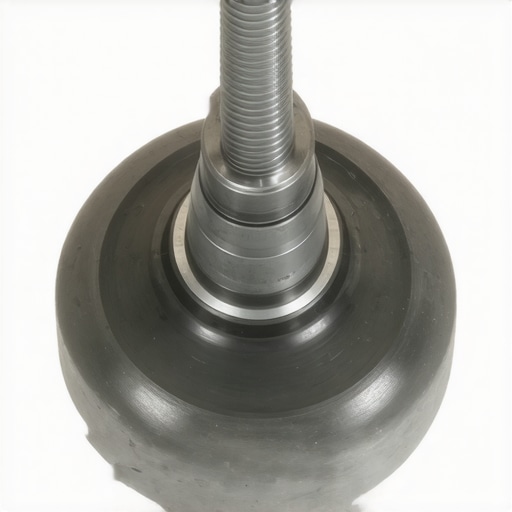
Ball joints are often called the heart of your suspension system because they connect your wheels to the rest of the vehicle and allow for smooth steering and handling. When they go bad, your car’s stability and safety are compromised. Unfortunately, these issues can develop gradually, and by the time symptoms become obvious—like uneven tire wear or steering wobble—serious damage might already be lurking.
This is why I swear by the bounce test—a simple, effective way to gauge your ball joints without any special equipment. All you need is a little patience and a sense of feel. If your vehicle is jacked up or even just parked on a flat surface, give it a gentle bounce up and down on each corner. If you notice excessive play, knocking sounds, or the suspension bouncing more than expected, it’s time to dig deeper. I’ve learned that catching bad ball joints early can prevent costly repairs later, not to mention keep you safe on the road.
Is Your Car’s Bounce Test Really Worth the Hype?
Now, here’s where many get skeptical. Can such an innocent-looking bounce really tell you everything? Honestly, I made the mistake early on of relying solely on visual inspections—only to find out later that some problems hide behind the wheels. The bounce test, while simple, works best when combined with other clues like handling issues and uneven tire wear. Still, it’s a handy tool in your auto repair toolkit, especially when you’re trying to diagnose problems yourself. And if you’re serious about saving money and avoiding breakdowns, check out decoding vehicle diagnostics for more tips on understanding what your car’s symptoms mean.
So, if you’ve ever experienced that unsettling feeling of your vehicle bouncing more than usual or making odd knocking sounds, you’re not alone. The question is—are you ready to learn how to spot a bad ball joint on your own? Let’s explore how a simple bounce can reveal more than you might think.
Position Your Vehicle Safely and Prepare for Inspection
Start by parking your car on a flat, level surface and engage the parking brake. Use wheel chocks if available to prevent any rolling. For better access, lift the vehicle with a hydraulic jack and secure it with jack stands, especially if you plan to test each corner carefully. Remember, safety first—never crawl under a vehicle that isn’t properly supported. I once overlooked this and nearly had a mishap, which reminded me why precautions are essential before diving into diagnostics.
Locating Your Suspension Components for an Accurate Check
Identify the suspension points near each wheel, focusing on the lower ball joint—it’s usually connected between the steering knuckle and control arm. Look for any signs of excessive grease, torn boots, or rust. Having the right spot in mind ensures you don’t waste time guessing which component is involved. Once properly positioned, it’s time to execute the bounce test to assess the condition of the ball joints.
Executing the Bounce Test with Precision
Apply Gentle, Controlled Force
Place your hands on the fender or the side of the vehicle above the wheel. Gently push down and then pull up, feeling for any excessive movement or knocking sounds. If your vehicle feels unstable or you hear a clunk, that’s a red flag indicating worn ball joints. I once applied too much force during this step and caused a small misalignment, so gentle, controlled pressure is key. This test mimics the stress the suspension endures on rough roads, revealing underlying issues without needing specialized tools.
Observe the Suspension Behavior and Sounds
While performing the bounce, listen for knocking or squeaking noises—these are often signs of compromised joints. Also, watch for the suspension bouncing more than one or two times after releasing pressure—excess bounce indicates worn components. After my first attempt, I noticed the car bounced excessively, which prompted me to inspect further or seek professional help. Remember, this simple test acts as an initial screening—if in doubt, follow up with a detailed inspection or consult an expert.
Document Signs That Warrant Further Action
Keep a mental or written note of any abnormal movements, noises, or excessive bouncing. If you observe any issues, combine this with other symptoms like uneven tire wear or steering wobble for a comprehensive diagnosis. For a broader understanding of vehicle health, consider exploring decoding vehicle diagnostics. This knowledge can help you judge whether the problem is limited to ball joints or signals a more complex suspension concern.

Many car owners believe they have a firm grasp on vehicle maintenance, but there’s a lot of misunderstood nuance that can trip you up. One common myth is that a visual inspection alone suffices to diagnose issues, yet experts like automotive engineers emphasize that many internal problems evade surface-level checks. For example, a worn ball joint might look fine externally but cause significant handling issues, which only a thorough diagnostic can reveal.
Another misconception revolves around routine services like oil changes. Many think that simply changing the oil is enough to keep the engine healthy, but neglecting to address hidden contaminants or using subpar filters can lead to long-term engine damage. Studies have shown that using high-quality filters and synthetic oils can prolong engine life significantly, proving that what lies beneath the surface matters as much as the change itself.
Delving into brake service, a common mistake is to ignore subtle signs of wear, such as a faint squeak or slight pedal pulsation, assuming they’ll resolve with a routine check. However, failing to recognize early signs of brake pad or rotor degradation can result in compromised safety and costly repairs. Proper diagnosis requires not only inspecting visible components but also understanding the underlying mechanics, such as brake fluid condition and caliper function.
So, how do we avoid these pitfalls? The key is adopting a comprehensive diagnostic approach that combines visual checks with advanced tools like scanner diagnostics and knowledge of common failure patterns. Tools such as decoding vehicle diagnostics can help interpret error codes and sensor readings, giving you a deeper understanding of the car’s health beyond what’s immediately visible.
Now, one advanced question worth pondering is: How can understanding vehicle electronics and sensor behavior prevent costly misdiagnoses? Recognizing that many modern issues stem from faulty sensors or wiring rather than mechanical failures is crucial. For instance, a failing ABS sensor might cause braking instability, but it can be easily overlooked if one relies solely on visual inspection. Experts recommend integrating both traditional inspections and electronic diagnostics for a holistic view.
Remember, relying on superficial checks is like trying to diagnose a complex medical condition with just a glance—you’re likely to miss the deeper issue. Adopt a strategy that combines multiple diagnostic layers to ensure safety and longevity for your vehicle. Want to learn more about the strategies that can save you money and prevent breakdowns? Explore advanced vehicle diagnostics for a comprehensive guide.
Have you ever fallen into this trap? Let me know in the comments and share your experiences with surprising repairs or diagnostic surprises.
Essential Tools for Reliable Vehicle Maintenance
To keep your vehicle running smoothly over the long haul, investing in the right diagnostic and repair tools is crucial. I personally rely on a quality code scanner like the Autel Maxisys MS908S, which provides comprehensive OBD-II diagnostics, allowing me to interpret error codes accurately and even clear them without visiting a mechanic. This device bridges the gap between casual DIY efforts and professional diagnostics, giving me insights into complex issues like sensor failures or transmission glitches.
For less complex tasks, I recommend a good multimeter. It’s invaluable for checking electrical components, testing batteries, and verifying sensor outputs. When diagnosing issues such as engine misfires or inconsistent accessory operation, having a multimeter on hand has saved me multiple trips to the repair shop. The key is choosing a device with a wide voltage range and precise readings; I use the Fluke 115 for its reliability and user-friendly interface.
Maintaining Tools and Extending Their Effectiveness
Equipment like scan tools and multimeters require proper care to ensure they stay accurate. Regular calibration and storage in protective cases prevent damage, which is critical when troubleshooting subtle issues like vacuum leaks or sensor drift. I also utilize software updates for my diagnostic tools, ensuring they can interpret the latest vehicle codes—something I check regularly on the manufacturer’s websites. Keeping your tools well-maintained guarantees long-term accuracy and saves money on replacements or repairs.
Where Do Modern Tools Lead Us Next?
Looking ahead, vehicle diagnostics are becoming increasingly digital, moving toward wireless connections and cloud-based data analysis. I predict that integrated smartphone apps and OTA (over-the-air) updates will empower drivers more than ever, enabling proactive maintenance and real-time troubleshooting. Staying at the forefront means investing in adaptable, software-enabled equipment, which can evolve alongside vehicle technology.
How do I keep my diagnostic tools functioning reliably over time?
To ensure longevity, I recommend regularly updating the software on your diagnostic devices, calibrating sensors, and properly storing equipment when not in use. Additionally, supporting your tools with dedicated, clean power sources can prevent inaccuracies caused by voltage fluctuations. My routine includes monthly checks and firmware updates, which keep my equipment performing at peak accuracy. Familiarizing yourself with manufacturer guidelines and investing in quality brands like Bosch or Snap-on can make a significant difference—this practice has saved me from misdiagnosing complex issues and unnecessary repairs. Want to master advanced diagnostics? Try updating your scanner’s firmware today and see how it enhances your troubleshooting accuracy. For detailed guidance, visit this resource.
One of the most empowering moments in auto maintenance for me was realizing that few issues are as invisible as they seem. The secret often lies beneath the surface, in electronics and subtle mechanical signs. Embracing this perspective transformed my approach from reactive repairs to proactive health-checks, enabling me to catch problems early and save money along the way.
The Hidden Power of Small Clues in Vehicle Diagnostics
When I first started paying attention to my car, I was overwhelmed by complex manuals and endless troubleshooting guides. But over time, I learned that paying close attention to minor symptoms—like a slight vibration, odd smells, or changes in engine behavior—could reveal much about hidden issues. For example, sporadic electrical glitches often point to wiring problems that are easy to overlook if you only focus on the obvious.
Why Your Intuition About Car Health Matters More Than You Think
Trusting your instincts during routine checks can be a game-changer. If your gut tells you something’s off—like a shift in steering feel or uneven tire wear—don’t dismiss it. Combining your intuition with simple diagnostics, like the bounce test I discussed earlier, provides a more complete picture. Over time, this habit has saved me from major repairs by catching issues before they escalate.
Detecting Problems Before They Become Emergency Repairs
Learning to interpret the signals your vehicle sends can prevent breakdowns. For instance, listening carefully for unusual noises or noticing subtle handling changes can hint at ball joint wear or suspension issues. Regularly inspecting these signs transforms your car diagnostic skills from guesswork into confident, informed actions. For more on how to develop this skill, check out this guide to vehicle diagnostics.
Unlocking New Potential with My Trusted Tools
Over the years, I’ve come to rely on a few key tools that enhance my diagnostic capabilities. A quality OBD-II scanner, such as the Autel Maxisys MS908S, provides invaluable insights into engine and transmission health—saving me trips to the mechanic. Pairing this with a reliable multimeter like the Fluke 115 allows for quick electrical troubleshooting. These tools have become extensions of my hands, empowering me to diagnose more confidently and accurately. For a deeper dive into building your own auto repair toolkit, explore this recommended toolkit list.
Changing the Way We Approach Auto Maintenance
The real magic happens when we shift from reactive repairs to a mindset of continuous monitoring and early detection. Modern diagnostics devices and software updates are making this easier than ever. Staying informed and proactive not only extends your vehicle’s lifespan but also turns your car into a trusted partner that communicates with you. If you’re curious about maximizing your diagnostic setup, consider exploring advanced vehicle diagnostics options.
Share Your Journey Towards Smarter Maintenance
Have you experienced that lightbulb moment when you caught an issue early? Or perhaps you’ve developed your own set of go-to diagnostics that saved the day? I’d love to hear your stories and tips. Sharing our experiences helps us all become better at keeping our vehicles safe and reliable. Drop a comment below and let’s continue this journey of smarter auto care together!