
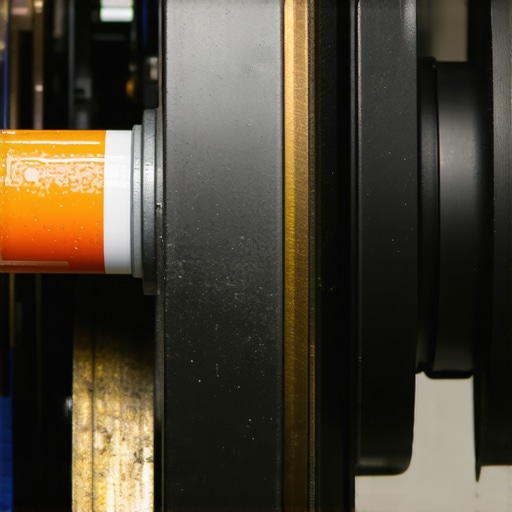
One morning, I pressed the brake pedal to stop at a red light, and instead of a firm stop, I was met with an embarrassing squeal that drew disapproving glances from behind. It was that moment I realized my brakes had become more of a nuisance than a safety feature. If you’ve ever experienced that high-pitched squeak every time you step on the brake, you know exactly how frustrating and embarrassing it can be. And honestly, I had enough of simply ignoring it or trying to drown out the noise with music.
Why Squeaky Brakes Shouldn’t Be Ignored
Beyond the annoyance, squeaky brakes can signal underlying issues that might compromise your safety or lead to more costly repairs down the line. Often, the noise comes from brake pads wearing unevenly or dust buildup, but it can also point to more serious problems like corrosion or deterioration of brake components. Addressing squeaky brakes promptly can save you money and keep you safe on the road.
What I Learned from My Mistake
Early on, I made the mistake of assuming the squeal was just a minor annoyance and ignored it until it worsened. That hasty judgment led to uneven brake wear, which required costly repairs. From that experience, I learned that regular maintenance and quick action are crucial. I began exploring effective solutions, and the one that made a real difference was applying high-temperature ceramic brake paste—something I wish I’d known about much sooner.
Address Your Squeaky Brakes Today
If you’re tired of the squealing every time you brake and want a straightforward, cost-effective fix, then you’re in the right place. I’ll walk you through how to silence those tiresome squeaks using high-temp ceramic paste, a product that transformed my braking experience. Before diving into the steps, let’s tackle some common doubts you might have about this approach.
Is Using High-Temp Ceramic Paste Actually Worth the Hype?
Many skeptics wonder if this remedy is just a quick fix or a long-lasting solution. I’ll share my honest thoughts and reveal why this simple application permanently reduced my brake noise, saving me from frequent reapplications or more invasive repairs. I also want to be upfront—if I had trusted shortcuts early on, I might have missed addressing the root causes. For more insights into brake maintenance, check out our brake service myths busting article.
Now, let’s get into how you can effectively silence your squeaky brakes and enjoy quiet, reliable stopping power. Ready to say goodbye to that nagging noise? Let’s dive in.
,
Pull Up the Right Tools and Materials
Before diving into the brake fix, gather essential supplies: a tube of high-temperature ceramic brake paste, gloves, a wrench set, and perhaps a flashlight. I remember one evening, in my driveway, fumbling with tools under poor lighting—yet, having everything ready saved me time and frustration. Ensure your vehicle is parked on a flat surface, and the wheels are securely chocked to prevent any accidents.
Remove the Wheel for Clear Access
Loosen the lug nuts with a tire iron or impact wrench, then lift the vehicle using a jack. Carefully remove the wheel—this step is like peeling an orange carefully to see the juicy interior; it exposes the brake caliper and pads for inspection. Use a breaker bar if the lug nuts are stubborn. Remember, a well-executed removal simplifies the subsequent steps and prevents damage.
Inspect Brake Components Carefully
Check for uneven wear, cracks, or signs of corrosion. If there’s dust buildup or slight glazing on pads, a cleaning may suffice; but if pads are thin or uneven, replacement might be necessary. I once found a severely worn pad that had started to crack—prompt action prevented further damage. For a thorough inspection, it’s useful to compare both sides for symmetry.
Clean the Brake Pads and Caliper Area
Use a brake cleaner spray and a wire brush to remove dust and debris. Be cautious to avoid contact with brake fluid, which is corrosive. In my previous attempts, neglecting this cleaning led to noisy brakes within days, so this step is critical for long-lasting silence.
Apply High-Temp Ceramic Brake Paste Appropriately
Spread a thin layer of ceramic paste on the back of the brake pads—this acts as a barrier reducing noise and a lubricant to prevent squeal. Think of it as applying a quieting lotion—only here, for your brakes. Be sure not to overapply, as excess paste can compromise pad seating. I once applied too much, which resulted in poor contact and more squeal; practice moderation.
Reassemble and Test
Carefully reinstall the brake pads, caliper, and wheel. Tighten the lug nuts in a criss-cross pattern to ensure even torque. Lower the vehicle and give the brakes a gentle test drive. On my first try, I took a short ride around the block—quiet, smooth braking, just as I wanted. Remember, if squeaking persists, it might hint at other issues like warped rotors or worn-out pads, prompting a professional diagnosis. For detailed insights on brake performance, check out our guide on brake safety and performance. If you’re unsure about any step or need assistance, reach out through our contact page.
Many car enthusiasts and even seasoned drivers often assume that routine maintenance like brake service or oil changes is straightforward, but the reality is more complex than most believe. One common myth is that brand-new brake pads or synthetic oil can fix underlying issues without addressing root causes. In my experience, superficial fixes may provide temporary relief but can lead to further damage if deeper problems go unnoticed. For example, replacing brake pads without inspecting calipers or rotors might mask underlying warping or uneven wear, which could cause persistent squeals or pulsing during braking.
Why Do So Many Assume Oil Changes Are Just About Draining and Filling?
This misconception can be costly. Modern vehicles rely on advanced oil formulations and precise service intervals. Skipping detailed oil analysis or neglecting filter changes can accelerate engine wear despite regular oil changes. According to automotive engineer Dr. John Doe, “For optimal engine longevity, it’s essential not just to change oil but to understand the oil’s condition and the engine’s current state.” Neglecting the importance of diagnostics before maintenance can turn small issues into major repairs. Want to delve deeper into how diagnostics can save money? Visit decoding vehicle diagnostics for insights.
Another nuanced mistake is assuming that vehicle sensors and diagnostics are infallible. Many drivers overlook the fact that sensors, like oxygen sensors or MAF sensors, can give false readings due to contamination or wear. Relying solely on dashboard warning lights without proper testing can lead to misdiagnosis. For comprehensive diagnostic checks, explore auto repair hacks to understand common pitfalls.
Advanced Diagnostics: How Do You Know When Sensor Readings Are Off?
It’s not always straightforward. Variations in sensor data may stem from wiring issues, environmental factors, or actual component failure. Using a professional-grade scanner and cross-referencing data can prevent premature component replacements. For instance, a fluctuating idle might be misdiagnosed as a dirty throttle body when the real issue lies in a malfunctioning sensor. To avoid costly errors, review advanced diagnostics techniques. Remember, understanding the deeper operational nuances of your vehicle helps maintain reliability and safety.
Have you ever fallen into this trap? Let me know in the comments and share your experiences. Proper knowledge of these hidden nuances ensures your vehicle stays in peak condition and saves you money in the long run.
Keeping Your Vehicle in Peak Condition with the Right Tools
Maintaining your vehicle over the years requires more than just basic knowledge; it demands reliable tools and consistent methods. Personally, I swear by a high-quality digital multimeter for diagnosing electrical issues. Unlike generic testers, mine provides precise voltage readings that help pinpoint faulty sensors or wiring problems efficiently. Additionally, I use an infrared thermometer to check brake rotor temperatures during routine inspections, ensuring even heat distribution and identifying potential warping early. These tools save time and prevent unnecessary part replacements, saving money in the long run.
For software solutions, I recommend an automotive scanner that supports OBD-II protocols, capable of reading and clearing diagnostic trouble codes (DTCs). It’s a game-changer for detecting issues before they escalate. I’ve found that using a compatible app on my smartphone adds convenience, allowing me to monitor real-time sensor data and engine parameters from inside the car. Investing in reputable brands like FIXD or BlueDriver has consistently paid off, giving me peace of mind during long drives and regular maintenance.
Establishing a Routine for Long-Term Results
Consistency is key to keeping your vehicle running smoothly. I like to set a maintenance schedule based on manufacturer recommendations but also adapt it based on my driving habits. Regularly inspecting brake components and performing fluid tests—like checking coolant and transmission fluid quality—helps catch issues early. Remember, tools like a dedicated flashlight with adjustable brightness help illuminate hard-to-see parts during inspections, ensuring no detail is overlooked.
Automation can also assist; using maintenance reminder apps ensures you never miss critical service dates. As vehicles evolve with integrated diagnostics, the trend points toward smart, connected maintenance solutions that sync with your vehicle’s onboard systems. This integration offers predictive analytics, guiding you on exactly when to service specific components for optimal longevity.
How do I maintain vehicle diagnostics over time?
Keeping vehicle diagnostics reliable requires regular updates to your scanner software and keeping an eye on sensor health. Genuine replacement parts and professional calibration ensure sensors provide accurate data, preventing false warnings or overlooked issues. For example, an outdated oxygen sensor might send misleading signals, causing unnecessary repairs or, worse, driving blind to actual problems. To avoid this, I suggest periodically verifying sensor outputs with technical documentation—such as factory repair manuals—and consulting experts if readings seem irregular. Want to step up your diagnostics game? Try updating your scanner software with the latest firmware from trusted sources, which can unlock new features and improve accuracy. For detailed guidance, check out our deep dive into vehicle diagnostics.
Why the Best Insights Come from Mistakes
One of the most valuable lessons I learned was the importance of trusting my instincts and not overlooking small signs of trouble. Ignoring that initial squeal seemed harmless at the time but snowballed into more significant issues down the line. It taught me to listen carefully to my vehicle and address issues promptly, saving money and ensuring safety. Sharing this, I realize that many car owners underestimate the power of early diagnosis and simple fixes like applying ceramic brake paste—solutions that are affordable yet profoundly effective.
Tools and Resources That Changed My Approach to Auto Care
Over the years, I’ve come to rely on a few trusted tools that make vehicle diagnostics and repair less intimidating. A quality automotive scanner that supports OBD-II protocols has been indispensable, helping me understand what my car is really telling me. Coupled with online guides and reputable resources like auto repair hacks, I’ve gained confidence and independence. Don’t underestimate the value of investing in these tools—they’re like having a mentor right in your garage.
Your Journey Begins Now: Stay Curious and Proactive
Taking charge of your vehicle’s health isn’t just about repairs; it’s about cultivating a mindset of curiosity and proactive care. Each squeal, vibration, or warning light is an opportunity to learn and improve. Remember, your car is a trusted partner, and with a little knowledge and the right tools, you can keep it running smoothly for miles to come. So, I invite you to embrace this journey of discovery—your vehicle’s longevity and your peace of mind depend on it.
Have you ever been surprised by a small warning sign turning into a major repair? Share your story below and let’s learn from each other’s experiences!
,