
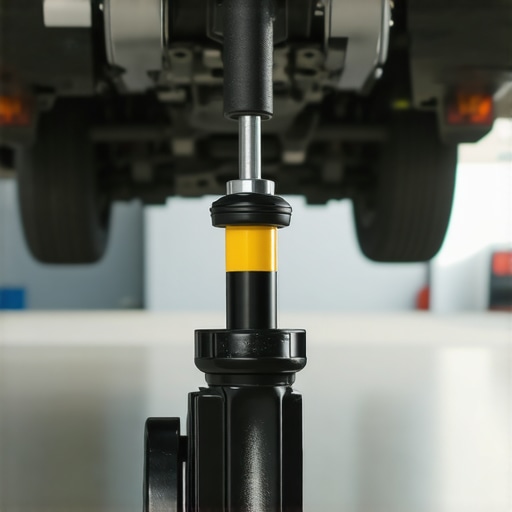
I will never forget the rainy Tuesday my old sedan decided it wanted to steer itself into the neighbor’s hydrangea bush. Every time I hit a small dip, I heard this sickening clunk that felt like the front wheel was about to liberate itself from the chassis. I spent two weekends and way too much cash on parts I did not need because I could not figure out where the play was coming from. It was not until I grabbed my trusty floor jack and used a simple leverage trick that the ‘invisible’ problem finally showed its face.
Your Steering Should Not Feel Like a Suggestion
If your car has started acting like it has a mind of its own, you are not alone. A worn-out ball joint is more than just an annoyance; it is a critical safety hazard. These tiny spheres of steel are the only things holding your steering knuckles to your control arms. When they fail, the results are catastrophic. This wear and tear is a major reason why your car wanders across the lane on the highway. I used to think I just needed a simple alignment, but learning how to tell if your car is out of alignment by looking at your tires will not help you if the joint itself is flopping around in its socket. We are going to solve this today by using essential auto repair strategies for frequent drivers that I have honed over years of greasy knuckles.
Is This DIY Test Actually Worth the Risk?
You might be worried about jacking up your car and poking around. It is a valid fear. I remember early on, I tried to check for play while the car was still on the ground because I was terrified of the jack slipping. That was a huge mistake. The weight of the vehicle keeps the ball joint ‘loaded,’ meaning it is pressed tight into the socket, hiding any damage. You have to get the wheel off the ground to see the movement. Have you ever felt that terrifying shimmy in the steering wheel and wondered if your wheels were about to fall off?
Stop the Guessing and Start the Jacking
To get an accurate reading, we need to use a floor jack to take the pressure off the joint. Depending on if you have a ‘load-carrying’ or a ‘follower’ ball joint, the jack placement changes completely. This is the same logic used in top auto repair tips to extend your vehicles lifespan. If you put the jack under the frame when you should have put it under the control arm, you will never find the play. I once replaced a perfectly good CV axle because I misdiagnosed a clicking sound that was actually just a bone-dry ball joint. According to the National Highway Traffic Safety Administration, suspension component failure is a leading cause of loss-of-control crashes in older vehicles. By using these vehicle diagnostics explained for your driveway, you will know exactly where to put that jack to spot the danger before it spots you.
Get Your Jack in the Sweet Spot
To start, you have to understand that your front end is like a giant puzzle under tension. If you have a truck or an older RWD car with a coil spring resting on the lower control arm, that is a ‘load-carrying’ joint. I learned the hard way that if you jack this vehicle up by the frame, the spring stays fully extended, pushing the joint into the socket with hundreds of pounds of force. I spent an entire afternoon on my old F-150 sweating through my shirt, prying at a wheel that wouldn’t budge, only to realize the joint was locked tight by the spring’s pressure. You must place the jack directly under the lower control arm to compress the spring slightly and neutralize that force. This is a level of decoding vehicle diagnostics what your car is trying to tell you that saves your back and your sanity. 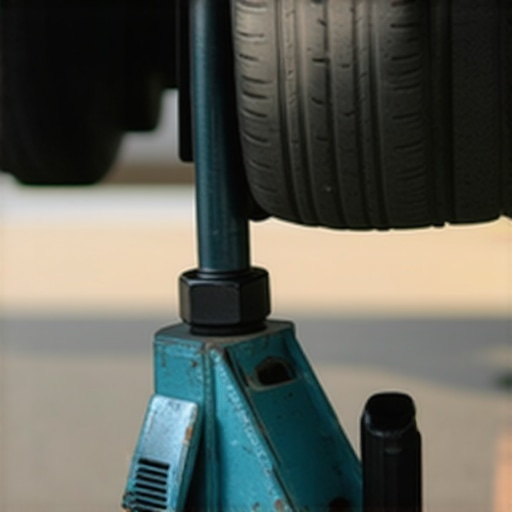
Lever Your Way to the Truth
Once the wheel is an inch or two off the ground, grab a long pry bar or a sturdy 2×4. Slide it under the tire and lift up. If the tire moves up and down independently of the control arm, you have found your culprit. Think of it like a loose hip bone; it should rotate, but it should not ‘jump’ in the socket. This vertical play is exactly why you might experience the reason your steering wheel is vibrating at low speeds. While you are down there, it is a great time to check other components. Many people confuse ball joint noise with the dangerous truth about ignoring a grinding noise in your wheels, which is often a completely different beast like a hub assembly.
Distinguish Between a Bad Joint and a Dead Bearing
Now, grab the tire at the 12 o’clock and 6 o’clock positions and give it a vigorous shake. If you feel a rhythmic click-clack, have a buddy look at the ball joint. If the joint stays still but the whole wheel assembly wobbles, you are likely looking at a wheel bearing issue. It is vital to know the difference between a bad wheel bearing and a noisy tire before you start throwing money at the wrong side of the knuckle. I once helped a friend who swore his ball joints were shot, but after we performed the tie rod test you can perform in your own driveway, we realized it was actually his steering linkage that was ready to snap.
Look for the Tell-Tale Grease Leak
Do not ignore the visual cues. A ball joint is sealed with a rubber boot that holds in the life-giving grease. If that boot is torn, road salt and grime turn that grease into a grinding paste. If you see ‘weeping’ or a shredded rubber cover, the clock is ticking. This is similar to checking how to tell if your shocks are leaking or just dirty; moisture where it should not be is the universal sign of impending failure. If you ignore it long enough, you will eventually need to know how to spot a bad cv axle before it strands you because the excess vibration will tear through every other rotating part in your drivetrain.Most mechanics will tell you that once a ball joint shows even a hair of movement, it is ready for the scrap heap. But here is the contrarian truth: many manufacturers actually specify a allowable amount of lateral or radial play, sometimes up to .050 inches. If you follow the ‘any movement is bad’ rule blindly, you might be throwing away perfectly functional components and wasting hundreds of dollars. According to the Society of Automotive Engineers (SAE), understanding specific design tolerances is the hallmark of a true technician versus a parts-changer. However, the most common ‘oops’ factor I see happens during the installation itself. I have watched DIYers use a massive impact wrench on a ball joint press, effectively mushrooming the housing because they were too impatient to use a hand breaker bar. This is why essential auto repair strategies for frequent drivers emphasize precision over brute force.
Can You Actually Over-Grease a New Suspension Component?
This is a question that separates the pros from the amateurs. Most people think more grease is always better, but if you over-pressurize a sealed boot with a high-pressure grease gun, you can actually blow the internal seal or pop the boot off its seat. Once that seal is compromised, road salt and grime turn your fresh lubricant into a grinding paste within weeks. This level of nuance is similar to how oil change innovations technologies that save your engine require specific procedures that defy ‘old school’ logic. You have to practice decoding vehicle diagnostics what your car is trying to tell you through tactile feedback, not just what you read on a forum. 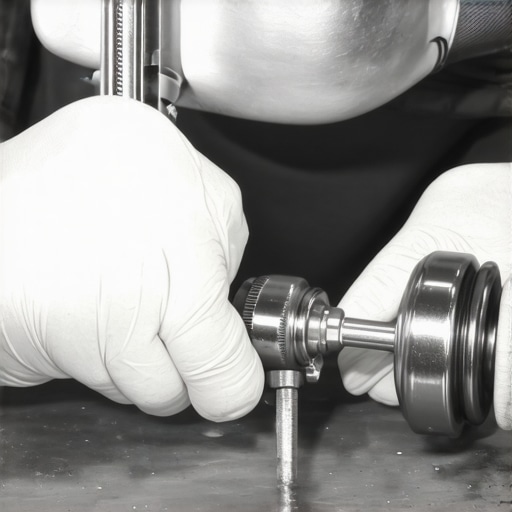 Another advanced trap is the ‘suspension droop’ error. If you torque down your control arm bolts while the car is still on jack stands, you are pre-loading the rubber bushings in a twisted position. When the car finally hits the ground, those bushings are under constant, extreme tension that will tear them apart in months. It is a critical step often missed in the ultimate guide to brake service for safety and performance when people get over-excited to finish the job. Even with how advanced vehicle diagnostics prevent costly breakdowns, mechanical empathy remains your best tool. Have you ever fallen into this trap? Let me know in the comments.
Your Driveway Toolkit Needs an Upgrade
I’ve spent a decade collecting tools, but if you are serious about suspension, you need more than just a big hammer and a prayer. I swear by my dial indicator with a magnetic base. It is the only way to accurately measure that .050 inch tolerance I mentioned earlier. If you are just eyeballing it, you are guessing, and guessing is how you end up wasting money on parts you don’t need. This falls right into the wheelhouse of essential auto repair strategies for frequent drivers. When I first started using a dial indicator, I realized I had been replacing joints that still had 20,000 miles of life left in them. Precision is the ultimate of all auto repair hacks to save money without sacrificing quality.
How do I keep my steering tight for the long haul?
Maintenance is not just about fixing what is broken; it is about preventing the wear from starting. I make it a habit to check my ball joint boots every time I am under the car for an oil change. If you are staying up to date with oil change innovations technologies that save your engine, you should apply that same forward-thinking logic to your chassis. If your joints have grease fittings (zerks), give them a pump of high-quality synthetic grease every 5,000 miles. But remember the rule: stop the moment the boot starts to swell. Over-filling is a death sentence. According to technical bulletins from Moog Chassis Parts, maintaining a proper seal is 90% of the battle when it comes to component longevity. This proactive approach is one of the top auto repair tips to extend your vehicles lifespan.
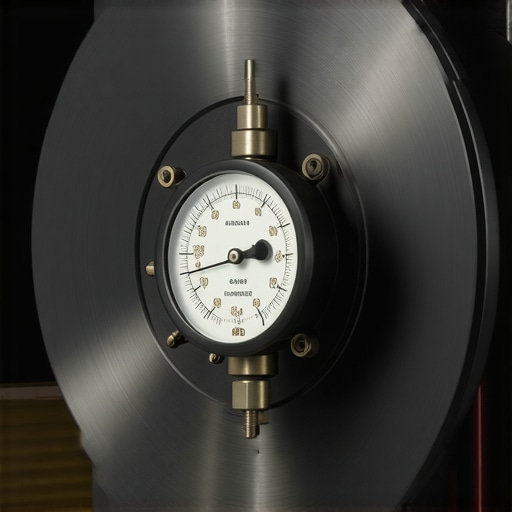
Your Suspension Diagnostics Are About to Go Digital
I predict that within the next five years, the ‘pry bar’ method will be a relic of the past for most modern vehicles. We are already seeing the integration of load sensors and acoustic sensors directly into steering knuckles that can alert your dashboard before you even hear a clunk. This is the next level of how advanced vehicle diagnostics prevent costly breakdowns. Until your car can talk to you that clearly, you have to rely on your own senses. Much like the ultimate guide to brake service for safety and performance, suspension health requires you to be in tune with the vibrations coming through the floorboards. If you wait for the ‘death wobble,’ you’ve waited too long. Mastering the art of decoding vehicle diagnostics what your car is trying to tell you is your best defense against a massive repair bill. I want you to try this: Next time you are rotating your tires, don’t just look at the ball joint boot—pinch it. If it feels crunchy or brittle, that grease is already contaminated. Swap it before it eats the metal from the inside out.
The Hardest Lesson I Learned While Wrestling Control Arms
I once spent four grueling hours fighting a press because I didn’t clean the snap-ring groove properly. It taught me that hidden dirt is often your biggest enemy in suspension work. Beyond the grime, I learned that listening to your gut is a valid diagnostic tool. If your steering feels ‘vague’ or disconnected, but the pry bar doesn’t show massive movement, trust the feedback you get while driving. You are the one behind the wheel every day, making you the first line of defense in decoding vehicle diagnostics what your car is trying to tell you. Another myth I had to bust was the idea that grease is a cure-all; if the metal inside the socket is already pitted, no amount of lubricant will stop that ball from eventually popping out.
The Gear That Separates Mechanics from Parts-Changers
If you want to move beyond guesswork, you need a few specific items in your arsenal. I personally trust heavy-duty C-frame presses over the cheap cast-iron versions found at discount outlets, which often bend before the joint even moves. For confirming tolerances, a magnetic-base dial indicator is non-negotiable—it provides the objective proof you need before spending money on new parts. I also never touch a suspension bolt without a can of high-grade penetrating oil; letting it soak into the threads overnight is one of the best auto repair hacks to save money without sacrificing quality. These tools transform a frustrating weekend into a controlled, professional-grade repair.
#IMAGE_PLACEHOLDER_E#
Take Back Control of Your Front End Today
There is a specific kind of confidence that comes from knowing every bolt on your front end is torqued to manufacturer specs and every joint is rock solid. Do not let a small clunk or a minor vibration turn into a dangerous roadside emergency. By applying these essential auto repair strategies for frequent drivers, you are doing more than just fixing a car; you are protecting your passengers. Front-end work can be intimidating at first, but once you successfully diagnose that first bad joint, you will never look at your suspension the same way again. Proactive maintenance is the cornerstone of top auto repair tips to extend your vehicles lifespan. Have you ever had a ball joint fail on you while you were actually out on the road? Let me know your story in the comments below.