
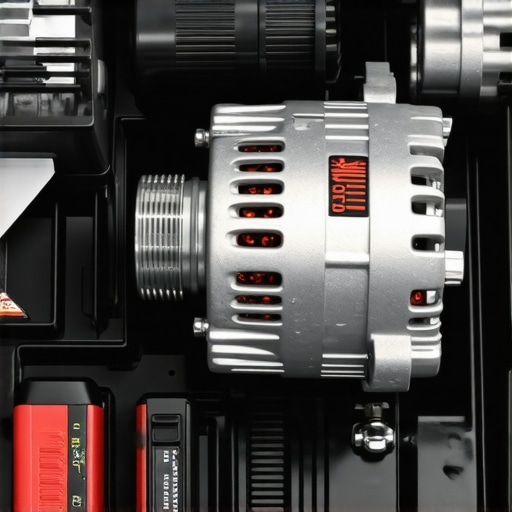
Ever been stranded on the side of the road, your engine sputtering and dying just when you needed to get home? It’s a sinking feeling—I’ve been there too—and it usually turns out to be your alternator giving up. But here’s the thing: you don’t always need a fancy multimeter to suspect your alternator’s demise. Sometimes, a keen eye and a little knowledge are enough to save you from a surprise breakdown.
Imagine cruising along, listening to your favorite song, when suddenly all your dashboard lights flicker, and your car stutters to a halt. That moment of realization can be a nose-wrinkling wake-up call. Early signs often slip by unnoticed—like dimming headlights or a battery warning light that flickers ominously. Yet, most folks overlook these clues, assuming they’re just quirks or low battery voltage. But in reality, they can hint at a failing alternator that’s struggling to keep up.
Today, I want to share with you how I learned to detect alternator issues without reaching for a multimeter—because honestly, there are straightforward, real-world signs that are easier to spot than you might think. The goal is to empower you to diagnose potential alternator trouble before your car becomes a complete dead weight on the highway.
So, why is this crucial? Well, the alternator is responsible for powering your vehicle’s electrical system and keeping your battery charged. When it starts failing, all sorts of issues arise—these can range from sluggish electrical components to total engine failure. Knowing the early signs can save you time, money, and the inconvenience of being stranded.
But here’s a common mistake I made early on: I assumed a dead battery meant replacing the battery itself, only to realize later that the alternator was the real culprit. That was a costly lesson. If you’re curious about other hidden causes of car troubles, you might find this article on the dead battery mystery particularly insightful.
Are you tired of guessing whether your alternator is playing nice or on its way out? If yes, stay with me—next, I’ll walk you through the telltale signs you can spot with a keen eye and a bit of common sense, no multimeter required. Understanding these signs can be your best defense against unexpected breakdowns and costly repairs.
Listen for Unusual Noises While Driving
One of the first signs I caught was a faint whining or grinding noise coming from the engine bay, especially when revving the engine. Think of it as your car warning you with a screech—like a siren that says, “Hey, something’s off.” During one short trip, I noticed this distinct sound, which prompted me to pay closer attention. This noise often indicates the alternator’s bearings are wearing out or the belt slipping, leading to failure over time.
Observe Dashboard Lights and Electrical Behavior
Keep an Eye on the Battery Warning Light
My own experience taught me to not dismiss the flickering of the battery icon on the dashboard. It’s often a red flag signaling the alternator isn’t charging the battery properly. When I saw this warning, I immediately switched on the headlights to see if they dimmed, which is another clue that the alternator isn’t maintaining power. If your headlights dim when idling but brighten when revving, your alternator may be underperforming.
Test Electrical Components for Fluctuations
While driving, I noticed radio volume fluctuating and power windows moving sluggishly. These sintomas can be subtle, but they reveal instability in the electrical system—another sign of alternator issues. If you experience similar symptoms, consider the possibility that your alternator is failing, even if the dashboard warning hasn’t lit up yet.
Perform a Simple Voltage Test
Even without a multimeter, you can do a makeshift test by turning on your headlights and engine, then observing lighting behavior. For a more accurate check, I used a smartphone voltmeter app with an external sensor. Ideally, your car’s voltage should hover between 13.8 and 14.4 volts when the engine runs. If it falls below or rises above this range, it signals the alternator isn’t regulating voltage properly.
Inspect the Alternator Belt Condition
I visually checked the serpentine belt connecting to the alternator. Look for cracks, fraying, or looseness—these are tangible evidence that the belt isn’t driving the alternator effectively. Replacing or tightening it often restores proper charging. If the belt looks fine but issues persist, it’s likely an internal alternator problem rather than a simple belt failure.
Gauge the Battery’s Resting Voltage
At home, I disconnected the battery and used a basic voltage tester. A healthy battery at rest should read around 12.6 volts. If it’s significantly lower, the battery might be drained due to a faulty alternator not keeping it charged during operation. Be cautious—if the battery is dead, replace or recharge it, then recheck the voltage after driving the car again.
In my experience, catching these signs early saved me from a surprise breakdown. If you notice any of these symptoms, it’s wise to get your vehicle inspected further. Remember, garages sometimes try to sell unnecessary repairs, so knowing these signs helps you make informed decisions. For more insights into vehicle electrical issues, check out how to find parasitic battery drains.
When it comes to vehicle maintenance, many drivers rely on common assumptions that can lead to costly mistakes. Contrary to popular belief, not every squeal or warning light signals a straightforward problem, and some diagnostics require more nuance than simply replacing parts on a hunch. As an experienced mechanic, I’ve seen countless cases where overlooked subtleties caused major setbacks.
One widespread myth is that brake pads must be replaced solely when they visibly wear down to the backing plate. In reality, brake pads can sometimes be dangerously thin without obvious signs, especially if the wear indicators haven’t yet activated. Relying exclusively on visual inspection may leave your braking system vulnerable; performing a thorough inspection—including checking rotor condition and caliper function—is essential for a safe brake service.
Additionally, many assume that a vehicle’s diagnostic trouble codes (DTCs) always tell the full story. But as research from automotive experts indicates, not all scanners are created equal. Sometimes, the codes are misleading or trigger false alarms, leading to unnecessary repairs or overlooked issues. Advanced diagnostics often involve *layered checks*, including detailed visual inspections and understanding system behavior, rather than blindly trusting scanner readouts.
A common pitfall during an oil change is dismissing unusual engine behavior afterward. Some drivers believe that a routine oil change is a complete fix, but neglecting to address underlying issues like sludge buildup or worn timing chains can result in accelerated engine wear. It’s crucial to acknowledge that what seems like a simple service sometimes masks deeper problems—like sludge accumulation that only a specialist can diagnose by examining oil passages and engine components.
Furthermore, many underestimate the importance of paying attention to vehicle-specific nuances. For entry-level mechanics, a generic approach may seem sufficient, but technical nuances—such as variations in brake sensor wiring or calibration protocols for newer models—can make or break a proper repair. For instance, brake sensors often fail after pressure washing due to moisture ingress, a detail often missed by amateurs. Recognizing these subtle causes helps prevent repeat visits and ensures long-term vehicle health.
From a broader perspective, understanding the limitations of tools and experience is key. Advanced vehicle diagnostics are steadily integrating AI and machine learning algorithms which, while powerful, can be misled by atypical data. A 2026 study from automotive researchers confirms that AI diagnostic tools may provide false positives unless calibrated and interpreted correctly. As a skilled technician, I advocate for combining these tools with hands-on inspections and critical thinking before proceeding with repairs.
Have you ever fallen into this trap of assuming diagnostics or repairs are simpler than they really are? Let me know in the comments. Remember, a detailed approach that appreciates the nuances can save you time, money, and headaches in the long run.
Investing in Reliable Equipment for Long-Term Vehicle Care
Maintaining your vehicle’s performance isn’t just about replacing parts—it’s about using the right tools and methods that ensure durability and safety over time. Personally, I rely on high-quality diagnostic scanners like the 2026 AI diagnostic scanner because it provides detailed insights beyond generic codes, saving me time and guesswork. For brake maintenance, I swear by precision calipers and pressure testers, which help me detect subtle issues like caliper drag or uneven wear that could lead to expensive repairs if ignored.
Why I Recommend Specific Diagnostic Equipment
Using a versatile scanner that can interpret manufacturer-specific codes and live sensor data allows me to catch problems early, especially with complex systems like GDI engines or hybrid drivetrains. The OBD-5 scanner I use is also portable and easy to update, which is crucial as vehicle technology evolves rapidly. Moreover, tools like infrared thermometers for checking brake rotor heat or ultrasonic leak detectors for vacuum system issues have become staples in my garage, opening new avenues for precise diagnostics.
The Power of Proper Maintenance Strategies
Beyond tools, adopting a consistent maintenance schedule—such as regular fluid checks, belt inspections, and sensor tests—extends your vehicle’s lifespan significantly. I advise checking the carbon buildup every 3,000 miles to prevent intake restrictions that compromise engine health. Remember, small investments in quality tools and proactive maintenance pay dividends in reliability and safety.
How do I maintain vehicle diagnostics over time?
Consistently updating your diagnostic tools is essential, especially as vehicle systems become more advanced. Subscribe to firmware updates for your scanner, follow the latest technical bulletins, and keep a log of diagnostic readings to spot patterns early. Leveraging smartphone apps connected to external sensors also adds convenience and precision, making routine checks quick and effective.
Predicting Future Trends in Vehicle Maintenance Tools
Looking ahead, I believe the integration of AI-powered diagnostics will become standard, providing real-time trouble signals with minimal user input. Tools that adapt and learn from your vehicle’s unique behaviors will soon replace static scanner models, making diagnostics faster and more accurate. To stay ahead, I recommend exploring advanced tools now, like the AI diagnostic reset procedures, which can be invaluable when troubleshooting.
Question: How do I maintain my vehicle repair tools to ensure long-term accuracy and reliability?
Proper calibration, regular cleaning, and firmware updates are key to maintaining the accuracy of your diagnostic tools. For example, the techniques to clear check engine lights involve not just resetting codes but also ensuring your scanner’s software reflects the latest vehicle specifications. Take the time to review your tools’ manuals and perform periodic calibrations to keep them performing at their best, which ultimately means safer, more reliable vehicle maintenance for you.
Lessons No One Tells You About Alternator Checks
During my early days working on cars, I was fixated on replacing parts only when something visibly failed. My biggest lightbulb moment came when I realized that subtle signs—like a faint whining noise or flickering dashboard lights—serve as early warnings. Ignoring these can turn a manageable issue into a costly repair or even roadside breakdown.
One personal insight was about the importance of simple visual inspections. A cracked serpentine belt or looseness can silently sabotage your alternator’s ability to charge, leading me to advocate for regular belt checks. Trust me, catching a worn belt early saves you a ton of trouble down the line.
I also learned that dashboard warning lights should never be dismissed—those flickering battery icons and erratic electrical behavior often precede complete failure. Recognizing these signs before driving into an unexpected stop has been a game-changer in my approach to vehicle upkeep.
Implementing makeshift voltage tests using smartphone apps and observing headlight behavior are hacks I now recommend to friends. These quick checks empower you to diagnose potential alternator issues without always relying on a mechanic or expensive tools, making maintenance more accessible.
My journey taught me that informed drivers are safer drivers. Embracing these real-world clues ensures you’re better prepared—saving time, money, and the stress of unexpected breakdowns. Remember, isn’t it better to catch a problem while it’s still manageable? Keep these lessons in mind as you maintain your ride, and you’ll thank yourself on the highway one day.