
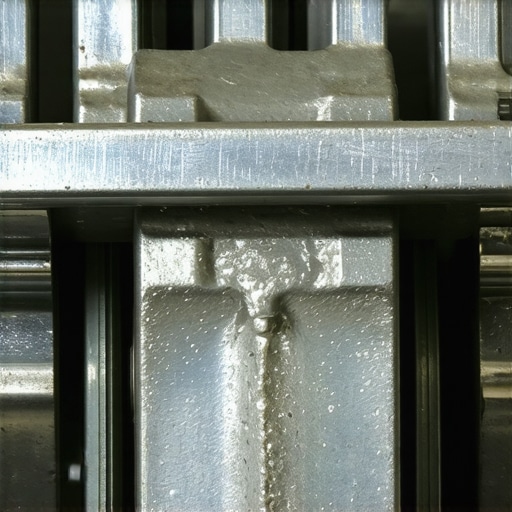
If you’ve ever been behind the wheel, feeling that subtle wobble or noticing a vague pedal response, you know how unsettling it can be. I remember the first time I sensed something was off during a routine brake check—my heart sank. Turns out, the culprit was a simple, overlooked issue: bone-dry caliper slide pins. That lightbulb moment made me realize how a small detail can shake up your safety and your wallet.
Why You Should Care About Your Caliper Slide Pins
Reliable braking is the cornerstone of safe driving, and your caliper slide pins play a bigger role than most drivers realize. These tiny components allow your brake calipers to slide smoothly, ensuring even pad wear and strong stopping power. When they dry out or seize up, uneven brake pad contact can lead to reduced braking performance, increased stopping distances, and even costly repairs down the line.
From personal experience, ignoring this small detail can escalate into serious safety hazards. I once ignored a slight squeal and chalked it up to ‘just another noise.’ But that quiet warning sign was my caliper slide pins drying out—an easy fix if caught early, but a costly misstep if overlooked. According to expert sources, proper maintenance of these components can prevent brake failure and extend the lifespan of your brakes significantly (brake service guide).
Have you ever experienced sudden brake fade or unresponsive pedal despite recent oil changes?
That may have been a red flag warning you about your caliper pins. Think of them as essential pivots that keep your braking system functioning smoothly. When they’re bone dry, your brake calipers can stick, leading to uneven wear and, worse, compromised safety. I’ll show you how to identify if your caliper slide pins are in danger of drying out—and what to do about it.
But hold on, I’ll admit—a common mistake I made early on was assuming all brake noises were just normal wear or dirt. It’s easy to dismiss the warning signs, but that’s a dangerous game. Being proactive can save you time and money, and more importantly, keep you safe on the road.
So, let’s dive into how to detect if your caliper slide pins are bone dry and what simple steps you can take to keep your braking system in top shape.
Check for Signs of Dry or Seized Caliper Pins
Start by safely lifting your vehicle using a jack and secure it with jack stands. Remove the wheel to access the brake caliper. Inspect the slide pins for corrosion, dirt, or any signs they might be stuck. If they appear dry or rusty, it’s time for cleaning and lubrication.
Remove and Clean the Caliper Slide Pins
Carefully unbolt the caliper and extract the slide pins. Use a wire brush or brake cleaner to remove rust, dirt, and old grease from the pins and their bores. If corrosion is severe, replacing the pins is advisable.
Lubricate the Pins Properly
Apply high-temperature brake grease specifically designed for caliper slides to the pins. Ensure you coat the entire pin surface, including the ends and the bore where it slides. Proper lubrication prevents future drying and seizing.
Reinstall and Test
Insert the lubricated pins back into the caliper, secure them tightly, and reassemble the wheel. Before driving, pump the brake pedal a few times to seat the pads. Test the brake response at low speed to make sure everything operates smoothly.
I remember a time I neglected this step after noticing a slight pull during braking. After removing and cleaning the pins, I realized they were full of dried grime, causing uneven caliper movement. Applying fresh brake grease restored proper function and prevented uneven pad wear. Regular inspection and maintenance of these small components can save you from expensive repairs and enhance your safety on the road (brake service guide).
Test Your Brake System After Maintenance
Drive gently and test the brakes to ensure uniform response and no unusual noises. If you experience sticking or uneven braking, recheck the pins and surrounding components. Routine inspection can catch issues early and maintain optimal braking performance.
Many car enthusiasts and even experienced DIYers often believe they understand vehicle diagnostics and repairs well enough, but in reality, there’s a web of nuanced mistakes that can trip up even the most vigilant. For instance, a widespread misconception is that relying solely on dashboard warning lights provides a full picture of your vehicle’s health. While these alerts are valuable, they often only scratch the surface, leading to overlooked issues that can culminate in costly breakdowns. According to automotive experts, advanced diagnostics can reveal hidden problems that standard scans often miss, emphasizing the importance of proper checkups before heading out on long trips (learn more about advanced diagnostics). Yet, many underestimate the complexity involved in interpreting sensor data; they either dismiss minor irregularities or attempt quick fixes based on assumptions, which can backfire. An essential tip is understanding that not all issues manifest as immediate failures—some are silent, slowly degrading your vehicle’s performance until it’s too late. For example, neglecting subtle brake pedal inconsistencies might seem harmless but could be an early sign of caliper pin corrosion or abs sensor misalignment, both requiring targeted inspection rather than generic repairs. A common trap here lies in the misconception that all oil changes are routine and uniform. In truth, recent innovations have introduced specialized oils and techniques designed specifically for different driving conditions or climates, which can extend engine life significantly. For example, using synthetic oils with tailored additive packages has been shown to reduce engine deposits and improve fuel economy (discover oil change innovations). Nevertheless, many assume that topping off with any oil suffices, risking inadequate lubrication. Furthermore, diagnostic errors often stem from a superficial check. Simply reading codes without context or understanding vehicle history can lead to ‘false positives’ or misdiagnosis. The critical nuance here is to combine code reading with comprehensive visual inspections and test drives. This integrative approach can prevent replacing parts unnecessarily and ensure repairs address root causes, not just symptoms. Remember that modern cars rely heavily on multiple sensors working in concert; a single faulty sensor, like a misreading oxygen sensor, can trigger disproportionate responses or emissions issues.
How can advanced diagnostics reveal issues beyond generic scans?
Deep diagnostics analyze sensor patterns, voltage signals, and real-time data streams, offering insights into gradual degradations invisible to basic checks. They can identify early-stage problems—like small caliper piston leaks or subtle transmission slipping—that, if addressed promptly, preserve vehicle safety and reduce repair costs. Experts advocate for regular, comprehensive health checks, especially for vehicles with high mileage or complex systems. This proactive strategy is backed by studies showing that early intervention significantly cuts down maintenance expenses and prevents dangerous failures (see how diagnostics decode your vehicle’s signals). So, do you rely solely on dashboards, or embrace a methodical diagnostic approach? Have you ever fallen into a trap of ignoring warning signs, only to face costly repairs later? Let me know in the comments.
Nothing Beats Proper Maintenance and Advanced Tools
Maintaining your vehicle over time requires a combination of reliable tools, attention to detail, and current knowledge on diagnostic methods. As someone who has spent countless hours under the hood, I’ve learned that investing in quality equipment can drastically improve your ability to detect issues early and perform repairs efficiently. Modern vehicles incorporate complex sensor networks and computer systems, making advanced diagnostic tools not just useful but essential.
My personal go-to for vehicle diagnostics is the OBD-II scanner. I prefer models that support live data streaming and code clearing, such as the BlueDriver or Autel MaxiCOM. These devices connect via Bluetooth or Wi-Fi and provide real-time insights into your engine’s myriad sensors, helping you catch problems like misfires, sensor failures, or fluid leaks before they escalate. Supplementing the scanner with software like decoding vehicle diagnostics is crucial for interpreting data accurately.
Additionally, having a comprehensive set of hand tools – from torque wrenches to precision screwdrivers – ensures that you can handle everything from oil changes to brake pad replacements. For example, I rely on a digital torque wrench for critical bolts, ensuring proper tightness without risking damage or safety issues. When performing oil changes, I use a magnifying glass to inspect drain plugs, preventing over-tightening or cross-threading.
One of the best investments I’ve made is a compact LED work light. Proper illumination reveals hidden leaks, corrosion, or loose fittings that otherwise go unnoticed. It’s amazing how many issues proper lighting uncovers, saving time and money in the long run.
What’s the Future of Vehicle Maintenance Tools?
As vehicle technology evolves, so will our tools. The integration of AI and augmented reality (AR) is already beginning to assist mechanics in diagnostics and repairs. For enthusiasts and DIYers like me, staying current with software updates and new hardware, such as wireless scanners, ensures you can handle the latest systems and sensors.
If you’re serious about keeping your vehicle in top shape, I recommend trying an advanced diagnostic approach with tools like live data streaming and specialized software. These methods can reveal hidden issues—like small caliper piston leaks or transmission slip signs—that are invisible to the naked eye or basic scans (learn more about advanced diagnostics). Regular use of such tools transforms maintenance from guesswork into precise, efficient work, extending your vehicle’s lifespan and enhancing safety.
Remember, proactive diagnostics and maintenance tools are investments in your vehicle’s future. So, why not start today? Try out a comprehensive diagnostic scan and see the insights it reveals about your car’s health—it’s a game changer.
The Hardest Lesson I Learned About Vehicle Diagnostics, Auto Repair, Brake Service, Oil Change
One of my most eye-opening experiences was realizing that even a simple oil change can reveal hidden issues if you know where to look. I once overlooked a slow oil leak, assuming it was just routine. That oversight led to costly engine repairs down the line. Now, I always incorporate advanced diagnostics and proper maintenance routines, understanding that small details matter more than I thought. This taught me to never dismiss minor signs and to trust reliable tools and resources to keep my vehicle in top shape.
My Essential Toolkit for Vehicle Health
Over the years, I’ve curated a set of tools that make diagnosing and fixing issues at home much easier. A quality OBD-II scanner like the BlueDriver has been invaluable for real-time data and troubleshooting. I also keep a set of hand tools, a high-quality work light, and specialty greases for caliper maintenance on hand. These resources have helped me catch problems early, save money, and gain confidence in my DIY skills.
Feeling Confident on Your Maintenance Journey
Taking control of your vehicle’s health is empowering. It’s not just about fixing things but understanding them better. Start with simple inspections, invest in good diagnostic tools, and stay curious. Remember, every minor issue you catch early prevents bigger problems later. Your vehicle is a complex system—akin to a living organism—and understanding its language can turn routine maintenance into a rewarding adventure. So, why not pick one area—like brake service or oil quality—and master it? Your safety, wallet, and peace of mind will thank you.
Have you ever had a breakthrough moment with vehicle diagnostics or auto repair that changed your approach? Share your story below—I’d love to hear about your learning experience!