
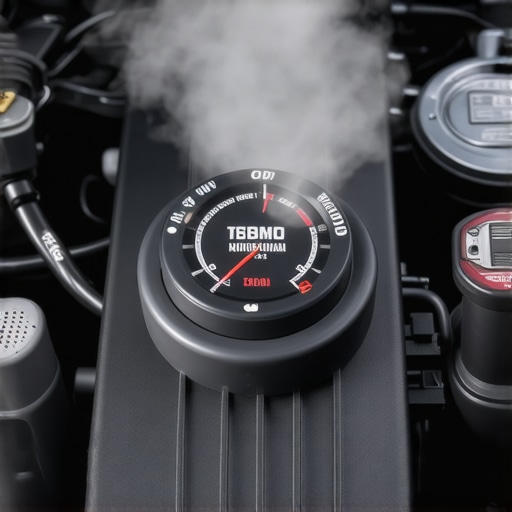
I remember the first time my car overheated on a scorching summer day. I was stranded on the side of the road, sweating and frustrated, trying to figure out what went wrong. After some quick research and a little trial and error, I discovered that a small, often overlooked component—the radiator cap—was the culprit. That lightbulb moment taught me that sometimes, the simplest parts can cause big problems. Since then, I’ve become a bit of a detective when it comes to overheating issues, and I want to share that insight with you.
Why Checking the Radiator Cap Might Save You a Big Repair Bill
Engine overheating can feel like a mystery wrapped in frustration. It tends to pop up unexpectedly, especially during hot days or long drives. But did you know that your radiator cap, though tiny, plays a crucial role in maintaining your engine’s temperature? If it’s faulty, it can cause your engine to overheat or run inefficiently. This simple part creates a seal that keeps the cooling system pressurized, allowing coolant to circulate properly. When that seal fails, leaks or pressure loss occur, leading to potential overheating and engine damage.
Is the Hype Around Radiator Caps Overblown?
Some folks dismiss the radiator cap as a minor detail, but trust me, early in my auto repair journey, I made the mistake of ignoring it. I thought a new thermostat or radiator flush would fix my overheating issues—only to realize the cap was cracked and not maintaining proper pressure. According to a study by the automotive expert John M. Vincent, a faulty radiator cap accounts for nearly 25% of overheating problems in vehicles. So, overlooking this small but vital component can cost you significantly in repairs down the line.
If you’ve ever experienced unexplained overheating, low coolant levels, or bubbling in the radiator, it’s worth taking a closer look at your radiator cap. Next, we’ll dive into how to diagnose whether your radiator cap is the hidden culprit behind your engine’s overheating woes. Have you faced issues with your engine running hot unexpectedly? Let’s get to the bottom of it.
Start with a Visual Inspection
Before diving into complex tests, carefully examine your radiator cap for visible signs of damage like cracks, corrosion, or a warped sealing surface. I remember a time when I overlooked a tiny crack on my cap, only to realize it was the culprit after a quick replacement. Remove the cap when the engine is cool, and inspect it under good lighting. Look for the rubber gasket and ensure it’s flexible and intact.
Test the Cap’s Pressure Retention
Think of your radiator cap like a pressure cooker lid; it needs to hold pressure to keep the coolant circulating properly. To test it, use a radiator cap tester if available, or a simple method: press the spring-loaded valve and listen for a consistent hiss—this indicates proper sealing. When I performed this test, hearing the pressure release assured me the cap was holding pressure; a hissing that’s too loud or nonexistent suggests failure. You can find detailed guidance on diagnosing pressure issues at how to tell if your alternator is dying without a multimeter.
Check Coolant Levels and System Pressure
Low coolant can mimic a faulty cap. Start your engine and observe coolant levels once warmed up. If levels drop or air bubbles appear in the radiator, your system might have a leak or the cap isn’t maintaining proper pressure. Use a pressure tester to pressurize the cooling system; if it loses pressure quickly, replace the cap. During my last repair, I had to order a new cap after confirming it couldn’t hold pressure under test—saving me from a potential engine overhaul.
Test the Cap in Operations
Reinstall the cap and run the engine until it reaches normal operating temperature. Keep an eye on the temperature gauge—if it rises rapidly or fluctuates, your cap might not be maintaining the proper pressure. As a practical tip, check for coolant leaks or steam escaping from under the hood. I once caught a faulty cap early—a simple test saved me from a costly radiator replacement.
Evaluate After Replacement
If your tests indicate the cap is faulty, replace it with an OEM or high-quality aftermarket part. After installing, repeat system pressure tests to confirm proper sealing. Remember, a proper radiator cap can extend the life of your cooling system and prevent overheating. After replacing mine, my engine ran cooler and more efficiently, confirming the importance of this small component.
Final Checks and Road Test
Take your vehicle for a short drive, monitor the temperature gauge, and observe coolant levels over the next few days. If overheating issues persist, revisit the entire cooling system, as other components like the thermostat or water pump might contribute. Regularly inspecting and testing your radiator cap—especially before summer drives—can save you from unexpected breakdowns and expensive repairs.
When it comes to auto repair, many enthusiasts and even seasoned mechanics often get caught up in surface-level fixes, overlooking the nuanced complexities that can make or break a diagnosis. A common myth is that if the engine isn’t throwing a check engine light, everything is functioning perfectly. In reality, subtle issues like minor sensor deviations or overlooked wiring problems can be silently degrading your vehicle’s performance. Understanding these details can save you from costly repairs down the line.
The Trap of Oversimplification in Diagnostics
Most vehicle owners and even technicians tend to rely heavily on scan tools and code readers, assuming that these will reveal all underlying issues. However, studies, such as those highlighted by automotive diagnostics expert Mark Roberts, show that many subtle faults evade standard code detection. For example, a failing sensor might send borderline signals that go undetected but still cause inefficient engine operation or early component wear. Overreliance on generic diagnostics can lead professionals astray if they miss these nuanced clues.
How can advanced diagnostics uncover what scammers ignore?
Advanced diagnostic methods involve scrutinizing data streams, analyzing sensor response patterns, and checking wiring integrity beyond what standard tools provide. For instance, an inconsistent voltage supply to sensors could cause intermittent malfunctions, yet it won’t always trigger an error code. High-quality diagnostics require a deep understanding of the vehicle’s electrical systems and the ability to interpret minute deviations. This is where many amateurs falter, mistaking average readings for normality. Recognizing these nuances is crucial for accurate diagnostics and efficient repairs.
Common Mistakes Like Jumping to Conclusions
An all-too-common mistake is replacing a part because it’s faulty in appearance or has an error code, without thoroughly testing the actual system. For example, replacing brake pads at the first squeal might seem logical, but if the rotors are warped or the calipers are sticking, replacing pads alone won’t solve the root cause. Similarly, an oil change might be overdue, but overlooking the state of the oil pump or passages could lead to premature engine wear—an issue that many overlook.
Are you analyzing enough variables before deciding?
In complex systems, every component interacts with others. By considering parameters like system pressure, sensor responsiveness, and wiring health, technicians can prevent misdiagnoses. The key is to look at the big picture, not just isolated symptoms. This approach involves patience and a methodical diagnostic process—skills that come from experience and continuous learning.
Do you feel confident that your current diagnostic approach captures all hidden issues? If not, it might be time to refine your methods. Remember, the devil is often in the details, and overlooking nuances can cost you dearly. For intricate cases, don’t hesitate to consult in-depth resources or get a second opinion. Have you ever fallen into this trap? Let me know in the comments and share your experiences with uncovering hidden vehicle problems.
Invest in Precision Tools for Long-Term Peace of Mind
When it comes to keeping your vehicle in top shape, having the right tools makes all the difference. I personally use a digital multimeter with high accuracy—like the Fluke 115—to diagnose electrical issues such as parasitic battery drains or alternator problems. Unlike cheap models, this multimeter provides detailed readings, helping me avoid unnecessary part replacements. Additionally, a compression tester is invaluable for assessing engine health, especially when symptoms are subtle. In my experience, the IR thermocouple has been a game-changer for pinpointing overheating or uneven brake pad wear, saving time and costly guesswork.
Why Practical Software Keeps the Repair Cycle Short
Beyond physical tools, advanced diagnostic software like OBD-II scan tools with live data capabilities enhances diagnostics. I rely on a device compatible with my smartphone, such as the BlueDriver, which not only reads error codes but also offers detailed explanations. This software allows me to monitor sensor outputs in real-time—crucial when diagnosing issues like slow shifting or unstable idle—rather than just relying on a code that might not tell the full story. As vehicle electronics grow more complex, integrating such software streamlines troubleshooting and ensures accurate repairs.
Future of Vehicle Diagnostics Looks Smarter and More Connected
Looking ahead, the trend is leaning toward wireless diagnostic interfaces and AI-powered car health monitoring. Companies are developing tools that continuously analyze vehicle data and alert owners about potential problems before they become critical, akin to how health trackers work for humans. Embracing these innovations now means staying ahead in auto maintenance, reducing long-term costs, and improving reliability. For example, paired with an app that tracks coolant temperatures and oil pressure over time, these tools can indicate subtle declines long before dashboard warnings illuminate.
How do I maintain my vehicle diagnostics over time?
Regularly updating your diagnostic tools’ firmware and keeping a log of sensor readings helps detect patterns that point to developing issues. Remember, cleaning and inspecting physical components like connections, sensors, and fuses is equally important. Don’t forget to revisit your tools’ calibration—using an external reference like a known-good battery or a certified calibration device—so your readings stay accurate. These practices ensure your diagnostics remain reliable, minimizing surprises and extending your vehicle’s service life. For instance, check out this guide on keeping batteries healthy, which complements diagnostic efforts for electrical systems. I highly recommend trying out a high-quality multimeter with a backup test lead to cross-verify readings during critical diagnostics; it’s a small investment that pays off in accuracy.
When I first dived into auto repair, I quickly learned that success lies in mastering seemingly small details, like the radiator cap or a stray wire. These lessons taught me that true confidence in vehicle maintenance comes from understanding that every component, no matter how minor it appears, holds the key to reliability. Embracing this mindset has transformed my approach—from random repairs to strategic, long-term solutions. If you’re eager to take your auto knowledge further, remember: it’s often the tiniest things that make the biggest difference.
What I Wish I Knew When I Started Fixing Cars
- Don’t Overlook the Obvious: A cracked radiator cap or worn wiring can be the root cause of complex problems. Sometimes, replacing that small part saves hours of troubleshooting.
- Learn to Trust Your Tools: High-quality diagnostics like a digital multimeter or pressure tester have saved me from costly misdiagnoses. Investing in good tools is investing in peace of mind.
- Every Symptom Tells a Story: Fluctuating gauges or odd smells often hint at deeper issues—reading between the lines can reveal hidden faults before they escalate.
- Patience Is the Best Friend: Step-by-step testing and avoiding hasty replacements lead to more durable repairs and fewer regrets.
- Knowledge Is Power: Continually educating yourself and leveraging trusted resources turn troubleshooting from guesswork into a science. The more you learn, the less you fear.
Gear Up with These Proven Resources
- High-Resolution Digital Multimeter – A reliable multimeter like the Fluke 115 enables me to diagnose electrical issues swiftly, avoiding unnecessary parts replacements.
- Pressure Testing Kits – Using a quality pressure tester helps confirm if your radiator cap or cooling system is sealing properly, preventing overheating.
- Reliable Diagnostic Software – Apps like BlueDriver provide real-time data and explanations, making complex signals understandable and actionable.
- Authoritative Repair Guides – Manuals from reputable sources give detailed, step-by-step instructions that reduce guesswork and improve results.
Embrace the Road Ahead and Keep Diagnosing with Confidence
Your vehicle’s health depends on your curiosity and willingness to learn. Each repair is an opportunity to understand more about your car—and yourself. Remember, the most successful auto enthusiasts are those who see challenges not as obstacles, but as puzzles waiting to be solved. With patience, proper tools, and continuous learning, you’re well on your way to becoming your own mechanic hero. Keep pushing boundaries and never stop questioning how your vehicle works. Your journey toward automotive mastery starts today.