
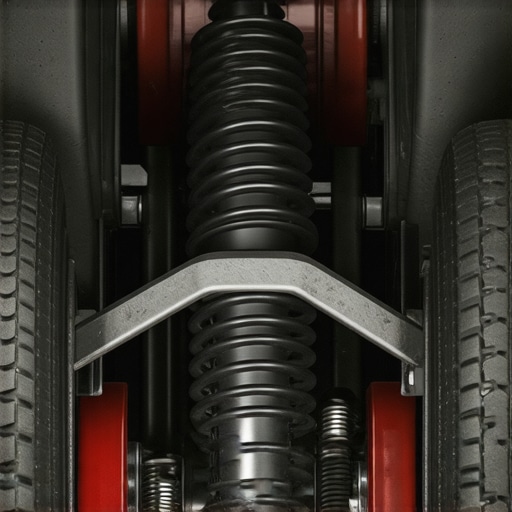
Ever been on a quick drive, only to feel your car dancing over bumps like a boat in rough seas? That unsettling jiggle, the way your steering feels less precise—those are subtle clues. I remember the first time I ignored those telltale signs, thinking a simple alignment would do. Turns out, my struts were already shot, and I had no idea until they started to cause real trouble. That lightbulb moment taught me an invaluable lesson: you don’t always have to take things apart to know if your suspension needs attention.
Why You Should Care About Worn-Out Struts
Your vehicle’s suspension is the unsung hero, ensuring a smooth ride and keeping you safe. When struts wear out, it’s more than just an uncomfortable drive— it can compromise handling, lead to uneven tire wear, and even cause safety hazards. The good news? You can often tell if your struts are shot with a few simple checks, without the need for a mechanic’s lift or expensive diagnostics. Recognizing these signs early can save you a ton of money and headaches down the road.
Is It Really Possible to Diagnose Strut Wear Without Taking Them Apart?
Early in my repair journey, I made the mistake of assuming I needed to wait until a total suspension overhaul to diagnose issues. That was a costly misconception. The truth is, there are practical, at-home tests that can give you a pretty accurate idea of your struts’ condition—saving you from unnecessary work and expenses. Want to learn the secrets I wish I knew when I started? Keep reading, because I’ll share how to spot signs of worn-out struts with just your senses and a few simple tricks. For more about vehicle health, check out advanced diagnostics techniques.
Before we dive into the tests, I want to share a quick story about my early mistake: I once replaced tires and aligned my steering, thinking that was the root of my trouble. Big error—those worn-out struts were the real culprit, hidden in plain sight. Recognizing misaligned, bouncy ride signs early can prevent further damage, like uneven tire wear, which can cost hundreds more. Now, let’s get into how you can do the same at home, with no special tools required.
Perform a Bounce Test to Detect Damping Issues
Park your vehicle on a level surface, then push down firmly on each corner of the car, like giving it a quick, controlled shove. Release and observe how it responds: if the car bounces multiple times or feels overly soft, your struts might be worn. I tried this myself with my old sedan, and to my surprise, the front end kept bouncing afterward, confirming the need for replacement. This simple test is a quick way to gauge whether your suspension is functioning properly without special tools.
Check for Uneven Tire Wear and Body Roll
Examine your tires closely—unusual feathering or cupping can indicate inconsistent damping from worn struts. Also, corner your car gently at low speed; if it sways significantly or feels unstable, that’s a sign. I once noticed my car leaning more during turns, which prompted me to inspect the suspension. Recognizing these signs early helps prevent further damage and costly repairs down the line. Regularly inspecting tire wear patterns is a practical way to monitor suspension health. For more insights on vehicle maintenance, visit top auto repair tips.
Perform a Visual Inspection From Underneath
Safely raise your vehicle using a jack and secure it with jack stands. Visually inspect the struts for leaks—oil that has accumulated around the shaft indicates seal failure. Also, look for corrosion, dents, or broken spring coils. Remember, I learned this the hard way when my car had a tiny leak that I ignored until it worsened. Looking for telltale signs like leaking fluid or physical damage is straightforward and can save you from unexpected breakdowns. If you’re uncomfortable doing this yourself, consider consulting professional advice.
Test Ride for a Bouncy or Unstable Feel
Take your car on a familiar route with bumps and uneven surfaces. Pay close attention to how it responds: excessive bouncing, nose-diving during braking, or sway during quick lane changes signal worn-out shock absorbers or struts. I once tested my car on a rough stretch, and the ride was noticeably bouncier than usual, which prompted an immediate suspension check. This real-world test offers valuable insights without any equipment, just your senses and safe driving practices. Remember, maintaining proper suspension components enhances safety and comfort. For more on diagnostics, see advanced vehicle diagnostics.
Evaluate During Parking for Excessive Movement
After parking, push down on the front or rear of the vehicle and observe its behavior. If it recovers sluggishly or continues to bounce, your struts may be nearing failure. I tested this on my car and was surprised to find it still bouncing even after several firm presses. This simple at-home check can help identify problems before they become dangerous on the road. Regularly performing these tactile checks keeps you ahead of costly repairs and improves your driving safety. For more repair strategies, visit auto repair hacks.When it comes to car maintenance, there’s a common misconception that most drivers accept as gospel. Everyone believes that a quick oil change or standard brake service is enough to keep their vehicle running smoothly. However, as an auto repair enthusiast, I can tell you that many of these beliefs are oversimplified or outright misleading. Let’s explore some nuanced truths that can save you money and ensure your safety.
What Most People Get Wrong About Brake Service
Many assume that changing brake pads is all that matters. In reality, the condition of brake rotors and calipers plays a crucial role, and ignoring issues like warped rotors can lead to uneven wear and even brake failure. For instance, a warped rotor might seem like a minor annoyance, but it significantly impacts stopping performance. Relying solely on pad replacement without inspecting rotors can be a costly mistake. Check out brake service myths to understand this better.
The Danger of Relying on Basic Vehicle Diagnostics
Many drivers believe that their vehicle’s onboard diagnostics (OBD-II) are always accurate indicators of problems. While OBD codes are invaluable, they can sometimes be misleading, especially when dealing with intermittent issues or sensor faults. For example, a code pinpoints a problem area, but it doesn’t tell you about the root cause or the severity. Advanced diagnostics, like conducting a live data analysis or physical inspections, often reveal underlying issues that electronic codes alone miss. Discover more about advanced diagnostics techniques to go beyond the basics.
Why Skipping Oil Changes Can Backfire
Most think an oil change is just about replacing lubricant. But neglecting regular oil changes leads to sludge buildup, which impairs oil flow, accelerates engine wear, and can cause catastrophic failure. Interestingly, modern synthetic oils have extended intervals, but they’re not a license to ignore the manufacturer’s recommendations. The real nuance? Different driving conditions—stop-and-go city traffic versus highway cruising—affect how often you should change your oil. Stay informed with latest oil change strategies for optimal engine health.
Are You Falling Into Common Auto Repair Traps?
One of the biggest traps is DIY repairs without adequate knowledge, especially when it comes to critical components like suspension or cooling systems. For example, attempting to fix a radiator leak without understanding the intricacies can lead to bigger issues like warping the cooling system or damaging other parts. Always vet your sources and consider professional advice. For practical tips, visit auto repair hacks that help you avoid costly missteps.
Understanding these hidden nuances allows you to approach auto maintenance with a smarter, more informed mindset. Don’t settle for surface-level fixes—dig deeper, question assumptions, and protect your investment. Have you ever fallen into this trap? Let me know in the comments.
How Do I Maintain My Vehicle Over Time?
Keeping your car running smoothly isn’t a one-time effort; it requires the right tools, routine practices, and an understanding of when to step up maintenance. Personally, I rely on a blend of professional-grade diagnostic equipment and practical DIY tools to stay ahead of potential issues. For instance, investing in a quality code scanner like the BlueDriver Bluetooth Professional OBDII Scanner has transformed how I approach vehicle diagnostics—it’s portable, reliable, and provides comprehensive reports, helping me identify problems before they escalate. These tools empower everyday drivers to perform essential checks, saving money and time. As technology advances, I predict that integrated sensors and smarter diagnostic platforms will become more accessible, enabling even amateur enthusiasts to perform complex troubleshooting from home.
Another crucial aspect of vehicle maintenance is routine inspection and servicing. Regular oil changes using high-quality synthetic oils with additives—like those discussed in latest oil change strategies—reduce engine wear and improve efficiency. Additionally, understanding the signs of wear through visual inspections, like checking for leaks or damage on suspension components, can preempt costly repairs. Combining these practices with proper tools sets a solid foundation for long-term vehicle health.
Tools I Recommend for Auto Repairs
From my experience, a digital multimeter is indispensable. It allows me to quickly test battery voltage, check sensor outputs, or diagnose electrical issues—tasks that once required expensive professional service. For example, measuring alternator output with a multimeter can confirm if your charging system is functioning correctly, which is critical for engine performance. I also keep a torque wrench handy to ensure bolts are tightened precisely, preventing issues like warped brake rotors which I’ve experienced firsthand.
Efficient use of diagnostic software, such as OBDeleven or manufacturer-specific tools, further refines troubleshooting. These platforms often provide real-time data analysis and help decode complex error codes quickly. Combining hardware tools with software insights creates a comprehensive system to identify and resolve issues early, maintaining safety and performance.
Scaling Tools and Knowledge for Long-Term Success
As your skills grow, investing in more advanced equipment makes sense. Consider a automotive borescope to inspect internal engine components visually or an air compressor with a variety of attachments for cleaning and component testing. Additionally, joining online communities and accessing resources like auto repair hacks can provide ongoing learning and confidence to handle more complex repairs.
In the future, expect diagnostic technology to incorporate AI-driven insights, making maintenance quicker and more precise. Embracing these tools today, combined with consistent routine checks, positions you to keep your vehicle reliably on the road for years to come.
If you’re ready to elevate your auto maintenance game, start by trying out a professional-grade diagnostic tool. It can reveal hidden issues early—saving you from costly surprises and giving you peace of mind. Remember, proactive care is the best way to ensure your vehicle’s longevity and safety.
What I Wish I Knew Before Wrestling With My Car’s Suspension
Late-night troubleshooting taught me that even routine checks can uncover hidden issues. I once thought a simple wheel alignment would fix my steering woes, only to realize worn-out struts were the real culprit. That lightbulb moment made me value the importance of hands-on inspections over guesswork, leading me to spot problems early and avoid costly repairs.
Tools That Turn Repairs Into Confidence
Investing in a quality digital multimeter and a reliable code scanner has transformed my approach. These tools empower me to diagnose issues swiftly, saving time and money. They’re like having a mechanic in my pocket, making DIY auto care accessible and effective.
The Power of Routine Checks and Puzzles Solved
Regular visual inspections of brake pads, rotors, and suspension components have helped me catch problems early. Recognizing uneven tire wear or strange noises during a drive often points to underlying issues. These simple habits turn maintenance into a proactive journey rather than reactive chaos, extending my vehicle’s lifespan and enhancing safety.
Embracing the Learning Curve in Auto Repair
Every repair taught me patience and curiosity, from replacing a leaking radiator to tuning my suspension. The more I delve into vehicle systems, the more I realize how vital understanding fundamentals are—like knowing when a bounce test indicates damping issues or how visual leaks signal seal failures. This knowledge creates a confidence that translates into safer driving and smarter maintenance.
Sharing the Wisdom: The Best Resources to Grow
My top picks include advanced diagnostics guides for deeper insights and auto repair hacks that save money without sacrificing quality. These resources keep me informed and confident, helping me tackle challenges others might shy away from.
Take Action and Drive Your Skills Forward
The road to mastering auto repairs is paved with curiosity, patience, and a willingness to learn. Remember, every expert was once a beginner, and arming yourself with the right knowledge makes all the difference. Whether it’s diagnosing a bounce test or inspecting for leaks, each step brings you closer to a safer, more reliable vehicle. Ready to gear up for your next DIY project? Share your experiences or questions below—your journey matters!