
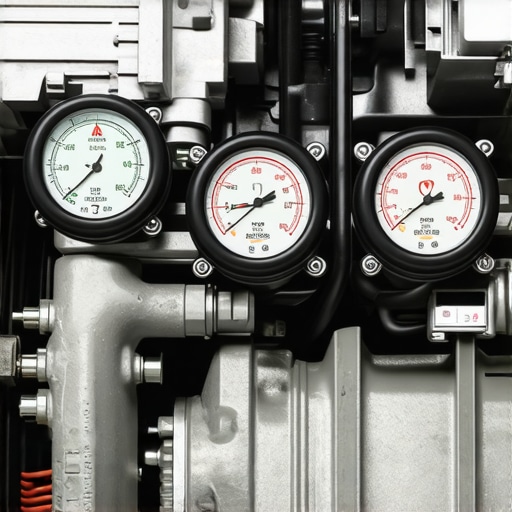
It was just another chilly morning when I started my car, only for that familiar, unsettling whine to rise from the engine bay—a sound I hadn’t heard before. My stomach sank. I knew that noise, the one that whispers trouble, but I had ignored it too many times before. This time, I caught it early, but it made me realize something crucial: detecting water pump failure before the engine overheats is vital, and not as complicated as you might think.
Spotting the Signs Before Disaster Strikes
As a car owner who’s been burned more than once by overlooked warning signs, I can tell you that water pump issues sneak up slowly. The first clue was that strange noise, which I later learned to identify as a typical early indicator of water pump bearing wear. Then came the temperature gauge creeping higher than usual, even on cool mornings. These are your body’s (or your car’s) early warnings, and ignoring them can lead to catastrophic engine damage.
But how do you reliably tell when your water pump is starting to fail before it leaves you stranded? Well, that’s exactly what I’ll help you figure out today. We’ll explore the telltale signs, common mistakes I made early on (and you should avoid), and simple steps to monitor your pump’s health.
Is a Slight Noise Worth Worrying About?
One mistake I made early in my repair journey was dismissing that initial whining sound, hoping it would go away. Trust me, ignoring these subtle clues is the fastest way to turn a minor fix into an expensive repair. Did you know that according to industry experts, a failing water pump can lead to engine overheating within just a few miles if left unchecked? It’s like ignoring a small leak in your home’s roof—eventually, it’ll cause real damage.
So, how do you keep an eye (and ear) on your water pump? First, listen for noises—those high-pitched whines or grinding sounds from the front of your engine are common early signals. Next, pay close attention to temperature gauge readings—they shouldn’t fluctuate or stay higher than normal.
If you want to dig deeper into engine cooling concerns, don’t miss our detailed guide on [how to silence a whistling engine at idle for free](https://repairmycarpro.com/how-to-silence-a-whistling-engine-at-idle-for-free). Recognizing these signs early can save you money and headaches.
This initial awareness sets the stage for proactive maintenance. Now, let’s get into practical methods to diagnose your water pump’s condition and when it’s time to replace it. Because, in the end, catching the problem early means the difference between a quick fix and a roadside breakdown.
Check for External Leaks and Physical Damage
Start by inspecting the water pump and its surrounding area for visible leaks, corrosion, or cracks. I once noticed a greenish residue around my water pump after a road trip, which indicated a minor leak—this was the first sign I overlooked. If you see any leakage or corrosion, it’s a sign your pump might be failing. Use a flashlight to get a clear view into hard-to-see spots.
Listen for Unusual Noises During Engine Run
Start your engine and listen closely for high-pitched whines or grinding sounds coming from the front of the engine. These noises often signal worn bearings or a failing water pump. When I first experienced that squealing, I knew I had to act fast to avoid overheating. For a quick fix, consider temporarily silencing engine whine by checking for loose belts, as discussed in how to silence a whistling engine.
Monitor Engine Temperature and Coolant Levels
Always keep an eye on your temperature gauge while driving. A gradual increase or fluctuating readings signal cooling issues. Check coolant levels regularly; low coolant can cause overheating even if the water pump is fine. I learned this the hard way when I ignored a dip in coolant levels, leading to a blown head gasket. Ensure coolant is clean and the proper mix to prevent pump strain.
Perform a Pressure Test to Confirm Pump Efficiency
Next, conduct a cooling system pressure test. This involves using a special tester to pressurize the system and observe if it holds pressure. A failing pump won’t circulate coolant properly, causing pressure drops. I rented a pressure tester from an auto parts store; during my test, I noticed the system pressure dropped quickly, confirming my pump’s failure. If you’re unsure, professional garages can perform this test efficiently.
Inspect the Drive Belt and Connection Components
Check the drive belt that connects the water pump pulley. Worn or loose belts can slip, causing pump failure. Look for cracks, fraying, or glaze. When I noticed the belt was loose after a routine check, I tightened it, but eventually, the belt snapped, necessitating a full pump replacement. Always replace worn belts promptly to avoid pulley or pump damage.
Replacing the Water Pump
If your diagnostics point to a faulty pump, gather the required tools: socket set, screwdrivers, new water pump, new gasket, and coolant. Drain the coolant engine carefully—use a container to catch and reuse it if clean. Remove the serpentine belt, then unbolt and remove the old pump. Clean the mounting surface thoroughly to ensure a proper seal. Install the new pump with a fresh gasket, tighten bolts to manufacturer specs, and refill with coolant. Remember, bleeding air from the cooling system prevents hotspots—run the engine with the radiator cap open until the thermostat opens and air escapes. During my pump replacement, I made sure to double-check all connections; a loose bolt or gasket leak would ruin the repair and could cause further damage. Regularly review repair guides or videos for your specific vehicle model to avoid mistakes.Many vehicle owners operate under misconceptions about routine maintenance, especially oil changes and diagnostic procedures. Contrary to common belief, not all oil change intervals are created equal; recent studies highlight that driving habits, engine type, and oil quality significantly influence optimal oil change timing, making a one-size-fits-all approach outdated. For instance, aggressive driving or frequent short trips can accelerate oil degradation, demanding more frequent changes than the manufacturer’s recommended 5,000 miles. Additionally, many overlook the nuanced differences between synthetic and conventional oils—synthetic oils offer superior thermal stability and better engine protection, but owners often skip this option, thinking it costs too much, which can lead to increased engine wear over time.
One prevalent myth is that vehicle diagnostics are foolproof if performed with advanced scanners. However, these tools are only as effective as the technician’s knowledge. Common mistakes include misinterpreting sensor outputs or relying solely on code readers without manual inspection—an approach that can mask underlying issues like torn CV boots or subtle vacuum leaks. For mature vehicles, understanding how to interpret diagnostic data critically is key; tools like dish soap tests for vacuum leaks reveal that subtle leaks often escape standard scans.
When it comes to brake service, many assume cheaper pads are sufficient, but this overlooks the true cost. Low-quality brake pads can wear out rotors faster, increasing long-term expenses and compromising safety. Furthermore, many ignore the importance of correctly diagnosing brake system issues rather than just replacing parts blindly. A squealing brake pedal could be due to warped rotors or contaminated pad material, not just worn pads.
Much of this revolves around understanding the nuances—knowing when to trust diagnostics and when to dig deeper can save you substantial money and prevent safety risks. Modern vehicle sensors and ECU data are powerful, but misinterpretation can lead to unnecessary parts replacement or overlooked critical repairs. Professionals know that certain symptoms, like a car feeling bouncy after hitting a pothole, often require inspecting suspension components rather than just replacing shocks. For advanced vehicle diagnostics, always complement electronic checks with thorough physical inspections.
Are you aware of the hidden details that can make or break your vehicle’s health? For example, that tiny vacuum leak you might miss could cause your engine to run inefficiently and increase fuel consumption—find out more about how to pinpoint these issues with checking the ground wires before replacing your battery. The key is to go beyond the basics and embrace a deeper understanding of your vehicle’s needs. Remember, routine maintenance isn’t just about following a schedule—it’s about knowing your car’s unique signals and acting proactively.
Have you ever fallen into this trap? Let me know in the comments.Maintaining your vehicle’s health over time requires more than just knowledge; it demands the right equipment and a strategic approach. Personally, I prioritize using a high-quality digital automotive scan tool, such as the AutoEngage Pro Diagnostics Scanner. This device offers comprehensive OBD-II fault code retrieval, live sensor data, and freeze-frame information, allowing me to identify issues like vacuum leaks or misfires quickly—saving time and money. Another tool I rely on is a coolant pressure tester. This simple device helps me pinpoint leaks or pump failures early, especially after noticing subtle symptoms, and it prevents expensive engine damage. For routine maintenance, I use a magnetic oil drain plug—a small upgrade that helps me monitor metal particles in the oil, revealing early signs of engine wear before they become serious. Software-wise, I prefer RPM Diagnostics for in-depth troubleshooting, particularly for complex faults that generic tools might miss. Investing in these tools has transformed my approach from reactive to proactive maintenance, substantially extending vehicle lifespan and performance.
How do I keep my vehicle diagnostics sharp over time?
Regular calibration of my scan tools ensures reliable data, and I stay updated with firmware upgrades from manufacturers. Additionally, I subscribe to expert forums to learn about emerging issues and solutions, which helps me anticipate problems before they escalate. Future trends indicate that interaction with vehicle diagnostics will become more integrated with smartphone apps and AI-driven analysis, making the process even more intuitive. I predict that by embracing these advancements, you’ll be able to diagnose and fix issues faster, ensuring your car remains reliable for the long haul. Don’t hesitate—try upgrading to a professional-grade scanner and see the difference it makes in your maintenance routine. It’s a small investment that offers immense savings and peace of mind.
What I Wish I Knew Before Ignoring Early Signs
One crucial lesson I learned was that even a faint whining sound warrants immediate attention—waiting only made the repair costlier. I used to dismiss small coolant leaks as harmless, only to discover how quickly they can escalate into major engine problems. Recognizing the significance of subtle cues early on has been my best strategy for avoiding roadside breakdowns.
The Fallacy of Delay
Many assume that strange noises or slight temperature fluctuations are minor nuisances. However, from my experience, these are often signs of impending failure. Acting promptly on these indicators can save you both time and money, preventing minor issues from snowballing.
How I Built My Dead-Simple Water Pump Diagnostic Toolkit
I trusted my instincts and combined that with a few inexpensive tools: a good flashlight, a coolant pressure tester, and a basic set of hand tools. These allowed me to identify leaks, check belt tightness, and perform pressure tests without always rushing to the mechanic. Investing in these essentials has empowered me to diagnose issues early and plan repairs more efficiently.
Embracing the Small Details for Big Savings
Discovering tiny cracks, listening attentively during engine runs, and monitoring coolant levels diligently have contributed to avoiding catastrophic failures. Sometimes, the most overlooked detail—like a small residue on the water pump or a minor belt wobble—can be the difference between smooth driving and an emergency.
Props for Those Who Stay Ahead of the Chaos
Taking charge of water pump health isn’t just about fixing problems; it’s about cultivating a mindset of proactive care. Regular inspections, early diagnostics, and understanding your vehicle’s unique signals make all the difference. Remember, your car’s health is a reflection of your attentiveness; stay vigilant, stay safe.
From My Toolbox to Your Garage: Vital Gear for Water Pump Vigilance
The tools I rely on—like a digital scan tool and a coolant pressure tester—have become my trusted allies. These devices enable precise diagnostics and help me confirm suspicions quickly. Investing in quality tools not only saves money over time but also builds your confidence as a DIY enthusiast.
Car Care as a Reflection of Your Inner Care
When you pay close attention to your vehicle’s whispers and signs, you’re demonstrating respect for your safety and peace of mind. The small ritual of regular inspections, listening, and monitoring will serve you well, extending your vehicle’s longevity and ensuring your journeys stay trouble-free. Ready to take that first step toward more mindful car care?
What early warning signs have prompted you to act faster on vehicle issues? Share your stories below—I’d love to hear how you stayed ahead of trouble!