
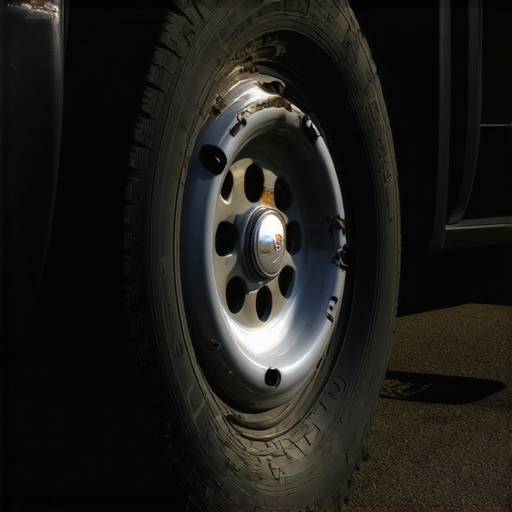
I’ll never forget the moment I felt it—driving along, and suddenly that unsettling shimmy through the steering wheel made me stop in my tracks. My heart sank. Could it be my tires? Or was that slight tilt in the rim causing all this fuss? At first, I brushed it off, thinking maybe I hit a pothole or two. But as days went by, that vibration persisted, growing more annoying and more concerning. It wasn’t just an inconvenience anymore; it was a red flag I couldn’t ignore.
Why Understanding Wheel Vibrations Can Save You Time, Money, and Hassle
Here’s the thing: when your vehicle starts vibrating, it often feels like a mystery wrapped in an enigma. Is it a tired old tire that’s finally giving up? Or is a bent rim throwing everything off balance? Knowing the difference isn’t just about comfort—it’s about safety, cost, and making smart decisions about your car’s health. Early on, I made a rookie mistake—replacing my tires without checking the rims, only to find the vibration still there. That mistake cost me extra time and cash, but I learned a lot. I want to spare you that frustration.
Is All Vibration Bad, or Is This Just Normal Wear and Tear?
Many folks, myself included at first, assume that vibration is just part of owning a car or a sign that it’s time for new tires. But often, it’s a clue. Especially if the vibration feels more pronounced at certain speeds or during specific maneuvers. Recognizing the subtle signs can help you decide whether a simple tire swap or a rim check is in order. And the good news? Most issues are fixable with some DIY tests or a quick visit to your trusted mechanic. Before rushing to replace everything, it’s wise to understand what could be causing that shimmy.
Here’s a critical tip: stay away from jumping to conclusions without proper diagnostics. I once replaced a perfectly good set of tires only to find the problem lurking in my rim—costly and unnecessary. According to automotive experts, improper diagnosis is one of the most common mistakes drivers make—so take a breath and approach this systematically. If you’re curious about other vehicle diagnostics, check out decoding vehicle diagnostics to get a clearer picture of your car’s signals.
So, how do you tell the difference between a tire issue and a bent rim? That’s what we’ll dive into next. Keep reading, because a little bit of know-how can save you big bucks and serious stress.
Start with a Safe Test Drive
Before diving into tools or parts, take your vehicle on a controlled drive to note when the vibration occurs. Is it at specific speeds or during turns? I remember one time, during a quick ride with my dad, noticing that the shimmy was only at highway speeds—this clue helped narrow down the cause.
Inspect Your Tires Carefully
Begin with a visual check—look for uneven wear, cracks, or flat spots. Spin each tire manually to see if they wobble or if there’s a noticeable bulge. I once replaced a seemingly good set of tires, only to find a bent sidewall after the visual inspection. Use a tire balance scale to check for balance issues, which cause vibrations at certain speeds. If you find abnormalities, try swapping that tire to see if vibrations follow the tire, indicating it’s the culprit.
Perform a Road Test with Different Tires
If you have a spare or different set, swap them and repeat the drive. Vibrations that disappear suggest the issue was with the original tires—often from unbalanced or damaged tires. If not, move on to the rims.
Check the Rims for Bents or Damage
Set the wheel on a flat surface or a dial indicator—if you notice a bend or wobble, that’s likely causing the vibration. Visually inspect with a flashlight for dents or cracks. I once missed a bent rim because it was subtle, but a professional diagnosis confirmed it. If you suspect rim issue, consider professional straightening or replacement.
Assess Wheel Alignment and Suspension
Misalignment or worn suspension components can cause uneven tire wear and vibrations. Drive straight and steady, then gently steer left and right; unusual vibrations or pulling indicate alignment issues. I once ignored a slight pull, leading to uneven wear and a rough ride, which I fixed through proper alignment.
Use Diagnostic Tools for Deep Inspection
Invest in or borrow a tread depth gauge and a wheel balancer to check for imbalance. If you have access, use a diagnostic scanner to check for any error codes related to wheel speed sensors, which can also cause vibrations. Technologies like vehicle diagnostics are invaluable here. I once used a scanner that revealed a faulty ABS sensor, which I replaced to eliminate the sensation of wobbling.
Consult Professionals When in Doubt
If these steps don’t resolve the issue, or you’re unsure, it’s wise to seek expert assistance. Many auto repair shops can perform road force balancing and detailed inspection, often diagnosing hidden problems. Reaching out can prevent further damage and save money—visit contact us for advice or appointments. Remember, addressing wheel vibration promptly maintains your safety and prolongs your vehicle’s lifespan.
By following these concrete steps, you can systematically identify whether tires, rims, or suspension components are responsible for your car’s shake. Taking action early not only improves your ride quality but also increases safety on the road.
Many vehicle owners believe that auto diagnostics and repairs are straightforward processes, but the truth is more nuanced. A prevalent myth is that basic code readers or simple visual inspections are sufficient for accurate diagnostics. In reality, relying solely on generic scan tools often leads to misdiagnosis, especially with complex systems like transmission or ABS modules, where advanced diagnostics are essential for accurate problem resolution. According to expert mechanic insights, using professional-grade diagnostic equipment can reveal subtle faults that entry-level tools miss, preventing costly repairs down the line. One trap to avoid is assuming that symptom elimination equals root cause elimination; for instance, replacing a faulty sensor without verifying the underlying wiring or module integrity can lead to recurring issues.
What advanced diagnostic techniques can truly prevent costly breakdowns?
Incorporating step-by-step analyses such as live data stream evaluations and component-specific tests helps reveal issues hidden beneath surface symptoms. This approach is especially critical in brake service, where a misdiagnosed pad wear pattern might mask an underlying caliper problem, or during oil changes, where neglecting to inspect oil pressure sensors can overlook looming engine dangers. Many mechanics now emphasize the importance of understanding vehicle-specific diagnostic protocols rather than generic troubleshooting. For example, a study by automotive research firm CARLab highlights that vehicles equipped with complex electronics—like hybrid or turbocharged engines—require tailored diagnostic strategies to prevent failures. Don’t be caught off guard by superficial fixes; instead, focus on mastering the diagnostic process to truly extend your vehicle’s lifespan.
Have you ever fallen into this trap? Let me know in the comments.
Investing in Precision Tools for Lasting Results
One of the cornerstones of effective auto maintenance is choosing the right equipment. Personally, I rely on a high-quality digital multimeter, like the Fluke 117, because it offers accurate voltage readings essential for diagnosing electrical issues, such as faulty sensors that can cause engine misfires. Additionally, a reliable torque wrench ensures bolts are tightened to manufacturer specifications, preventing damage or safety hazards. For instance, over-tightening lug nuts can warp brake rotors, leading to vibrations—something I’ve learned through experience. Investing in these tools pays off over time, reducing trips to the mechanic and preventing costly repairs.
What about diagnostic software? How do I keep my vehicle’s computer functions optimized?
Personally, I prefer advanced diagnostic scanners such as the Autel MaxiSys series. They connect to the OBD-II port and provide real-time data, freeze frame captures, and reset capabilities. These tools allow me to identify issues before they escalate, for example, catching a failing ABS sensor early. Modern vehicles increasingly depend on electronic systems, making professional-grade diagnostic tools essential. As vehicle complexity grows, so does the need for sophisticated software; companies like RepairMyCarPro highlight that using the right diagnostic tools reduces guesswork and extends your vehicle’s lifespan.
Consistent Maintenance Practices for Long-Term Performance
Regularly scheduled oil changes, as outlined in this guide, are fundamental. But I also advocate for fluid level checks, belt inspections, and tire rotations. Each of these contributes to the vehicle’s resilience. For instance, I notice that by checking my oil and coolant every month, I catch leaks early, preventing engine overheating or failure. Implementing a routine not only extends the time between repairs but also improves safety on the road.
How do I maintain my brakes effectively over time?
Brake service is about proactive care—comparing brake pad thickness, inspecting calipers, and replacing brake fluid periodically. Based on Expert Brake Tips, I recommend flushing brake fluid every two years to prevent moisture buildup. I also keep a supply of high-temp ceramic brake paste, which I apply during pad replacements, ensuring quieter, more reliable braking. These small investments in proper maintenance tools and techniques pay huge dividends in safety and vehicle lifespan.
Scaling Your Maintenance Routine for Future Needs
As vehicle technology advances, embracing diagnostic automation and maintenance scheduling software will become standard. Trends point toward integrating IoT devices that monitor vehicle health remotely, alerting you to issues before they become critical. For example, GPS-connected sensors can report tire pressure drops or fluid leaks directly to your smartphone, allowing immediate action. Preparing now by learning to use diagnostic tools effectively positions you to handle future innovations with confidence.
This proactive approach empowers you to diagnose and resolve issues swiftly, saving both money and stress. If you’re ready to upgrade your toolkit, start with a comprehensive diagnostic scanner and learn its features thoroughly. Remember, consistent maintenance isn’t just about fixing problems; it’s about maximizing the vehicle’s value and safety over its lifespan. For more insights on building an effective auto maintenance strategy, visit this resource and start taking control today.
Lessons in the Garage: What I Wish I Knew About Auto Repairs
- Assuming Vibration Means New Tires Is a Trap: I once changed my tires assuming they were the culprit, only to find out a bent rim was causing the issue. Diagnosing properly saved me money and time.
- DIY Inspections Are Just the Beginning: Visual checks and simple tools can get you far, but understanding diagnostic codes requires more advanced tools and knowledge—don’t oversimplify the process.
- Ignoring System Interconnections Can Be Costly: A sensor issue can mimic other problems; knowing how different systems interact prevents unnecessary replacements and repairs.
- Regular Maintenance Saves Your Peace of Mind: Oil changes, brake checks, and fluid assessments may seem routine but are pivotal in catching issues early and avoiding breakdowns.
- Investing in Proper Tools Is an Investment in Safety: High-quality diagnostic scanners and precision tools have paid for themselves many times over, helping me diagnose accurately and act confidently.
Where to Turn for Reliable Resources and Tools
- Decode Vehicle Signals: This resource deepened my understanding of diagnostic trouble codes, enabling me to identify issues before they escalate.
- Core Maintenance Strategies: A must-know guide for consistent upkeep that keeps your vehicle running smoothly.
- Lifespan Extension Tips: Practical advice that helped me extend my car’s operational life significantly.
- Brake Care Essentials: Invaluable insights into maintaining and diagnosing brake issues to ensure safety.
Ignite Your Confidence and Keep Moving Forward
Embracing vehicle diagnostics and proper maintenance is more than just saving money—it’s about empowerment, safety, and confidence behind the wheel. Each time I invested in the right tools and knowledge, I felt more in control, transforming my approach from reactive to proactive. No matter where you are in your auto repair journey, remember that every step you take now pays dividends in the long run. Ready to take the next step? Dive deeper into the world of auto diagnostics and maintenance, and keep your vehicle running at its best. How has understanding your vehicle’s signals changed your approach to repairs and upkeep? Drop your experiences and questions below—let’s learn from each other and drive smarter.